UN Leader Denounces U.S.-Israeli Strikes on Iran
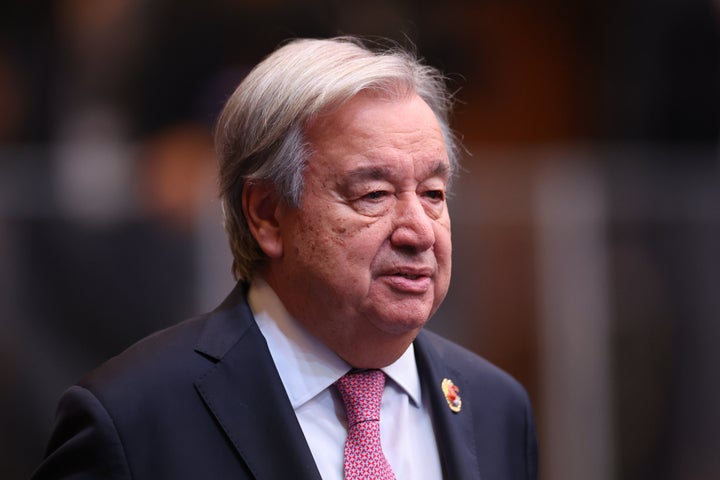
UNITED NATIONS — The airstrikes conducted by the U.S. and Israel against Iran have drawn sharp criticism from the United Nations Secretary-General, who emphasized the need for immediate diplomatic efforts to avert further conflict. “We must pull the region, and our world, back from the brink,” he stated during an emergency session of the U.N. Security Council.
António Guterres articulated his concerns about the potential for escalating violence, warning that “the alternative is a potential wider conflict with grave consequences for civilians and regional stability.” His remarks came as tensions soared following the attacks.
In a broader condemnation, Guterres also addressed Iran’s retaliatory actions, which he described as violations of the sovereignty of several nations, including Bahrain, Iraq, and Saudi Arabia. The Secretary-General's comments reflect a growing unease about the regional implications of these military actions.
Before the meeting, Israel’s U.N. Ambassador Danny Danon dismissed the Secretary-General’s criticisms as “hypocrisy.” He asserted that Iran’s actions, particularly through its proxies and its nuclear ambitions, necessitated a preemptive response from Israel and the U.S. to avert an “irreversible and immediate threat.”
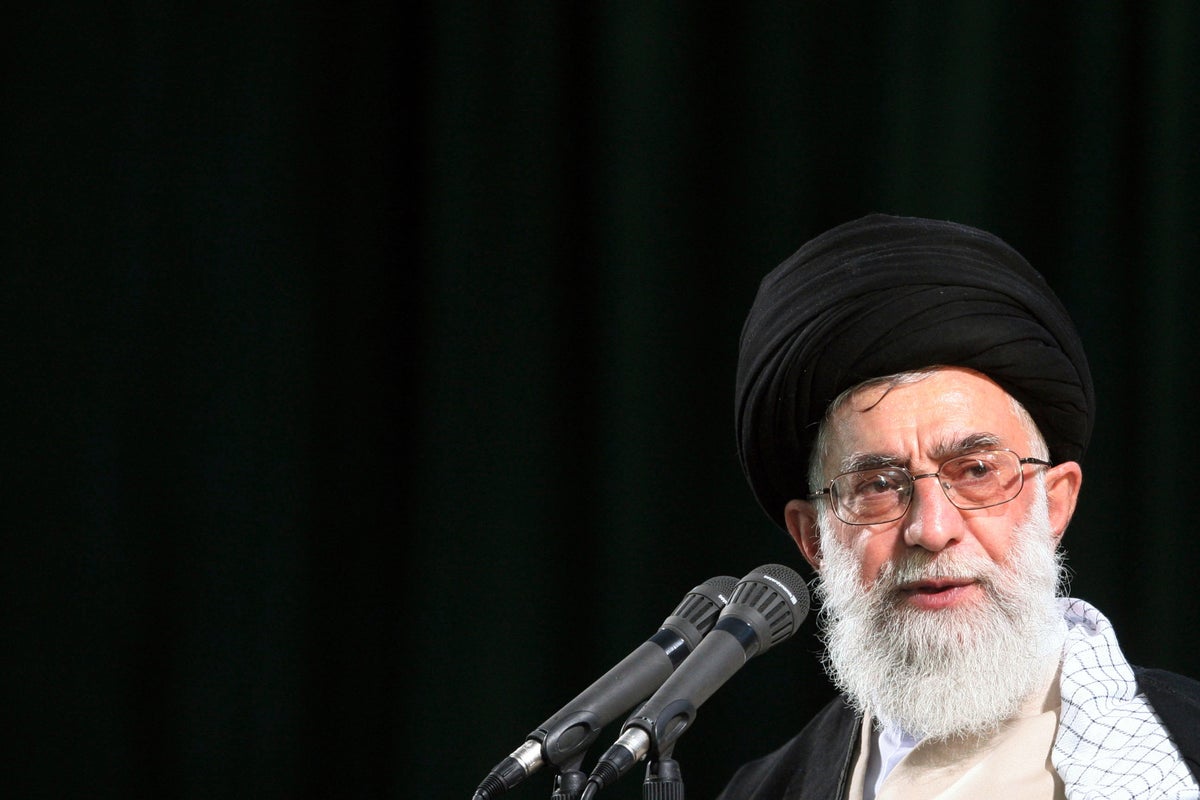
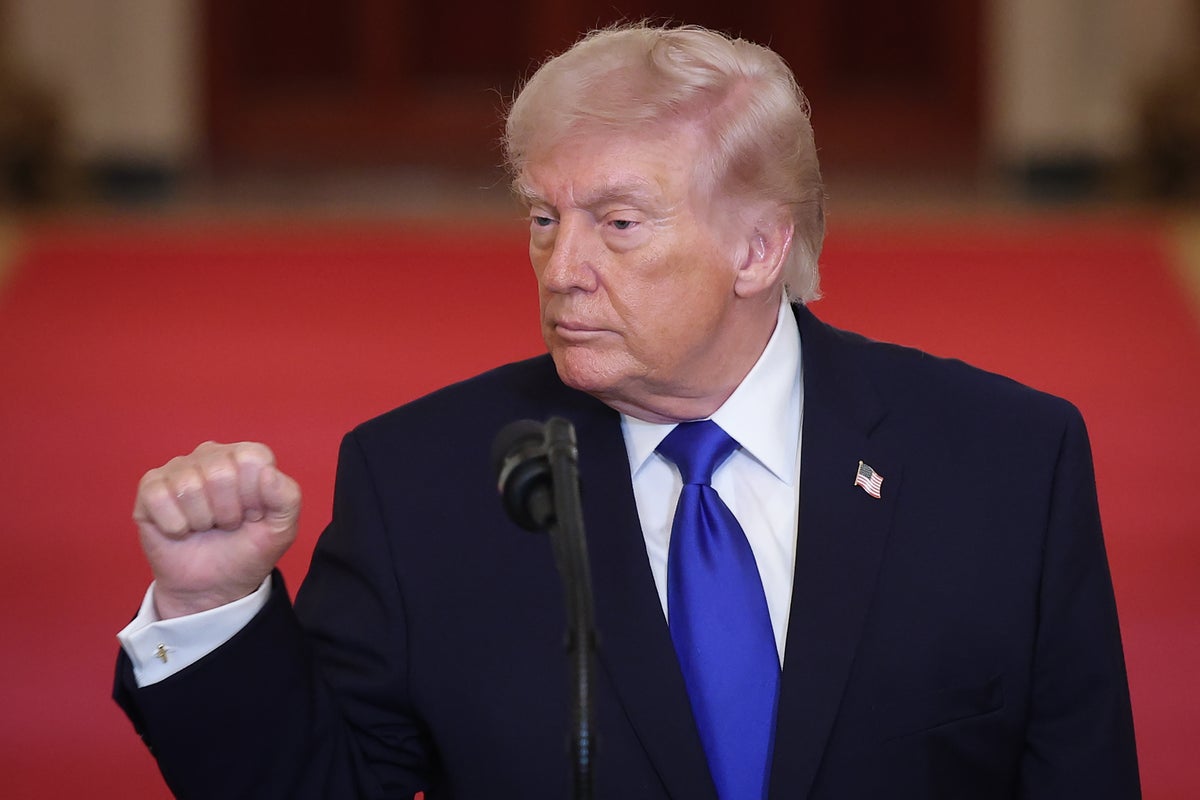
The airstrikes reportedly resulted in the death of Iran's Supreme Leader Ayatollah Ali Khamenei, a significant escalation that has raised fears of prolonged conflict. Following this event, President Trump remarked on social media that Khamenei's death represented “the single greatest chance for the Iranian people to take back their Country.”
Iranian Foreign Minister Abbas Araghchi responded vehemently, accusing the U.S. and Israel of blatant violations of international law and Iran’s sovereignty. He insisted that Iran was exercising its right to self-defense as outlined in the U.N. Charter.
Araghchi urged Security Council members to take immediate action against what he termed an unlawful use of force and called for accountability regarding these aggressive actions, which he claimed posed unprecedented threats to both regional and global peace.
The emergency meeting was convened at the request of five council members: Bahrain, France, Russia, China, and Colombia. Their collective call for urgent discussions underscores the gravity of the situation.
In a joint statement, leaders from Britain, France, and Germany advocated for a revival of U.S.-Iranian negotiations concerning Tehran’s nuclear program. These three nations were part of the 2015 nuclear agreement that aimed to curtail Iran's nuclear capabilities but saw the U.S. withdraw in 2018 under Trump’s administration.
While condemning Iranian airstrikes in the region, the European leaders did not address the U.S.-Israeli strikes directly. They emphasized that it is crucial for the Iranian populace to have a say in determining their future.
This Security Council meeting marks a pivotal moment as it coincides with the final day of the United Kingdom’s presidency before handing over to the United States for March.