


Approximately 200,000 Internationally Adopted Children Face Deportation Threats in the U.S.
Roughly 200,000 children adopted from abroad are now facing potential detention or deportation under current immigration policies, as they have not been granted U.S. citizenship, according to legal experts.
In the last eight decades, American families have welcomed over 500,000 children from other countries into their homes. However, some of these adoptions were marred by unethical practices, including instances where children were taken from their biological parents.
Many adoptive parents neglected to secure citizenship for their children, resulting in a significant number of individuals who have lived in the U.S. for most of their lives without legal status.
"Most immigrants are aware of the steps needed to achieve legal status, but many adoptees have never questioned their own citizenship status until now," stated Mónica Dooner Lindgren, a family law attorney based in Minnesota, in a recent report highlighting this issue.
"The Department of State claims that a valid U.S. passport is enough to establish citizenship; however, this has not stopped agents from detaining adoptees," she added.

The enforcement actions by the current administration in Minnesota—known for its high rates of international adoptions—have reportedly targeted "all people of color," showing no distinction among various groups of foreign-born individuals.
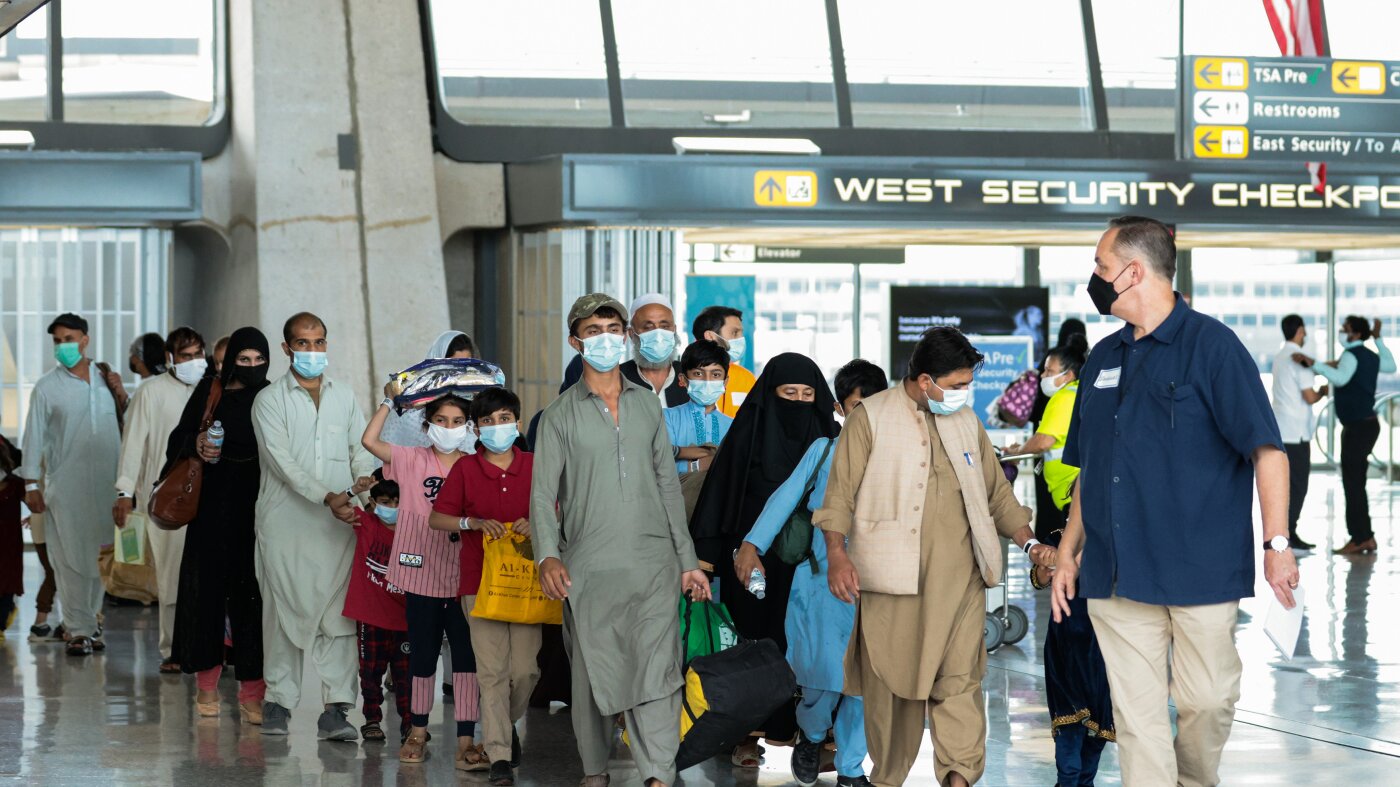
This situation escalated as ICE agents were deployed to numerous airports nationwide amid ongoing budget disputes in Congress regarding the agency's funding.
Democratic lawmakers have withheld support for additional funding for the Department of Homeland Security unless it includes provisions to prevent agents from conducting warrantless home raids and wearing masks during operations.
In recent months, federal judges have ruled against immigration agents over 7,000 times for illegal detentions, often with government attorneys failing to present a defense.
This has left many international adoptees anxious about the possibility of being detained, regardless of their citizenship status, as reported.

Gregory Luce, an immigration attorney and head of the Minneapolis-based non-profit Adoptees United, estimates that around 200,000 foreign-born adoptees grew up without U.S. citizenship, frequently discovering this only when they sought a passport or Social Security benefits.
Previous congressional efforts to address the citizenship status of foreign-born adoptees have often resulted in significant gaps. A law enacted in 2001 that granted automatic citizenship to adoptees under 18 excluded approximately 75,000 who were older at that time.
A bipartisan initiative known as the Protect Adoptees and American Families Act was introduced in September to provide automatic citizenship to all international adoptees; however, its likelihood of passing remains uncertain.
Luce noted that many adoptees eligible for citizenship hesitate to apply due to fears that doing so might attract the attention of immigration enforcement. "Naturalization in this environment is much harder and much riskier," he remarked. "Most people are extremely frightened, and the challenging question I face is always: what should they do? Naturalize, renew a green card, or remain inactive?"