





Warning: Spoilers ahead for “Is God Is.”
Forget the stereotypes! Black women are finally taking center stage, unapologetically expressing their rage in Aleshea Harris’ groundbreaking film “Is God Is.” For too long, the narrative has been twisted, forcing Black women to suppress their anger under the weight of the “angry Black woman” trope. But this film flips the script, allowing them to be complex, emotional beings who deserve to feel fury just like anyone else.

Society loves to box us in—strong, intelligent, nurturing—but when it comes to anger? Silence. We’re often dismissed, our justified outrage weaponized against us. Just look at Serena Williams at the 2018 U.S. Open; her emotions were punished while others are celebrated for the same. Reality TV is another battleground where Black women must tread lightly, lest they be reduced to mere caricatures.
Enter “Is God Is,” a radical cinematic experience that channels rage into reckoning. Harris’ directorial debut, adapted from her award-winning play, is a wild ride that artfully blends Greek tragedy with Southern gothic flair, all while exploring the roots of Black female anger through harrowing subject matter.

This film doesn’t shy away from the trauma of domestic violence; it confronts it head-on. It imagines a world where Black women prioritize themselves, showcasing two sisters—Racine and Anaia—who embody different facets of rage born from deep pain. Watching them reclaim their agency is nothing short of exhilarating.
“Girls, ima make this real simple,” Ruby (Vivica A. Fox) tells her daughters. “Make your daddy dead. Real dead.” This audacious line sets the tone for a revenge thriller that’s anything but ordinary. The twins embark on a journey to reconnect with their mother, Ruby, only to find her on her deathbed, scarred from a horrific past involving their abusive father.
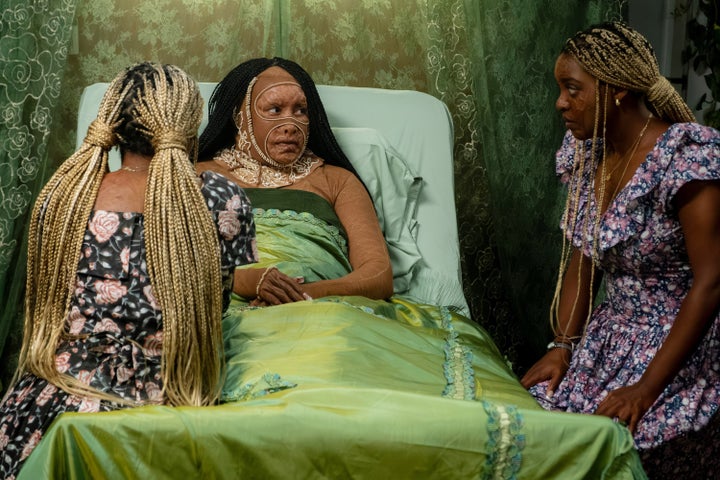
Racine and Anaia are marked by their trauma—Racine’s scars are hidden, while Anaia wears hers on her face for the world to see. Their quest for vengeance is fueled by years of suffering, but their approaches differ dramatically. Racine is ready to unleash hell; Anaia hesitates, reminding her sister, “We ain’t killers.” But Racine’s cold response? “I am.”
Harris masterfully illustrates how Black women process trauma—sometimes as a chip on our shoulder (Racine), other times by shrinking into invisibility (Anaia). The film lays bare the source of their pain and the chilling request from their mother to kill their father—a man who inflicted so much suffering.

“Kill his spirit. Then the body,” Ruby instructs icily. This isn’t just revenge; it’s a profound exploration of how abuse can warp one’s sense of justice. Harris captures an epic pursuit of retribution that resonates deeply with audiences, especially Black women who often find their anger dismissed.
“It’s against the rules for Black women to be very expressive in our rage,” Harris stated during a Q&A session. “People stereotype us and dismiss our anger without curiosity.” But “Is God Is” aims to change that narrative.
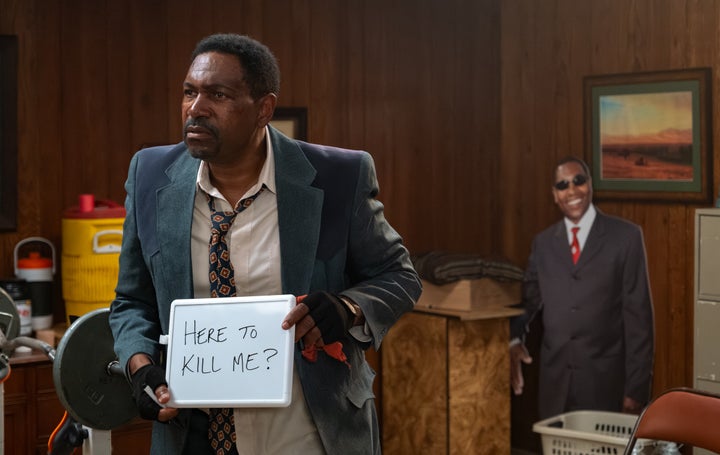
The twins embark on a rage-fueled road trip to confront their father, encountering characters like Divine (Erika Alexander), an eccentric pastor still clinging to hope despite being another victim of Man (Sterling K. Brown). As they uncover disturbing truths about their father, Racine’s fury ignites further, arming herself with a rock in a sock—a weapon that soon bears blood.
Every moment he remains alive is a reminder of their mother’s suffering. Harris humanizes Racine’s thirst for vengeance rather than vilifying it, raising unsettling questions about the cost of revenge and whether it leads to healing.

The climax delivers a bloody showdown that forces the twins—and the audience—to confront what it means to seek justice through violence. By the end, there’s catharsis in watching these young women break free from their past and reclaim their identities from an abusive legacy.
“Is God Is” challenges conventional portrayals of Black women in cinema, allowing them to be authors of their own stories—not just victims or heroes but complex individuals navigating their destinies. Harris’ film is a bold declaration that Black women have every right to express their rage freely and unapologetically.

“When I wrote these characters, I wasn’t thinking message at all,” Harris explained. “But I do think it’s worthwhile to sit with how these young women respond to trauma.”
“Is God Is” is now playing in theaters, and it’s a must-see for anyone ready to witness Black women’s pain and anger portrayed with humanity instead of suppression.