

China's Silent Victory: The Unseen Winner of the U.S.-Iran Conflict
With a memorandum of understanding signed between Washington and Tehran, the nearly four-month war has sparked intense debate over whether Iran gained more than President Donald Trump ever intended, who demanded "unconditional surrender" from the Islamic Republic.
But lurking in the shadows is a victor that never engaged in combat: China.
From the start, Beijing condemned the war, denouncing the assassination of Iranian Supreme Leader Ayatollah Ali Khamenei and other high-ranking officials during initial U.S.-Israeli strikes. China consistently advocated for a negotiated settlement. Now, as the U.S. and Iran navigate a precarious peace, analysts assert that China has secured significant strategic advantages from the conflict.
China has long sought to position itself as a responsible global power that respects sovereignty and promotes dialogue while avoiding military entanglements. The Iran war provided Beijing with a platform to reinforce this narrative.
Chinese Foreign Minister Wang Yi engaged in multiple discussions with Iranian diplomats throughout the conflict, while Beijing expressed unwavering support for Pakistan's mediation efforts. In the final days leading up to the ceasefire, Iranian Deputy Foreign Minister Kazem Gharibabadi also conferred with senior Chinese diplomats.
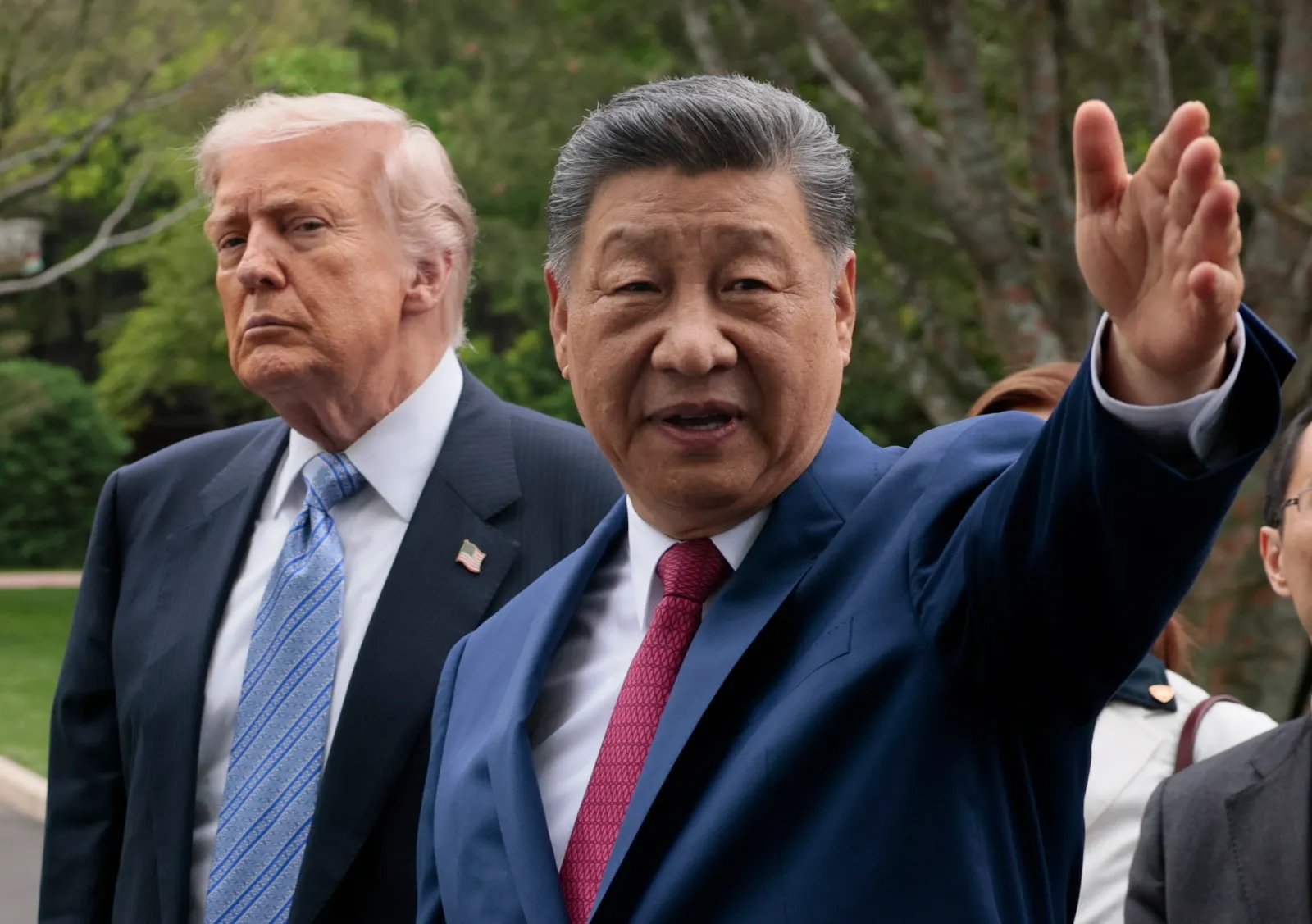
After the memorandum was signed, Abbas Araghchi, Iran's Minister of Foreign Affairs, publicly acknowledged China's constructive role in facilitating negotiations.
Chinese officials have eagerly contrasted their diplomatic approach with what they characterize as a reckless U.S.-Israeli military campaign that destabilized global energy markets and risked escalating regional conflict.
"The U.S. attacks on Iran with Israel set an unprecedentedly bad example and dismantled 80 years of world order," stated Henry Wang, president of the Beijing-based Center for China and Globalization.
This argument resonates particularly in the Global South, where many governments viewed the conflict with skepticism and where China has invested years in building influence.
The war also strained relationships with U.S. allies in Europe and the Gulf region.
Support among U.S. partners fluctuated throughout the conflict. European nations, already frustrated by trade disputes and tariffs, hesitated to engage deeply, while several allies openly questioned various aspects of the military campaign and its economic fallout.
"Open divergences between Washington and its partners over the war's legitimacy, execution, and fallout have exposed fissures that risk metastasizing to other issue areas over time," wrote Ryan Hass, director of the Brookings Institution's China Center. "For China, these fissures offer comfort."
The conflict provided Beijing with fresh material for its long-standing message: the U.S. is an unreliable and increasingly unpredictable partner.
"We're witnessing the consequences of damage done by Trump's statements and policies, resulting in countries justifiably angry that U.S. choices impose costs and dangers on them," remarked Kori Schake, senior fellow at the American Enterprise Institute.
"We appear just as ruthless but less predictable or strategically competent than China."
"China will also take pleasure in America's struggles to achieve strategic objectives in Iran," Hass noted.
For Chinese officials, this conflict serves as a potent talking point. If the United States faltered for months in securing a decisive outcome against a regional power like Iran despite overwhelming military superiority, Beijing can question whether Washington would be capable of sustaining a much larger conflict closer to its own borders.
The war reinforced Chinese arguments that U.S. military interventions often lead to instability while imposing costs on allies who had little say in decision-making.
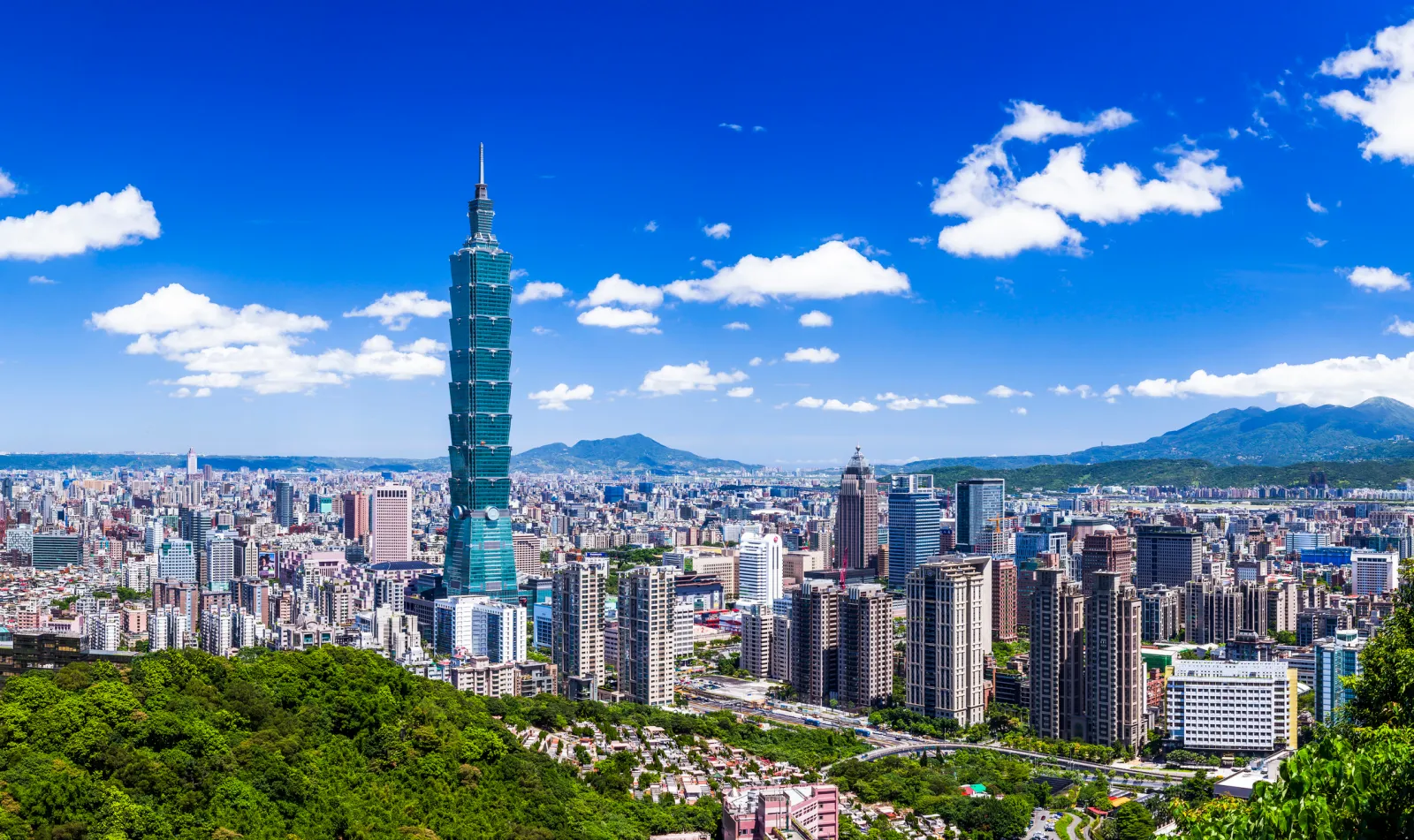
This is especially relevant for Taiwan, the self-governing island that China claims as its territory and insists must be unified, even by force if necessary. In recent years, China has intensified military pressure on Taiwan alongside a propaganda campaign aimed at demoralizing Taiwanese society and convincing them that unification with the mainland is their only viable option.
The conflict also tested one of China's most significant vulnerabilities.
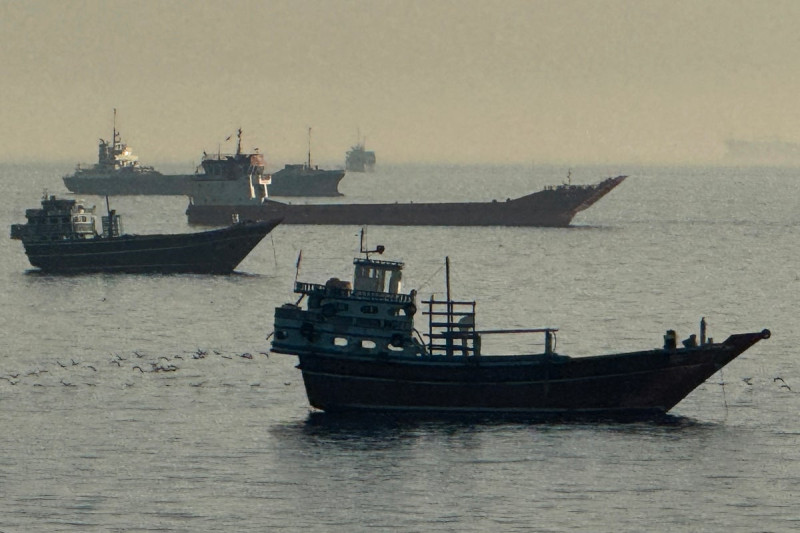
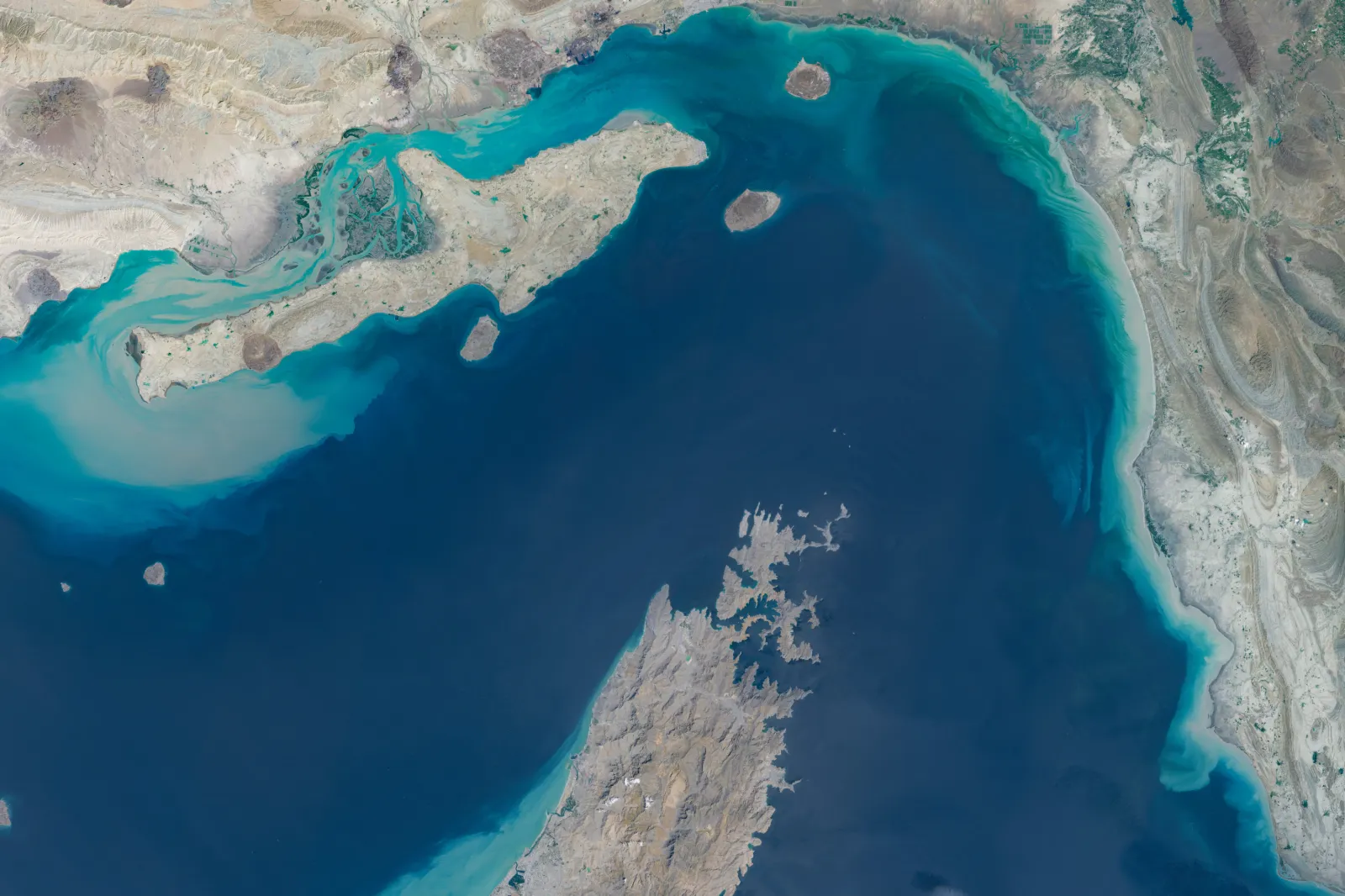
China relies on approximately 40 percent of its crude oil and about one-third of its liquefied natural gas from the Middle East. As the Strait of Hormuz effectively closed and shipping ground to a halt, analysts warned of potential severe economic disruption for Beijing.
However, China managed to weather the shock effectively.
Crude imports plummeted during the conflict, reaching their lowest levels in years. Yet Beijing cushioned the impact through strategic petroleum reserves estimated at around 1.2 billion barrels, reduced refinery throughput, and years of efforts to diversify supply routes while decreasing dependence on imported fossil fuels.
While countries like Japan and South Korea were compelled to tap into emergency reserves, China faced less pressure to take drastic measures.
This resilience allowed Beijing to pursue energy diplomacy while other nations scrambled for supplies. Chinese refiners ramped up exports of products such as jet fuel and diesel to regional markets, alleviating shortages in energy-stressed economies, including U.S. allies like the Philippines.
Analysts assert that this episode provided Beijing with an opportunity to cultivate goodwill and expand influence at a time when many countries were seeking reliable suppliers.
The crisis also validated China's push into electric vehicles, batteries, solar panels, and other clean-energy technologies.
Rising oil prices improved the economics of electrification globally, benefiting Chinese manufacturers who already dominate international EV markets. During the conflict, Chinese vehicle exports surged as consumers and governments sought alternatives to volatile fuel markets.