

Xi Jinping Issues Stark Warning to Trump: Taiwan Tensions Could Spark Conflict
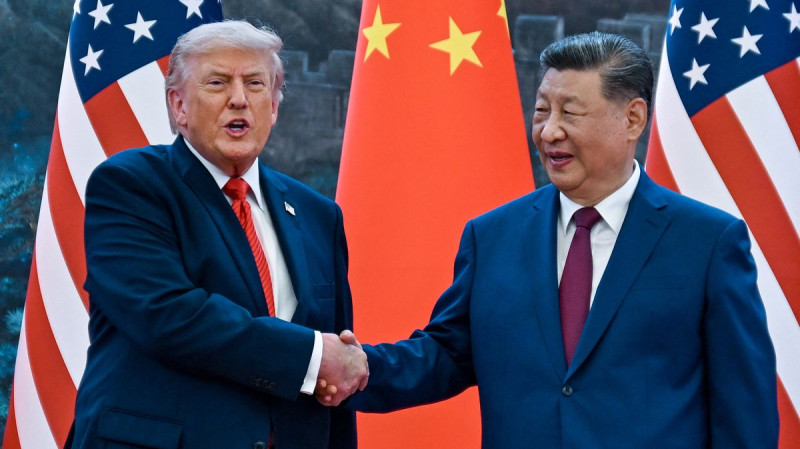
BEIJING — Xi Jinping didn’t mince words during his meeting with President Trump, issuing a stark warning that unresolved tensions over Taiwan could ignite conflict between the two superpowers. This wasn’t just a casual chat; it was a pointed reminder of the chasm that still exists between their nations on critical issues like trade and military relations.
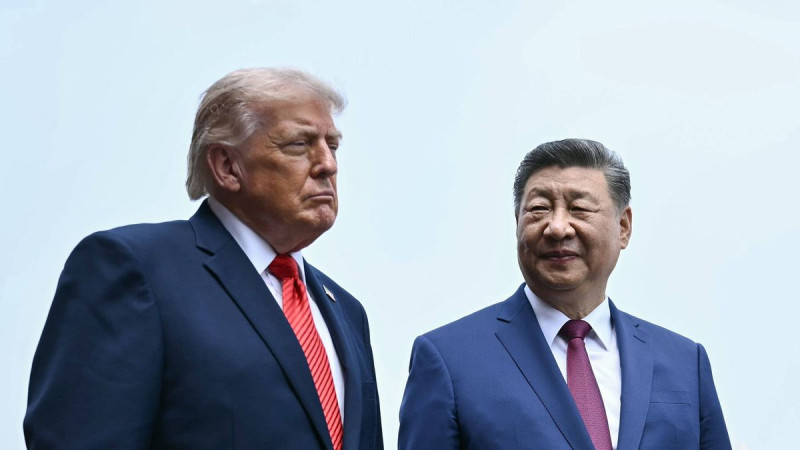
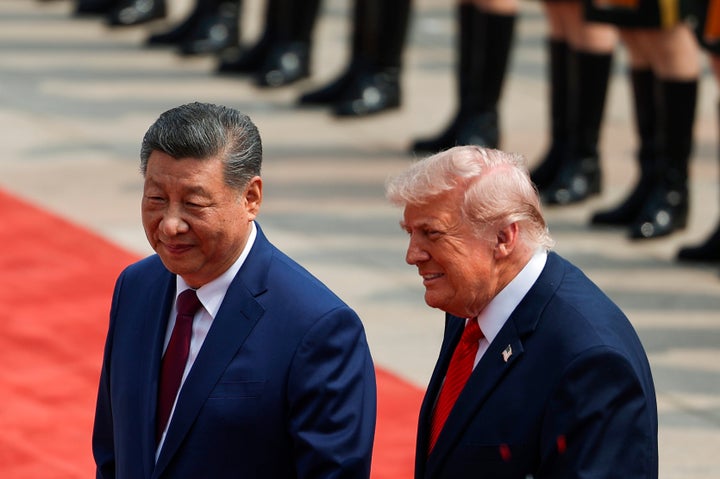
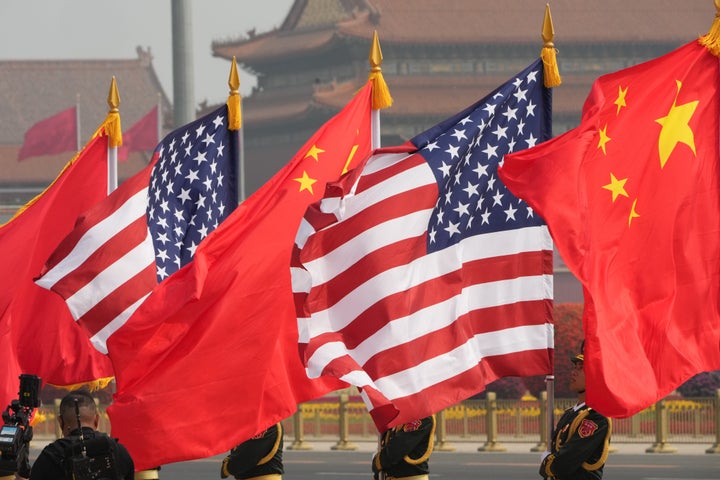
The summit in Beijing, marked by an extravagant welcome ceremony complete with booming cannons and a sea of waving flags, highlighted the contrasting tones of the two leaders. While Trump showered Xi with compliments, calling him a “great leader” and expressing his desire for a stronger U.S.-China relationship, Xi’s response was far more serious.
“The Taiwan question is the most important issue in China-U.S. relations,” Xi told Trump, as reported by Chinese Foreign Ministry spokesperson Mao Ning. “If handled improperly, it could lead to clashes and even conflicts.” This wasn’t just idle chatter; it was a clear signal that China views Taiwan as a non-negotiable issue.
Before their closed-door discussions, Trump attempted to set a friendly tone, but Xi’s remarks were a stark reminder of the underlying tensions. He referenced the “Thucydides Trap,” a term used in foreign policy circles to describe the inevitable conflict that arises when a rising power threatens an established one. This wasn’t just rhetoric; it was a warning that the stakes are high.
Despite the tension, Xi emphasized cooperation over confrontation, stating, “Cooperation benefits both sides, while confrontation harms both.” But can these two leaders really find common ground? The answer remains murky.
Secretary of State Marco Rubio later reiterated that U.S. policy toward Taiwan remains unchanged, but he cautioned that any aggressive moves by China would be “a terrible mistake.” In an interview, Rubio downplayed Xi’s warning, suggesting that Taiwan is always a topic of discussion in their talks.
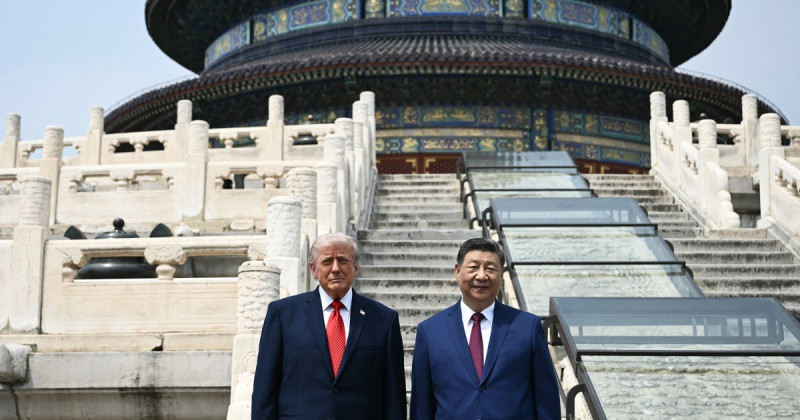
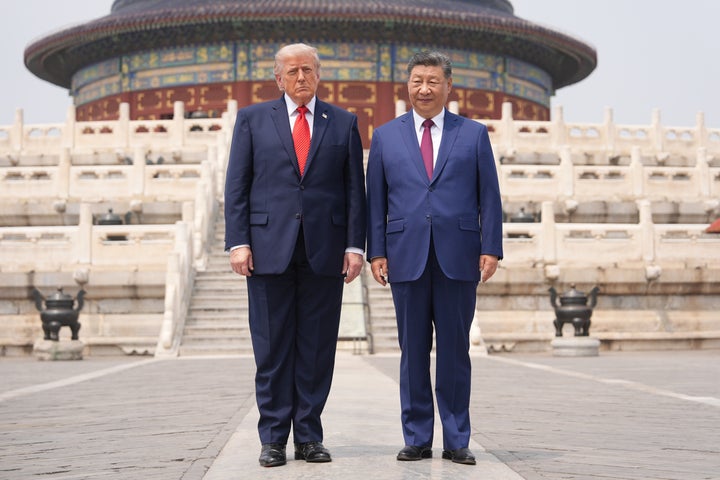
After their lengthy meeting, Xi took Trump on a tour of the Temple of Heaven and hosted a lavish state banquet. During his toast, he noted the importance of maintaining stability in U.S.-China relations amidst global turbulence. “Achieving the great rejuvenation of the Chinese nation and making America great again can go hand in hand,” he said, cleverly intertwining their political narratives.
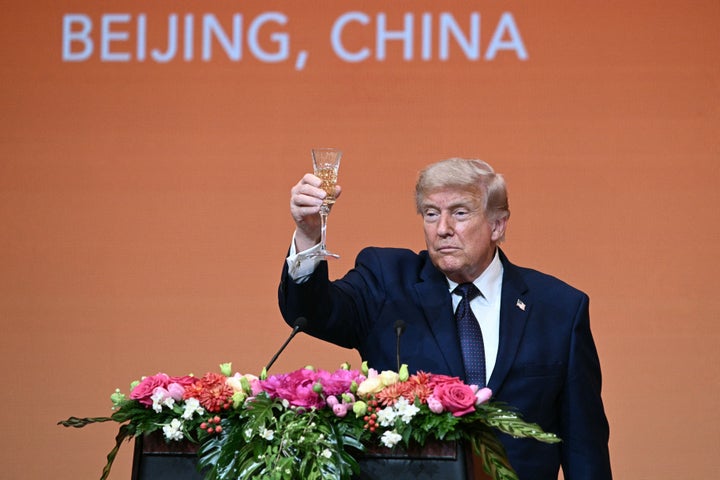
Trump echoed this sentiment, calling his visit “a great honor” and claiming they discussed matters beneficial for both nations. He also announced that Xi would make a reciprocal visit to the White House on September 24—a date that caught many off guard.
The White House painted a positive picture of the meetings, highlighting discussions on enhancing economic cooperation and expanding market access for American businesses in China. However, Taiwan was notably absent from their official readout.
As tensions simmer over Iran and its impact on global oil prices, Trump is under pressure to address these issues domestically as midterm elections loom. With China being the largest buyer of Iranian oil, Rubio hinted at urging Xi to leverage his influence over Tehran to stabilize markets.
Xi’s warning about Taiwan comes amid U.S. plans to sell an $11 billion arms package to the island, which has raised eyebrows in Beijing. While the U.S. maintains its commitment to Taiwan’s defense, Trump’s fluctuating stance has led to speculation about his support for the island.
In response to the summit, Taiwan expressed gratitude for U.S. support, emphasizing its importance for regional stability. “We view all actions contributing to stability positively,” said Michelle Lee, spokesperson for Taiwan’s premier.
The White House insists that Trump’s trip aims for tangible results, hinting at potential announcements regarding trade agreements. Discussions included increasing Chinese purchases of U.S. agricultural products and possibly establishing a Board of Trade to address commercial disputes.
As both leaders navigated through complex issues like fentanyl trafficking and agricultural trade, George Chen from The Asia Group noted that Xi has made his position on Taiwan crystal clear while also signaling openness on economic matters. The ongoing trade truce between the U.S. and China remains fragile but crucial for both economies.
With both nations at a crossroads, the question remains: can they avoid the pitfalls of history and forge a new path forward? Only time will tell if cooperation can truly outweigh confrontation in this high-stakes game of global politics.