


Congress Approves Temporary Extension for Controversial Surveillance Program Amid Reform Stalemate
Hours before a critical deadline, Congress moved swiftly to approve a 45-day extension of a contentious surveillance program, marking the second temporary reprieve this month. The House voted 261 to 111 in favor of the extension, reflecting ongoing divisions among lawmakers regarding necessary reforms.
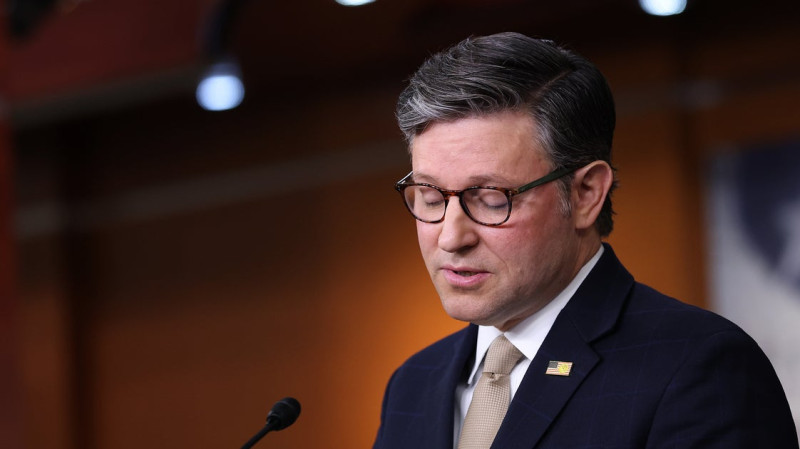
Speaker Mike Johnson, R-La., faced significant challenges in garnering support from privacy-conscious Republicans, leading to the collapse of earlier proposals for longer extensions. The urgency of the situation was palpable as the clock ticked down to Thursday night.
Section 702 of the Foreign Intelligence Surveillance Act (FISA) enables U.S. intelligence agencies to monitor electronic communications of foreign nationals outside the country. However, this program also inadvertently collects data from American citizens who communicate with these foreign targets, raising serious privacy concerns.
For nearly two decades, bipartisan efforts have aimed at reforming this program, advocating for a requirement that federal law enforcement obtain specific court approval before accessing Americans' information within the FISA database. Proponents argue that such a warrant requirement aligns with Fourth Amendment protections.
Opponents of the reforms, including top intelligence officials, warn that imposing a warrant requirement could undermine national security. Stewart Baker, former general counsel for the National Security Agency, articulated this concern during congressional testimony in January. "We shouldn't make that mistake with something as important as things like terrorism or espionage," he stated, emphasizing the potential risks involved.
Despite acknowledging the program's significance in safeguarding national security, privacy advocates contend that it currently lacks adequate protections for American citizens. "FISA is undeniably useful in protecting America against foreign attacks," Rep. Brad Knott, R-N.C., expressed on social media last week. However, he cautioned that unchecked FISA powers could infringe upon citizens' Fourth Amendment rights.

The contentious debate over these reforms has led to significant turmoil within Congress. A separate proposal with limited modifications passed the House but was quickly rejected by the Senate due to unrelated amendments concerning a hypothetical government digital currency. In a swift response, the Senate returned the 45-day stopgap measure.
The rejected House proposal included several reforms aimed at enhancing oversight, such as requiring federal law enforcement to obtain attorney approval before reviewing Americans' information and imposing criminal penalties for intentional misuse of the surveillance tool.
With only six weeks remaining, Republican lawmakers face pressure to reach a consensus on future actions, which may involve collaborating with Democrats to develop a more comprehensive reform package.