
Senators Unveil Bipartisan Legislation to Prohibit Chinese Vehicles and Auto Parts
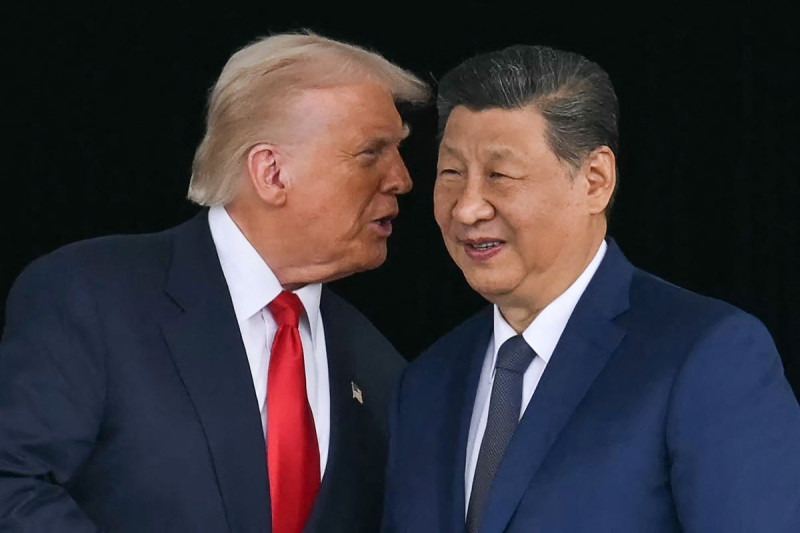
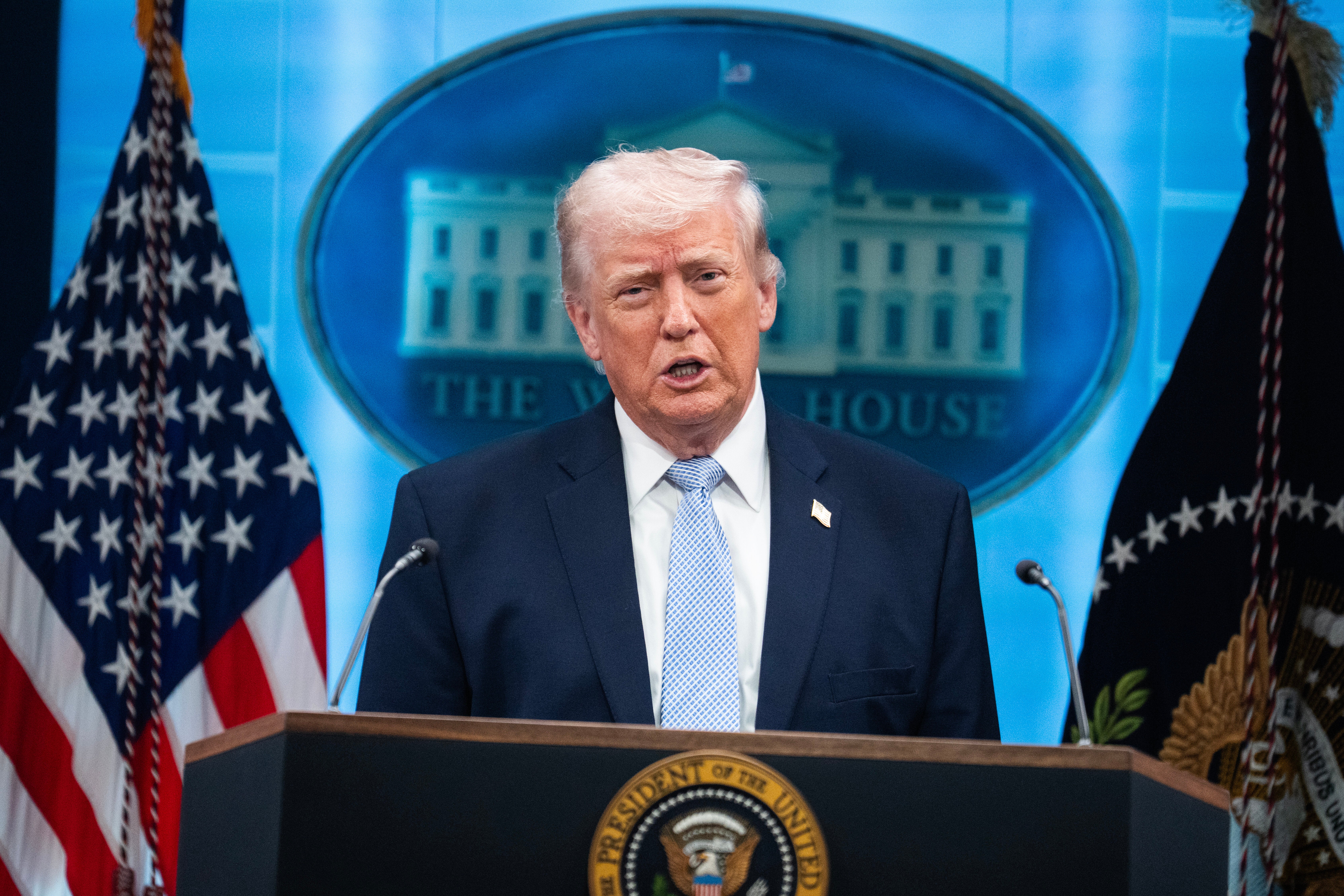
On Wednesday, a bipartisan effort emerged in the Senate as two lawmakers introduced a bill aimed at banning the importation of vehicles and auto parts manufactured in China. This legislative move comes just weeks before a highly anticipated meeting between U.S. President Donald Trump and Chinese President Xi Jinping.
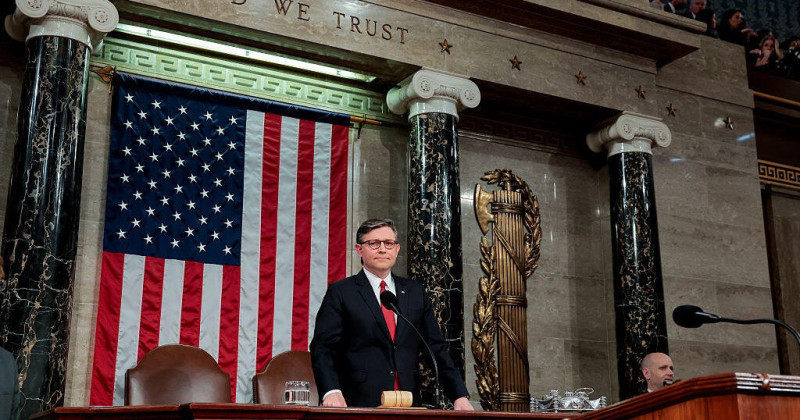
Senators Bernie Moreno, a Republican from Ohio, and Elissa Slotkin, a Democrat from Michigan, presented the Connected Vehicle Security Act. This proposed legislation seeks to prohibit not only automobiles but also parts and vehicle software produced in China or in collaboration with adversarial nations from entering the U.S. market.
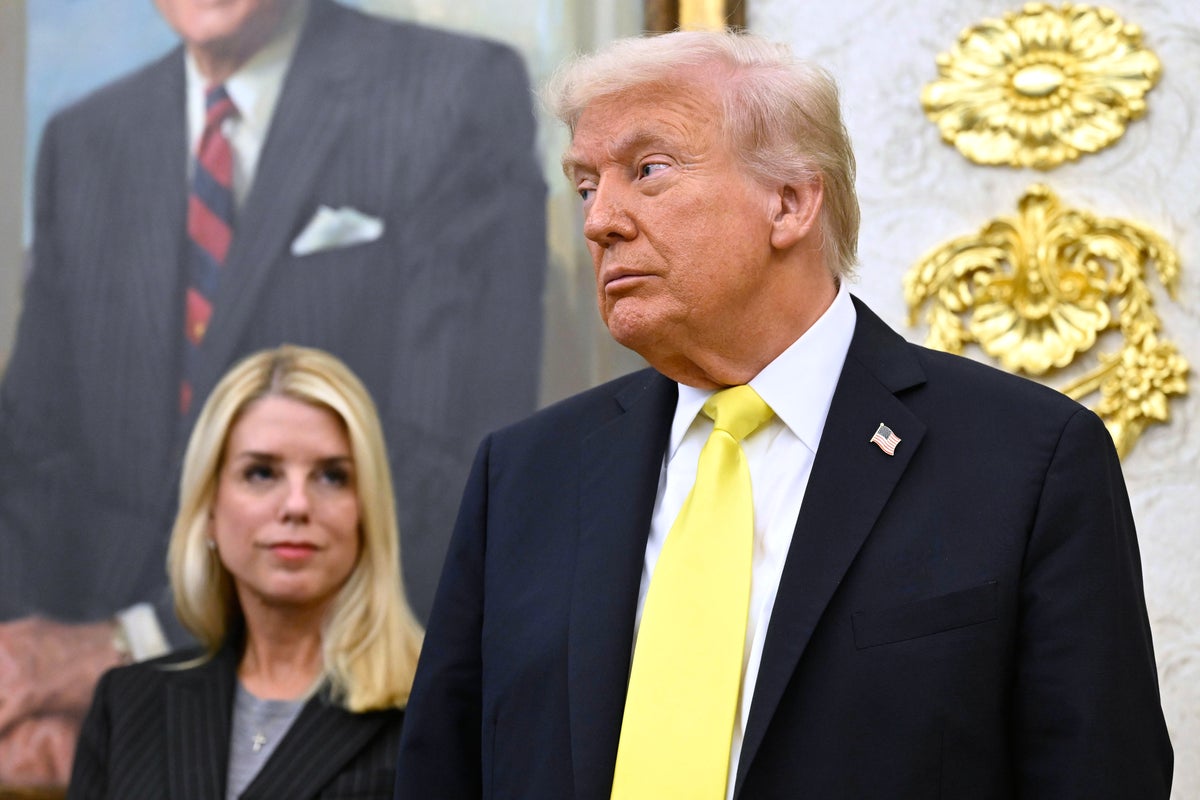
Last year, the Commerce Department implemented a rule restricting such imports, yet both senators emphasized the necessity of formalizing this initiative into law. In a related development, over 70 House Democrats recently urged Trump to prevent Chinese automakers from accessing the U.S. market ahead of his upcoming discussions with Xi. Notably, Trump had previously indicated a willingness to consider allowing Chinese automakers into the U.S. during a speech at the Detroit Economic Club in January.
Slotkin remarked that the timing of this legislation was influenced by Trump's impending meeting with Xi. “We are watching very closely what deals come out of that summit,” she stated, highlighting the urgency of the matter.

Moreno, who praised Trump’s commitment to supporting American automakers, expressed skepticism about whether this issue would be addressed during the mid-May meeting with Xi. “What we do is we take that model of the [Commerce Department’s] Connected Vehicle Rule and expand it so that [it covers] basically the entire supply chain,” he explained in an interview. “We are hermetically sealing the U.S. market from the Chinese auto industry.”
The bill has garnered support from labor unions and General Motors, indicating a strong coalition behind its introduction. United Auto Workers President Shawn Fain commented, “By building on and strengthening the existing connected vehicles rule, this legislation puts common sense guardrails on a major threat to our nation’s auto industry.”
Both Moreno and Slotkin articulated that the legislation is crucial for national security and for safeguarding U.S. automakers from being undermined by foreign competition. They raised concerns about internet-connected vehicles from China posing surveillance risks.
In the backdrop, rising fuel prices due to ongoing conflicts in Iran could inadvertently benefit Chinese auto manufacturers, who dominate much of the global electric vehicle market. “We all understand that with the economy the way it is in the United States that people are looking for cheaper cars,” Slotkin noted, acknowledging the financial pressures many Americans face.

“But as leaders, we have a responsibility to say, ‘Look, this is a driving surveillance package; it’s like TikTok on wheels,” she added. “We all understand the price constraints, but we have a responsibility to protect people’s security.”