Cuba Releases Over 2,000 Inmates During Holy Week Amid Vatican Diplomacy
Cuba has declared the release of 2,010 inmates during Holy Week, framing it as a "humanitarian and sovereign gesture" amid increasing pressure from the United States and recent diplomatic discussions involving the Vatican.
The government specified that this release targets particular groups, including youth, individuals over 60, women, and foreign nationals. Eligibility hinges on criteria such as good behavior, health status, and time already served.
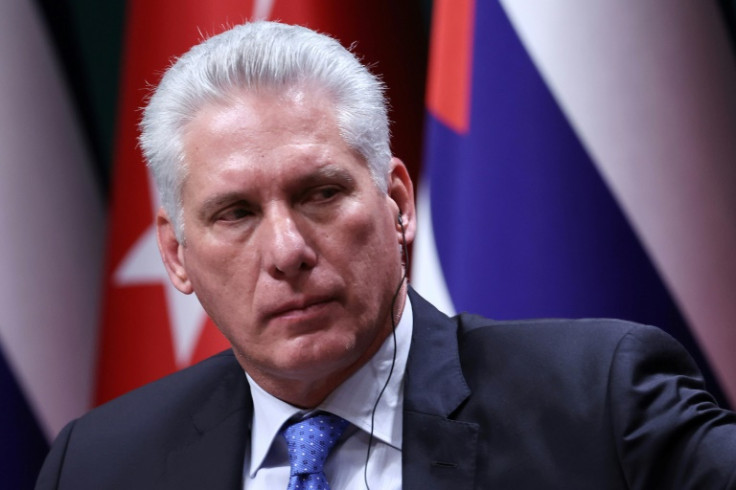
In a statement attributed to Cuban President Miguel Díaz-Canel, reported by various sources, he noted that this decision aligns with "the religious observances of Holy Week, a customary practice within our criminal justice system and a reflection of the humanitarian legacy of the Revolution."
While the identities of those being released remain undisclosed, officials clarified that individuals convicted of serious offenses like murder, sexual assault, and drug trafficking will not be included in this pardon.
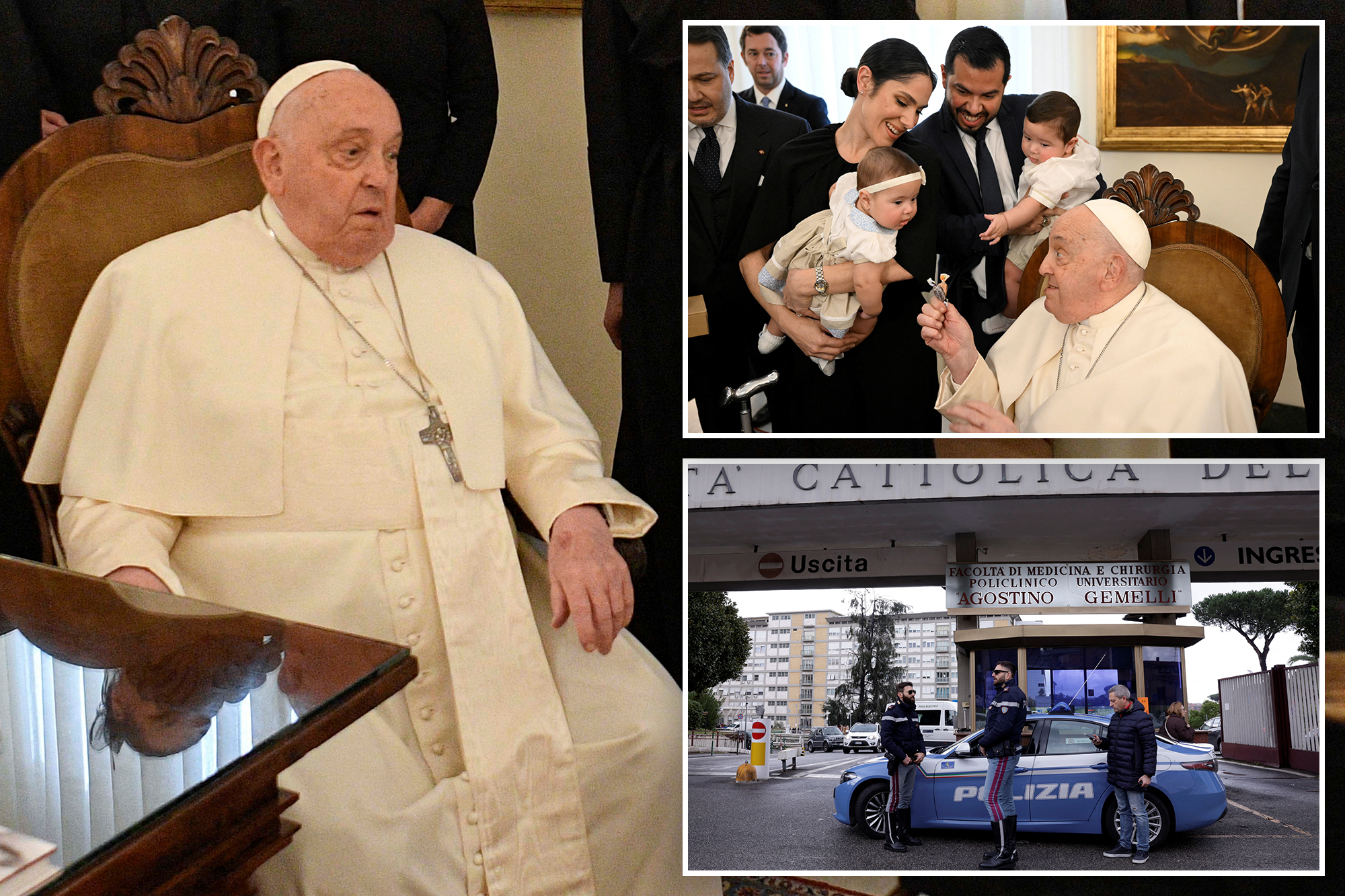
This announcement coincides with Cuba's intensified outreach to the Vatican as a mediator in its relations with Washington. The island is grappling with a severe economic crisis exacerbated by a U.S. oil blockade. Recent reports indicate that Cuban officials have engaged in high-level discussions with Vatican representatives, including Pope Leo XIV, seeking assistance to alleviate pressures that have resulted in fuel shortages and humanitarian aid disruptions.
The Catholic Church has also been instrumental in facilitating U.S.-funded aid distribution across Cuba, although fuel shortages have occasionally necessitated unconventional transport methods.
In March, Cuba released 51 prisoners in what was described as a goodwill gesture towards the Vatican. This latest announcement represents a more substantial release and follows a trend of similar actions linked to religious events or diplomatic overtures.
Experts suggest these developments may indicate gradual progress in dialogue between Havana and Washington. "It seems not far-fetched to think that this is a sign that some of the conversation between both governments is advancing," remarked Michael Bustamante, chair of Cuban studies at the University of Miami, in an interview.
The United States continues to advocate for political and economic reforms in Cuba, with prisoner releases remaining a key demand. Meanwhile, the previous administration maintained pressure on Cuba's leadership while showing limited flexibility, including permitting select oil shipments to proceed.
© 2025 Latin Times. All rights reserved. Do not reproduce without permission.