Russia Hails Oil Delivery to Cuba Amid U.S. Sanctions: 'It's Our Obligation'
In a significant move, Russia has celebrated the arrival of an oil shipment to Cuba, characterizing the delivery as a form of humanitarian aid amidst stringent U.S. sanctions that have exacerbated the island's energy crisis.
The tanker Anatoly Kolodkin, loaded with approximately 730,000 barrels of crude oil, docked in Cuban waters, marking the first delivery of its kind since January when supply issues became more pronounced.
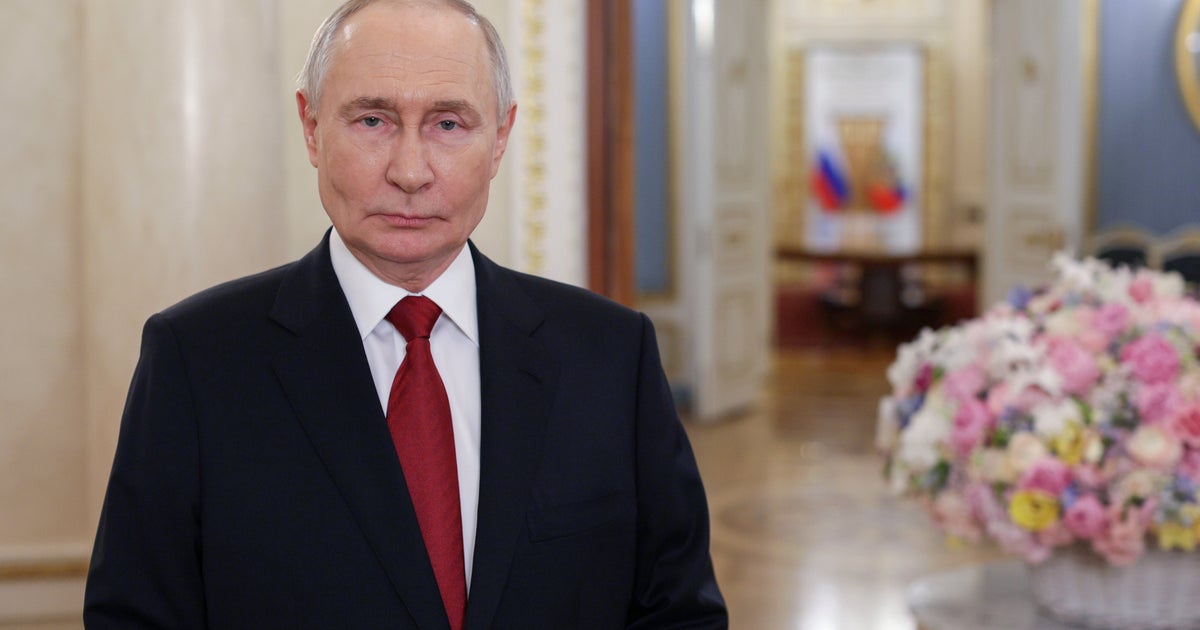
Kremlin spokesperson Dmitry Peskov articulated Moscow's perspective on the shipment, stating, "Russia considers it its duty not to stand aside, but to provide the necessary assistance to our Cuban friends." He expressed satisfaction over the successful arrival of the cargo, as reported by various sources.
Peskov further emphasized Russia's contentment with the delivery, labeling it a crucial action in light of what Moscow perceives as U.S. pressure on Cuba's energy resources. The Kremlin insists that this shipment was prearranged and is part of a larger commitment to support a nation grappling with severe shortages.
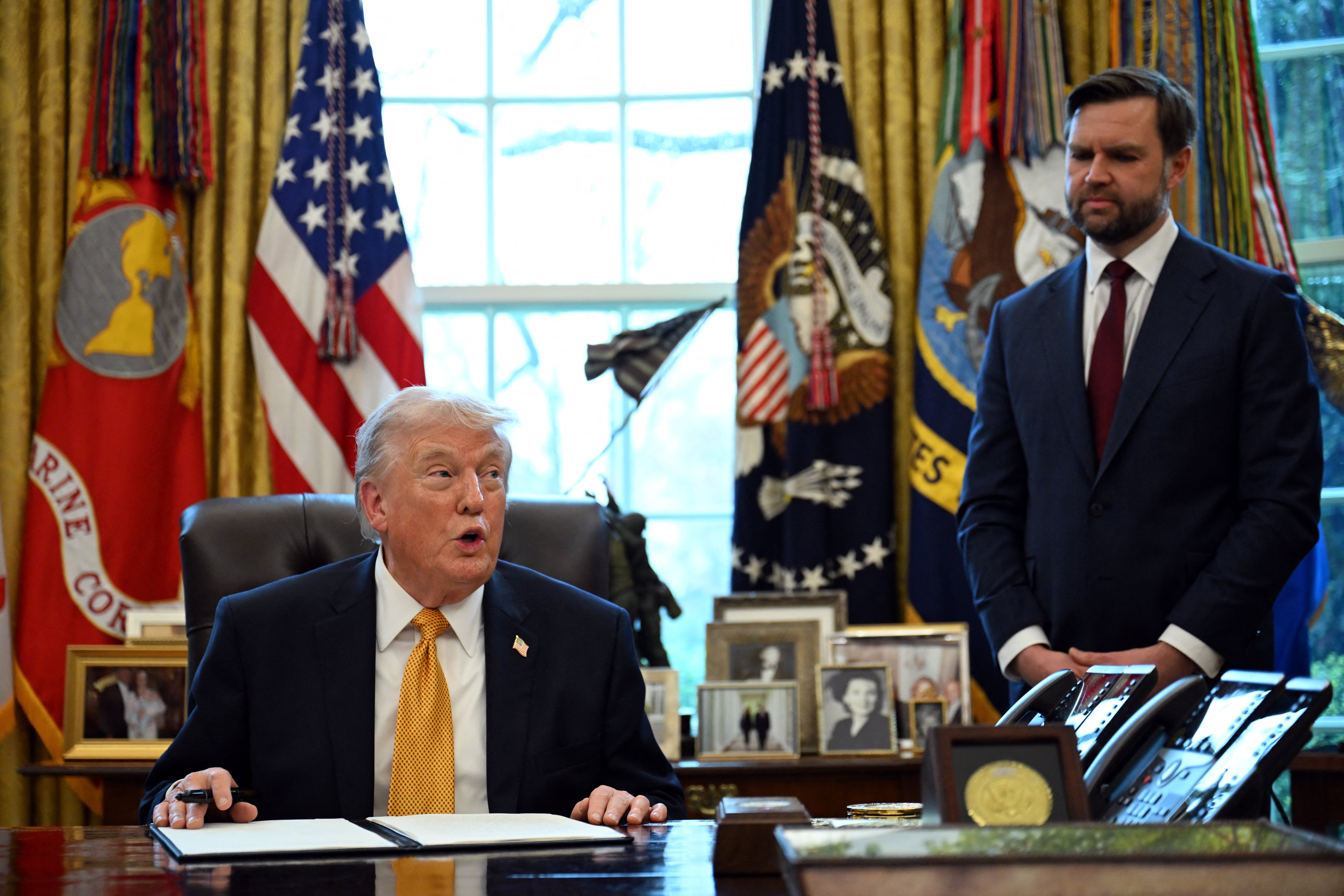
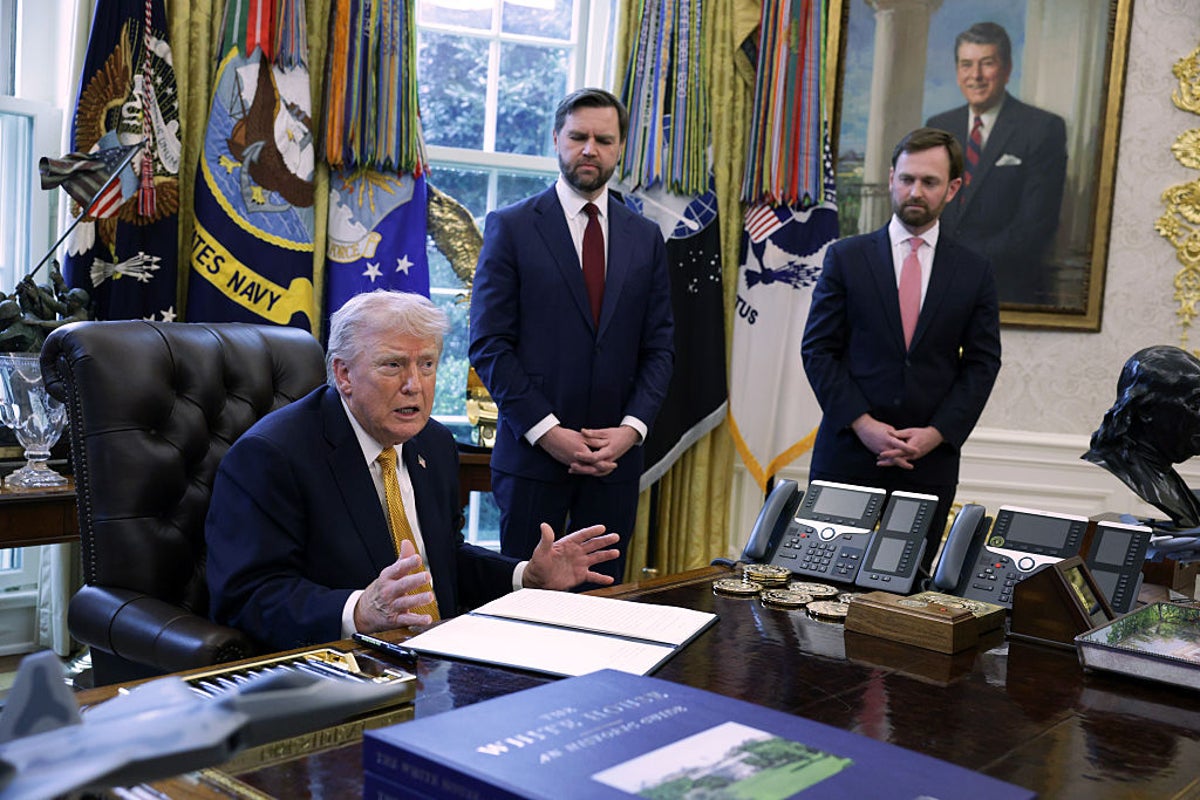
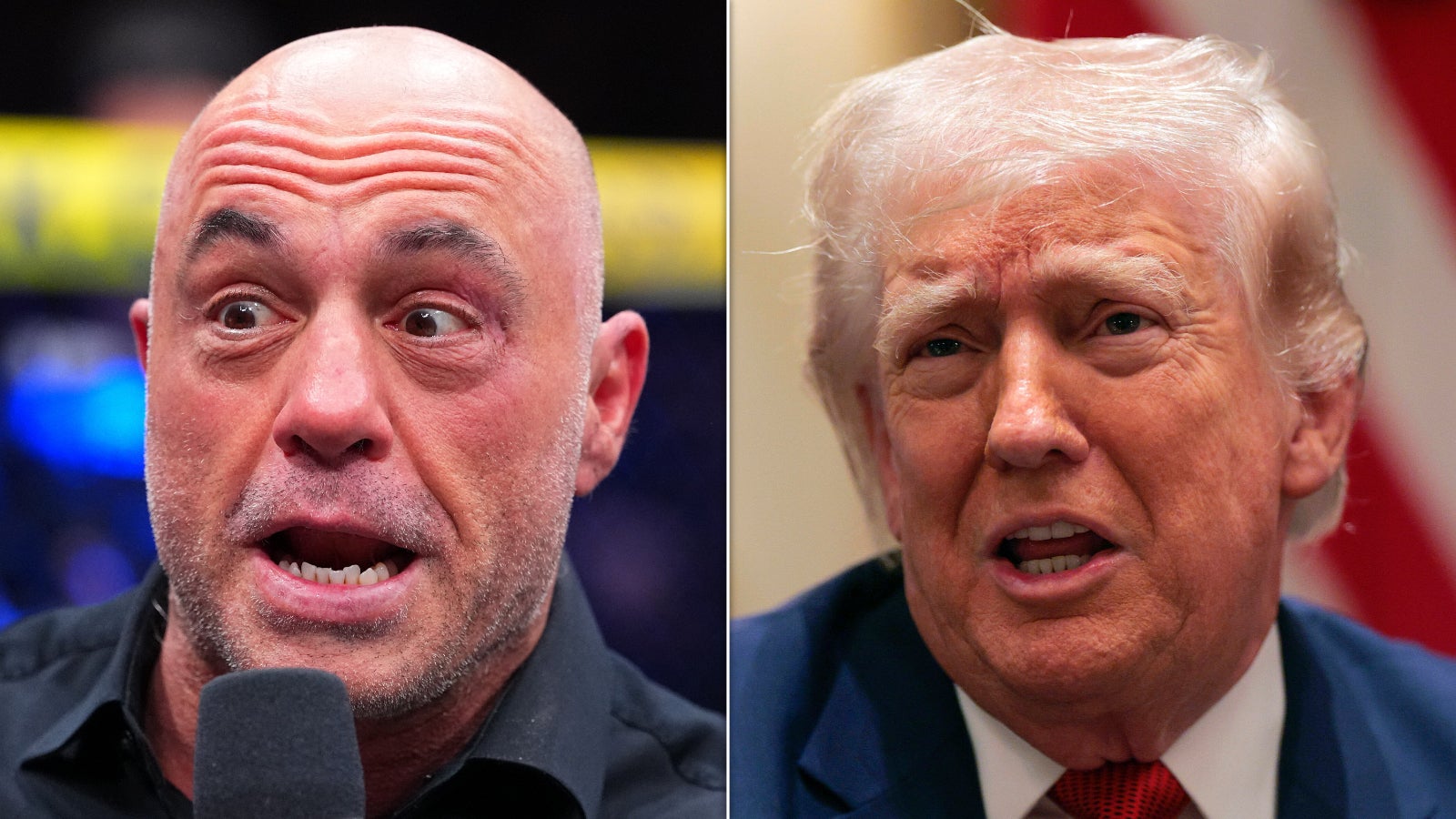
This delivery arrives against a backdrop of evolving statements from Donald Trump, whose administration had effectively enforced a fuel blockade earlier this year. Recently, Trump indicated he would not oppose nations supplying oil to Cuba, remarking, "We don't mind having somebody get a boatload because they need... they have to survive."
However, Trump also noted that the delivery would not alter Cuba's circumstances: "Whether or not they get a boat of oil, it's not going to matter." He highlighted that access to fuel remains critical for essential services like heating and electricity.
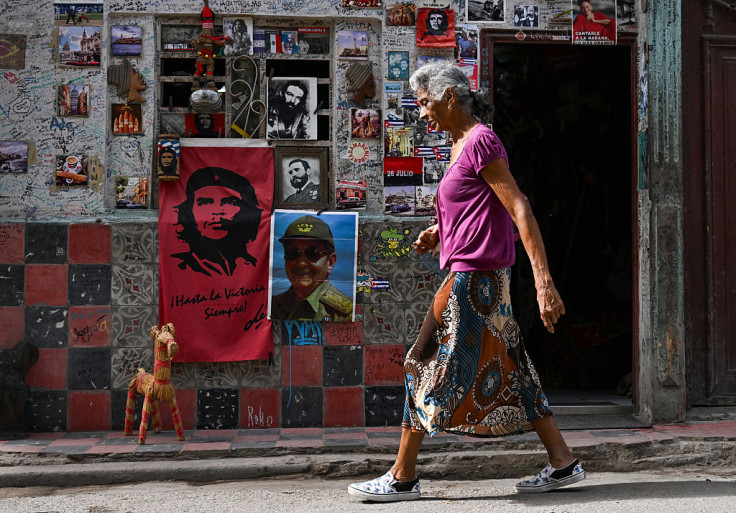
Cuban economist Elías Amor commented on the implications of the delivery, suggesting it might provide temporary relief for electricity production but would not address the underlying issues stemming from financial constraints and limited access to global energy markets.
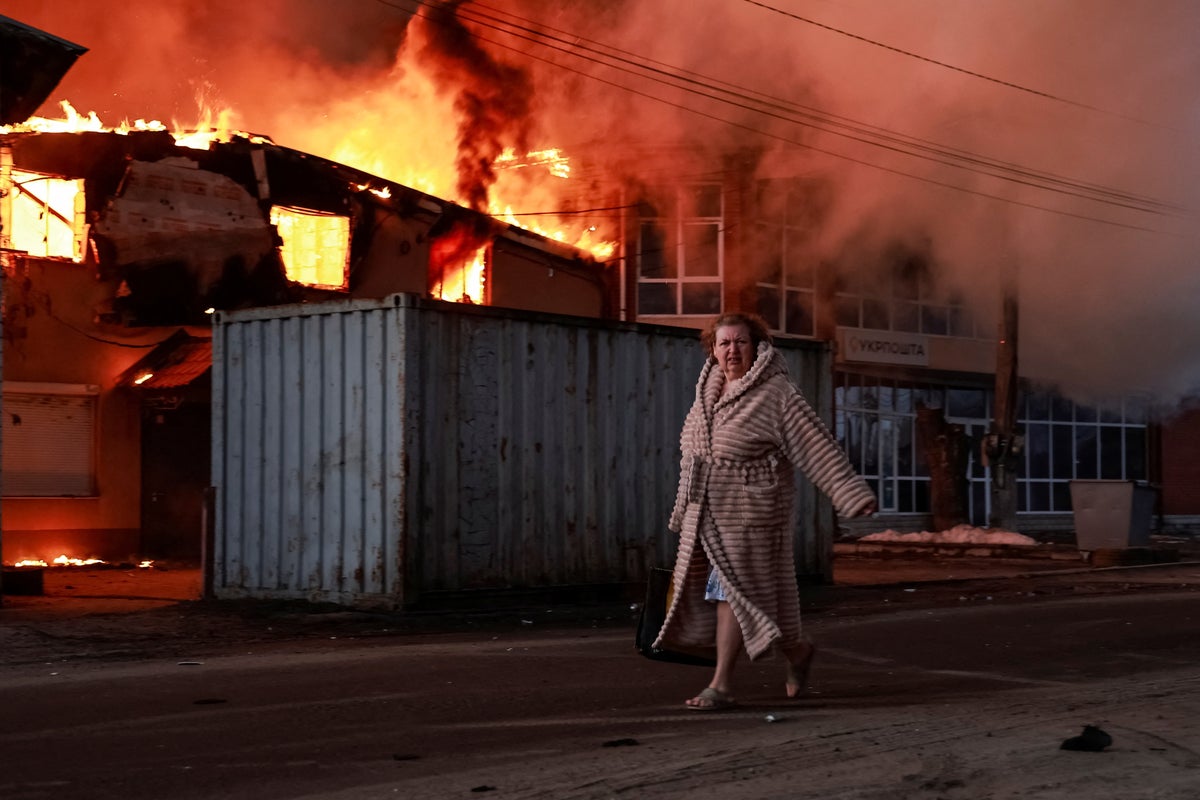
The energy crisis in Cuba has intensified since January when U.S. actions against Venezuelan leader Nicolás Maduro disrupted a vital source of subsidized oil. This disruption has resulted in daily blackouts, fuel shortages, and increased strain on essential services.
The humanitarian consequences of this crisis have garnered heightened attention. Medical professionals cited by international outlets have reported that fuel shortages are hindering hospital operations, leading to surgery cancellations and restricted access to critical treatments like dialysis and chemotherapy. The World Health Organization has also raised alarms about how energy shortages are impacting emergency and intensive care services.
© 2025 Latin Times. All rights reserved. Do not reproduce without permission.