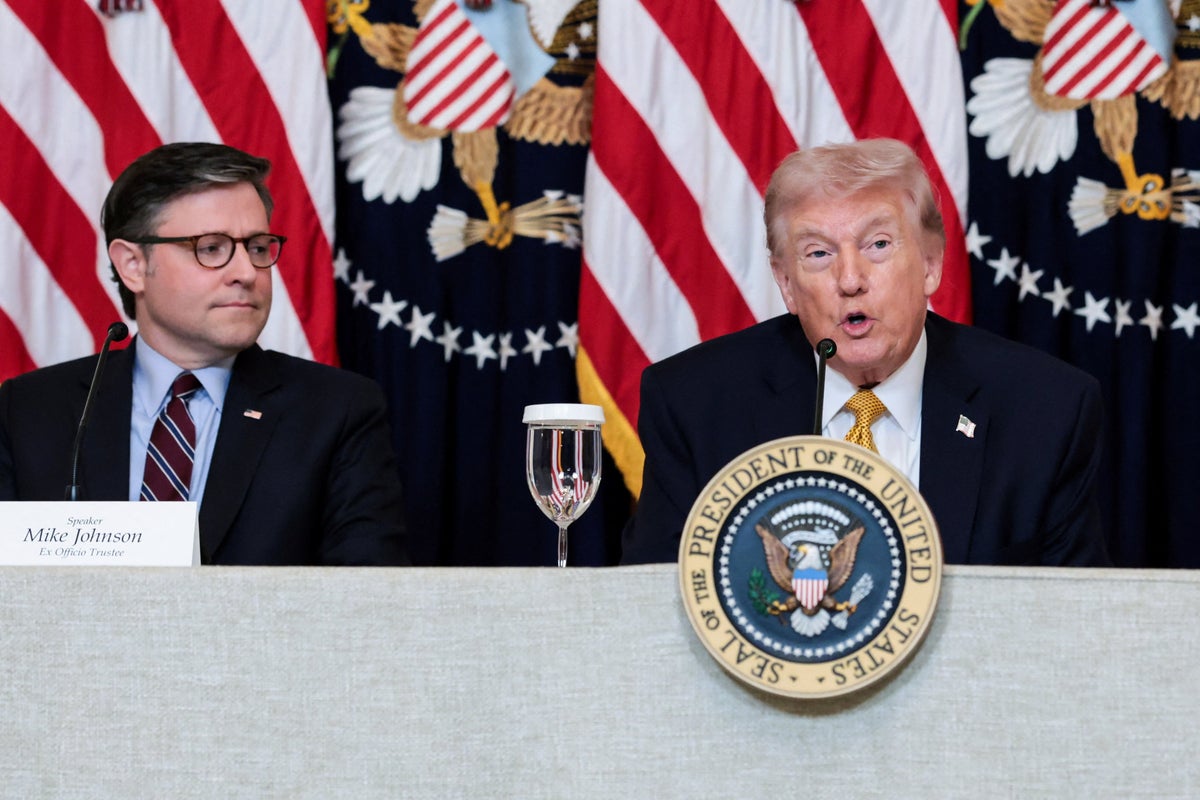

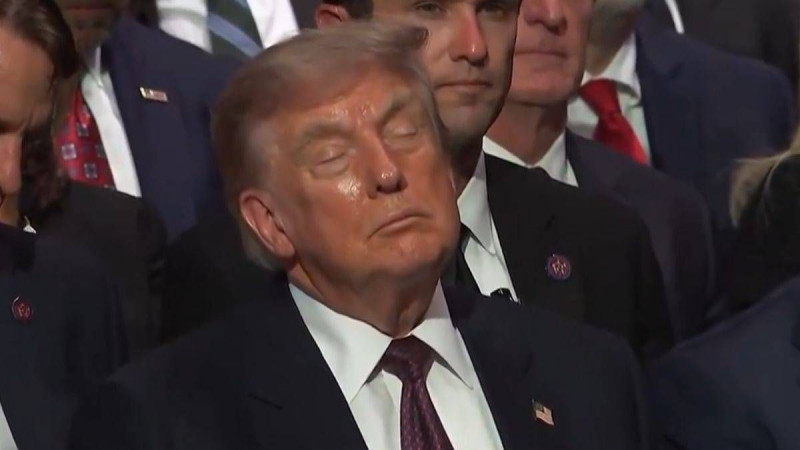

Donald Trump declared to reporters on Monday that he possesses the authority to do “anything” he wishes with Cuba, labeling the island a failed state and positioning it as his next target after Iran.
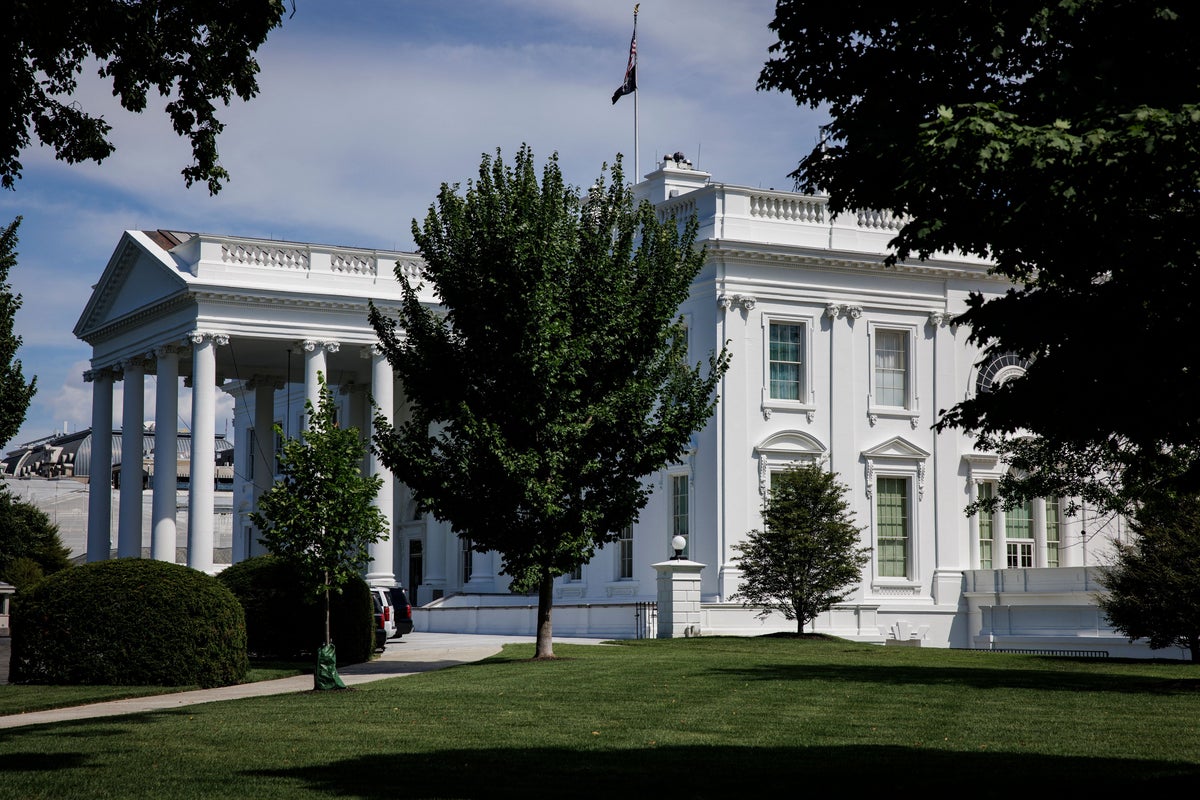
His remarks surfaced during an executive order signing ceremony, coinciding with senior officials in his administration hinting at an imminent conclusion to the conflict with Iran, yet avoiding specifics about the president’s military objectives.
When questioned about Cuba, Trump asserted he could “take” the entire island, suggesting he would likely have the “honor” of doing so. “I do believe I’ll be the honor of-- have the honor of taking Cuba. That would be good. That’s a big honor,” he stated.
“Taking Cuba?” inquired Fox’s White House correspondent, Peter Doocy.
“Taking Cuba. In some form, yeah,” Trump confirmed. “Taking Cuba.”
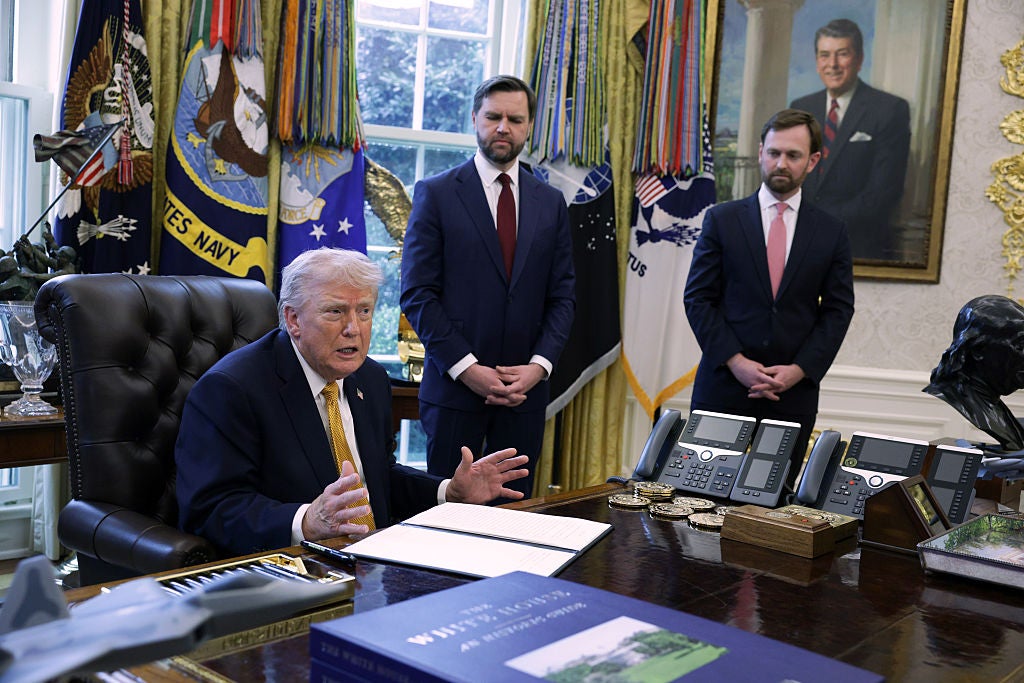
“I mean, whether I free it, or take it...I think I can do anything I want with it, to tell you the truth,” he added, reinforcing his stance.
These threats against Cuba follow a notable warning from GOP Senator Lindsey Graham, a staunch supporter of Trump’s military actions against Iran. Graham expressed enthusiasm over targeting authoritarian regimes sequentially, with Cuba next on the list. “Cuba’s next. They’re going to follow this communist dictatorship in Cuba. Their days are numbered,” he told a news outlet earlier this month.
The ongoing military campaign against Iran has resulted in significant casualties, including 13 American service members, and has now entered its third week. Trump reiterated his belief that an end is near while remaining vague about what that entails.
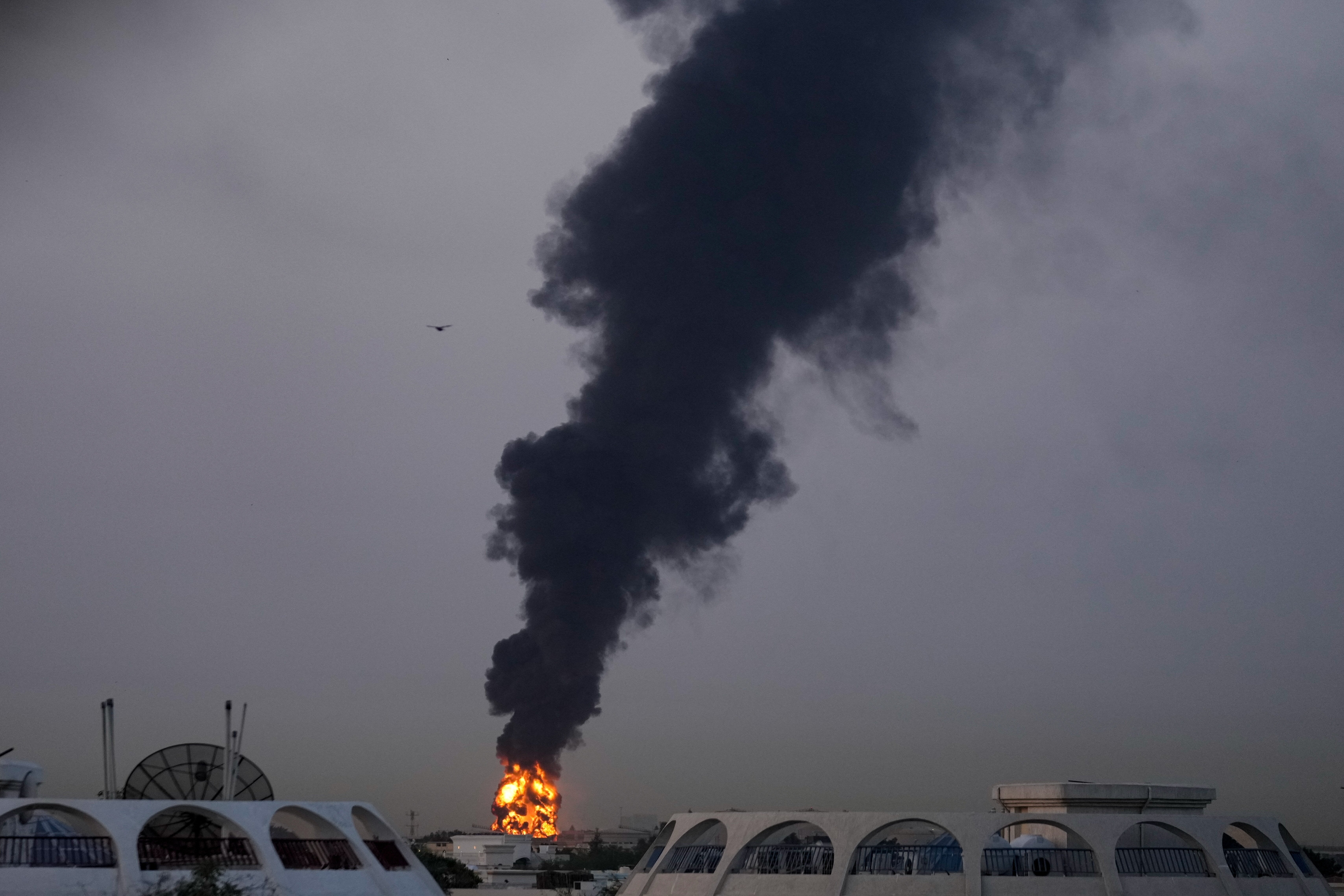
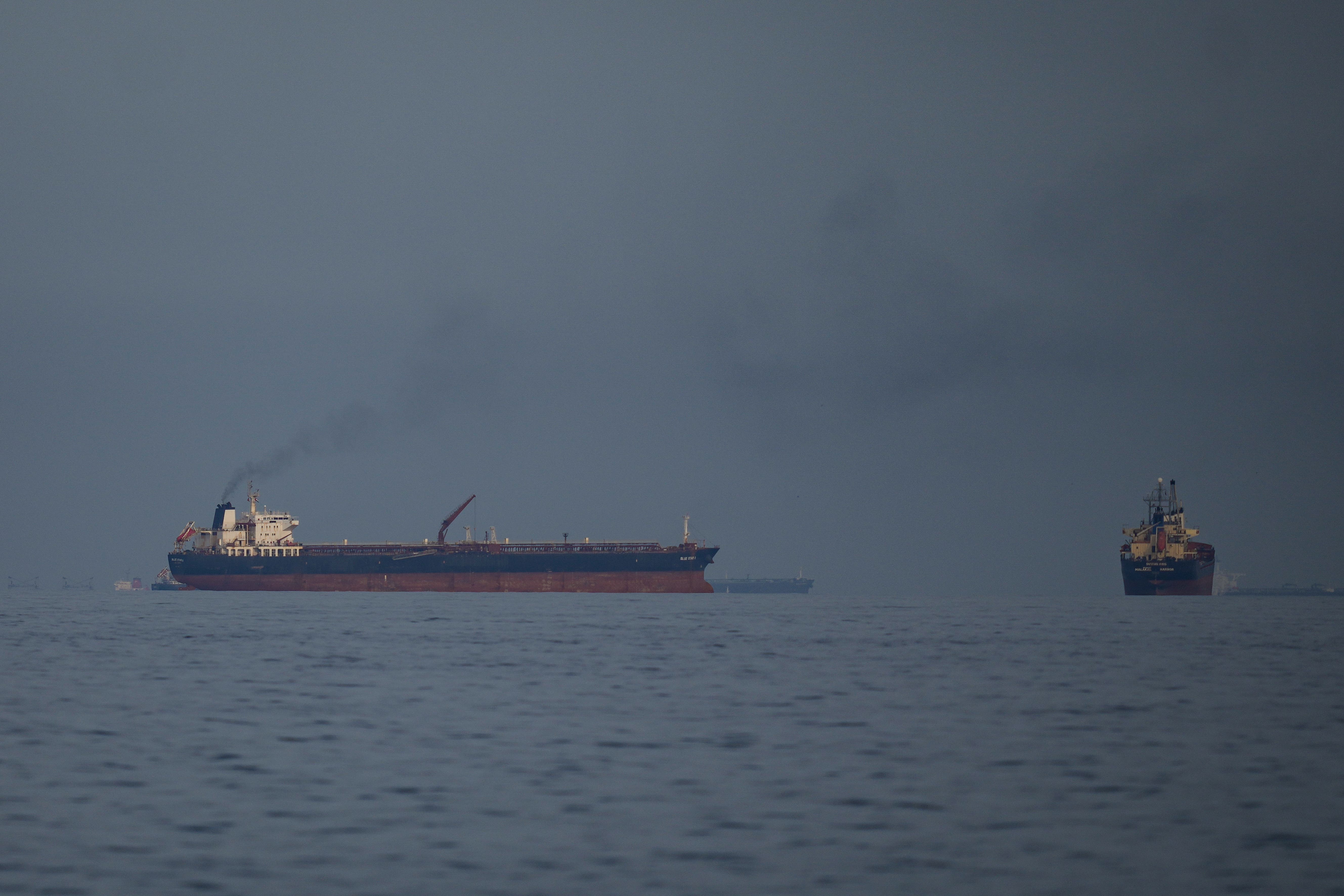
This conflict has also driven global oil prices up, as Iranian forces have obstructed the crucial Strait of Hormuz with sea mines, through which approximately 20 percent of the world’s oil tanker traffic transits annually.
Despite weeks of military engagement, Trump and his administration have not articulated clear goals for their actions, which were initially justified by claims of imminent threats from Iran’s ballistic capabilities and nuclear ambitions. As time progresses, the U.S. has not clarified what progress has been made toward neutralizing these threats, nor has it maintained its earlier suggestions of pursuing regime change in Iran.
Cuba has endured a military blockade for decades and, similar to Iran, has faced severe economic repercussions from U.S.-led sanctions. However, U.S. policy towards Cuba is rooted in its communist history and Cold War alliances with the Soviet Union. The Cuban Missile Crisis of 1962 marked a significant low point in U.S.-Cuba relations, bringing the two nations perilously close to military confrontation.
During Barack Obama’s presidency, efforts were made to ease tensions with the Castro regime, coinciding with Fidel Castro's death in 2016. This approach drew criticism from the Cuban-American exile community and was swiftly reversed by Trump upon taking office in 2017.