

Trump Discovers That Insulting Allies Makes Them Reluctant to Assist
WASHINGTON — President Donald Trump is facing a stark reality: years of insults and threats directed at traditional allies have made it challenging to rally their support in times of need.
NATO nations have shown reluctance to heed Trump’s call for warships to assist the U.S. Navy in securing the Strait of Hormuz, a critical passageway for oil tankers hesitant to navigate due to Iranian threats, which escalated following recent military actions initiated by Trump and Israel.
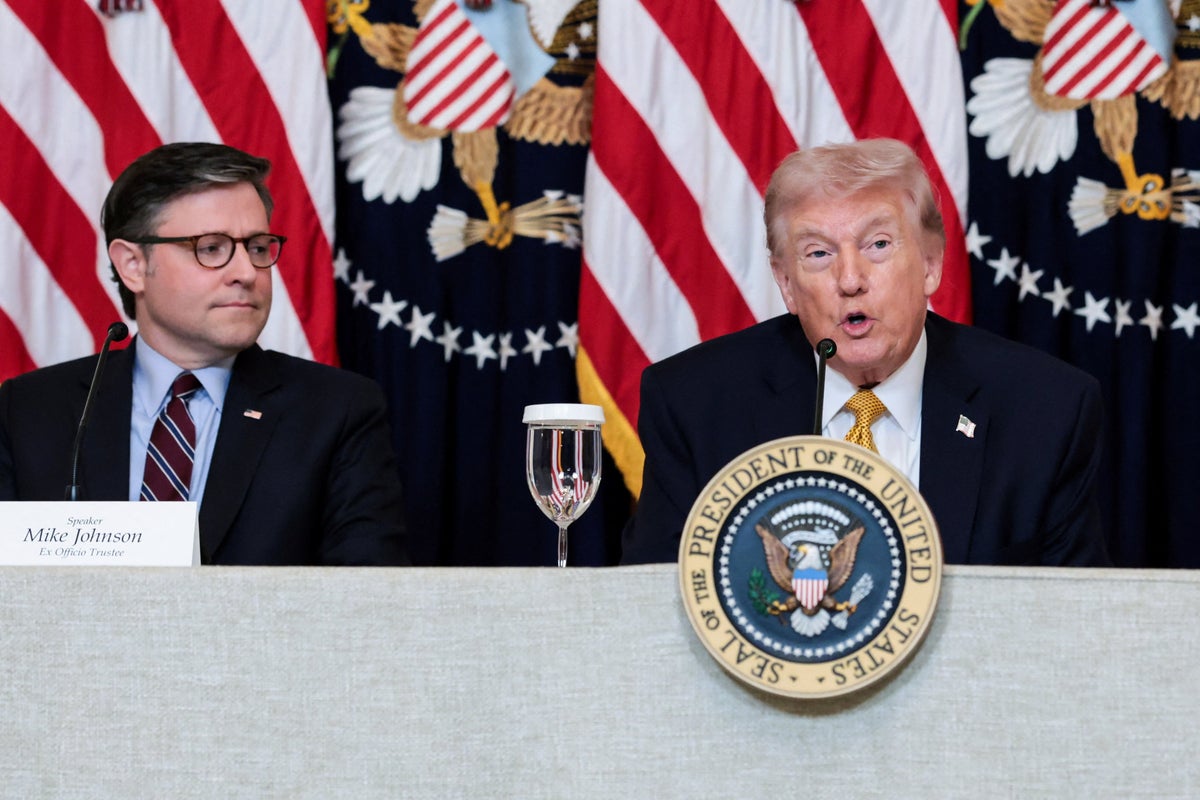
During a press briefing at the White House on Monday, Trump expressed frustration that other countries, none of which were consulted before the airstrikes commenced, were not responding with the enthusiasm he expected. “They should be in here very happily helping us,” he stated. “They should be jumping to help us because we’ve helped them for years.”
For years, Trump has labeled NATO allies as freeloaders, mischaracterizing the alliance as a protection scheme where nations owe “dues” to the United States. His approach has raised eyebrows among former officials. “Trump doesn’t understand how alliances work. He wants what he wants when he wants it. It’s just that simple,” remarked John Bolton, a former national security adviser who revealed Trump’s intentions to withdraw from NATO had he secured reelection in 2020.
Upon returning to office last year, Trump made headlines by belittling Canada and suggesting it should become the 51st state, while also threatening to seize Greenland from Denmark, another NATO ally. These comments, though largely dismissed as unserious domestically, sparked a prolonged diplomatic crisis in Europe.
Now, after launching attacks on Iran without consulting allies, Trump is bewildered by their hesitance to deploy ships and personnel to mitigate the energy crisis he has exacerbated, which has driven domestic gasoline prices up by over 70 cents per gallon.
On Monday, Trump reiterated his unfounded assertion that NATO would not support the U.S. in times of need: “I always said when in need they won’t protect us.” In reality, Article 5 of the NATO charter, which states that an attack on one member is an attack on all, has only been invoked once — after the September 11 attacks.
However, Trump seems to misinterpret Article 5 as obligating NATO members to join the U.S. in offensive wars, which it does not. “He’s so confused. He never did understand NATO,” commented Jim Townsend, a former Defense Department staffer now affiliated with a think tank.
Jan Techau from the Center for European Policy Analysis noted that Trump appears indifferent to the treaty's actual language. “He looks at dependencies, power relationships. If he thinks he can put pressure on NATO members that way, he does it,” he explained.
So far, this strategy has yielded little success. German Defense Minister Boris Pistorius questioned what assistance Trump expects from European frigates that the robust U.S. Navy cannot provide: “This is not our war; we have not started it.”
British Prime Minister Keir Starmer expressed support for reopening traffic through Hormuz but clarified that the UK would not be drawn into a broader conflict with Iran.
Interestingly, Denmark, previously threatened by Trump, offered one of the more conciliatory responses. Foreign Minister Lars Lokke Rasmussen stated, “We must face the world as it is, not as we want it to be,” as he entered a European Commission meeting focused on addressing the situation in Hormuz.
Trump claimed on Monday that “numerous” nations would send warships to assist in restoring tanker traffic but declined to specify which countries would participate.
His statements continued a pattern of contradictions that raise questions about his grasp of the conflict. He sought assistance for his Iran strategy while simultaneously asserting he didn’t require any help. He claimed to have “obliterated” Iran’s military capabilities but acknowledged that ship owners remain wary of sending vessels through the strait.
“Every one of them is gone,” he said regarding mine-laying boats, “but it only takes one.”
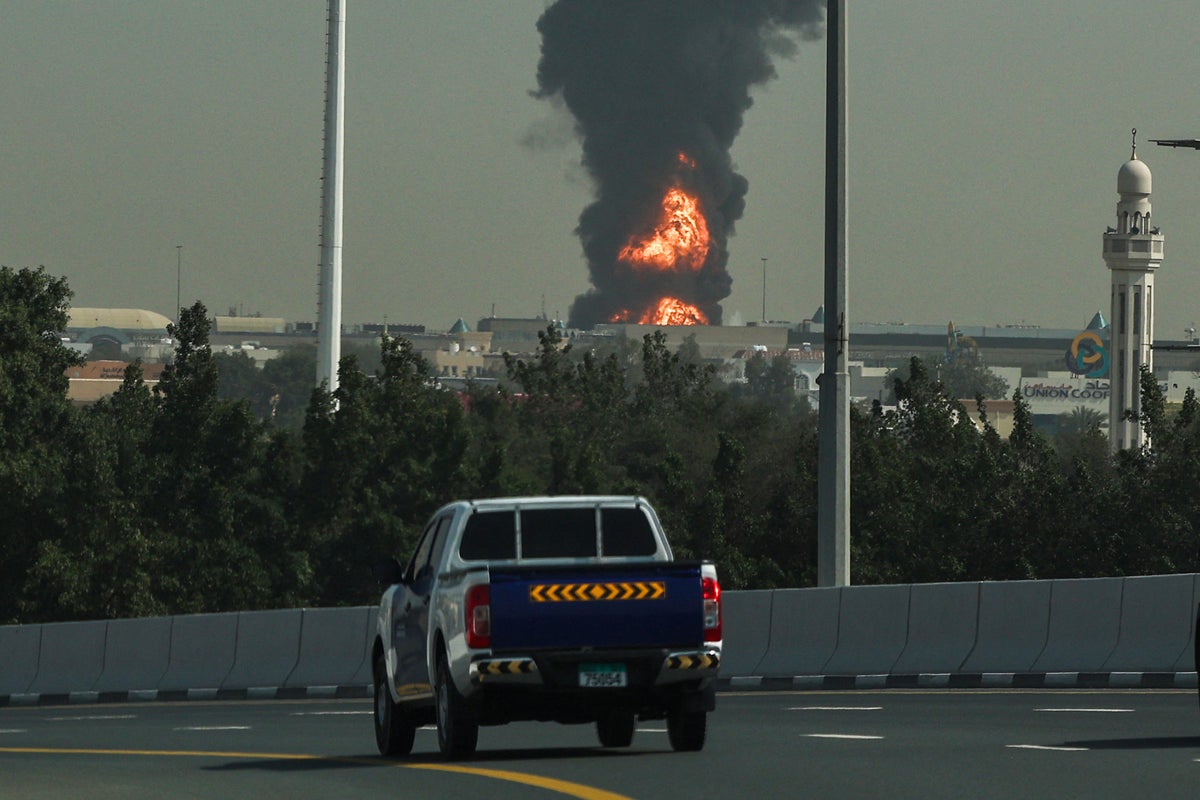
Trump also revealed a lack of understanding regarding the risks associated with initiating what has become the largest U.S. military engagement in two decades. “They weren’t supposed to go after all these other countries in the Middle East,” he remarked about Iran’s actions against nations hosting U.S. military bases. “So they hit Qatar, Saudi Arabia, UAE, Bahrain, Kuwait. Nobody expected that. We were shocked.”