
Democrats Go All-In on Anti-Corruption Pledge Ahead of Midterms
More than 200 Democratic candidates are throwing down the gauntlet, signing a bold pledge to reject corporate PAC donations, ban stock trading while in office, and tackle the shadowy world of “dark money” in elections. This sweeping commitment signals a fierce embrace of anti-corruption messaging as the 2026 midterm elections loom large.
But hold on—despite this united front, voters in key battleground districts aren’t exactly rolling out the red carpet for Democrats when it comes to cleaning up Washington’s corruption. The party faces an uphill battle to convince the electorate that they’re the ones to trust.
“Candidates get it; they need a proactive reform agenda,” Tiffany Muller, president of End Citizens United, the group behind the pledge, stated. “What we’re witnessing from this administration is unprecedented corruption. It’s not just about winning; it’s about building momentum for real reform.”
End Citizens United first made waves in 2018 by urging candidates to shun corporate PAC money. Now, with over 200 candidates on board for the new “Unrig Washington” pledge, they’ve surpassed their previous record with six months still to go before the midterms.
Anti-corruption rhetoric was a hot topic in 2018 when Democrats faced off against the Trump administration, and many insiders predict it will dominate this election cycle as well.
The list of signatories is impressive, featuring top contenders like Rep. Chris Pappas, New Hampshire’s Senate nominee; Maine oysterman Graham Platner; Illinois Lt. Gov. Juliana Stratton; and all leading Democratic candidates in Colorado’s competitive 8th District, plus both Democratic hopefuls in Nebraska’s 2nd District.
A memo set to drop Monday suggests candidates leverage anti-corruption arguments to amplify their messages about affordability. Polling reveals that three-quarters of voters believe corruption directly impacts healthcare costs, while two-thirds think it affects grocery prices and everyday expenses.
“These findings are crucial because corruption isn’t competing with affordability; it’s intertwined with it,” the group emphasized. “This creates a significant opportunity for Democratic candidates.”
Muller pointed to Sen. Jon Ossoff (D-Ga.) as a prime example of successfully merging these issues. “Nobody is articulating this better than he is right now,” she remarked.
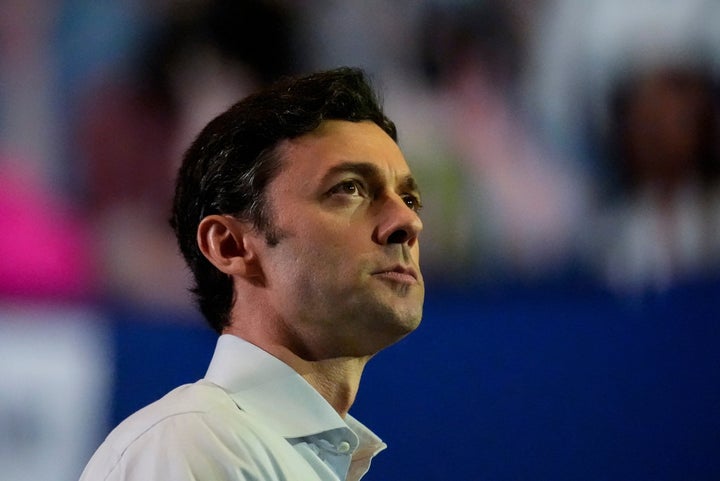
Ossoff, running for reelection in a swing state, faces potential vulnerability this cycle. However, with a GOP primary field lacking a clear frontrunner and his strong messaging, both parties are increasingly confident he’ll emerge victorious in November.
“As you pay more for everything, the first family’s wealth is skyrocketing,” Ossoff declared at a rally in Augusta, Ga., last month. “They’re crooks, and everyone knows it.”
Yet, while Ossoff may have an edge on this issue, the same cannot be said for the party overall. A Change Research survey of voters in 62 battleground House districts found that while 42% ranked corruption among their top three concerns, a plurality—46%—trusted neither party to clean up Washington’s act. Only 28% trusted the GOP, while 26% leaned toward Democrats. Overall, the poll showed Democrats with a narrow 45% to 40% lead on the generic ballot.
Muller understands why Democratic supporters watching rampant self-dealing from the Trump administration might feel disillusioned. “Voters are saying ‘a plague on both your houses; I don’t trust any of you,’ which is frustrating given what we see daily from this administration,” she noted. “It’s not enough to just point fingers at Republicans or Trump; we need a proactive message.”
She also recognized that gaining traction on this issue might require Democrats to venture into uncomfortable territory. End Citizens United has polled on anti-corruption ideas typically favored by conservatives, like term limits, and found them popular among voters.
“We need to push our side further because voters are fed up,” she asserted. “That’s why Trump could run on this in 2016 and again in 2024.” While she stopped short of endorsing term limits outright, she hinted at exploring policy reforms beyond what’s outlined in the Unrig Washington pledge.