


Elderly Advocates Rally for Immigrant Caregivers as Supreme Court Reviews Trump’s TPS Policy
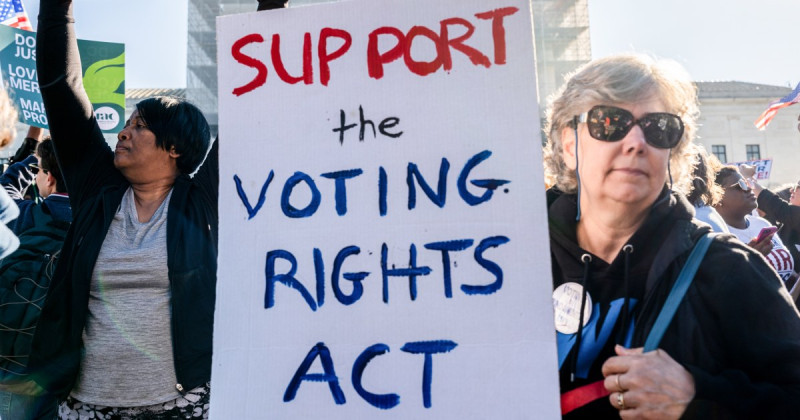
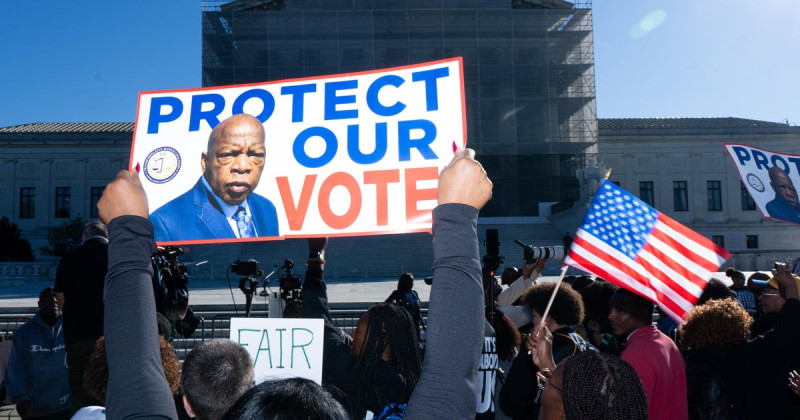
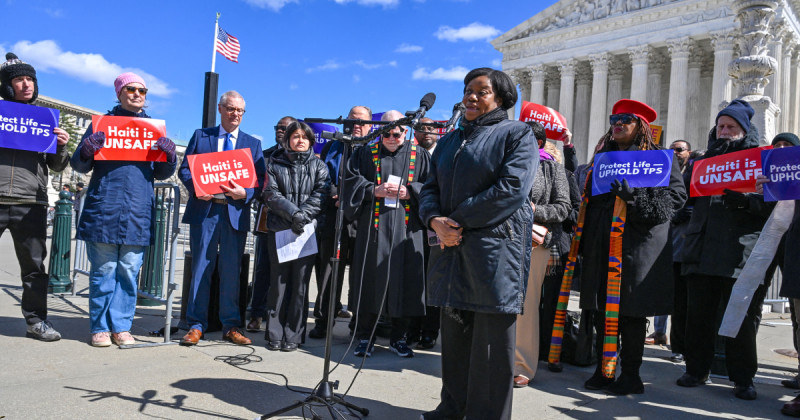
On April 28, 2026, a group of senior citizens gathered outside the U.S. Capitol, passionately advocating for Temporary Protected Status (TPS) for immigrant caregivers.
At 82 years old, Rita Siebenaler has become a vocal advocate in the immigration debate. The granddaughter of Irish immigrants, she believes that those seeking a better life in the U.S. deserve support.
"This is a way of paying back for that gift," Siebenaler stated, reflecting on her family's history.
Living in an independent facility in northern Virginia, Siebenaler has witnessed the dedication of immigrant caretakers firsthand. Her late husband, a U.S. Army Russia specialist, received care from individuals hailing from Ghana, Sierra Leone, and Haiti.
"They provided him with tender loving care," she recalled, noting that many of these caregivers held TPS, a designation allowing them to live and work in the U.S. due to unsafe conditions in their home countries.
As the Supreme Court deliberates on a case that could affect over 1 million TPS holders, Siebenaler has found her voice amidst the rain-soaked crowd.
"As you age, despite your good habits, your bodies fail," she said, surrounded by fellow seniors in raincoats and ponchos. "Some assistance comes from families, but often it comes from caretakers."
The U.S. faces a looming caregiver shortage, with research from PHI estimating a need for nearly 10 million caregiving jobs in the next decade. Siebenaler questions the rationale behind reducing this essential workforce.
"This has a tremendous impact on American seniors," she emphasized. "Hundreds of thousands turn 65 every year. Who's going to care for them?"

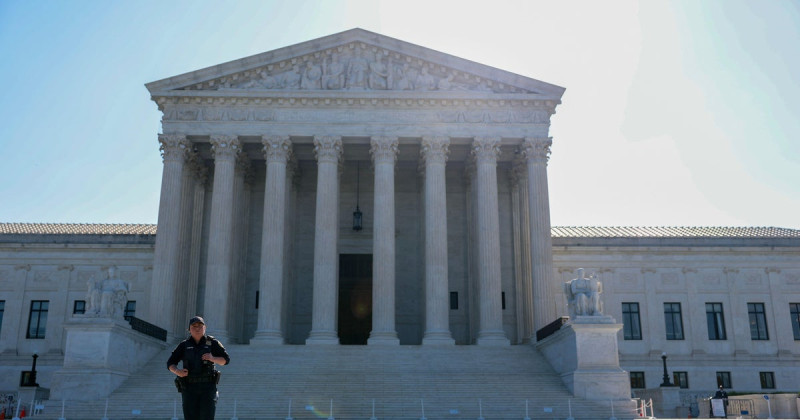
On Wednesday, the Supreme Court heard arguments regarding the Trump administration's termination of TPS for over 300,000 Haitians and 6,000 Syrians. TPS was initially granted to Haitians following the devastating 2010 earthquake and to Syrians amid civil war in 2012.
The Trump administration contended that TPS is intended to be temporary, not a permanent solution. Former Homeland Security Secretary Kristi Noem cited improved conditions in some countries as justification for the cancellations, despite ongoing warnings from the State Department about persistent dangers.
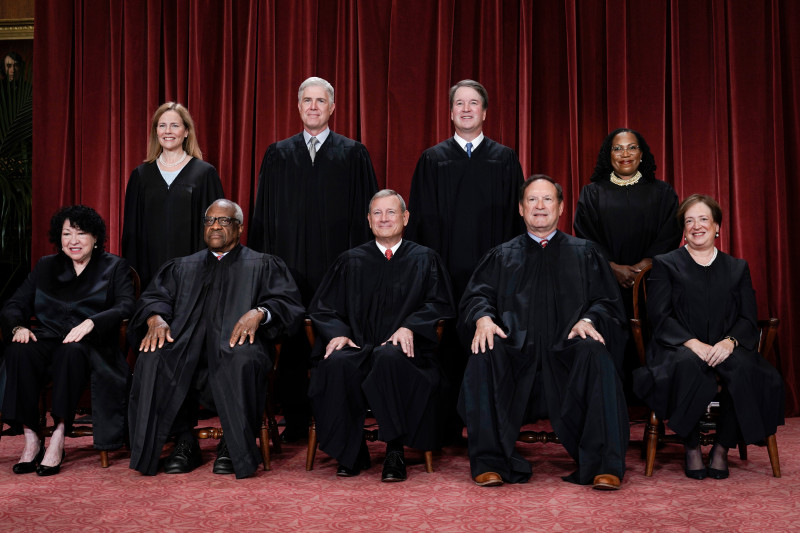
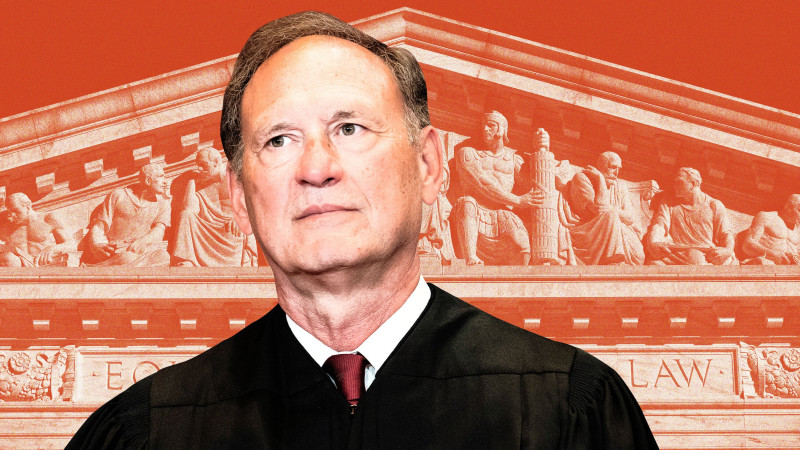
The justices, averaging 65 years old, are now tasked with determining whether proper procedures were followed in terminating TPS for these groups.
Siebenaler hopes they will also consider the human cost of displacing valuable workers. According to FWD.us, over 20,000 Haitian TPS holders work as nursing assistants or caregivers.
Immigrants make up more than a quarter of home health aides and nursing assistants nationwide—a figure that continues to rise, as noted by PHI.
During her 16 years at Goodwin Living, where 40% of staff are immigrants, Siebenaler has observed that many caregivers come from cultures that honor elders and view caregiving as a noble profession.
"They've already been vetted and have work permits; they should be allowed to continue," she asserted. "We need them."
Goodwin Living has already faced challenges due to workforce reductions. Four Haitian dining workers lost their authorization after the cancellation of a humanitarian parole program last year.
"Our kitchen serves a thousand meals a day. Suddenly losing two Haitian cooks and two kitchen utility workers had a significant impact," Siebenaler explained.

Additionally, three TPS holders from El Salvador also lost their work authorization, creating anxiety among remaining staff.
At the Capitol rally, Siebenaler was joined by Congresswoman Ayanna Pressley, who recently led efforts to pass a bill extending TPS for Haitians for three years. Siebenaler witnessed the House vote pass with a narrow margin of 224 to 204.
"It was thrilling," she said of the experience.
The bill now moves to the Senate, where it faces significant hurdles due to Republican control.
For now, Siebenaler's attention is fixed on the Supreme Court's decision.
"I'm concerned. I'm anxious. I hope the justices draw on the best legal precedents and do something truly beneficial for our Temporary Protected Status workers," she expressed. "I'll be saying prayers."