
Supreme Court Considers Trump's Bid to Eliminate Protections for Haitian and Syrian Immigrants
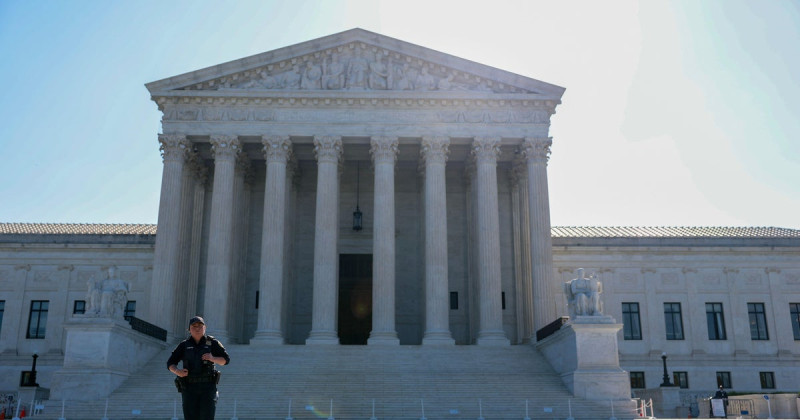
WASHINGTON — Oral arguments unfolded at the Supreme Court regarding the administration's initiative to revoke legal protections for Haitian and Syrian immigrants residing in the United States, a move that could jeopardize the status of thousands.
Should the administration prevail, it would proceed with plans to eliminate temporary protected status (TPS) for approximately 350,000 Haitians and 6,000 Syrians. For now, these protections remain intact.
Established in 1990, the TPS program offers humanitarian relief to individuals from nations grappling with war, natural disasters, or other crises. Beneficiaries are granted legal status in the U.S. and can apply for work authorization for up to 18 months, with possible extensions.
Haitians have been eligible for TPS since a devastating earthquake struck their country in 2010, while Syrians gained access in 2012 amid a civil war under the regime of Bashar al-Assad, who was ousted in 2024.
Former Homeland Security Secretary Kristi Noem asserted that conditions in Haiti and Syria had improved, thus no longer warranting protected status.
The Trump administration has also sought to revoke TPS for individuals from other nations, including El Salvador, Honduras, Nepal, and Afghanistan. The Supreme Court's ruling could influence ongoing litigation concerning countries like Somalia, Myanmar, and Ethiopia.
Much of Wednesday's discussion revolved around whether the judiciary has any authority to review an administration's decision to terminate TPS.
Solicitor General D. John Sauer argued that Noem’s decisions regarding TPS revocation are not subject to judicial review. He referenced federal law governing TPS, claiming it "bars judicial review of both the secretary’s ultimate decision whether to designate, extend or terminate and of each antecedent step along the way to that determination."
Opposing counsel contended that Noem failed to adequately consult relevant departments and agencies before deciding to terminate TPS. One attorney suggested that Trump's remarks about immigrants indicated a motive rooted in "racial animus" against Haitians.
Geoffrey Pipoly, representing Haitian plaintiffs, stated, “the true reason for the termination is the president’s racial animus towards non-white immigrants and bare dislike of Haitians in particular.”

Pipoly further elaborated on Trump's derogatory comments about Haitian TPS holders, recalling statements where he referred to Haiti as a "shithole country" and made unfounded claims about Haitians harming pets.
Ahilan Arulanantham, advocating for Syrian plaintiffs, emphasized that while the Homeland Security secretary can terminate TPS, "he must turn square corners" and adhere to congressional guidelines.
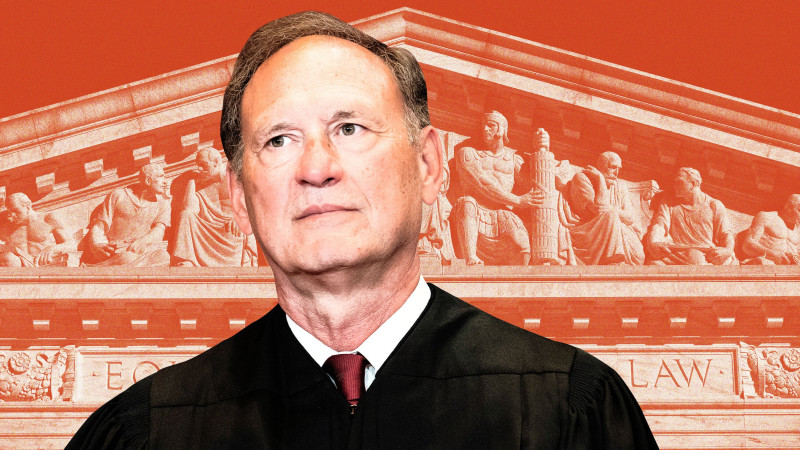
Conservative justices challenged Arulanantham on the courts' ability to contest a TPS determination. Justice Samuel Alito questioned the meaning of "determination," expressing confusion over how the plaintiffs could succeed under its ordinary interpretation.
Justice Clarence Thomas similarly pressed Arulanantham on what issues might be reviewable, noting the statute's broad language.
The three liberal justices appeared inclined to oppose the administration. Justice Sonia Sotomayor highlighted Trump's past derogatory remarks about migrants, questioning how they did not suggest a discriminatory motive behind the decision.
Sauer countered that Trump's comments were unrelated to race; however, Sotomayor pointed out that Trump criticized migrants from predominantly non-white countries while expressing a desire for more migrants from Europe.
Last year, the Supreme Court allowed the administration to revoke similar legal status from 600,000 Venezuelans in the U.S. The Trump administration argued that these actions set a precedent applicable to Haitian and Syrian immigrants as well.
Despite claims that conditions in Haiti and Syria no longer necessitate TPS, the State Department currently advises against travel to both nations, listing them on its “do not travel” list.
The State Department warns that “Haiti has been under a State of Emergency since March 2024," citing rampant crime including robbery and kidnappings. In Syria, it states that “no part of Syria is safe from violence.”
Without TPS, affected individuals face deportation through standard legal channels but may pursue other options to remain in the U.S., such as asylum claims.

A judge in Washington ruled in February that Noem did not follow proper procedures when terminating TPS for Haitians, citing evidence of “anti-black and anti-Haitian animus.”
This ruling referenced an X post from December where Noem stated: “WE DON’T WANT THEM. NOT ONE,” alongside Trump’s “shithole country" remark.
In another case, a federal judge in New York ruled favorably for seven Syrians who had either received or applied for legal status under TPS. Appeals courts declined to suspend these lower court decisions.
Lawyers representing Haitian challengers warned that individuals would “risk death” if returned to Haiti. They cited Trump's 2024 election comments alleging that Haitians were harming pets as evidence of racial bias.
For Syrian plaintiffs, lawyers highlighted regional instability due to unrest in neighboring Iran and questioned why the Trump administration sought an emergency ruling when some Syrians with TPS have resided in the U.S. for over a decade.
The Trump administration requested immediate permission from the Supreme Court to revoke TPS for both groups; however, justices opted in March to hear oral arguments before issuing a detailed ruling on the legal matters involved.
As of March 2025, approximately 1.3 million individuals from 17 countries held TPS according to an immigrant advocacy group. Earlier this month, the House voted against Trump by supporting a reinstatement of TPS for Haitians with some Republican backing. The Senate has yet to respond, while the White House has pledged to veto any related legislation.