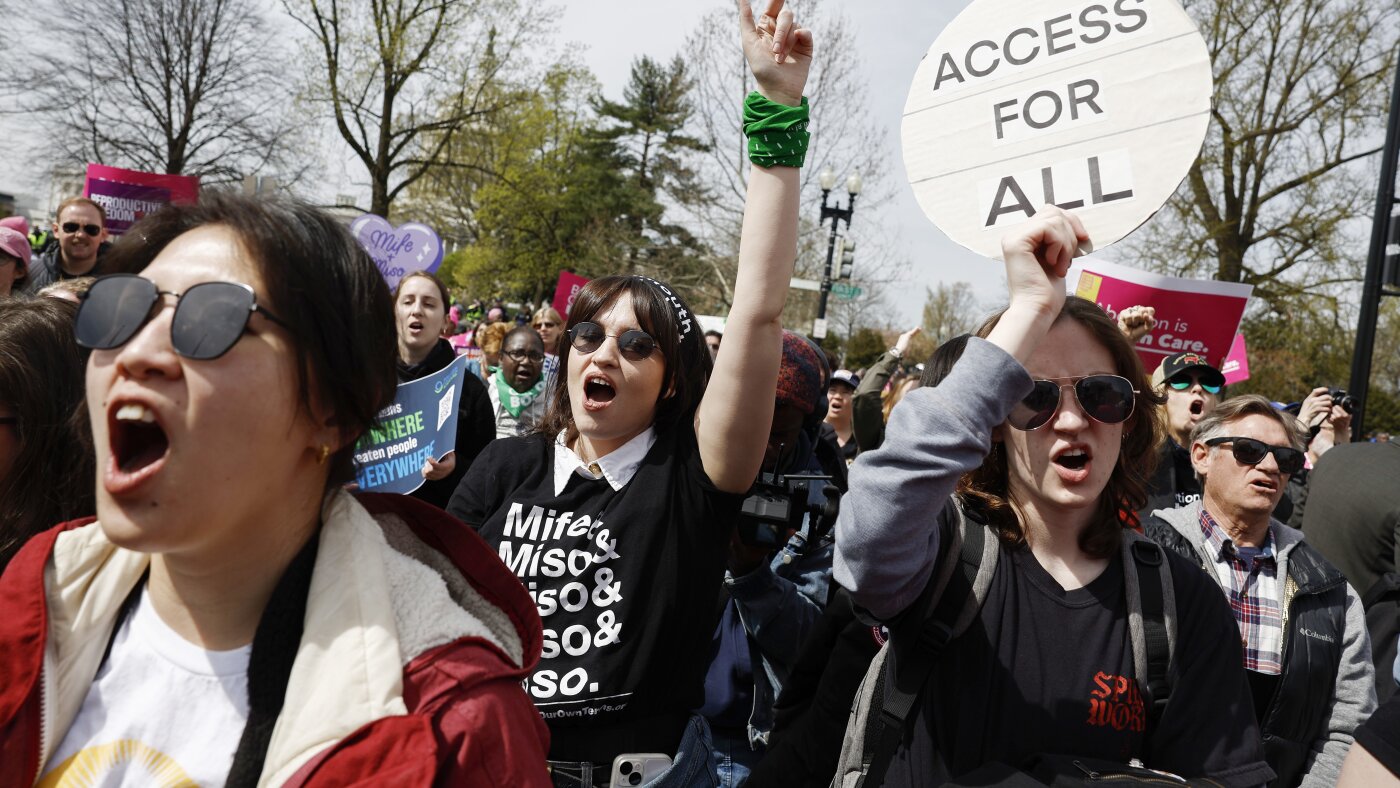




Federal Court Limits Abortion Access by Halting Mifepristone Mailings
A federal appeals court has imposed significant restrictions on abortion access in the United States by prohibiting the mailing of mifepristone prescriptions. This decision, rendered by a three-judge panel from the 5th U.S. Circuit Court of Appeals in New Orleans, mandates that the abortion pill be dispensed solely in person at clinics, effectively overturning existing regulations established by the federal Food and Drug Administration (FDA).
The unanimous ruling, which is expected to be contested in the U.S. Supreme Court, represents a major shift in abortion policy following the 2022 Supreme Court decision that dismantled Roe v. Wade, allowing states to enforce their own abortion restrictions.
Judge Kyle Duncan, appointed by former President Donald Trump, sided with Louisiana's argument that permitting the drug to be mailed undermines the state's ban on abortions at all stages of pregnancy. “Every abortion facilitated by FDA’s action cancels Louisiana’s ban on medical abortions and undermines its policy that ‘every unborn child is human being from the moment of conception and is, therefore, a legal person,’” the ruling articulated.
Mifepristone has been recognized since its approval in 2000 as a safe and effective method for terminating early pregnancies, typically used alongside misoprostol. Surveys indicate that a majority of abortions in the U.S. are conducted via pills, with approximately one in four abortions prescribed through telehealth services.
Interestingly, a survey conducted last year revealed that more women in states with abortion bans sought abortions through telehealth than those who traveled to states where abortion remains legal. In response, some Democratic-led states have enacted laws aimed at safeguarding providers who prescribe these medications to patients in restricted areas.
This growing reliance on medication abortions has prompted opponents to target these pills through legislative and legal means. The ruling marks an unusual instance of a federal court challenging the FDA's scientific regulations, leaving uncertainty about how swiftly or thoroughly this decision will affect the distribution of mifepristone nationwide.
Judges have historically deferred to the FDA's expertise regarding drug safety and regulation. Under Trump’s administration, FDA officials indicated they were conducting a new review of mifepristone’s safety at the president's behest. The judges noted that the FDA “could not say when that review might be complete and admitted it was still collecting data.”
Initially, due to rare instances of severe bleeding, the FDA had imposed strict limitations on who could prescribe and distribute mifepristone—only specially certified physicians could do so after an in-person consultation. However, these requirements were relaxed during the COVID-19 pandemic. At that time, FDA officials under President Joe Biden asserted that after over two decades of monitoring mifepristone use and reviewing numerous studies involving thousands of women, it was evident that women could safely use the pill without direct supervision.
GenBioPro, a manufacturer of generic mifepristone, criticized the court’s decision as one that “ignores the FDA’s rigorous science and decades of safe use of mifepristone in a case pursued by extremist abortion opponents.” In a court filing, Louisiana's attorney general and a woman claiming coercion into taking abortion pills requested a rollback of FDA rules to when prescriptions were limited to in-person visits.
A federal judge in Louisiana previously ruled that these allowances undermined the state’s abortion ban but did not immediately revoke the regulations. The recent ruling remains effective as the case progresses through the courts and extends beyond Louisiana and other states with abortion bans.
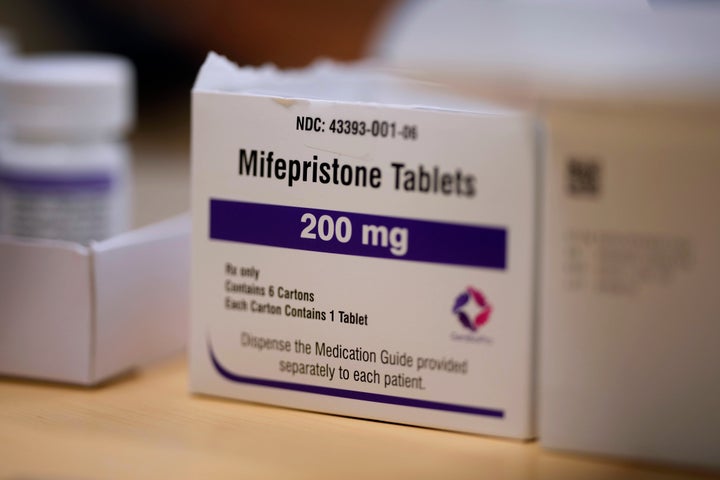
Telehealth prescriptions have gained traction even in states where abortion is permitted; thus, this ruling also restricts access there. “This is going to affect patients’ access to abortion and miscarriage care in every state in the nation,” stated Julia Kaye, an attorney with the ACLU. “When telemedicine is restricted, rural communities, people with low incomes, people with disabilities, survivors of intimate partner violence and communities of color suffer the most.”
The National Right to Life Committee hailed the ruling as a restoration of essential oversight in women’s health. “Women deserve better than an abortion-by-mail system that prioritizes ideology over safety,” remarked Carol Tobias, president of the organization.
Danco Laboratories, another manufacturer of mifepristone involved in the lawsuit, requested that the appeals court delay its order for one week to allow time for seeking relief from the Supreme Court. Should this request be denied, Danco indicated it would file an emergency appeal with the high court.
The conservative-majority Supreme Court overturned nationwide abortion rights in 2022 but unanimously upheld access to mifepristone two years later. However, that 2024 decision sidestepped core issues by determining that anti-abortion doctors lacked legal standing to sue.
“I look forward to continuing to defend women and babies as this case continues,” stated Louisiana Attorney General Liz Murrill. Representatives from both the FDA and the U.S. Department of Justice did not respond immediately to requests for comments following Friday's ruling.
Meanwhile, anti-abortion advocates are celebrating this latest ruling. Marjorie Dannenfelser, president of Susan B. Anthony Pro-Life America, described it as “a huge victory for victims and survivors of Biden’s reckless mail-order abortion drug regime.” She criticized the Trump administration for its slow review process regarding mifepristone, asserting that delays have compelled states to take action.
“Women and children suffer and state sovereignty is violated every day the FDA allows abortion drugs to flood the mail,” Dannenfelser concluded.