
Federal Reserve Stands Firm on Rates Amidst Inflation Chaos
WASHINGTON — The Federal Reserve refuses to budge on its key interest rate, maintaining it at about 3.9% despite inflation that refuses to relent. Chairman Kevin Warsh claims their policies are beginning to show effects.
“Inflation remains elevated,” the Fed stated after a two-day policy meeting. The decision to hold rates steady aims to allow “the accumulation of more information” to guide future policy decisions, targeting a return to the central bank’s 2% inflation goal.
Last month, the Fed raised its benchmark rate for the first time in three years, ignoring President Donald Trump’s calls for cuts, in a bid to combat inflation more aggressively. The Fed's mandate from Congress is clear: combat inflation by increasing rates to slow down borrowing and spending.
Michael Reynolds, vice president of investment strategy at Glenmede, predicts a quarter-point hike at the next meeting on December 8-9, with Wall Street estimating nearly an 85% chance of this increase, according to CME Fedwatch.
“It’s likely going to take one more (hike) from the Fed to get interest rates into restrictive territory,” he stated, emphasizing the need for further action to effectively curb inflation.
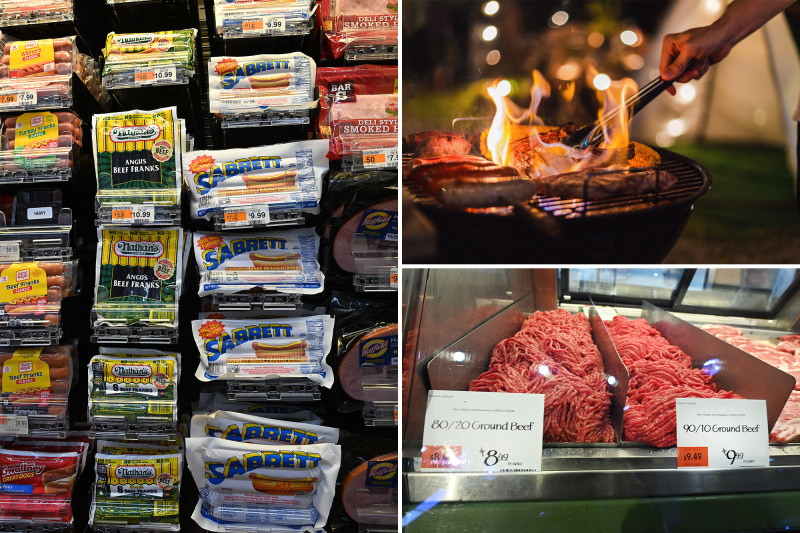
This decision comes just days before a midterm election heavily focused on rising living costs. Consumers are increasingly frustrated with an economy burdened by soaring prices for gas, groceries, and clothing. Warsh insists that political factors did not influence the Fed's decision.
“Politics played no role in the decision,” he asserted during a news conference. “I just spent two days with my colleagues upstairs. I didn’t hear an utterance about politics.”
Warsh faces significant hurdles in steering inflation back to target levels. Factors driving price increases, such as rapid advancements in artificial intelligence infrastructure and escalating energy costs, may not respond effectively to higher interest rates.
Despite these challenges, Warsh noted an “overwhelming consensus” among Fed officials that their actions are beginning to yield results, citing tighter credit conditions for some businesses and households.
He pointed out that as major tech companies increasingly rely on borrowing for data center construction, elevated rates will likely dampen that investment.
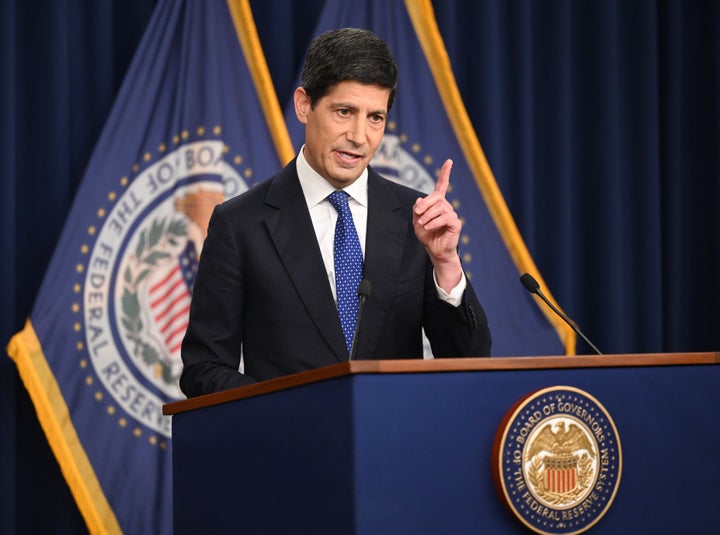
“Do interest rates matter?” Warsh questioned. “I believe they do, and I don’t think they’re divorced from the rest of the economy.”
Parts of the economy are already feeling the sting of higher rates, which were influenced by market forces even before last month’s Fed hike. The average 30-year mortgage rate hit a three-year peak of 7.4% earlier this month but has since slightly decreased. This spike has rendered home buying unaffordable for an additional 5 million Americans since the year's start, according to Oxford Economics. Over time, Fed rate hikes can escalate costs for mortgages, auto loans, and credit card borrowing, intensifying perceptions of rising prices.
A closely monitored inflation measure by the Fed, the personal consumption expenditures price index, is set to be released Thursday and is projected to have surged 3.6% in September compared to a year earlier, up from 3.4% in August. Core prices, excluding food and energy, are expected to rise 3.1%, up from 3% the previous month. Earlier data indicated that consumer prices increased by 3.7% in September year-over-year.
Warsh dismissed concerns that consumers would lose confidence in the Fed’s ability to achieve its 2% inflation target due to its decision not to raise rates.
“There is no soft inflation target,” he declared.
Two Fed officials opposed Wednesday’s decision: Fed governor Lisa Cook and Federal Reserve Bank of Cleveland President Beth Hammack voted for a quarter-point rate hike. This marks Cook’s first dissent since her appointment by President Joe Biden in 2022.
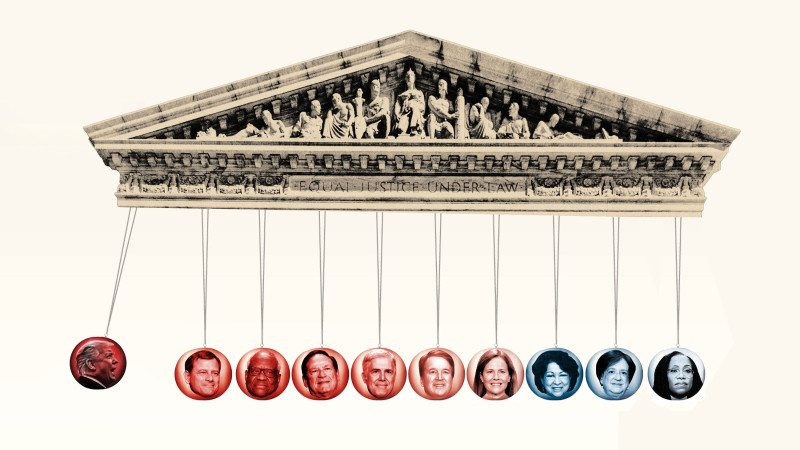
Cook has faced scrutiny from the Trump administration, which attempted to remove her last year; however, the Supreme Court ruled she could retain her position while litigation continued. Historically, no president has dismissed a Fed governor, underscoring the Fed's independence from political interference. Trump renewed efforts to oust Cook last month by forming a committee to investigate allegations of mortgage fraud against her, which she denies.
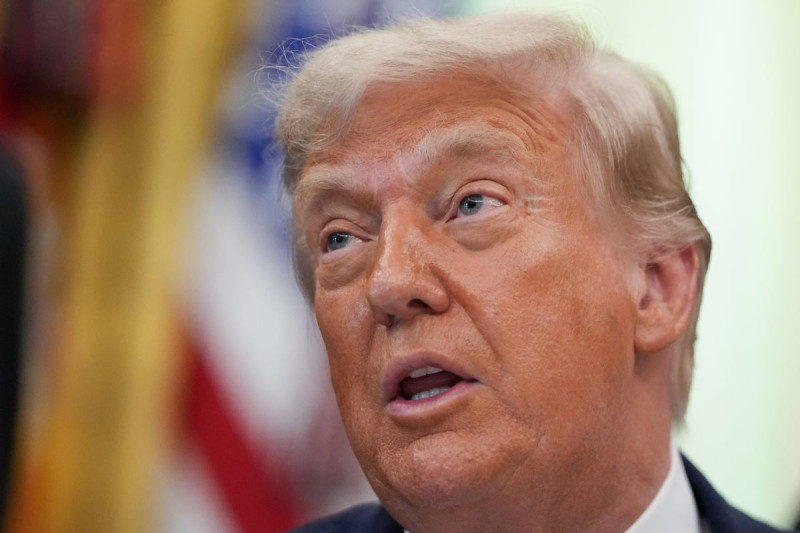
Trump has criticized the Fed for its recent rate increase but primarily directed blame at the rate-setting committee rather than Warsh himself.
The Fed's policy meeting coincides with a busy week for global central banks. The Bank of Canada recently raised its key rate by a quarter point to 2.5%. Meanwhile, both the European Central Bank and the Bank of Japan are expected to maintain their current rates during their meetings on Thursday.
For Warsh and the Fed, another crucial factor is that the U.S. economy continues to grow robustly with low unemployment at 4.2%, despite sluggish hiring trends. Warsh indicated that growth in the July-September quarter likely exceeded 3%, an increase from 2.2% in the April-June quarter.
Many economists argue that solid growth indicates interest rates are not excessively high and that the economy could endure higher rates to tackle inflation.