

Fifteen Young Canadians Launch Historic Legal Assault on Ottawa Over Climate Crisis
Fifteen young Canadians stormed a Vancouver federal courtroom, unleashing a legal battle against the federal government for its role in the climate crisis. This unprecedented case, La Rose v. His Majesty the King, marks a pivotal moment in Canadian environmental law.
The lawsuit was initiated on October 25, 2019, by these youths from seven provinces and one territory, with the youngest plaintiff only ten years old. A federal judge dismissed the case in 2020, claiming it raised issues beyond judicial reach. However, on December 13, 2023, a unanimous three-justice panel of Canada's Federal Court of Appeal overturned that dismissal, declaring the youths' Section 7 claims justiciable and worthy of a full hearing. Trial dates were confirmed for December 2024, following years of procedural skirmishes.
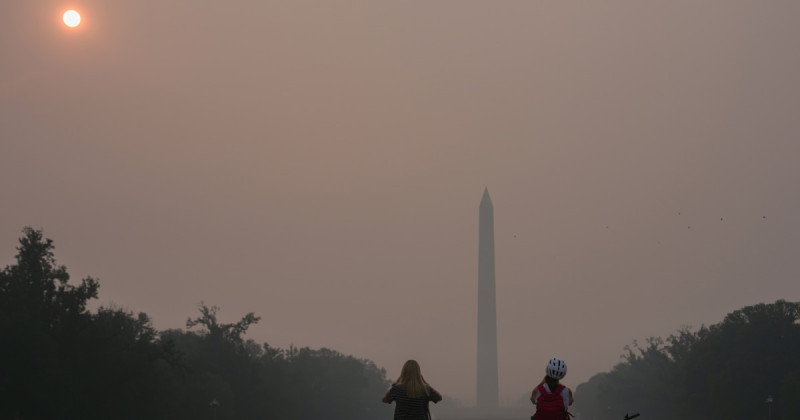
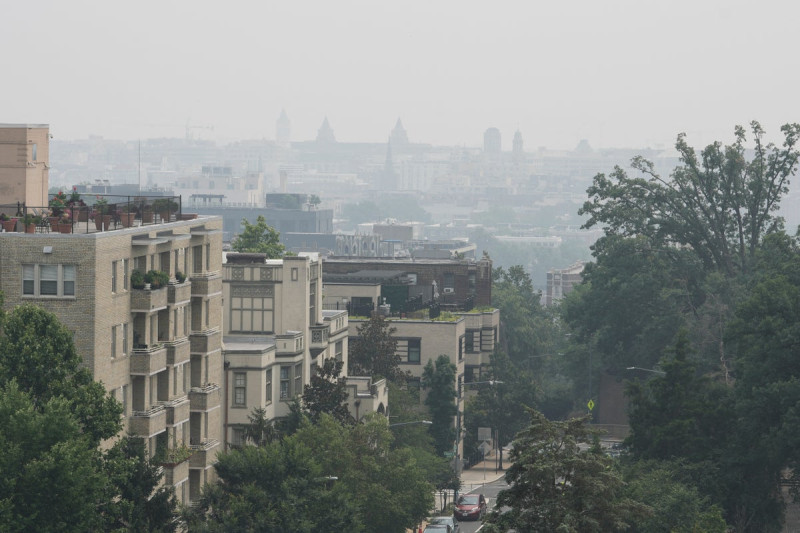
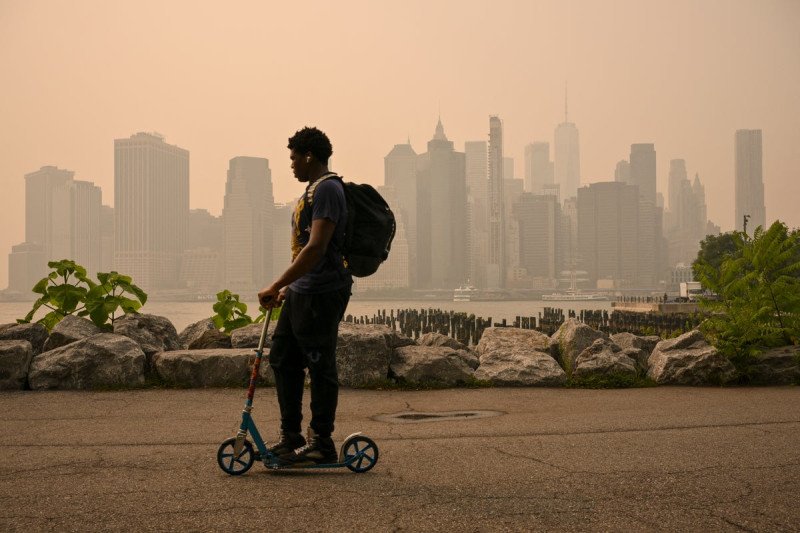
Among the plaintiffs is Sadie Vipond, a flood survivor from Calgary who joined the lawsuit at age 13 after fleeing her home during the devastating 2013 floods. Now in her twenties, she is prepared to testify about the real-life consequences of federal climate inaction. The plaintiffs will recount experiences of floods, wildfire smoke, glacial retreat, and food insecurity as critical evidence.
This case does not aim to block pipelines or dictate energy prices. Lead counsel Catherine Boies Parker clarified that the core issue is whether the government is constitutionally obligated to halt actions exacerbating the climate crisis. A favorable ruling would compel Ottawa to create a climate recovery plan based on peer-reviewed science, aligning with necessary reductions to stabilize the global climate system and safeguard future generations' rights.
The lawsuit specifically targets two federal instruments: the Canadian Net-Zero Emissions Accountability Act of 2021 and its accompanying 2030 emissions reduction plan. Boies Parker argued that the Charter must provide young Canadians with protection against government actions she labeled as "the greatest threat to personal security that humans have ever faced."
The plaintiffs invoke Section 7 of the Canadian Charter of Rights and Freedoms, which safeguards rights to life, liberty, and personal security. They contend that Ottawa's failure to cut greenhouse gas emissions to scientifically safe levels has already inflicted climate-related harms that violate these rights. No Canadian federal court has previously ruled on whether climate protection constitutes a constitutional obligation, making this trial a significant legal milestone.

Federal Court Justice Fothergill characterized the case as one of "considerable public importance," highlighting its factual breadth and constitutional implications for the executive branch. One plaintiff expressed her fears during the trial's opening day: "I am so scared that the suffering and the pain and hardship... is just the beginning of what's to come."
Government counsel launched their defense by asserting that Canada has been reducing greenhouse gas emissions since 2005 and is fulfilling its international obligations. This stance clashes with independent analyses indicating that recent federal policy rollbacks have set Canada back over 20 years from achieving its 2030 emissions target. Current trajectories suggest Canada won't meet that target even by 2050.
Government lawyers argued that the remedies sought by the plaintiffs can only be realized through complex international diplomacy over many years, insisting that such decisions belong to elected lawmakers rather than judges.
The trial unfolds amid increasing scrutiny of Prime Minister Mark Carney's government regarding whether its climate commitments align with scientific demands. For the youth plaintiffs, a federal courtroom offers an opportunity for a permanent legal record that transcends political cycles or lobbying efforts; evidence presented cannot be erased by political shifts or industry pressure.
La Rose is part of a burgeoning international legal movement urging courts to hold governments accountable for climate inaction, already yielding landmark rulings in countries like the Netherlands, Germany, and the United States. Legal experts suggest a ruling favoring the plaintiffs could set a precedent influencing how courts in other Commonwealth nations address similar constitutional climate claims. If successful, this would mark the first instance in Canadian history where a court deemed federal climate policy unconstitutional and mandated a change in direction.
Eight expert witnesses will testify on behalf of the plaintiffs, covering topics such as climate science, children's health, Indigenous knowledge, and clean energy economics. The Crown will present four expert witnesses as well. Evidentiary hearings are expected to conclude by late November 2026, with closing arguments scheduled for the week of February 22, 2027.
Fifteen Canadians initiated this case while some were still in middle school. They will complete their testimonies as adults, potentially reshaping this country's legal landscape for generations.