
From Obama Monkeys to Trump Messiah: Is There a Limit to the President's Truth Obsession?
President Donald Trump, when sleep eludes him, turns to his smartphone, scrolling through social media in search of that familiar rush from viral posts. His activity on Truth Social has become a nightly ritual, igniting fervor among millions of followers.
This behavior traces back to his initial forays into politics, where he would ignite discussions with succinct bursts of text on the platform once known as Twitter. Sources familiar with his approach reveal that these posting sprees are often strategic, compelling television networks to pivot their coverage to highlight his latest proclamations—an act he seems to relish as his words flash across screens nationwide.
For a decade, Trump's posts have consistently provoked outrage from Democrats and left-leaning commentators, while Republican lawmakers typically sidestep the fallout with practiced ease. However, this dynamic appears to be shifting as the second year of his current term unfolds.
Just two months ago, Trump faced significant backlash after sharing a video on Truth Social that depicted Barack and Michelle Obama’s faces superimposed onto apes, swaying to “The Lion Sleeps Tonight.” The immediate response was one of condemnation, with accusations of racism echoing from various corners, including some Republican lawmakers who typically support him. Initially, the White House attempted to downplay the incident, framing it as an innocuous meme.
Yet, within hours of the video's release and subsequent deletion, Republican voices began to emerge. South Carolina Senator Tim Scott expressed his dismay, labeling the video “the most racist thing I’ve seen out of this White House.” Similarly, New York Representative Mike Lawler condemned the post as “wrong and incredibly offensive,” calling for its removal and an apology.
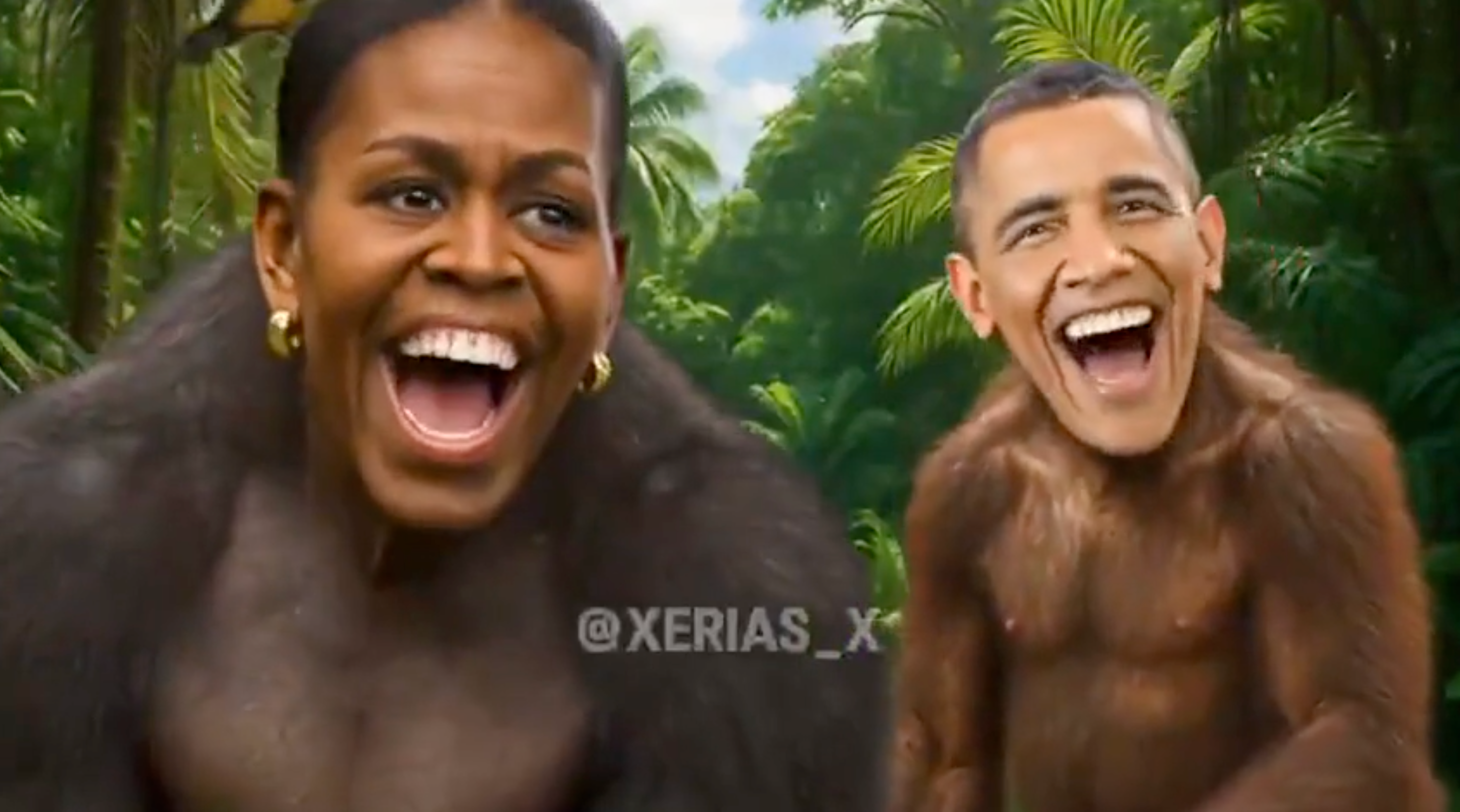
This marked a rare moment where Trump had to retract a social media post amid criticism from his own party—a departure from his usual defiance. Despite this incident, his erratic posting continued unabated.
In the wake of escalating tensions with Iran, Trump threatened military action against civilian infrastructure, a move that drew widespread condemnation. Just last week, he issued a chilling warning on Truth Social that “a whole civilization will die tonight” if Iran did not comply with his demands regarding a ceasefire.
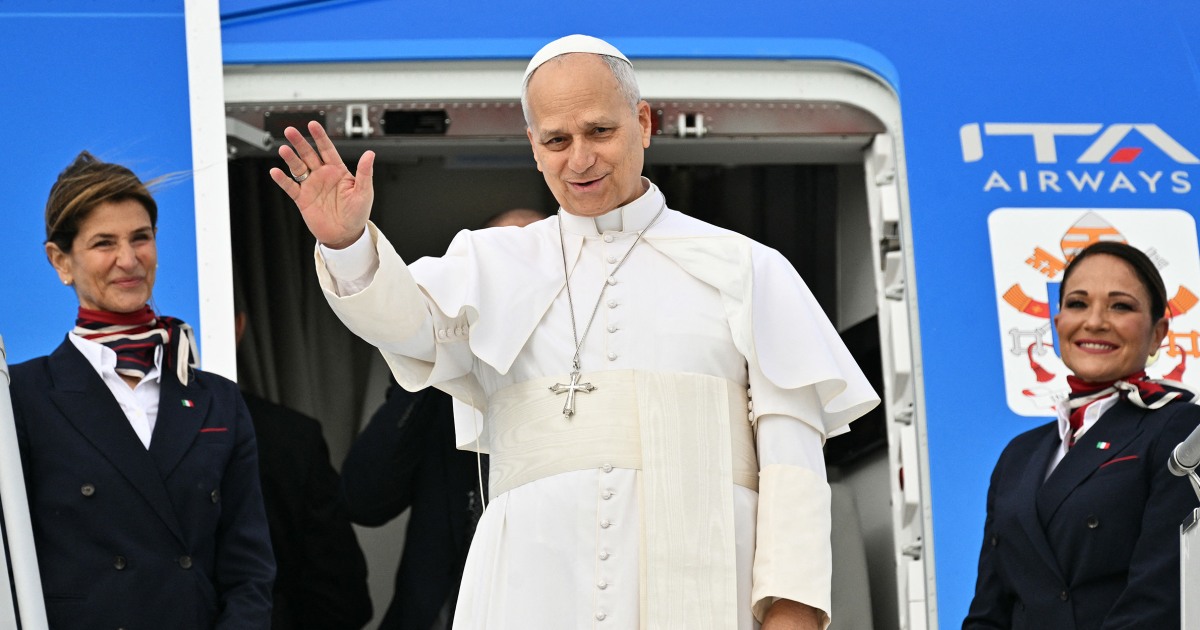
This alarming rhetoric even drew criticism from Pope Leo XIV, who labeled Trump's threats as “truly unacceptable.” The Pope's call for peace seemed to strike a nerve with Trump, who retaliated with a late-night tirade on Truth Social, branding the pontiff as “WEAK” on crime and “terrible” on foreign policy.
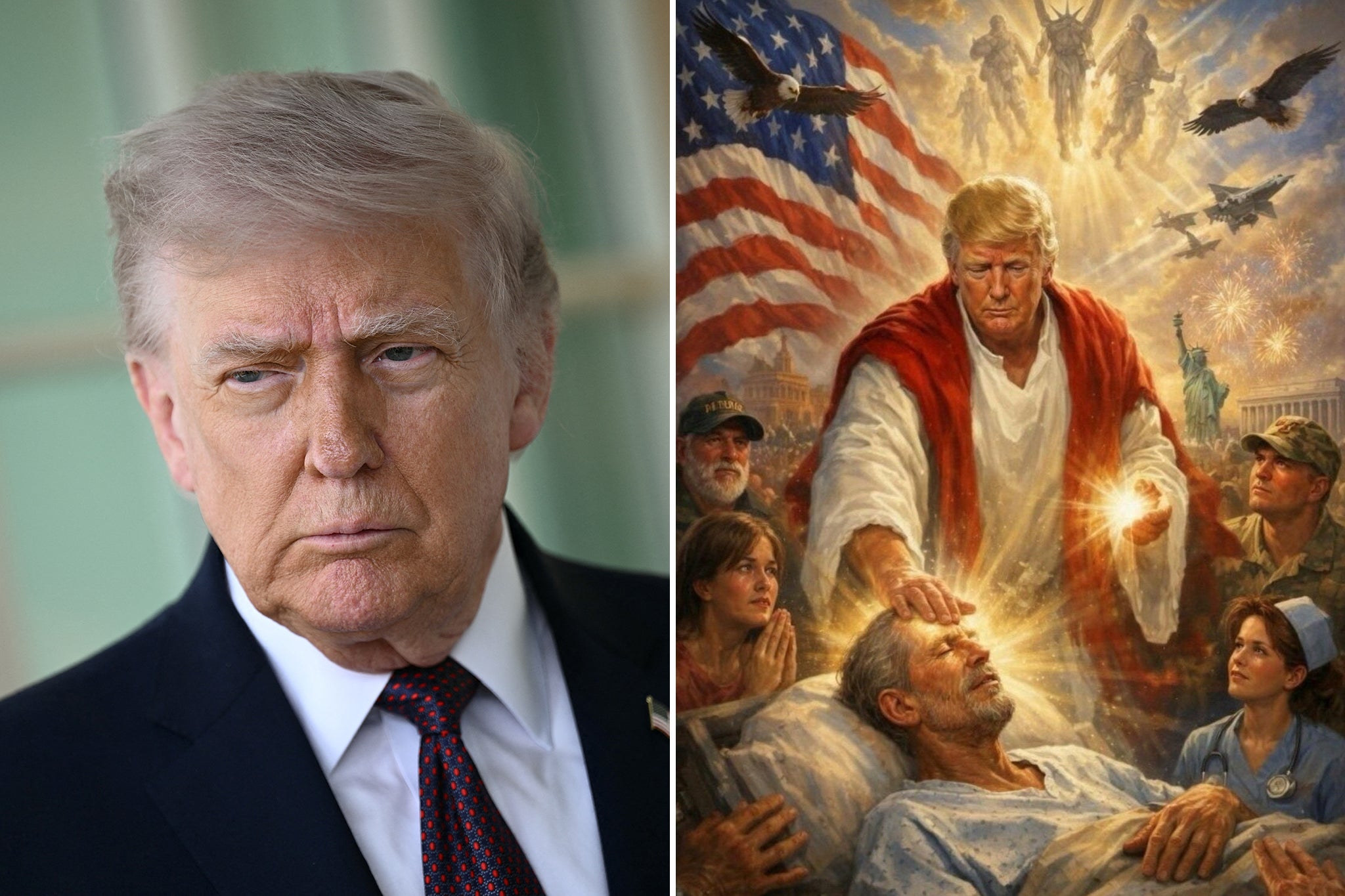
In a bizarre twist, Trump also shared an AI-generated image of himself depicted as Jesus, which sparked further outrage. The image portrayed him in a flowing robe surrounded by patriotic symbols, extending a hand toward a man in a hospital bed. When questioned about the post, Trump insisted it was meant to represent him as a doctor helping people, dismissing comparisons to Jesus as “fake news.”

Despite his insistence on the benign intent behind the image, criticism from right-wing figures and religious leaders mounted. Isabel Brown from The Daily Wire called it “disgusting and unacceptable,” while Michael Knowles urged Trump to delete the post for both spiritual and political reasons.
Within hours, the controversial image vanished from his feed—a rare occurrence for a president known for his steadfastness in the face of backlash. This marks the second time in two months that Trump has deleted a post following criticism, suggesting a potential shift in how he navigates public perception.
As Trump continues to push boundaries with his rhetoric, there are signs that even some of his supporters may be growing weary of this approach. With the 2026 midterms on the horizon, the strategies that once propelled him to success may be losing their effectiveness.