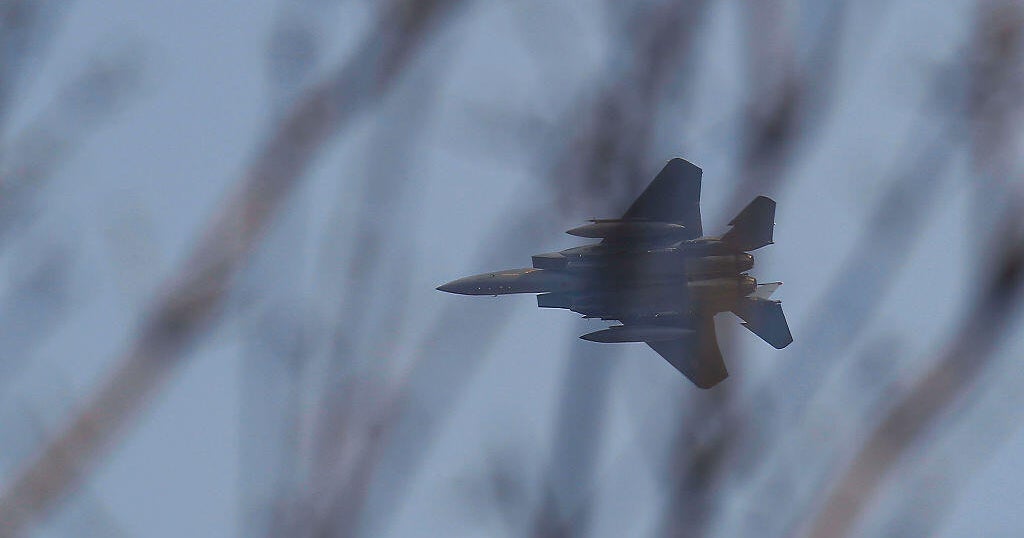




Israel Strikes Iran's South Pars Petrochemical Facility Amid New Ceasefire Talks
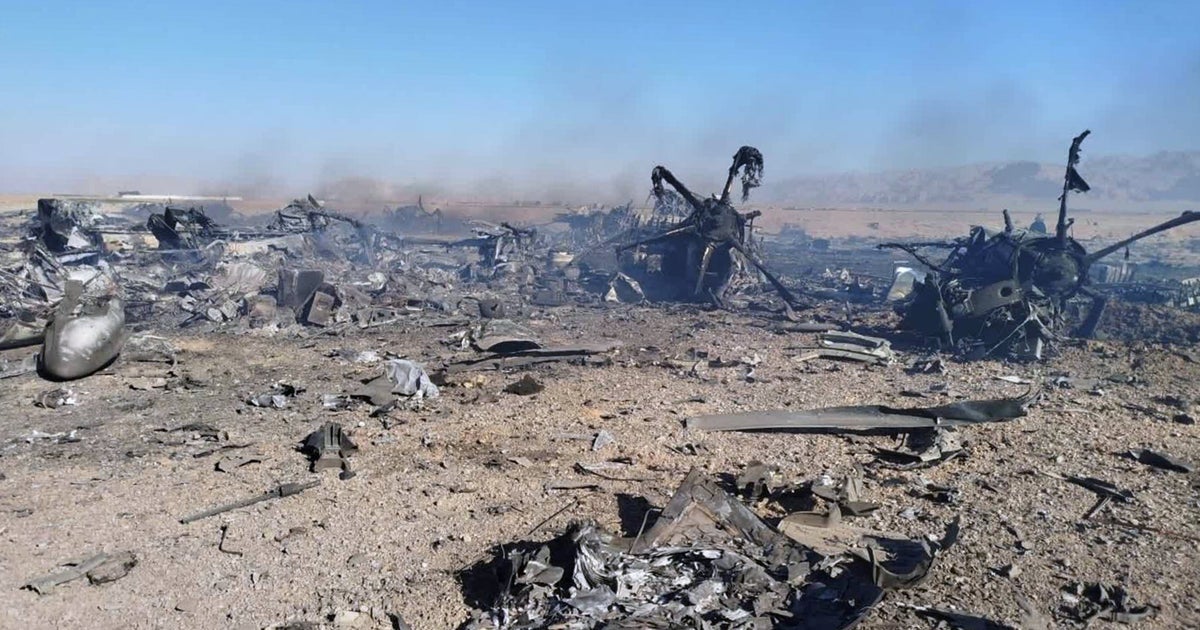
DUBAI, United Arab Emirates — A significant military operation unfolded as Israel targeted a crucial petrochemical facility at Iran’s expansive South Pars natural gas field, resulting in the death of a high-ranking Revolutionary Guard commander. This escalation casts doubt on ongoing negotiations aimed at establishing a ceasefire between the U.S. and Tehran.
Israel’s Defense Minister, Israel Katz, confirmed the “powerful strike” on what he described as the largest petrochemical facility in Iran, responsible for half of the nation’s petrochemical output. Military spokesperson Lt. Col. Nadav Shoshani emphasized that Iran would face “no immunity” as diplomatic discussions continue.
The South Pars gas field, shared with Qatar, is recognized as the world’s largest and lies beneath the Persian Gulf waters. The White House has yet to comment on the recent attack. Following a previous strike in March, former President Trump had warned that Israel would refrain from further assaults on this site, but he also indicated that any Iranian aggression towards Qatar’s energy infrastructure would provoke a severe U.S. response.
As tensions escalate, Trump’s ultimatum for Tehran to reopen the Strait of Hormuz approaches, with mediators working tirelessly to broker a new ceasefire agreement.
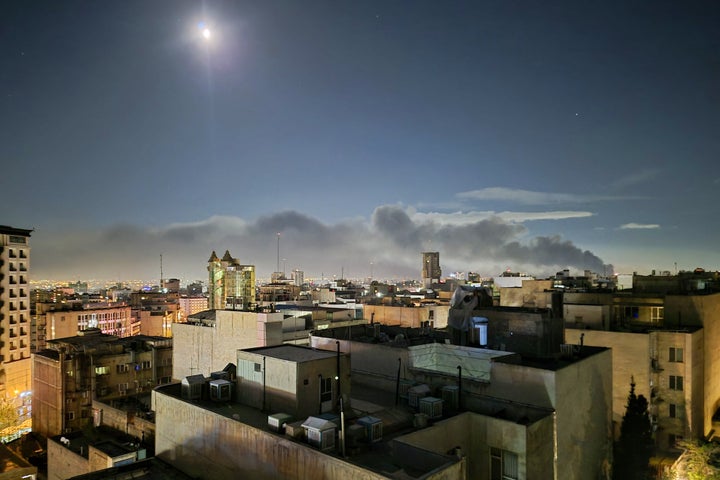
Explosions reverberated through Tehran, accompanied by the sound of low-flying jets for hours. Thick black smoke billowed near Azadi Square after an airstrike targeted Sharif University of Technology.
Among those killed was Maj. Gen. Majid Khademi, head of intelligence for Iran’s paramilitary Revolutionary Guard, as reported by both Iranian state media and Israeli officials. Additionally, Israel’s military claimed responsibility for the death of Asghar Bakeri, leader of the Revolutionary Guard’s undercover unit within the Quds Force.
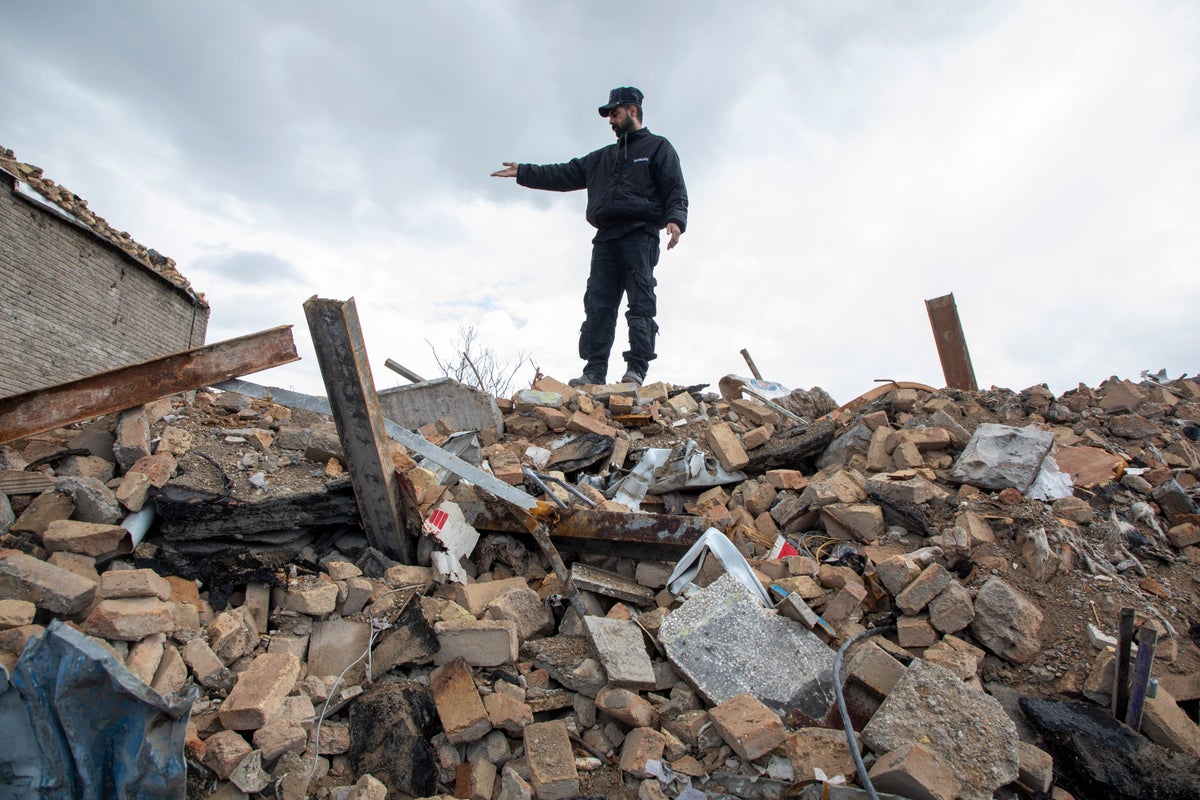
In retaliation, Iranian missiles struck Haifa, Israel, resulting in four fatalities within a residential building's debris. Meanwhile, Kuwait, the UAE, and Saudi Arabia activated their air defenses to intercept incoming Iranian missiles and drones, as Tehran intensified its pressure on neighboring Gulf states. Iran's persistent attacks on regional energy infrastructure and its control over the Strait of Hormuz—vital for global oil shipments—have driven energy prices upward.
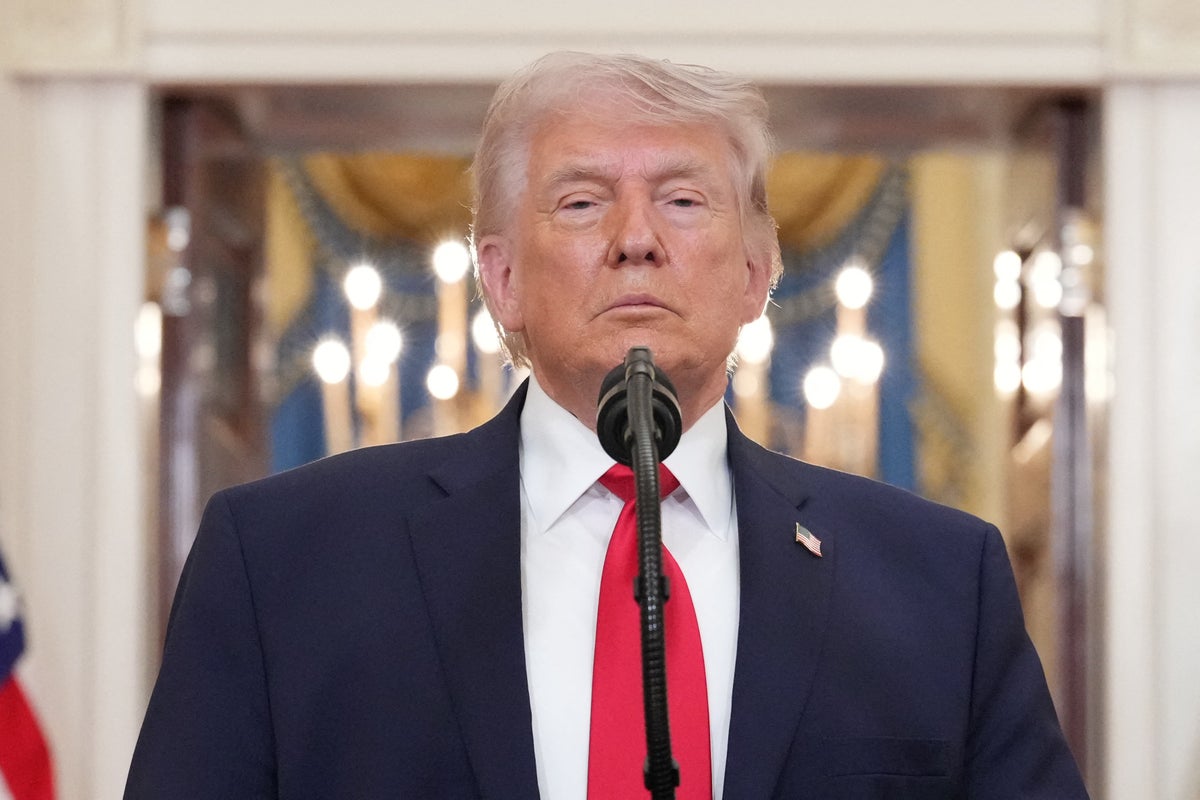
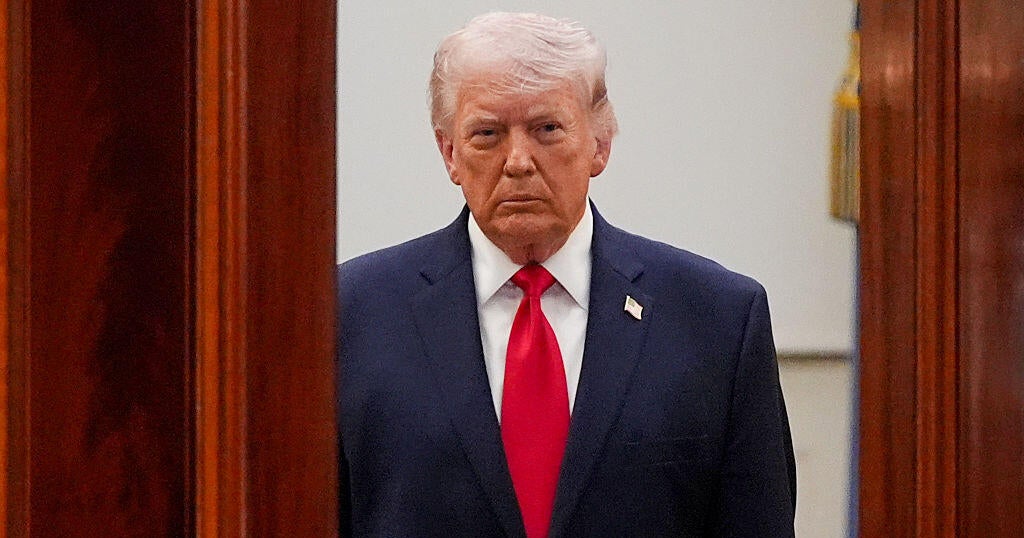
Facing mounting domestic pressure as consumer anxiety grows, Trump issued a deadline for Tehran that expires Monday night Washington time. He warned that failure to reach an agreement to reopen the strait would lead to U.S. strikes on Iran’s power plants and other critical infrastructure, potentially setting the nation “back to the stone ages.”
“Tuesday will be Power Plant Day and Bridge Day all wrapped up in one,” he declared in a social media post, threatening that if Iran did not comply with reopening the strait, “you’ll be living in Hell.”
In an attempt to halt hostilities, mediators from Egypt, Pakistan, and Turkey have proposed a 45-day ceasefire along with the reopening of the Strait of Hormuz to facilitate negotiations aimed at ending the conflict. This proposal was sent late Sunday night to both Iranian Foreign Minister Abbas Araghchi and U.S. Mideast envoy Steve Witkoff.
Neither Iran nor the U.S. has publicly responded to this proposal. European Council President António Costa urged for diplomatic efforts to be prioritized, stating that “any targeting of civilian infrastructure, namely energy facilities, is illegal and unacceptable.”
Trump has fluctuated between demanding that Iran reopen the strait or face increased bombing campaigns while suggesting that the war could conclude without reopening it. His multiple deadlines have created confusion; after his latest threat on Sunday, he posted a cryptic message indicating a new deadline.
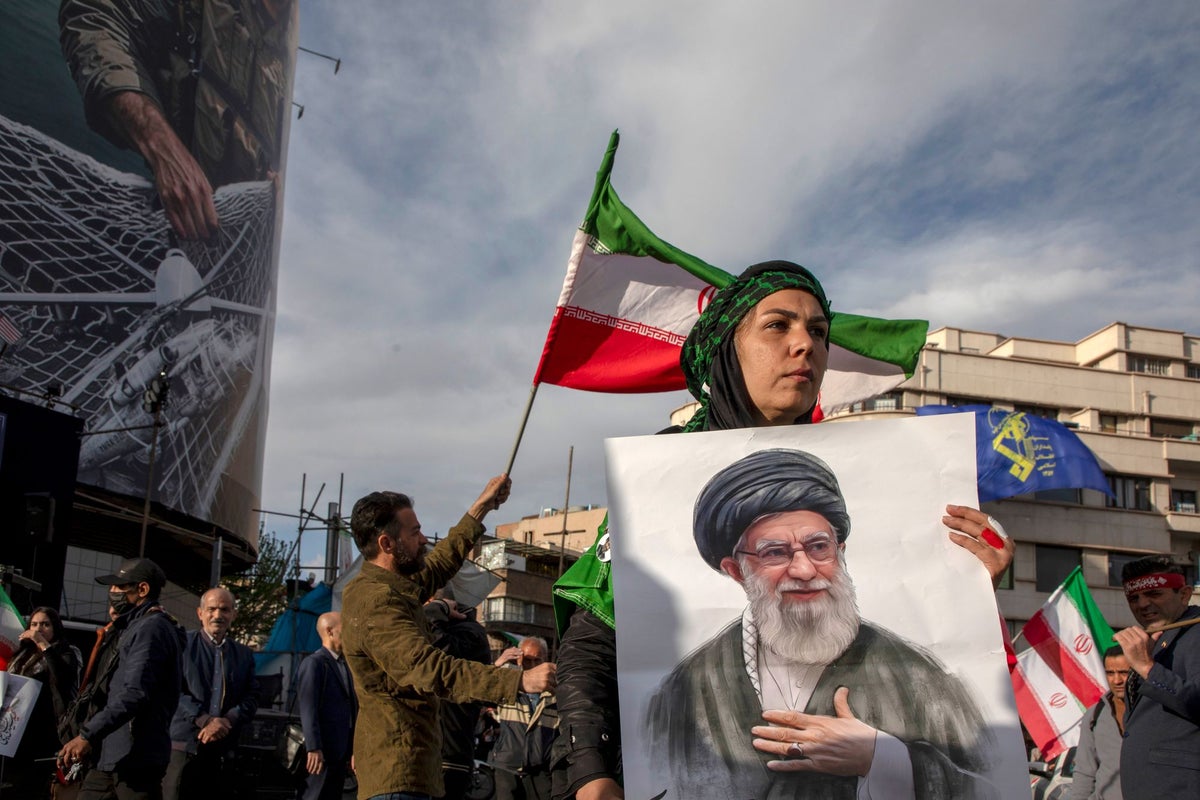
Tehran remains steadfast in its control over shipping through the strait, which had been fully operational before hostilities began on February 28. Following Trump’s provocative posts on Easter Sunday, Iranian parliamentary Speaker Mohammad Bagher Qalibaf condemned threats against Iran’s infrastructure as “reckless.”
“You won’t gain anything through war crimes,” Qalibaf stated on social media. “The only real solution is respecting the rights of the Iranian people and ending this dangerous game.”
Brent crude oil prices surged to $109 in early trading Monday, reflecting a 50% increase since the onset of the conflict. While some vessels have been allowed passage through the strait since hostilities began, none belong to the U.S., Israel, or allied nations perceived as supporting them. Overall maritime traffic has plummeted by over 90% compared to last year.
Monday morning’s airstrikes included one targeting Sharif University of Technology, causing damage to buildings and a nearby natural gas distribution site. The university has faced sanctions in previous years due to its military collaborations related to Iran’s ballistic missile program.
Following confirmation of the Revolutionary Guard’s intelligence chief's death in an airstrike, Israeli Defense Minister Katz vowed to continue targeting high-ranking Iranian officials. “Iran’s leaders live with a sense of being targeted,” he remarked. “We will continue to hunt them down one by one.”
A separate strike near Eslamshar resulted in at least 15 fatalities, while additional attacks in Qom and other cities claimed more lives. In Lebanon, Israeli airstrikes have targeted areas linked to Hezbollah militants, resulting in casualties among political figures opposed to Hezbollah.
The ongoing conflict has led to over 1,900 deaths in Iran since its inception, with no recent updates from the government on casualty figures. In Lebanon, more than 1,400 have died and over 1 million displaced; meanwhile, 23 fatalities have been reported in Israel alongside 13 U.S. service member deaths.