
Misdiagnosis and Delay: The Silent Killers of Colorectal Cancer
March marks National Colorectal Cancer Awareness Month, a time that resonates deeply with me.
As a researcher in public health and behavioral science, I delve into cancer disparities and the behaviors influencing screening rates. My work involves analyzing data, publishing findings, and advocating globally for prevention and early detection. I emphasize that colorectal cancer (CRC) is among the most preventable and treatable cancers when identified early.
For me, CRC is not merely a statistic. My Aunt Joann's misdiagnosis at 52, followed by a Stage 4 diagnosis, irrevocably altered my family's path and shaped my professional focus.
Her diagnosis marked a turning point.
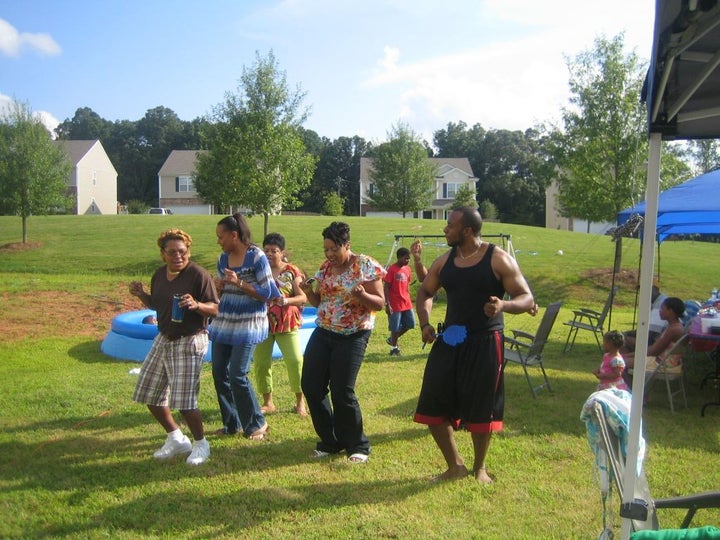
Aunt Joann was my godmother, a beacon of warmth and strength who prioritized family. She was the kind of person who uplifted others without seeking acknowledgment. Throughout my upbringing, she was a constant source of resilience and compassion.
The pain of her diagnosis was compounded by the events leading up to it.
She sought medical help, aware that something was amiss. Accompanied by her daughter Rebecca, who understood the nuances of healthcare, they sensed their concerns were being overlooked. Despite their persistent advocacy, it took far too long for her to receive the correct diagnosis, allowing the cancer to advance to Stage 4.
This reality is all too familiar for many families.
I vividly recall the gravity of that moment in 2009—not just as a family member but as someone trained to analyze health systems and outcomes. What I witnessed was not just cancer; it was a delay, a missed opportunity, a failure in care delivery.
We lost her in 2016, shortly after her 60th birthday. I often ponder how different things might have been had her cancer been detected sooner.
This loss left an indelible void in our family and raised questions that haunt me.
Why are so many individuals, particularly within Black communities, diagnosed at later stages? Why are symptoms frequently dismissed? Why do preventable cancers continue to claim lives?
These inquiries became my mission.
My career in public health and cancer disparities research is deeply rooted in this experience. Each dataset I analyze, every paper published from my research lab, and every discussion on prevention connects back to families like mine.
Behind every statistic lies a story like Aunt Joann's. Behind each missed diagnosis is a moment where intervention could have changed everything.
Our family's narrative is not unique. Like many Black families, we carry a complex history with healthcare—one shaped by generations of unequal treatment and broken trust.
For numerous Black families, healthcare has often felt unsafe—a realm where one must advocate fiercely, endure long waits, and question whether their voices are truly heard.
These experiences are passed down through generations, influencing when individuals seek medical attention and how much they trust healthcare providers. Delays often stem not from neglect but from caution; many only pursue medical help when absolutely necessary.
Structural barriers further entrench this cycle. Aunt Joann worked as a certified nursing assistant without consistent health insurance, complicating her access to necessary care.
Even when care is available, the experience can create distance. Feeling rushed or dismissed can deter individuals from returning or adhering to recommended screenings.
This cycle perpetuates itself: people delay seeking care; systems respond late; outcomes deteriorate. The result is not just delayed treatment but preventable loss.
Breaking this cycle demands more than urging people to visit doctors; it requires rebuilding trust, enhancing access, and creating healthcare experiences where individuals feel valued and supported.
Conversations about health issues often remain hushed or fragmented. As a family, we persevered but seldom sought medical care unless it felt urgent.
Yet CRC often does not present as urgent.
It typically begins with small growths known as polyps—most individuals experience no symptoms. The absence of pain means no warning signs exist. By the time symptoms manifest, the disease may have progressed significantly.
This underscores the importance of screening—not merely for detection but for prevention.
This past February reminded us of this reality with the passing of James Van Der Beek at 48. He joins a list of cultural figures lost to CRC, including Randy Gonzalez at 35 and Chadwick Boseman at 43—each diagnosed at advanced stages where intervention often comes too late.
CRC does not discriminate based on fame or fitness; however, its impact is not uniform across demographics.
It now stands as the leading cause of cancer death among adults under 50. Black men face a 20% higher incidence rate than white men and are 40% more likely to succumb to the disease. Black women experience a 14% higher incidence rate and are 25% more likely to die compared to their white counterparts.
These disparities arise from a mix of access issues, behavioral factors, experiences with healthcare, and trust levels.
Colonoscopy screening remains one of our most effective tools for preventing CRC; however, Black adults are less likely to undergo timely and consistent screenings.
As a Black man, these realities resonate deeply with me. They inform my research approach, the questions I pose, and how I interpret data.
I do not merely analyze numbers; I consider the lived experiences behind them—families like mine.
This perspective drives me to not only identify disparities but also understand the behavioral, cultural, and structural factors that contribute to them. My work emphasizes community engagement and designing prevention strategies that align with people's realities.
I have learned that data alone does not alter outcomes; people do.
These statistics represent fathers, mothers, sons, daughters—entire family trees.
As a Black man in public health, I carry both the data and its weight.
I understand the science but also the silence surrounding these issues.
I recognize how easy it is for men to postpone care; I delayed my first colonoscopy last year amid competing priorities that felt urgent. Eventually, I made the appointment and followed through.
I know how simple it is to dismiss symptoms or say “I’ll deal with it later.” Many families avoid discussing their medical histories openly; mistrust and access barriers still dictate who gets screened.
The most challenging health decisions are often the simplest because they require overcoming habit, fear, and silence.
Yet I also know this: CRC is one of the few cancers we can often prevent before it starts. Screening can avert colorectal cancer by identifying and removing precancerous polyps. Most adults should begin screening at age 45 or earlier if there’s a family history. Options range from colonoscopies to straightforward at-home stool tests—making screening more accessible than many realize.
It doesn’t have to be complicated; it just needs to be done.
When I discuss screening with men, I do so not only as a researcher but as a husband, father, son. Prioritizing your health is one of the most impactful ways to support your family.
National Colorectal Cancer Awareness Month transcends wearing blue; it’s about initiating conversations, inquiring about family histories, scheduling colonoscopies, and encouraging loved ones to do the same.
While we cannot alter every diagnosis, we can influence how early we detect this disease. We can also change who survives and whether future generations grow up with fewer empty seats at the table.
CRC need not define our families or futures; let prevention be the legacy we choose.
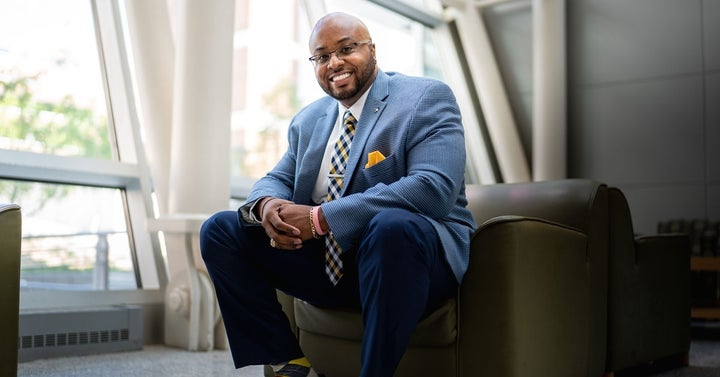
Dr. Charles R. Rogers is the founder and president of the Colorectal Cancer Equity Foundation and a nationally recognized behavioral scientist focused on advancing equitable cancer prevention and culturally responsive care.