Netflix Abandons Warner Acquisition Bid, Citing Financial Concerns
NEW YORK — Netflix has officially withdrawn its bid to acquire Warner Bros. Discovery’s studio and streaming operations, a decision that significantly alters the competitive landscape of Hollywood.
On Thursday, Warner’s board revealed that Paramount, under Skydance ownership, had presented a more attractive offer of $31 per share, surpassing Netflix's previous agreement. In a swift response, Netflix declined to counter the proposal, stating that the new valuation rendered the deal “no longer financially attractive.”
“We believe we would have been strong stewards of Warner Bros.′ iconic brands,” co-CEOs Ted Sarandos and Greg Peters expressed in a joint statement. “However, this transaction was always a ‘nice to have’ at the right price, not a ‘must have’ at any price.”
The potential acquisition by Paramount could reshape not only Warner Bros. Discovery but also the broader media landscape. Unlike Netflix, which was focused solely on Warner’s studio and streaming assets, Paramount aims to acquire the entire company, including HBO Max and popular franchises like “Harry Potter” and CNN.
This merger, pending approval from Warner shareholders and regulatory bodies, raises significant antitrust concerns and questions regarding political influence in media.
Netflix's exit marks a pivotal moment in an ongoing corporate struggle over Warner’s future. Despite previously supporting its agreement with Netflix since December, Warner’s board shifted its stance on Thursday, acknowledging Paramount’s bid as “superior” while still recommending Netflix.
CEO David Zaslav acknowledged Netflix executives as “extraordinary partners” and wished them well following the announcement.
As tensions escalated between Paramount and Warner, the latter began to reconsider its options regarding potential buyers. Although Warner's board has yet to formally adopt Paramount's merger proposal, Zaslav indicated that it “will create tremendous value,” expressing enthusiasm for a combined entity.
Paramount has not yet commented further on the situation. However, CEO David Ellison previously praised Warner’s board for recognizing “the superior value of our offer.”
A merger between Paramount and Warner would unite two of Hollywood’s remaining legacy studios, enhancing their theatrical distribution channels. Beyond “Harry Potter,” Warner’s portfolio includes hits like “Superman,” “Barbie,” and acclaimed series such as “The White Lotus” and “Succession,” which would join Paramount’s extensive library featuring titles like “Top Gun” and “Titanic.”
This consolidation would also place CNN under the same umbrella as CBS, which has undergone notable editorial changes under new Skydance leadership. Paramount has made efforts to attract conservative audiences in its news operations, raising concerns about potential shifts in CNN’s editorial direction should the acquisition succeed.
“Any concerns about Netflix owning Warner Bros. are only heightened by the prospect of Paramount owning all of WBD,” stated Mike Proulx, vice president at Forrester. He emphasized that political dynamics are significantly influencing this deal.
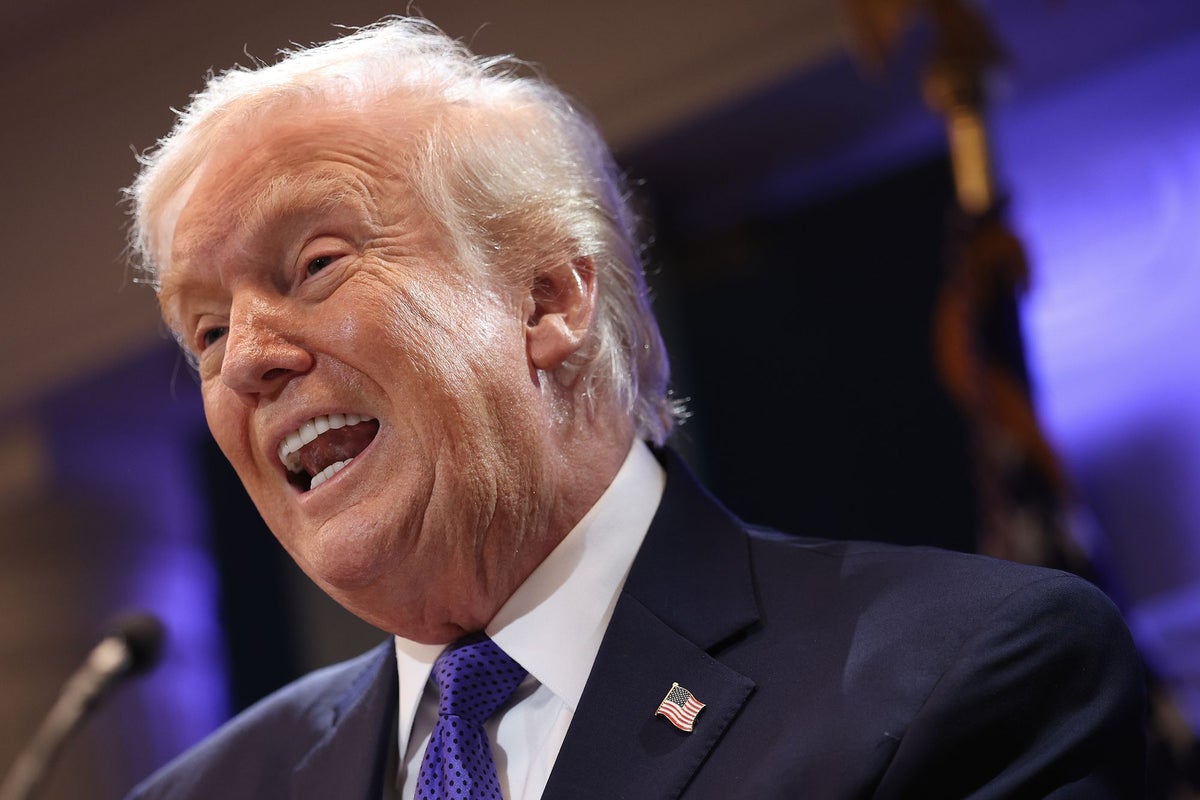
Notably, President Donald Trump maintains close ties with Larry Ellison, the billionaire founder of Oracle and father of Paramount’s CEO. This connection has fueled speculation about political motivations behind Paramount's aggressive pursuit of Warner.
Despite Trump's previous comments regarding his involvement in facilitating a Warner deal, he has since clarified that regulatory approval will ultimately rest with the Justice Department.
Democratic lawmakers have raised alarms about the implications of corporate consolidation in media. Senator Elizabeth Warren described the potential merger as an “antitrust disaster,” warning that it could lead to higher prices and reduced diversity in filmmaking.
Paramount executives argue that merging with Warner will enhance their competitiveness against larger rivals in the streaming sector while expanding their content offerings. Critics counter that such consolidation threatens consumer choice and could result in job losses.
When Netflix was still in contention, it argued against a Warner-Paramount merger by highlighting the similarities between the two legacy studios and their respective news networks. This overlap raised concerns about job security and competition.
Regulatory responses to a potential Warner-Paramount merger remain uncertain. The U.S. Department of Justice has already initiated reviews, with other countries expected to follow suit.
Warner shareholders will need convincing beyond just a higher price; Paramount has also proposed an accelerated “ticking fee” to entice them. Initially set at 25 cents per share for delays past year-end, it now applies if the deal isn’t finalized by September. Additionally, Paramount has committed to a $7 billion regulatory termination fee.
However, financing this offer involves substantial debt, raising concerns about future job losses and restructuring. The involvement of foreign sovereign wealth funds in financing also adds another layer of scrutiny.