


Republicans Achieve Dual Redistricting Triumphs
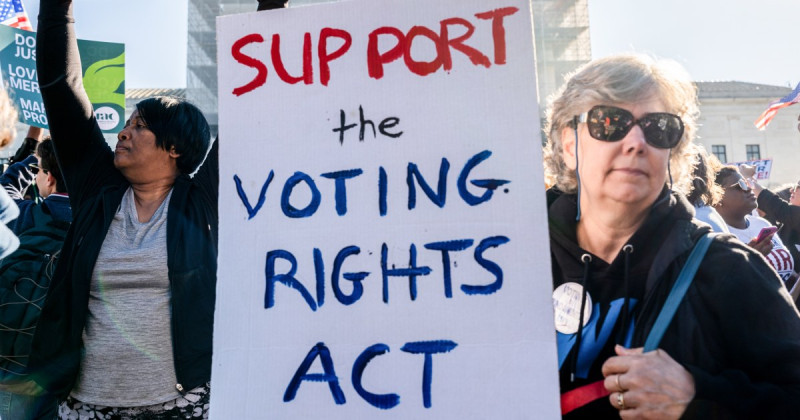
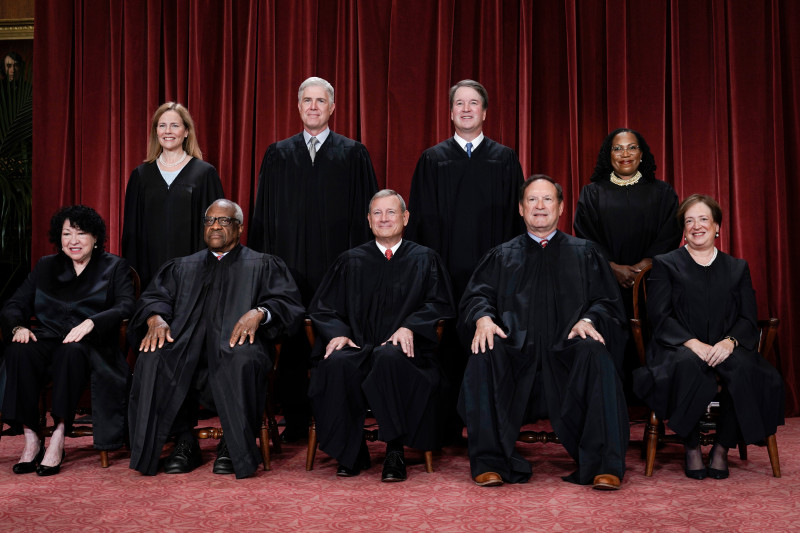
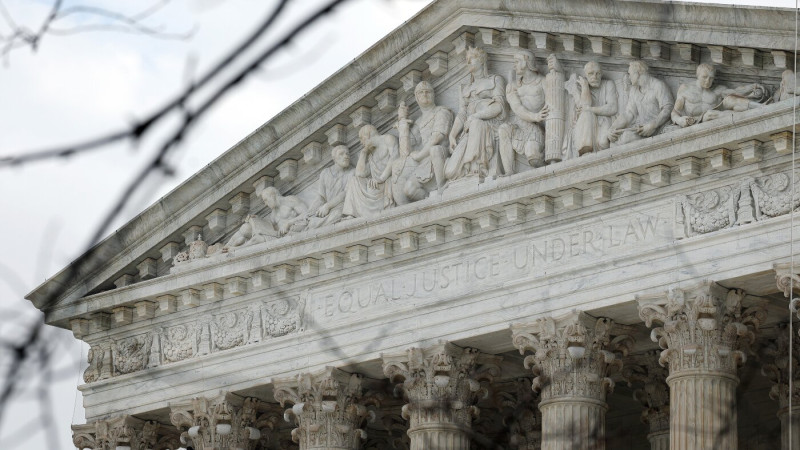
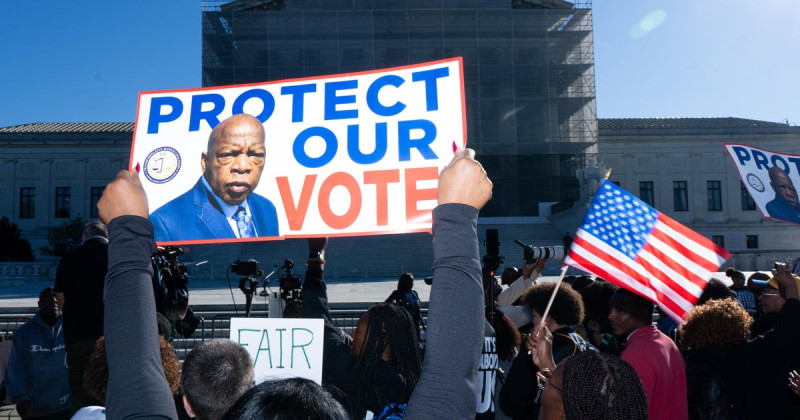
In a pivotal moment for the political landscape, the Supreme Court's recent ruling has set the stage for a significant shift in congressional redistricting. The decision, which came down in a 6-3 vote, declared Louisiana's congressional map an unconstitutional racial gerrymander, effectively altering the rules of engagement for states drawing electoral boundaries.
As the mid-decade redistricting battle intensifies, the implications of this ruling are profound. The court's conservative majority emphasized that race can rarely be a factor in map drawing under Section 2 of the Voting Rights Act, a law designed to protect minority voters. Justice Samuel Alito articulated that while there may be rare instances justifying race considerations, Louisiana's case did not meet that threshold.
Consequently, Louisiana must redraw its congressional map with its primary looming on May 16. Other southern states under Republican control face similar challenges, as deadlines for filing have passed and early voting is already underway in some regions. This ruling could lead to a decrease in minority-majority districts across various levels of government, potentially diminishing the representation of non-white officials.
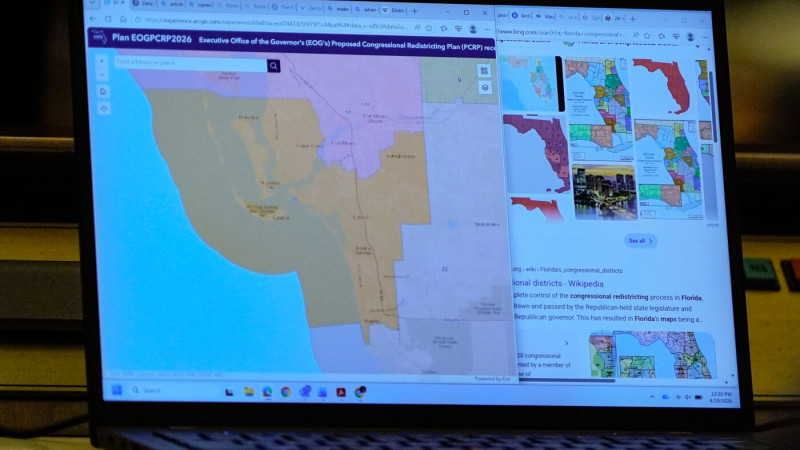
In Florida, the GOP-led legislature has advanced a new congressional map that adds four Republican-leaning seats. Despite some skepticism among Republicans, the proposal passed along largely partisan lines. Critics argue that Governor Ron DeSantis is leveraging this plan to circumvent anti-gerrymandering provisions in the state constitution. Acknowledging the map's misalignment with current constitutional standards, DeSantis and his allies are banking on recent court rulings to facilitate its acceptance.
Since 2025, Florida has become the eighth state to implement a new congressional map, following a contentious process initiated by President Trump last summer in Texas. The newly drawn districts could enable Republicans to gain as many as 13 seats, while Democrats might secure up to 10.

Meanwhile, King Charles III's recent address to Congress marked a rare moment of bipartisan unity. His speech received enthusiastic applause from both sides of the aisle, including House Speaker Mike Johnson, who joined in when the king referenced the Magna Carta as a cornerstone of shared governance principles between the U.S. and the U.K.
Charles's remarks on NATO resonated with lawmakers, particularly his assertion that NATO had only engaged in war once on behalf of the U.S., following the 9/11 attacks. This statement directly countered Trump's ongoing criticisms of NATO's commitment to U.S. defense.
In a poignant moment, Charles expressed solidarity with Ukraine, stating, “That same unyielding resolve is needed for the defense of Ukraine and her most courageous people.” His visit also included a stop at Ground Zero, where he honored the memory of British nationals lost during the 9/11 attacks.
While Charles did not directly address Trump's criticisms of British Prime Minister Keir Starmer regarding military support for Iran, he did emphasize the importance of collaboration during turbulent times. His appeal echoed sentiments previously expressed by Queen Elizabeth during her own address to Congress in 1991.
British officials hope this state visit will mend relations between Trump and Starmer. When asked if the king's presence had improved their diplomatic tensions over Iran, Trump acknowledged its potential benefits but reiterated his frustrations with Starmer’s responses.

The royal visit, complete with ceremonial honors and a state dinner, illustrates that even grand gestures may have limits in resolving complex political disagreements.
Stay tuned for live updates on King Charles's visit to the U.S. as events unfold.
This report was compiled by the Politics Desk team.
Your feedback is welcome; reach out via email with your thoughts. If you enjoy our coverage, please share it widely and encourage others to subscribe.