

Sexual Harassment Scandal Claims Life of Former Senator Bob Packwood at 93
Bob Packwood, the former Oregon Republican Senator whose career spiraled into chaos due to sexual harassment allegations, has died at 93. His family confirmed his death in an obituary sent to media outlets, but no further details were disclosed.
Packwood's political career was marked by significant achievements and a notorious downfall. He served in the Senate for 27 years, initially resisting calls to resign, insisting he did not want to be remembered solely for controversy.
Long before the #MeToo movement gained traction, Packwood's case exemplified how private misconduct could obliterate a public image. He had previously received accolades from organizations like Planned Parenthood for his stances on women's rights.
A great-grandson of a member of the 1857 Oregon Constitutional Convention, Packwood was known as a social moderate and fiscal conservative, often crossing party lines in his voting record.
He entered the Senate in 1968 at age 36 after narrowly defeating Oregon icon Wayne L. Morse. Packwood quickly ascended as a Republican star.
By 1980, he chaired the National Republican Senatorial Committee and even toyed with a presidential run. However, he lost that leadership role after publicly criticizing President Ronald Reagan for alienating key demographics, prompting the White House to support a rival.
Packwood was a prominent advocate for abortion rights within the Republican Party, earning respect from women's groups nationwide.
As chairman and later ranking Republican on the Senate Finance Committee, he played a crucial role in legislative compromises. He took pride in his involvement in the sweeping 1986 tax reform that lowered the top income tax bracket and eliminated numerous itemized deductions.
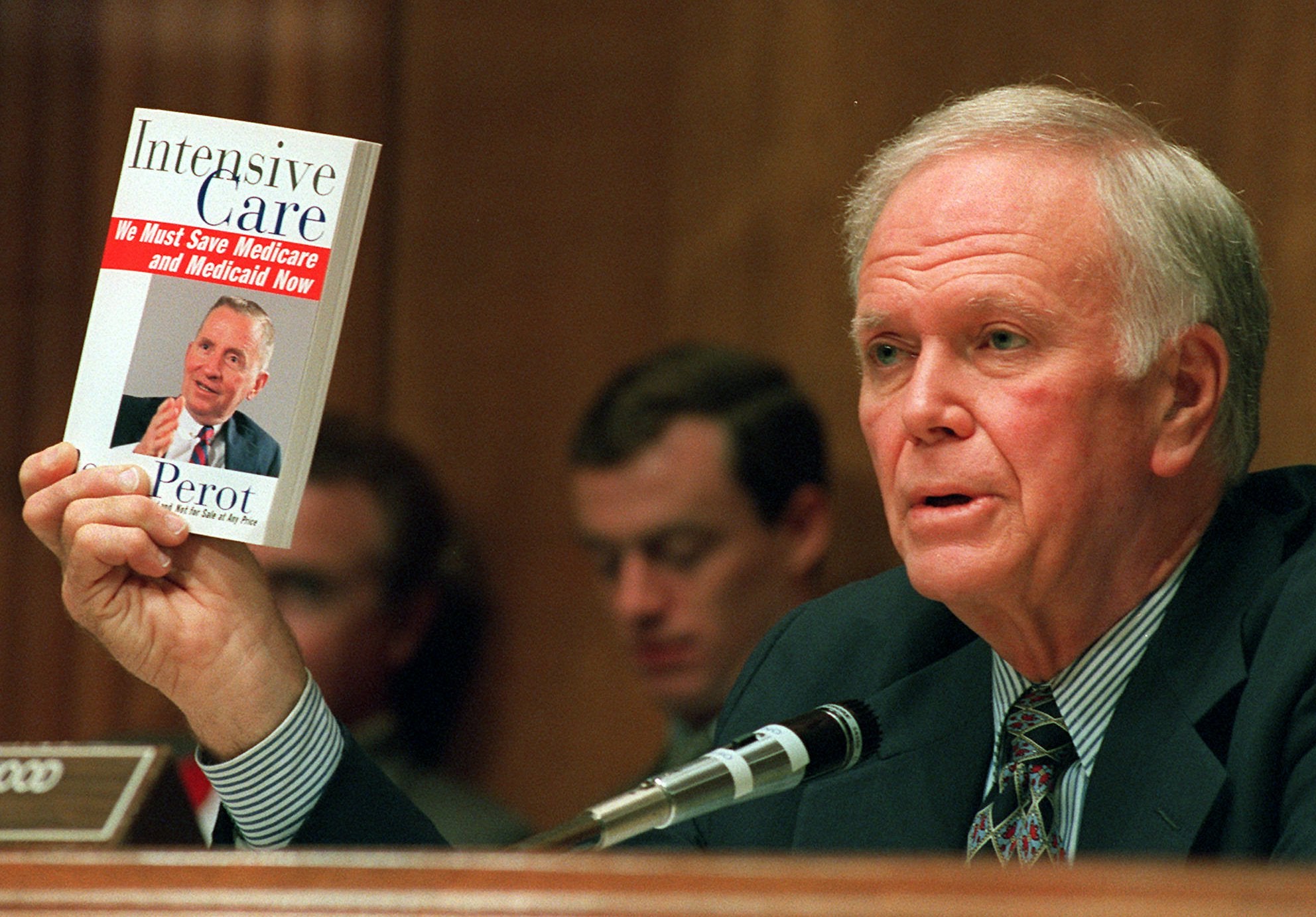
However, his public image began to crumble in 1993 when the Senate Ethics Committee launched an investigation into allegations of sexual and official misconduct.
Just two weeks after his 1992 reelection, The Washington Post published allegations from former female employees and acquaintances. Ultimately, over two dozen women accused him of making unwanted sexual advances.
The ethics probe expanded to include other alleged misconduct, such as soliciting jobs from lobbyists for his ex-wife and using staff to intimidate accusers into silence. He also faced accusations of obstructing the investigation by altering his personal diaries.
The Senate engaged in two days of intense debate in 1993 over a subpoena for his diaries, ultimately voting 94-6 to enforce it. Packwood lost subsequent appeals in federal courts, with Chief Justice William Rehnquist denying his request for U.S. Supreme Court intervention. He resigned in September 1995.
Democratic U.S. Senator Ron Wyden, who succeeded Packwood in 1996, acknowledged his predecessor's contributions to abortion rights and tax reform but stressed that his treatment of women overshadowed those achievements. "His horrible history as documented in his own diaries will forever overshadow that public record," Wyden stated.
Packwood was often described as blunt, independent, and outspoken—a "maverick" and "political survivor." In 1992, he claimed, "I would like to think that I am nobody's lackey. I try to reach conclusions independently and then I'm willing to fight for those conclusions."
After resigning, he established a lucrative lobbying business, Sunrise Research Corp., grossing \$1.5 million annually by 1999, although he later admitted it was "not as much fun as being in the Senate."
As Congress became increasingly partisan post-departure, Packwood continued advocating for centrist approaches, calling for nonpartisan elections in Oregon during a 2010 speech. In a November 2002 interview with the Salem Statesman Journal, he reflected on the scandal that ended his Senate career. "People have told me it must have been tough on me," he said. "But you cannot go through the rest of life and say look what happened."
Packwood's legacy is complex, defined by significant legislative influence as a centrist Republican and the lasting stain of sexual misconduct allegations that forced his exit from public office.