

Tensions Rise as Iran Closes Strait of Hormuz Amid U.S. Negotiations
On this week's broadcast of "Face the Nation," Margaret Brennan addresses escalating tensions in the Strait of Hormuz, a critical passage for global oil supplies.
“I’m Margaret Brennan in Washington,” she begins, setting the stage for a discussion on the fragile cease-fire between the U.S. and Iran. The truce is currently holding, but recent developments threaten its stability.
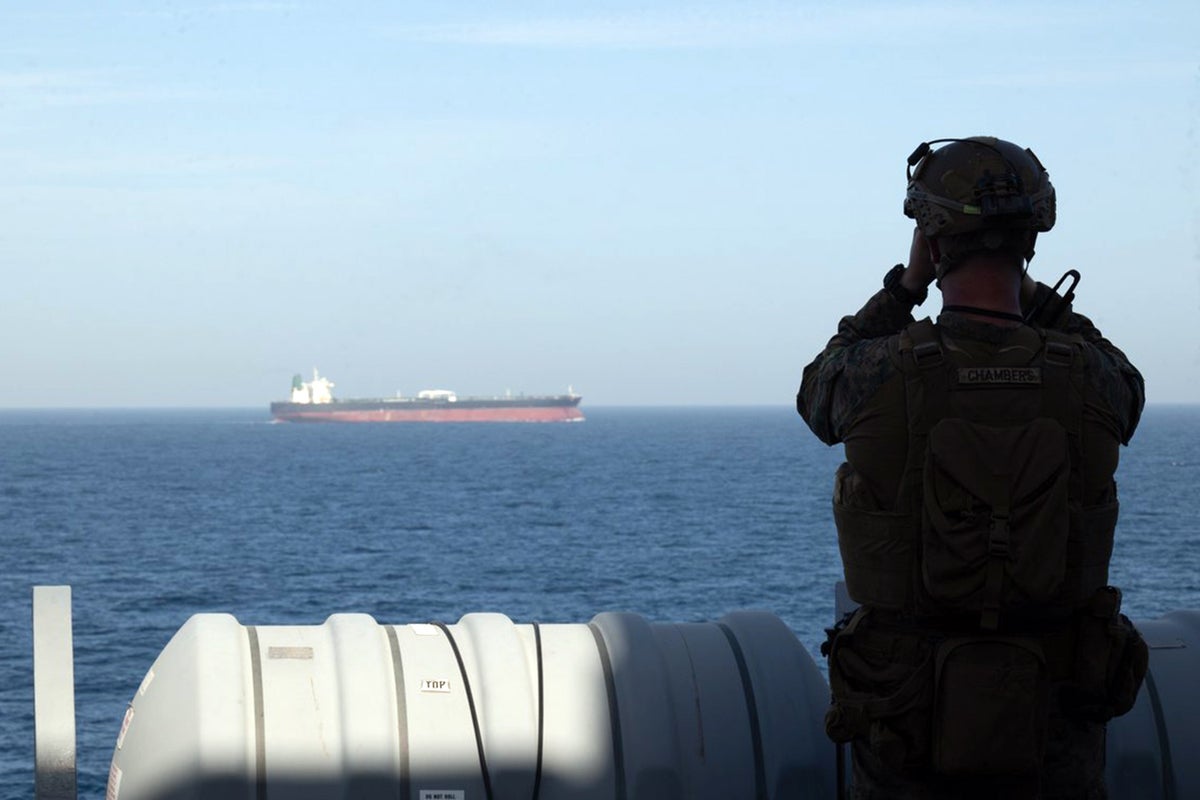
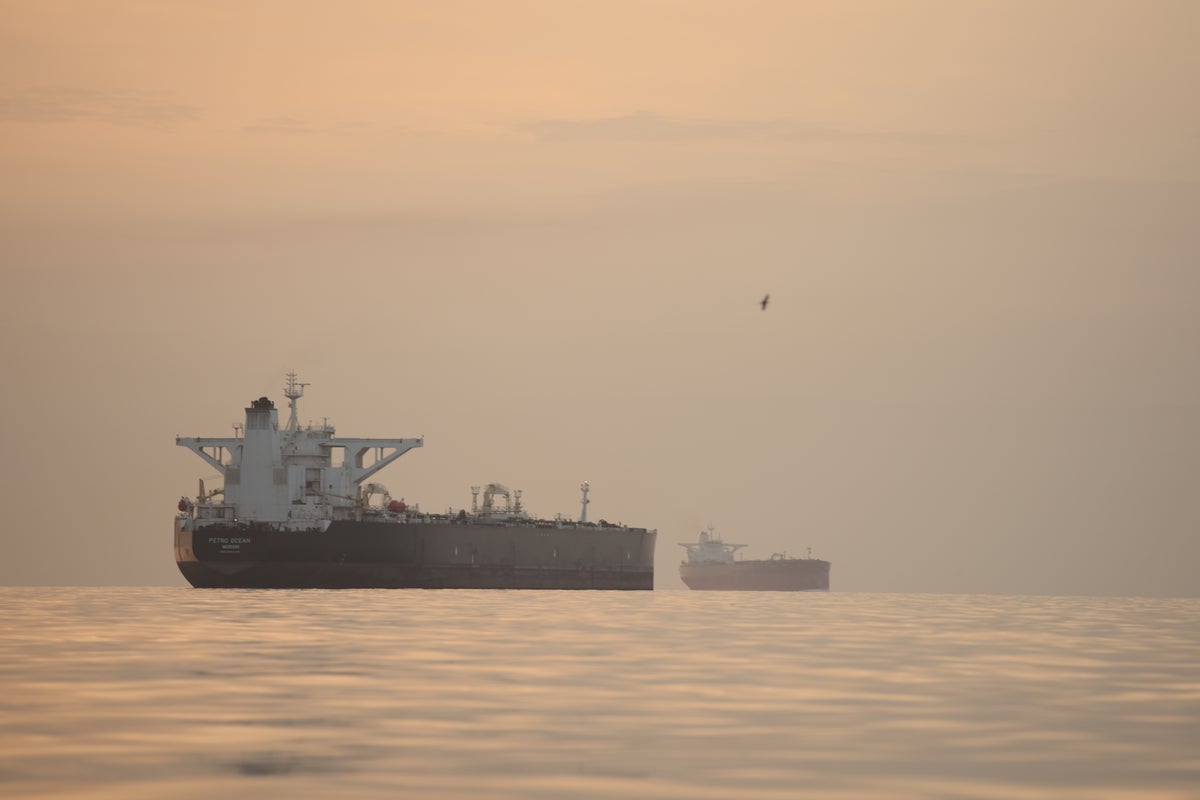
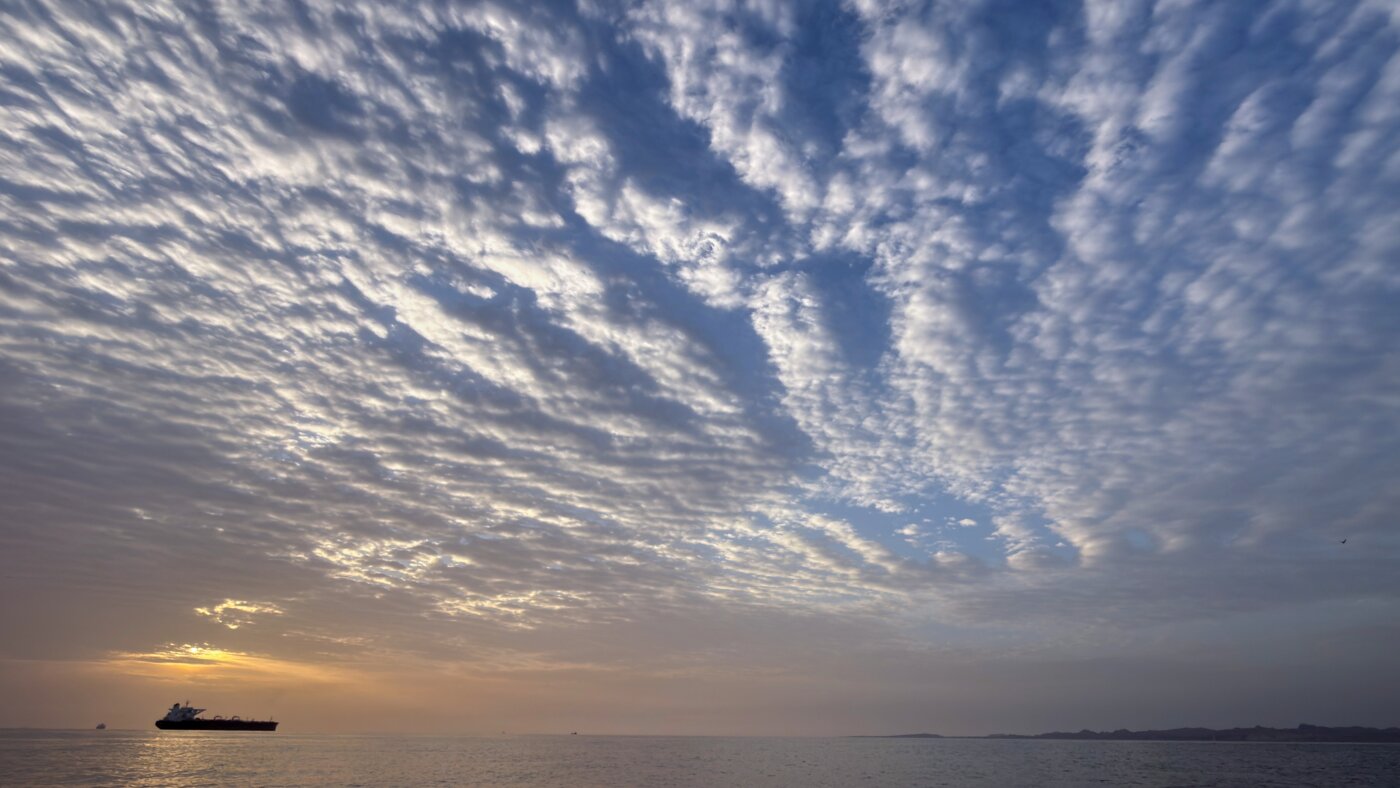
Iran's military has taken a hardline stance, closing the strait to shipping traffic and firing upon vessels attempting to navigate through. This move has raised alarms about potential disruptions to the flow of approximately 20% of the world’s oil.
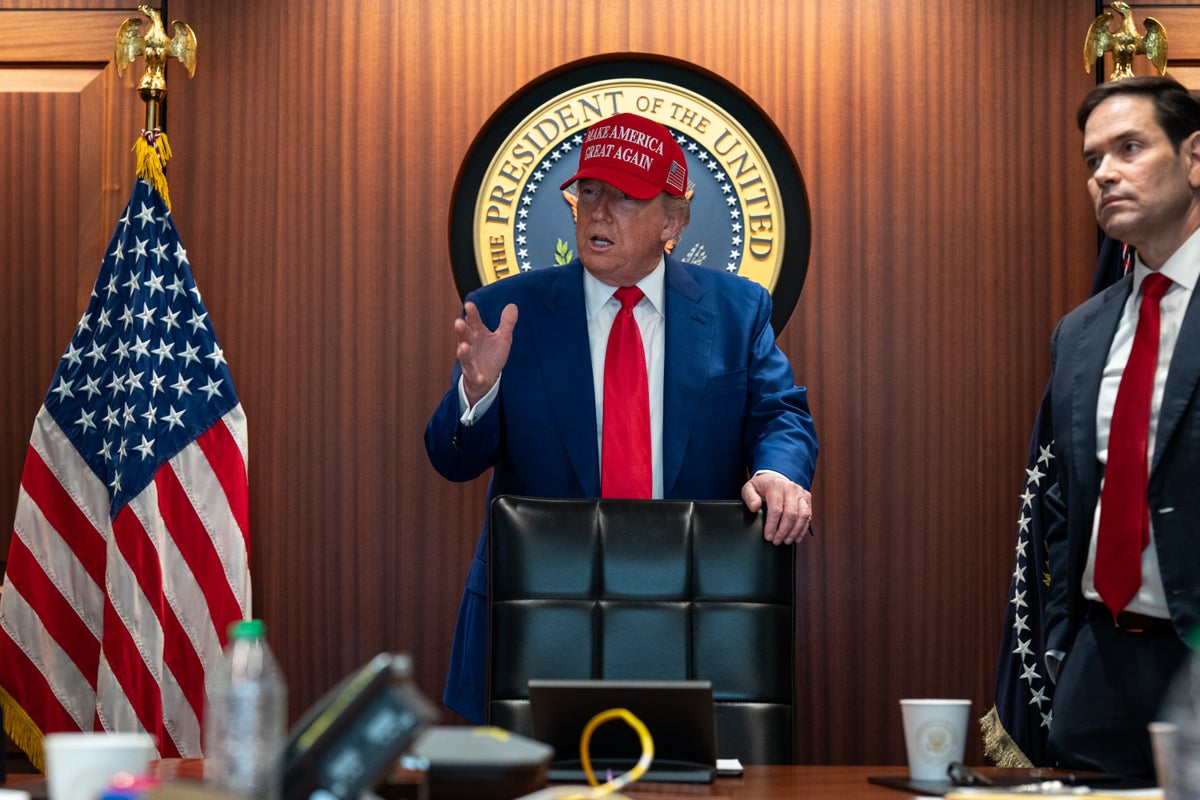
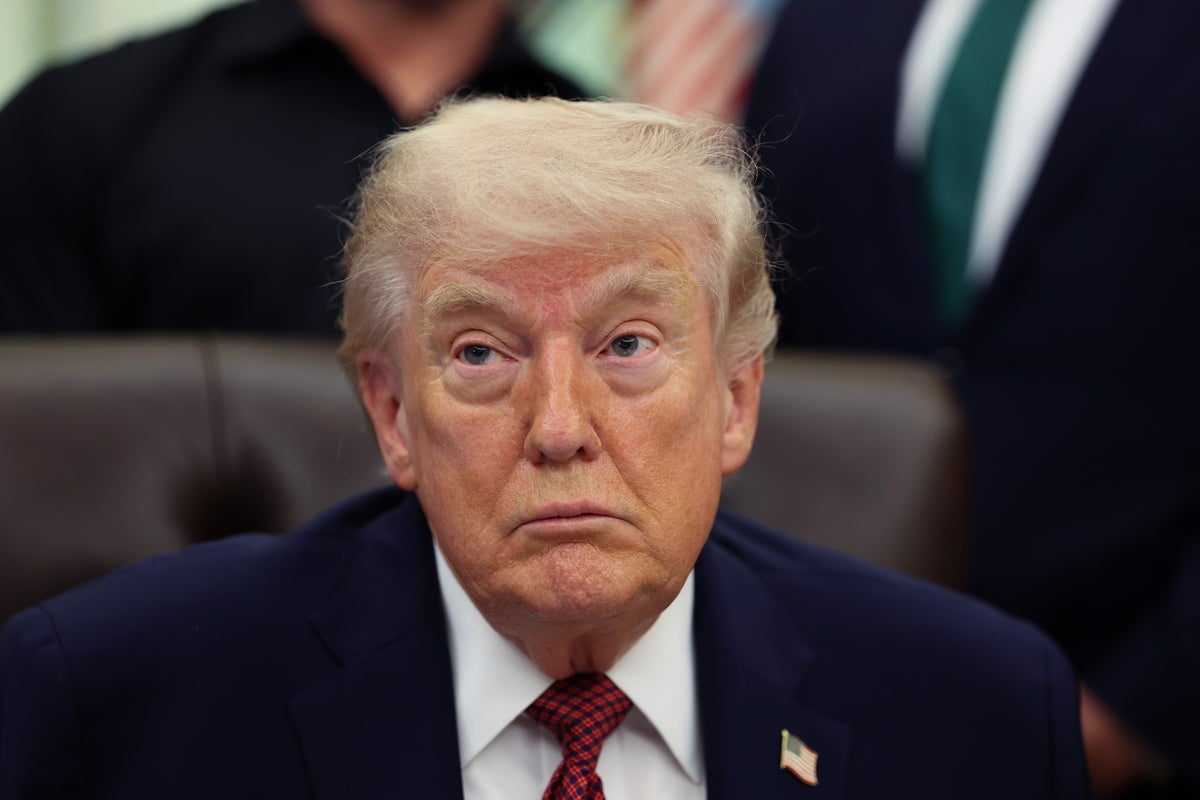
“They wanted to close up the strait again, as they have been doing for years. They can't blackmail us,” President Trump stated, emphasizing the U.S. resolve in the face of Iranian aggression.
In light of these developments, U.N. Ambassador Mike Waltz is expected to provide insights on the situation, alongside former energy security adviser Amos Hochstein, who will analyze the implications for energy prices.
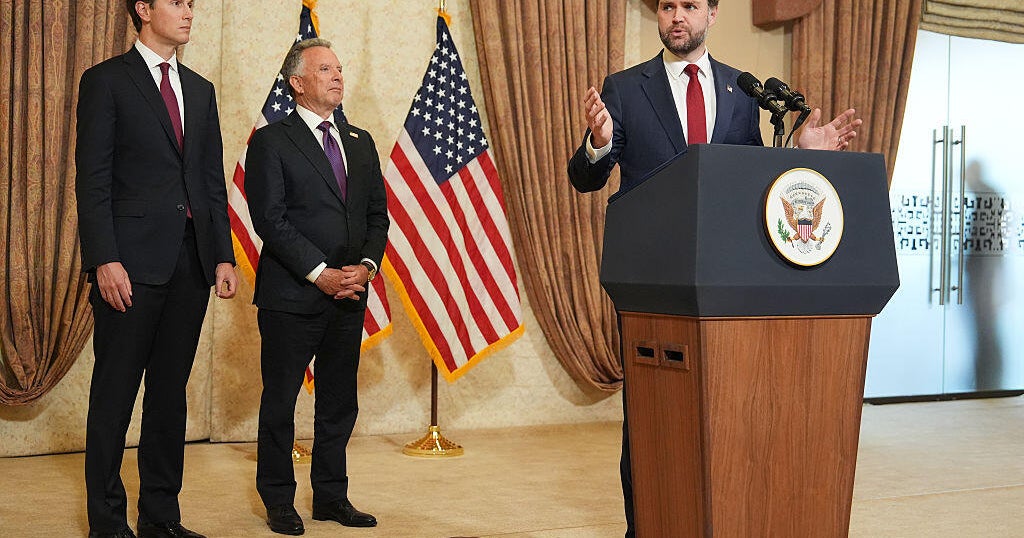
Meanwhile, President Trump has announced a new round of talks set to begin in Islamabad, with key figures including Vice President Vance and special envoy Steve Witkoff leading the U.S. delegation.
As tensions mount, Trump has issued stark warnings to Iran, threatening to target its infrastructure if negotiations fail. “Traffic through the Strait of Hormuz remains at a near standstill,” he noted, highlighting the urgency of the situation.
Senior foreign correspondent Imtiaz Tyab reported on the Iranian military's aggressive actions, including an incident where an Indian ship was ordered to turn back from the strait. “For a brief moment, Iran had reopened the world's most contested waterway,” Tyab explained, but that decision quickly reversed following U.S. announcements regarding continued blockades.
Tyab's report revealed that since hostilities began, an estimated $50 billion worth of oil has been lost from global markets due to Iran's blockade. The Revolutionary Guard's recent gunfire at vessels further escalates concerns about maritime safety.
In a statement attributed to Supreme Leader Mojtaba Khamenei, Iran's navy vowed to “make their enemies taste the bitterness of new defeats.” Despite this, the cease-fire in Lebanon remains intact, allowing thousands of displaced Lebanese citizens to return home.
As negotiations loom in Islamabad, questions arise about who holds power within Iran’s leadership. Ambassador Waltz remarked on the chaotic nature of Iranian politics, suggesting that trust is a luxury that cannot be afforded in these negotiations.
“The Iranian regime is in chaos,” Waltz stated, emphasizing that any agreement must be verifiable and enforceable. He expressed confidence that Iran would ultimately come to the negotiating table.
Brennan pressed Waltz on whether the right individuals would be present at the talks, given recent shifts in Iranian leadership dynamics. “The Iranian side is in a bit of chaos,” he acknowledged, underscoring the complexities involved.
As discussions continue, the U.S. remains committed to ensuring that Iran does not acquire nuclear capabilities. “We are not waiting until it’s too late,” Waltz asserted.
The conversation shifted to energy prices as Hochstein weighed in on current gas costs, which have surged due to geopolitical tensions. “If you were advising President Trump today, how do you make sure this spike isn't long-lasting?” Brennan asked.
Hochstein warned that prolonged closure of the Strait could lead to significant price increases globally. “We’re at a tipping point,” he cautioned, noting that countries are already feeling the impact of fuel shortages.
As discussions about Iran’s nuclear ambitions and regional influence unfold, former Attorney General Eric Holder joined the conversation to discuss redistricting efforts in Virginia and their implications for future elections.
Holder emphasized that current measures are necessary to counteract Republican-led gerrymandering efforts across various states. “We have to deal with this crisis that is in front of us,” he stated firmly.
The broadcast concluded with a segment on Pope Leo XIV’s tour through Africa, where he addressed peace efforts amid ongoing conflicts. His remarks were overshadowed by tensions with President Trump over differing views on international relations.
As "Face the Nation" wraps up, viewers are left with pressing questions about the future of U.S.-Iran relations and the broader implications for global stability.