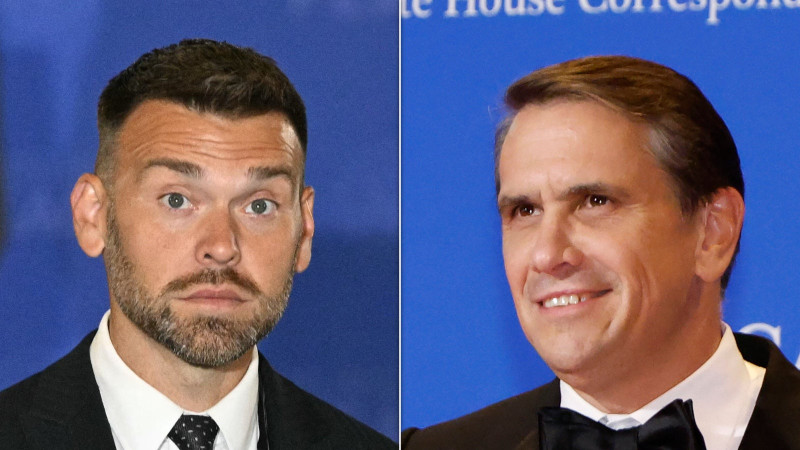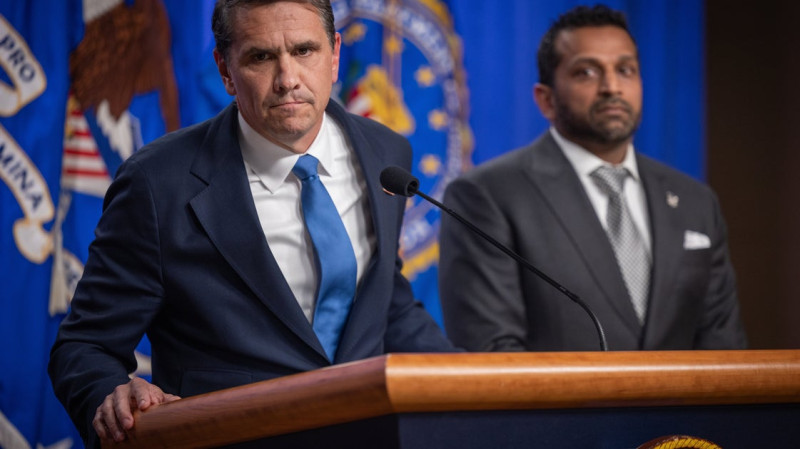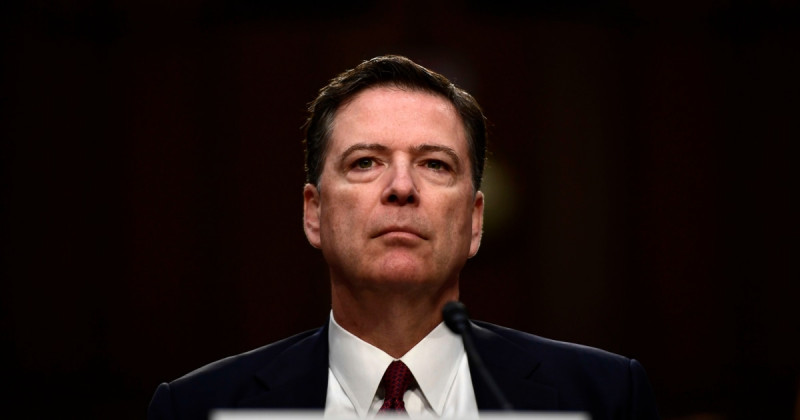



In a significant reshuffle, the Justice Department has seen Todd Blanche step into the role of acting attorney general, succeeding Pam Bondi, who was ousted from her position. This transition marks a notable shift in the agency's approach, particularly as it relates to political figures and their actions during the Trump administration.
Tuesday's court filings revealed a concerning trend: the Blanche-led DOJ may operate with even fewer constraints than its predecessor. The agency appears increasingly influenced by political considerations, straying from its traditional independence.
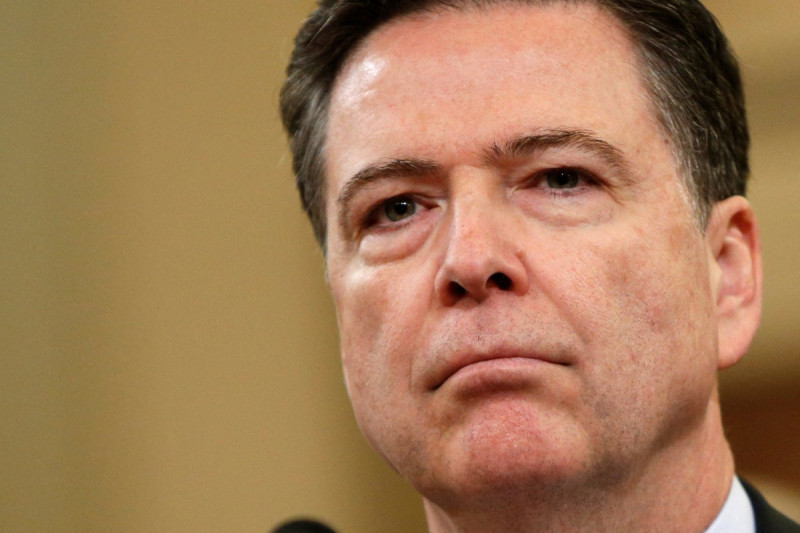
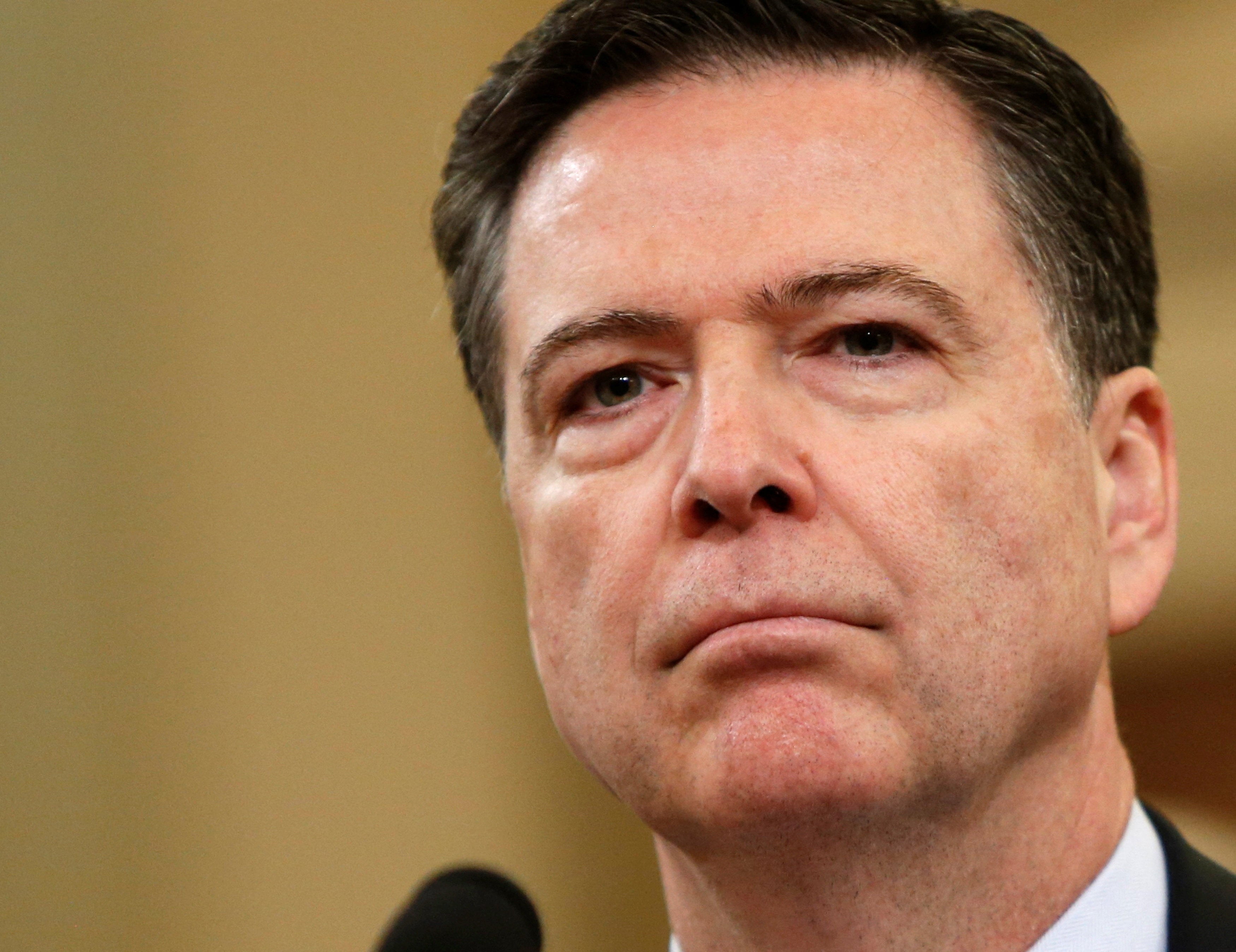
The day's headlines were dominated not by the state visit of King Charles III and Queen Camilla but by the re-indictment of James Comey, the former FBI director. Comey, who was dismissed by Trump in 2017, now faces charges related to an Instagram post that was swiftly deleted. Blanche claims this post constituted a threat against the president.
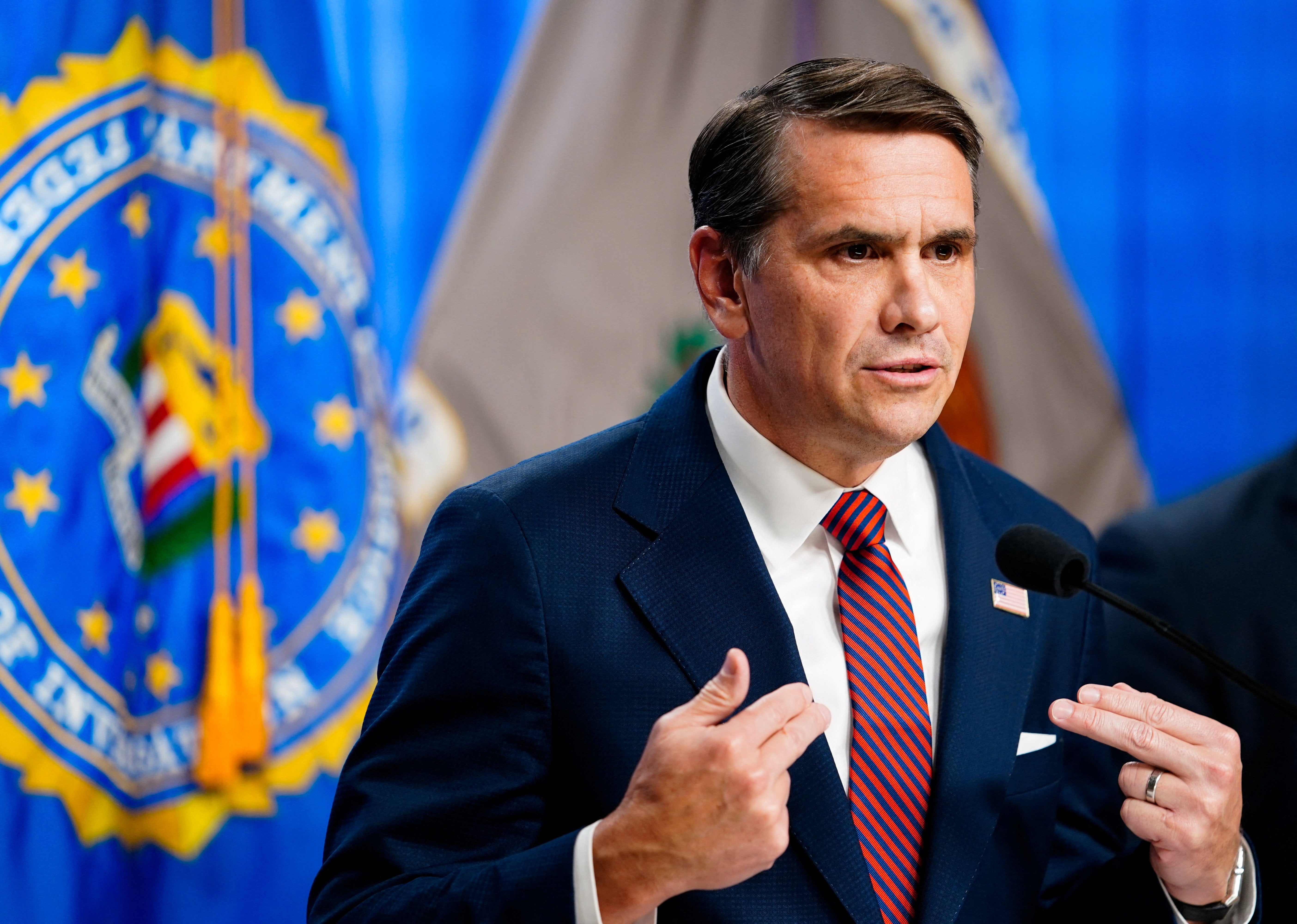
“You cannot threaten to kill the president of the United States. Full stop,” Blanche asserted during a press conference, defending the decision to charge Comey nearly a year after the incident. The post in question featured the numbers “86” and “47” arranged in seashells on a beach.
Comey has denied any intent to incite violence, and legal experts have criticized the indictment as lacking merit, suggesting it would likely be deemed protected speech under First Amendment rights.
Despite the low probability of a conviction, some observers argue that the indictment serves a broader purpose. David Ogden, a former deputy AG, remarked, “The indictment is absurd on its face and shows how far the Department of Justice has fallen in just over a year.” He emphasized that such actions reflect a lack of independent legal judgment within the DOJ.
Steve Salky, an attorney tracking unusual prosecutions since January 2025, compared this renewed effort against Comey to previous cases against protesters. He noted that many prosecutions resulted in dismissals or acquittals, suggesting that the goal was not necessarily to secure convictions but to intimidate individuals exercising their First Amendment rights.
The Comey case raises critical questions about the DOJ's independence from the White House. The initial prosecution followed Trump's public call for action against Comey, indicating a direct influence on legal proceedings.
Reporters pressed Blanche on what had changed since Comey's post was made and subsequently deleted. He struggled to provide a clear answer, insisting that investigations had been ongoing since then.

However, his credibility was undermined by a separate filing from his office that appeared to echo Trump's rhetoric. The filing accused litigants of suffering from “Trump Derangement Syndrome” while promoting Trump's planned White House ballroom construction project.
This document further blurs the lines between law enforcement and political messaging, suggesting that the DOJ is increasingly acting as an extension of Trump's personal legal team rather than an independent agency.
Ogden criticized this approach, stating, “That filing is another embarrassment to the Department of Justice.” He expressed concern that such actions erode public trust in the agency's commitment to upholding the law impartially.

Bondi's tenure as AG was marred by controversies surrounding her handling of high-profile cases, including those involving Jeffrey Epstein. Trump's dissatisfaction with her reluctance to pursue charges against his perceived adversaries contributed to her removal.
Blanche's actions signal a willingness to abandon any semblance of independence. In a recent interview, he defended not only the prosecutions against Trump’s critics but also the notion that Trump should direct these efforts.
“There is outsized focus” on cases involving Trump’s enemies, Blanche stated, justifying their pursuit as part of presidential authority. He concluded that directing federal resources against adversaries is inherent to being commander in chief.