

Supreme Court Divided Over Trump’s Immigration Strategy and TPS Controversy
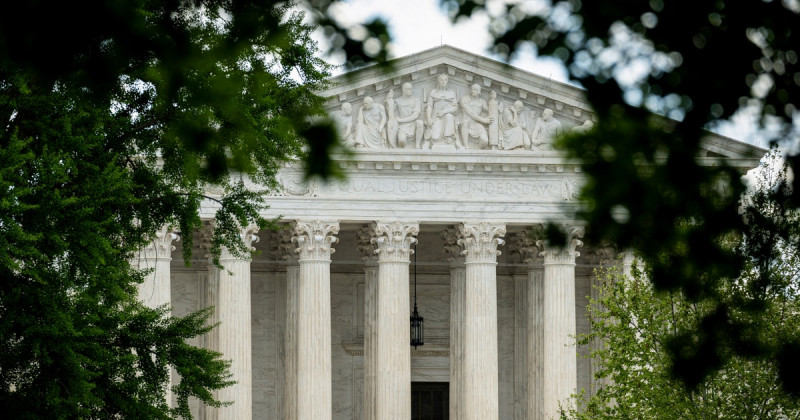
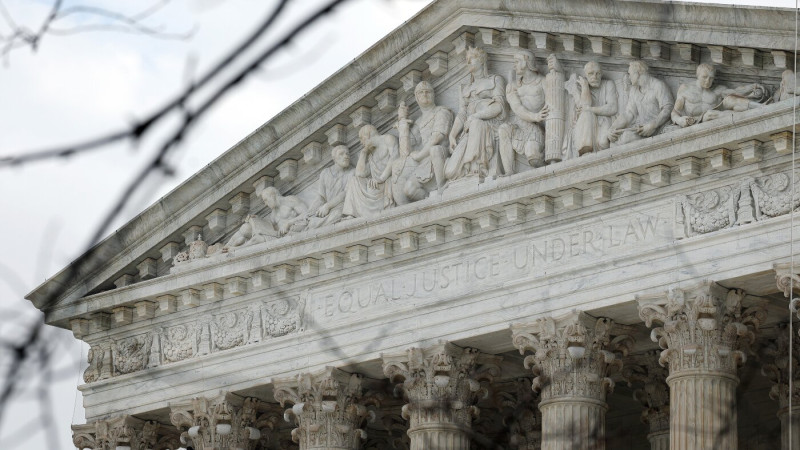
Intense questioning marked the Supreme Court's session Wednesday as justices grappled with President Donald Trump’s efforts to reshape immigration policy, specifically regarding the potential revocation of temporary protected status (TPS) for numerous immigrants residing legally in the U.S.
The cases at hand, Mullin v. Dahlia Doe and Trump v. Fritz Emmanuel Lesly Miot, focus on the administration's attempt to terminate TPS for Haitians and Syrians. Central to the debate is whether former Department of Homeland Security Secretary Kristi Noem followed necessary legal protocols before making such a significant decision.
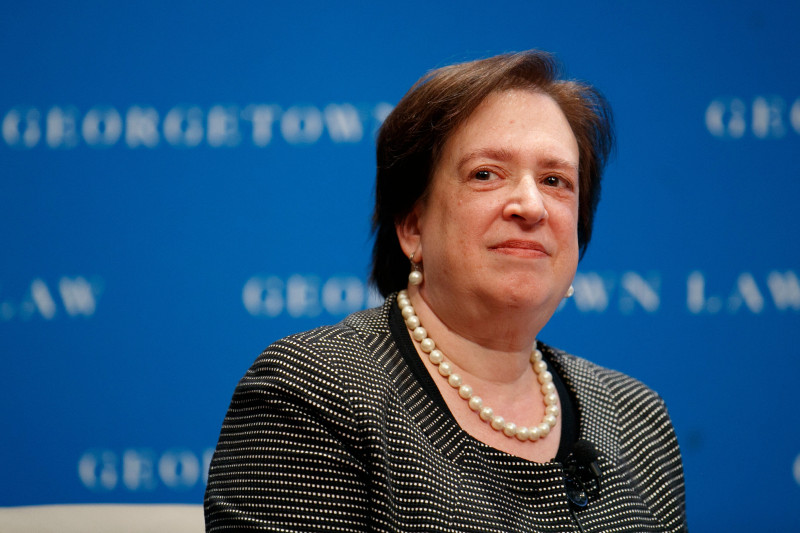
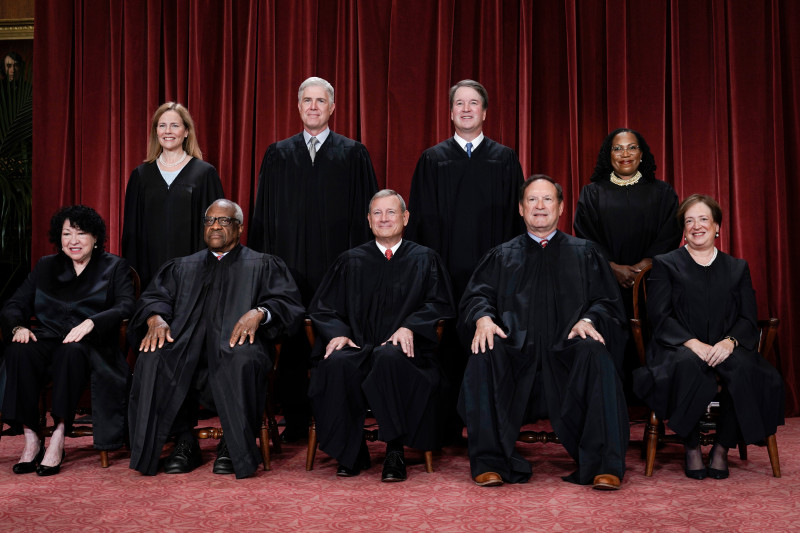
During the proceedings, a noticeable divide emerged among justices, with both conservative and liberal members questioning the legality of Noem's actions in canceling TPS for these groups. Solicitor General John Sauer asserted that “there is no judicial review” of Noem’s decisions, a claim met with skepticism from several justices, including Elena Kagan, Sonia Sotomayor, and Ketanji Brown Jackson.
“The judicial review bar is a broad one, but it means something,” Kagan remarked, challenging the notion that such decisions could escape scrutiny.
Conversely, conservative justices appeared more focused on the intricacies of legal procedures. Justice Samuel Alito cautioned that allowing challenges to the consultation process could lead to a slippery slope undermining governmental oversight.
“Once you say it’s permissible to review the adequacy of the consultation, it’s always going to be possible to raise objections,” he stated, addressing Ahilan Arulanantham, who represented TPS holders.
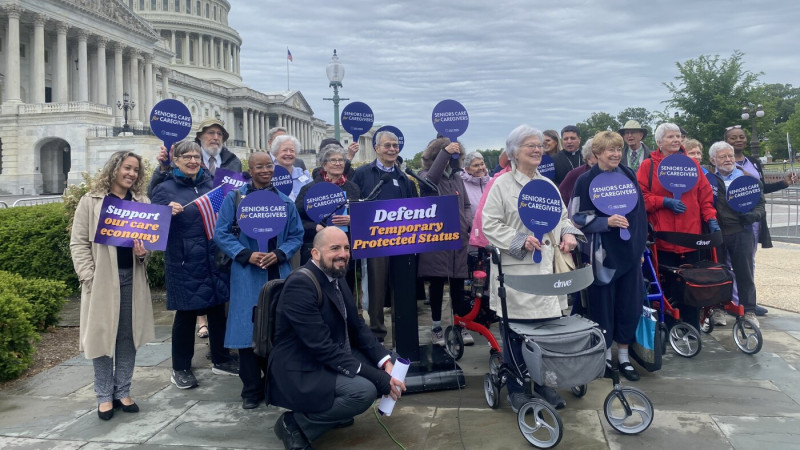
Arulanantham countered, emphasizing that consultation must address specific subjects, particularly the conditions in the countries involved. TPS is designed for individuals unable to return home due to extraordinary circumstances like violence or conflict, allowing them to live and work in the U.S. without a path to citizenship. Currently, 17 countries have TPS status, but Noem has sought to revoke protections for 13 of them.
The U.S. State Department continues to classify both Haiti and Syria as dangerous. Syria remains embroiled in a humanitarian crisis exacerbated by ongoing conflict, while Haiti struggles with rampant violence and political instability. The State Department has issued a “Level 4 - no travel” advisory for both nations.
Approximately 350,000 Haitians and 6,000 Syrians in the U.S. could be directly affected by the court's ruling. A decision favoring the administration could also set a precedent impacting over 1.2 million TPS holders from other countries, as Trump has long expressed intentions to dismantle the TPS program entirely.
Federal law stipulates that TPS can only be terminated after consultation with relevant government agencies. If the Department of Homeland Security fails to notify about the termination at least 60 days prior to expiration, TPS recipients are granted an automatic six-month extension.
Lower courts have blocked attempts to revoke TPS for Syria and Haiti, citing violations of the Administrative Procedure Act, which prohibits arbitrary cancellations without proper consultation. Arulanantham argued that while the secretary has authority to terminate TPS, she must adhere to established statutory procedures.
“The secretary can terminate TPS, but she must turn square corners and follow the rules that Congress set,” he stated during arguments.
In this case, he contended that Noem “failed to follow the steps” required for consultation with other agencies before making her determination.
Arulanantham pointed out that while discerning intent behind federal decisions can be challenging, this situation was distinct due to Noem’s public comments suggesting her motivations were influenced by inappropriate factors.
Noem has previously referred to immigrants in derogatory terms when discussing travel bans, which TPS advocates argue reflects racial bias influencing her decision-making process regarding TPS.
Judge Ana Reyes noted during earlier proceedings that while Noem's remarks were protected under the First Amendment, she was still bound by constitutional and procedural requirements in implementing TPS.
Justice Brett Kavanaugh raised the possibility that improved conditions in Syria might justify revoking TPS status; however, Arulanantham maintained that meaningful consultations were still necessary regardless of conditions on the ground.
Sauer suggested that Noem had considerable discretion in her decision-making process and could determine that no appropriate agencies needed consultation without facing judicial review.
Justice Jackson posed a hypothetical scenario questioning whether arbitrary methods could be used in decision-making about TPS revocation, emphasizing that such actions would not comply with statutory requirements.
The Supreme Court's ruling may take months to finalize or could emerge as soon as June. The justices are currently focused on jurisdictional questions surrounding TPS provisions, leaving open issues related to racial bias and equal protection violations for future litigation.
Meghan Haputman from the International Refugee Assistance Project expressed uncertainty about how the court might rule but acknowledged that their decision could significantly impact many lives.
“If they find there is jurisdiction for courts to review TPS decision-making, it will allow ongoing litigation for other cases,” she noted. “The administration won’t cease its efforts if given a green light to bypass our laws.”
This story is developing; updates will follow as more information becomes available.