Trump Administration Launches Aggressive Assault on Historic Reparations Program
The Department of Justice has declared that a groundbreaking reparations program for Black residents is illegal, asserting it discriminates against non-Black individuals by not providing them with benefits.
The Justice Department aims to intervene in a lawsuit aimed at halting a program from Evanston, Illinois, which has allocated $25,000 payments to residents aged 18 or older between 1919 and 1969, along with “direct descendants” of Black individuals who lived in the city during that period.
A class-action lawsuit filed by the conservative group Judicial Watch on behalf of non-Black residents contends that the program is “purposefully and intentionally discriminating” against them.
Donald Trump’s Justice Department seeks to join this legal battle, claiming violations of the 14th Amendment’s Equal Protection Clause and the Fair Housing Act.
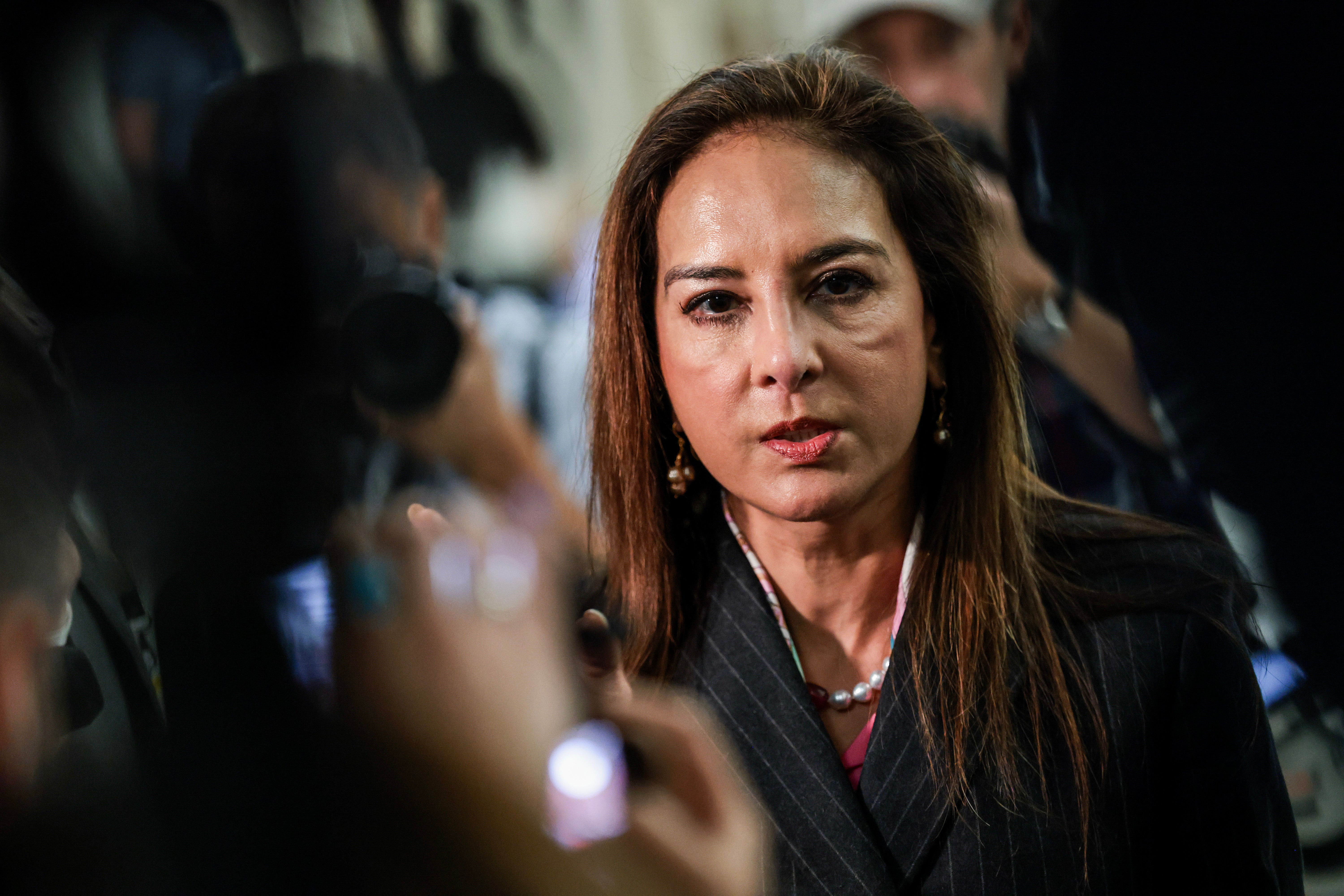
Harmeet Dhillon, chief of the Justice Department’s civil rights division, stated, “There are sound ways for a city to remedy past discrimination or direct resources to its most vulnerable citizens and neighborhoods. Simply handing out money based on race, however, is not the answer. It is race discrimination, pure and simple. And it is illegal.”
Evanston made headlines globally when it enacted the first reparations law in the United States in 2019, following decades of advocacy from Black Americans and descendants of enslaved individuals nationwide.
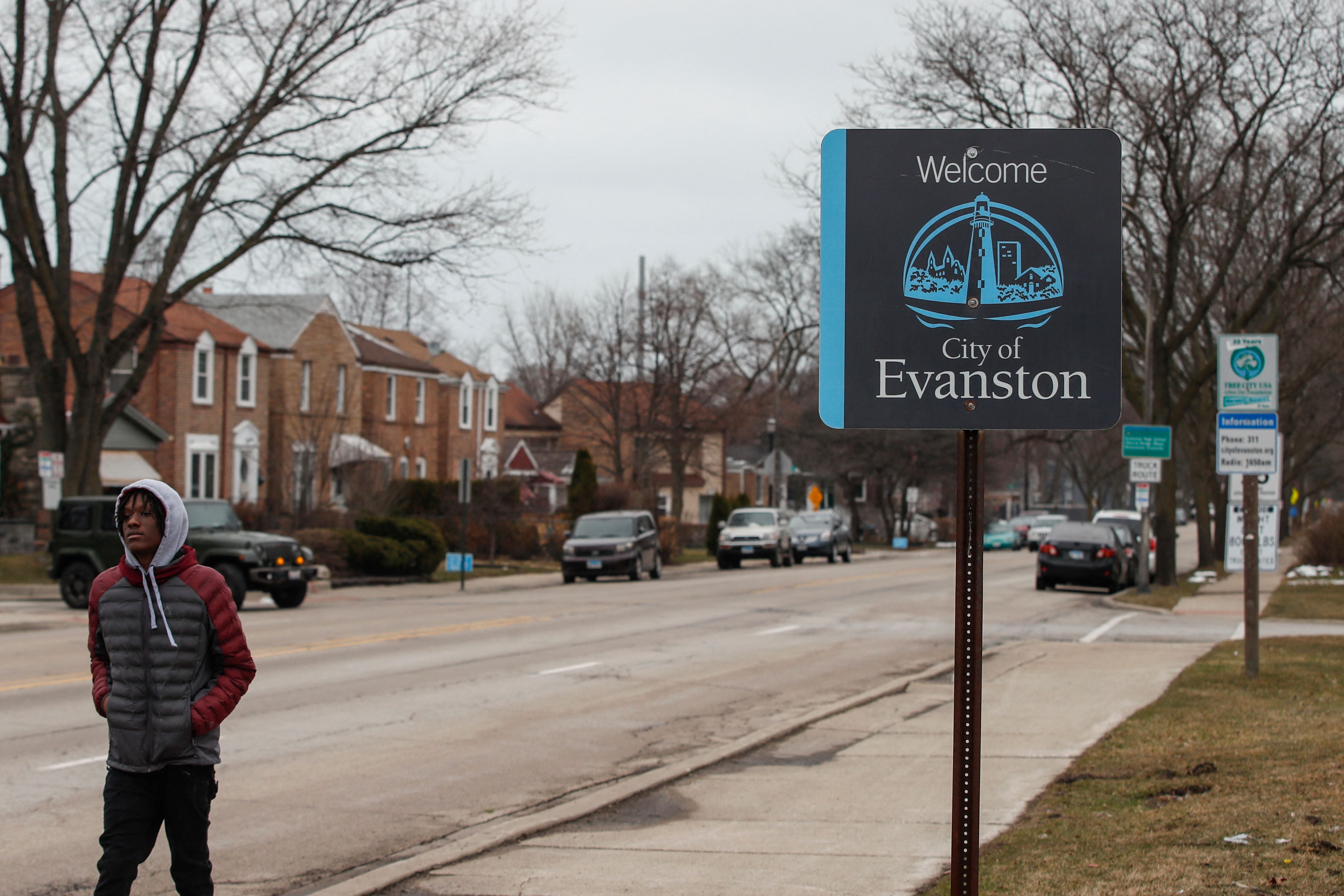
The city identified discriminatory housing policies from the 20th century as the “strongest case for reparations,” funding the initiative with $10 million generated from recreational marijuana sales after legalization in early 2020.
To date, the city has distributed over $6 million to ancestors and direct descendants of Evanston’s Black community.
The Trump administration initiated an investigation into this program earlier this year, but the city reportedly “refused to cooperate,” according to the Justice Department.
Acting Attorney General Todd Blanche approved a motion to join the case, certifying it as one of public interest and asserting the government’s right to enforce the Fair Housing Act.
U.S. Attorney Andrew Boutros for the Northern District of Illinois stated, “The Supreme Court has repeatedly affirmed that government actions classifying citizens by race are presumptively unconstitutional.”
He added, “The Constitution demands that the government treat citizens as individuals, not as members of a racial class. Distributing public funds based on an individual's ancestry or race divides the citizenry and establishes the very hierarchy the Equal Protection Clause was designed to dismantle.”
Evanston responded with a brief statement asserting it “maintains its position” regarding the legality of its reparations program.
The city remarked, “While we are cognizant of the filing made by the DOJ, the City does not provide comments regarding active litigation.”
FirstRepair, a partner in Evanston’s reparations program, stated, “The movement for reparations is, at its core, a movement for justice, accountability and the necessary repair of historical and ongoing harms that shape our nation’s landscape.”
They added, “While this latest legal maneuver is an unfortunate escalation, it is not unexpected. We recognize this is not merely a challenge to one city but a direct attempt to obstruct the broader, growing movement for reparative justice.”
After taking office, Dhillon redirected the Civil Rights Division to align with the president’s agenda.
Dhillon, previously a personal attorney for Trump, launched numerous high-profile lawsuits on behalf of right-wing activists against gender-affirming healthcare and policies aimed at protecting LGBT+ individuals before her nomination to lead the Justice Department’s Civil Rights Division.
At her post, Dhillon has pursued investigations into transgender athletes and alleged “anti-Christian bias,” while also dismissing several lawsuits against police departments nationwide, effectively ending critical investigations into constitutional violations and civil rights abuses following high-profile police killings.