
Trump Administration Leverages Racist Legal Theories in Bid to Abolish Birthright Citizenship
Donald Trump’s initiative to alter the Constitution regarding American citizenship hinges on antiquated legal theories rooted in white supremacy, critics assert. This includes references to a former Confederate officer and a historical case that denied citizenship to Native Americans.
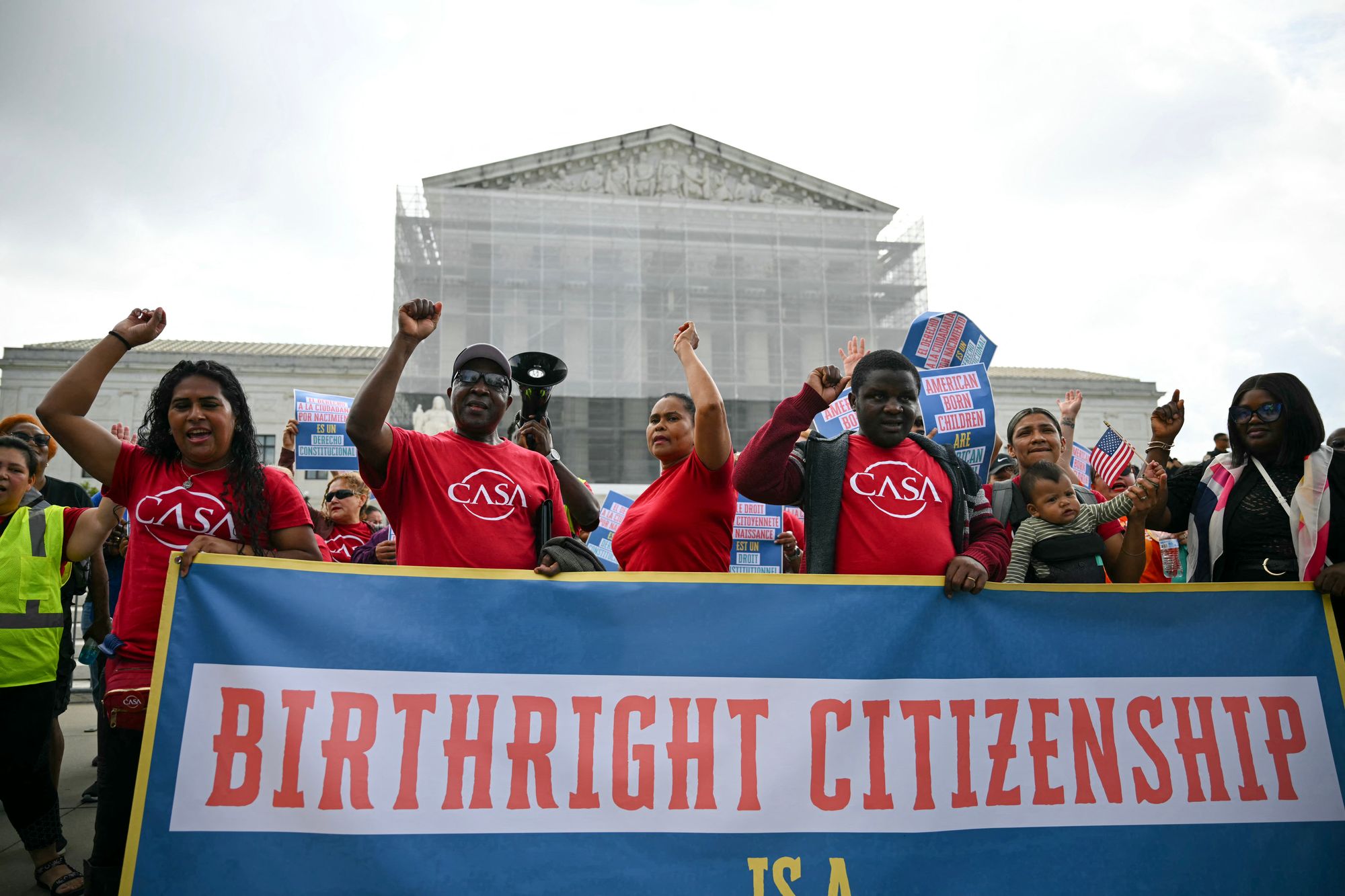
The Supreme Court is set to hear arguments on April 1 concerning the president’s executive order aimed at denying citizenship to American-born children of specific immigrant groups, a significant challenge to established law that has granted citizenship to most individuals born in the U.S.
In their legal briefs, attorneys from the Trump administration reference scholars from the 1800s who opposed birthright citizenship, a movement that emerged amid rising anti-Black and anti-Chinese sentiments following Reconstruction.
Among those cited is Alexander Porter Morse, a Confederate officer whose views contributed to the Supreme Court’s “separate but equal” doctrine established in 1896, which legitimized Jim Crow laws. The administration quotes Morse, asserting that children of “foreigners transiently within the United States” should not be considered U.S. citizens.
Additionally, Francis Wharton, an attorney who argued against granting citizenship to “insufficiently civilized” Chinese immigrants, is referenced. He claimed that such actions would invite “foreign barbarism” into the nation.
The 14th Amendment clearly states that “all persons born or naturalized in the United States, and subject to the jurisdiction thereof, are citizens of the United States and of the state wherein they reside.” For over a century, this definition has been upheld by the Supreme Court as applicable to all children born on U.S. soil.
In the late 1800s, Wharton and others contended that the phrase “subject to the jurisdiction thereof” excluded children of Chinese immigrants. Attorney George D. Collins went so far as to label Chinese immigrants as “utterly unfit” for citizenship.
“Are Chinese children born in this country to share with the descendants of the patriots of the American Revolution the exalted qualification of being eligible to the Presidency of the nation?” Collins questioned in correspondence with the Supreme Court in 1898.
The Supreme Court ultimately rejected these arguments in a landmark ruling in United States v. Wong Kim Ark, affirming that the 14th Amendment grants citizenship to nearly all individuals born in the U.S., with exceptions for children of diplomats and invading military forces.
Justin Sadowsky, an attorney with the Chinese American Legal Defense Alliance, criticized the Trump administration’s legal rationale as “built on a racist foundation.” His organization points out at least 19 instances where arguments from Collins and others were dismissed in the Wong Kim Ark case.
Cody Wofsy, deputy director of the ACLU’s Immigrants’ Rights Project, described today’s arguments as “entirely recycled” from those rejected over a century ago. He emphasized that this reliance on fringe right-wing scholars reflects a broader agenda to reshape American demographics and redefine what it means to be an American.
Administration officials argue that these scholars have been referenced by the court in various contexts and that their views were echoed by other notable thinkers who did not hold racist beliefs.
“The Supreme Court has the opportunity to review the Fourteenth Amendment’s Citizenship Clause and restore its original public meaning,” stated White House spokeswoman Abigail Jackson. She noted that this case could have significant implications for national security.
Trump’s executive order, signed on his first day back in office, would deny citizenship to newborns if their mothers were “unlawfully present” or held “lawful but temporary” status, and if their fathers were not U.S. citizens or lawful permanent residents at their time of birth.
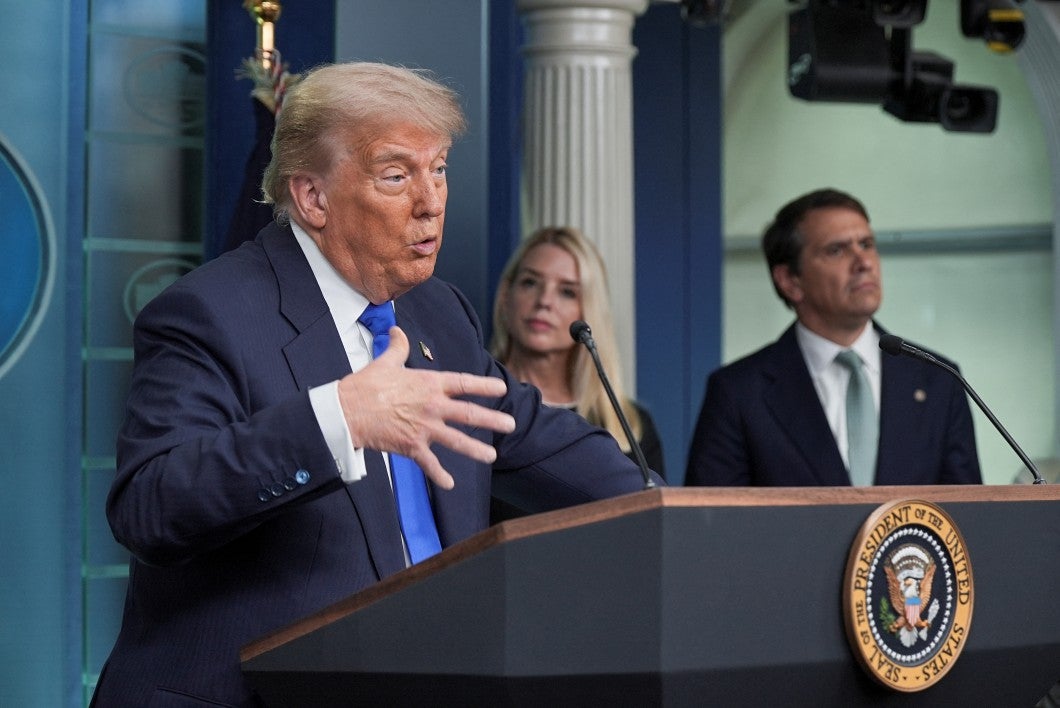
Critics warn that allowing such an executive order would effectively rewrite a fundamental aspect of the 14th Amendment, leading to a fragmented system of rights and citizenship benefits, including voting rights.
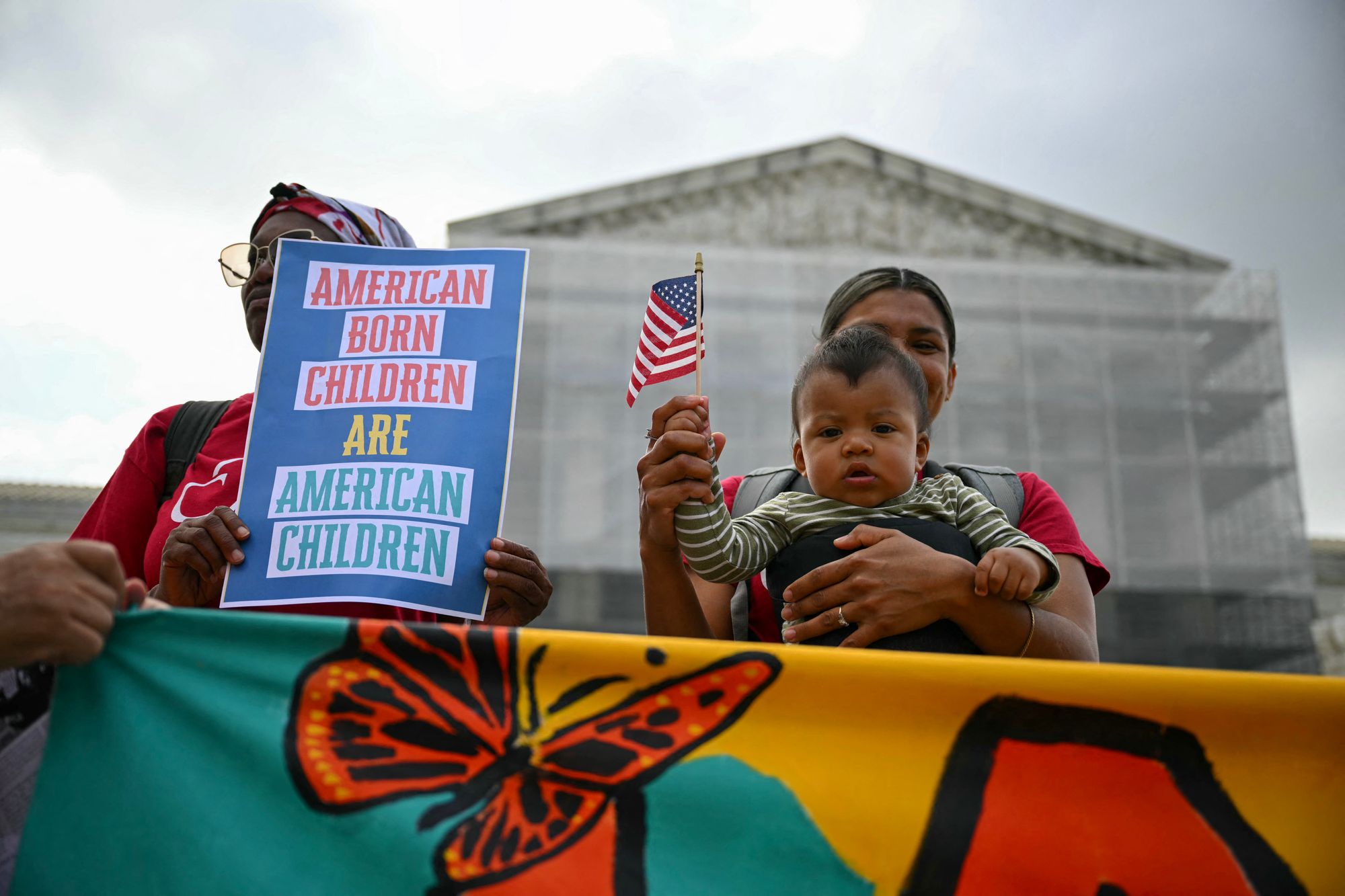
According to plaintiffs, tens of thousands of newborns could be denied citizenship annually under Trump’s directive, potentially resulting in stateless families with mixed immigration statuses and inconsistent constitutional rights.
“Currently, having a baby in the United States is straightforward. The hospital completes a form, and within days, your newborn receives a Social Security number and a birth certificate confirming their citizenship,” Wofsy explained. “This system functions because it is simple and universal. This executive order would dismantle that simplicity and create chaos for everyone.”
Ama S. Frimpong, legal director at We Are CASA, an advocacy group challenging Trump’s order, expressed concern for families and pregnant immigrant mothers regarding their children’s birth certificates and guaranteed rights.
“Allowing this executive order to remain in effect would create chaos, undermining established systems reliant on birthright citizenship and potentially leaving children stateless or vulnerable to deportation by their own government,” she stated last week.
Just two days before the Supreme Court heard arguments regarding his executive order, Trump criticized justices on Truth Social, claiming birthright citizenship was about “BABIES OF SLAVES,” reiterating his administration's stance that the 14th Amendment’s citizenship clause was intended solely for formerly enslaved individuals and their descendants.
“There’s irony in some of the Trump administration's arguments — suggesting that the citizenship clause was meant only for Black Americans,” Wofsy noted. “However, the text clearly states all persons born.”
“While civil rights legislation may have initially aimed to address injustices against Black Americans, Congress has employed universal language to ensure protection for everyone,” he added.
The Trump administration now utilizes civil rights language to advocate for white litigants claiming racial discrimination.
“There’s real irony in its arguments that suggest this clause should only protect one race rather than all children born in this country,” Wofsy concluded.