

Trump Axes Witkoff and Kushner's Pakistan Mission Amid Ongoing Iran Conflict
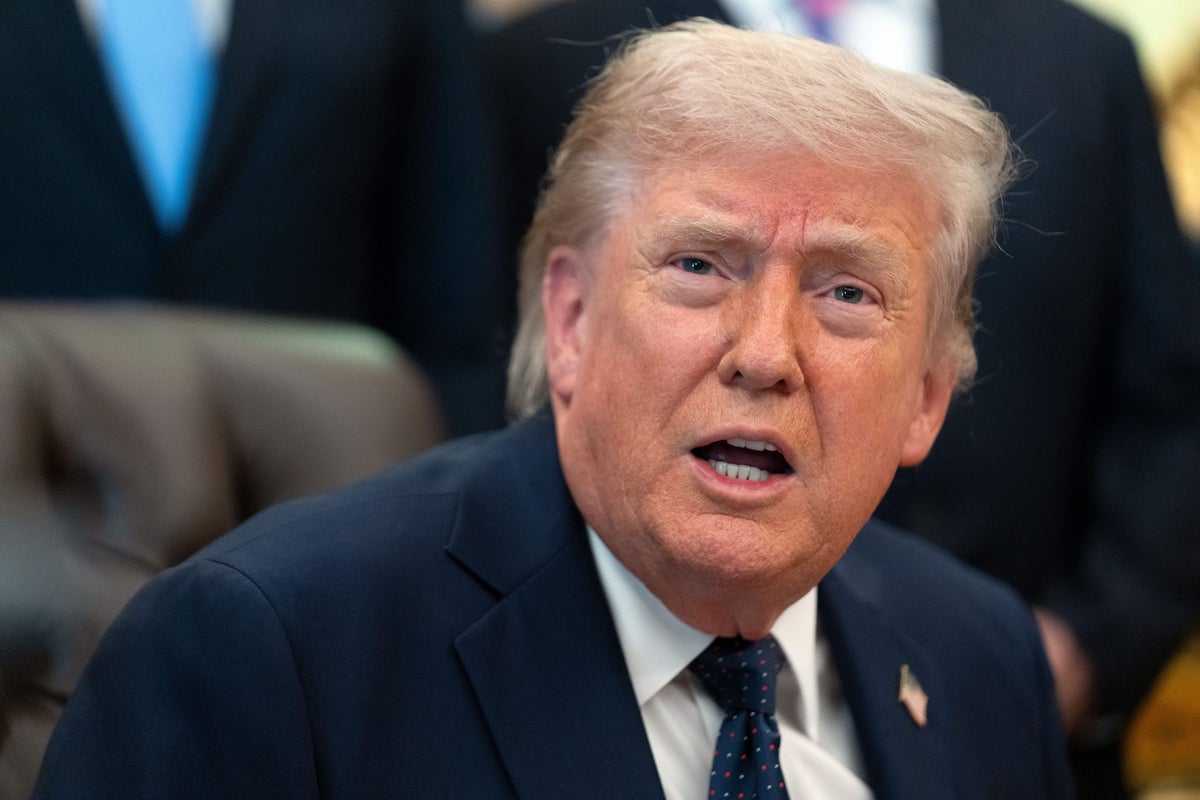
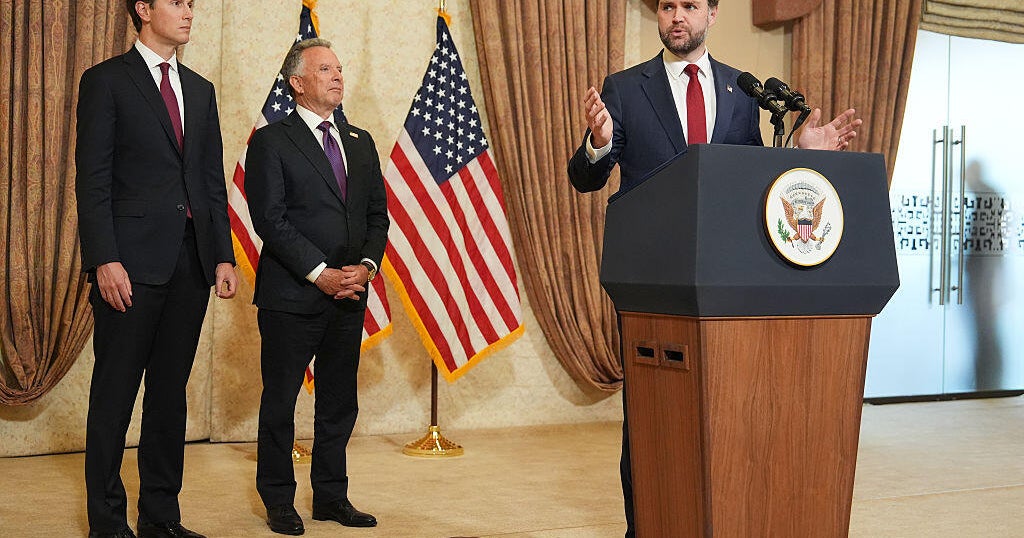
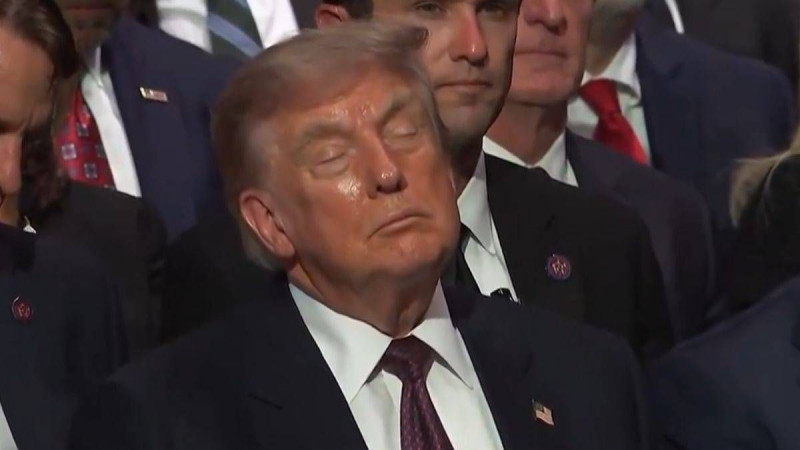
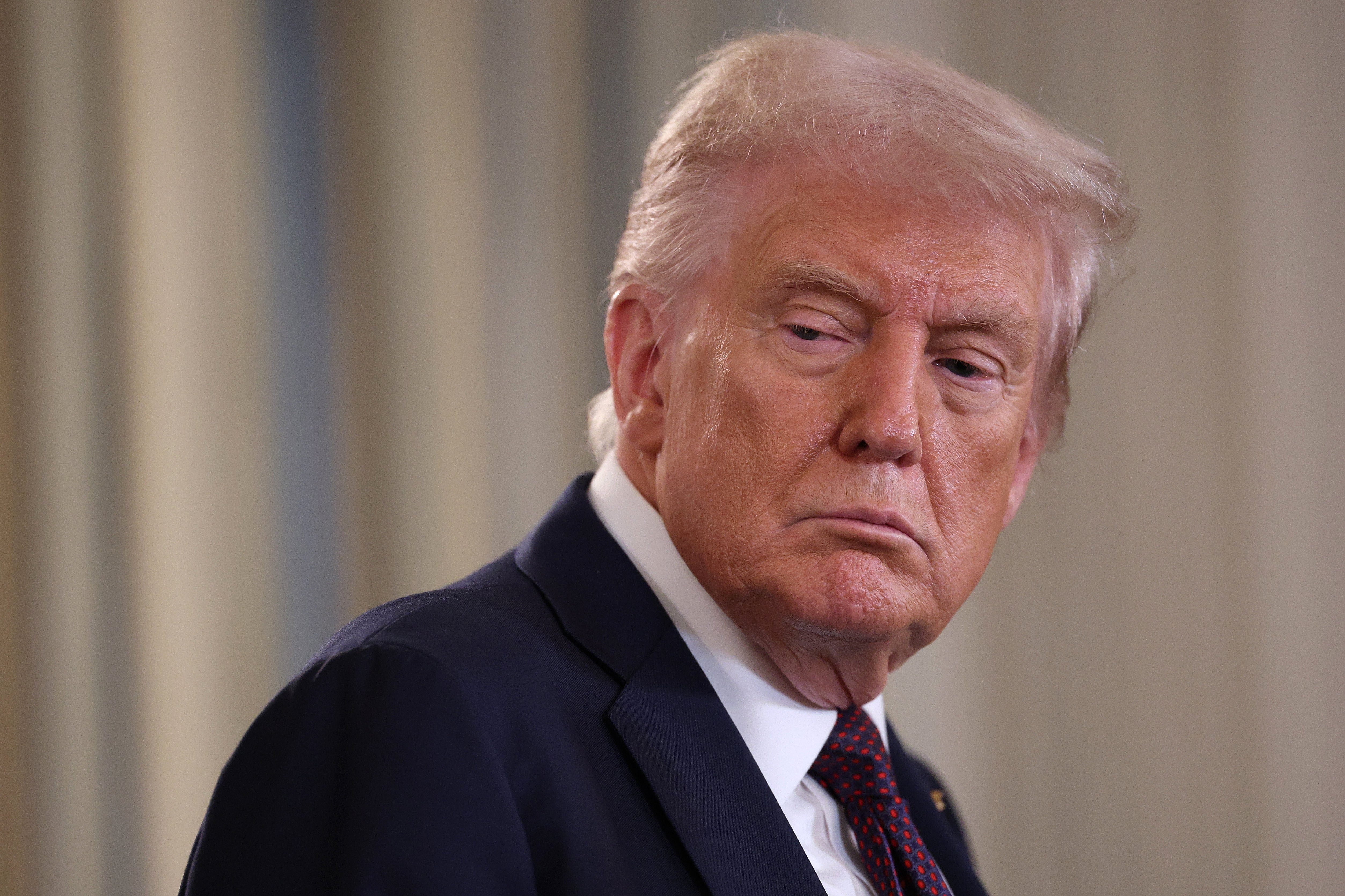
President Donald Trump abruptly canceled a planned trip for US negotiators to Pakistan aimed at facilitating ceasefire discussions regarding Iran. The decision came shortly after a shooting incident at the White House Correspondents’ Dinner, which Trump claimed would not hinder his resolve. “I just cancelled the trip of my representatives going to Islamabad, Pakistan, to meet with the Iranians. Too much time wasted on traveling, too much work!” he posted on Truth Social, referring to envoys Steve Witkoff and Jared Kushner.
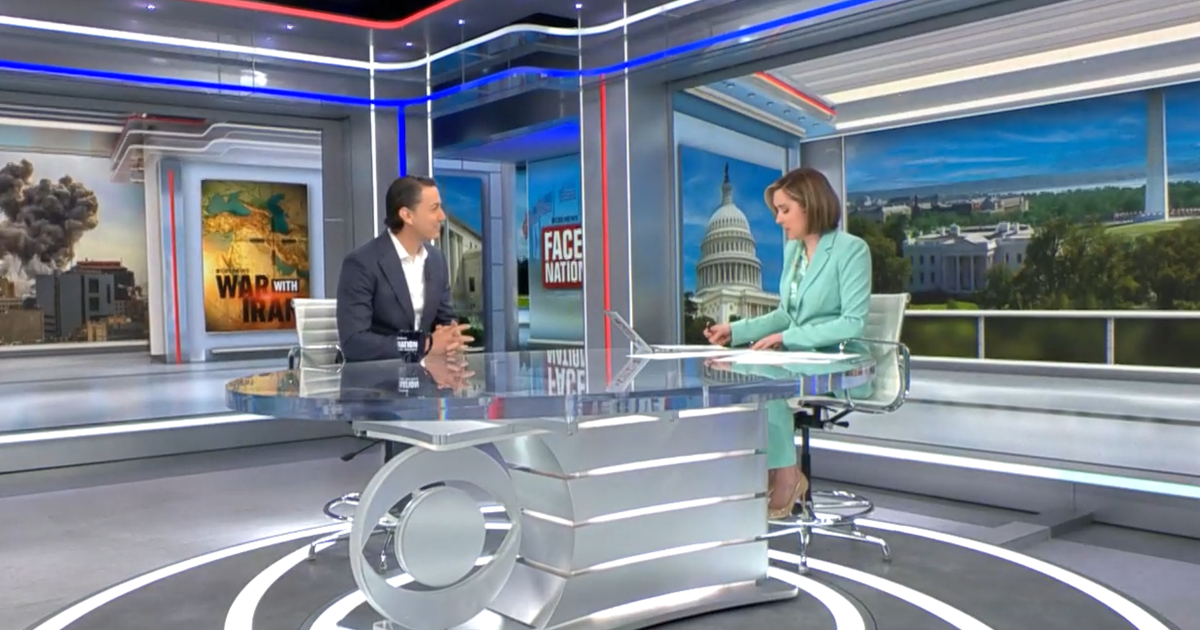
In a press briefing following the shooting, Trump asserted, “It’s not going to deter me from winning the war in Iran.” Meanwhile, Iranian Foreign Minister Abbas Araghchi indicated that discussions about the ceasefire had taken place during his visit to Pakistan, although he emphasized that no direct negotiations with Washington were on the agenda. The Iranian delegation departed Islamabad shortly after meeting with local officials.

In southern Lebanon, Israel has ordered evacuations in several towns despite a three-week ceasefire agreement. Both Hezbollah and Israeli forces are accusing each other of violating the terms of the ceasefire.
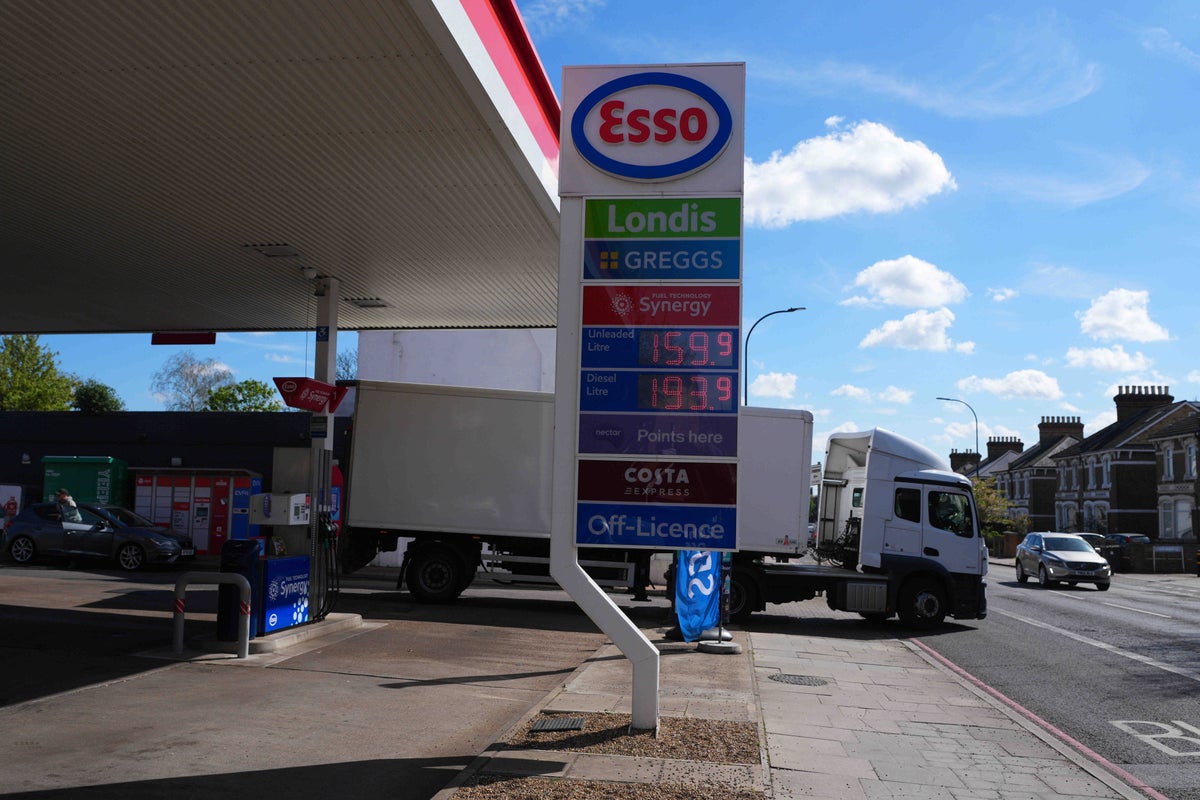
As the conflict continues, a government minister warned that price increases resulting from the Iran war will linger for at least eight months post-conflict. Chief Secretary to the Prime Minister Darren Jones stated that citizens should brace for higher costs in energy, food, and travel due to “what Donald Trump has done in the Middle East,” highlighting a “long tail” effect from the ongoing situation.
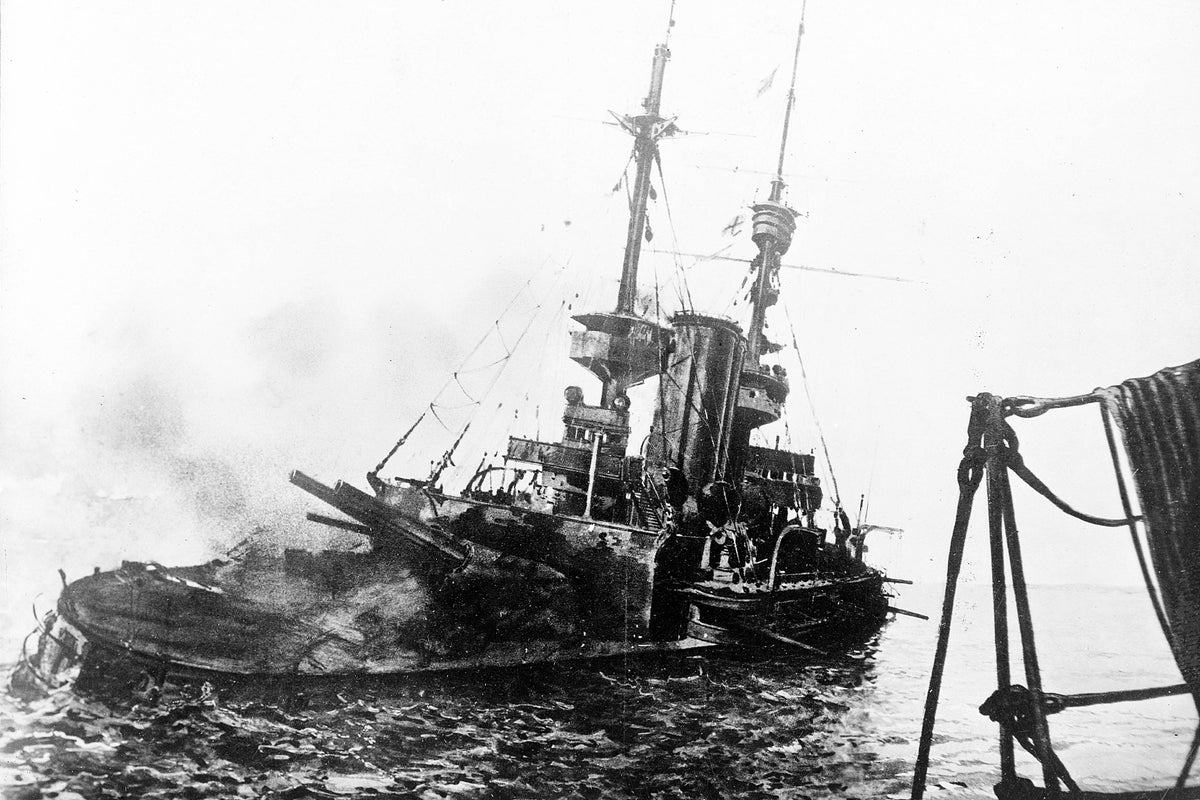
The government is intensifying its contingency planning to mitigate potential shortages caused by the conflict, particularly following the closure of the Strait of Hormuz—a vital shipping route responsible for transporting a significant portion of global oil and gas. The Prime Minister is set to lead another Cabinet committee meeting on Tuesday to address these pressing issues.
Reports indicate that Israel has issued evacuation warnings for seven towns north of the Litani River, while military operations against Lebanon persist despite the ceasefire announcement. The ongoing hostilities raise questions about why efforts to reopen the Strait of Hormuz have stalled. Experts suggest that clearing a minefield under enemy control poses significant risks that the US is currently unwilling to accept.
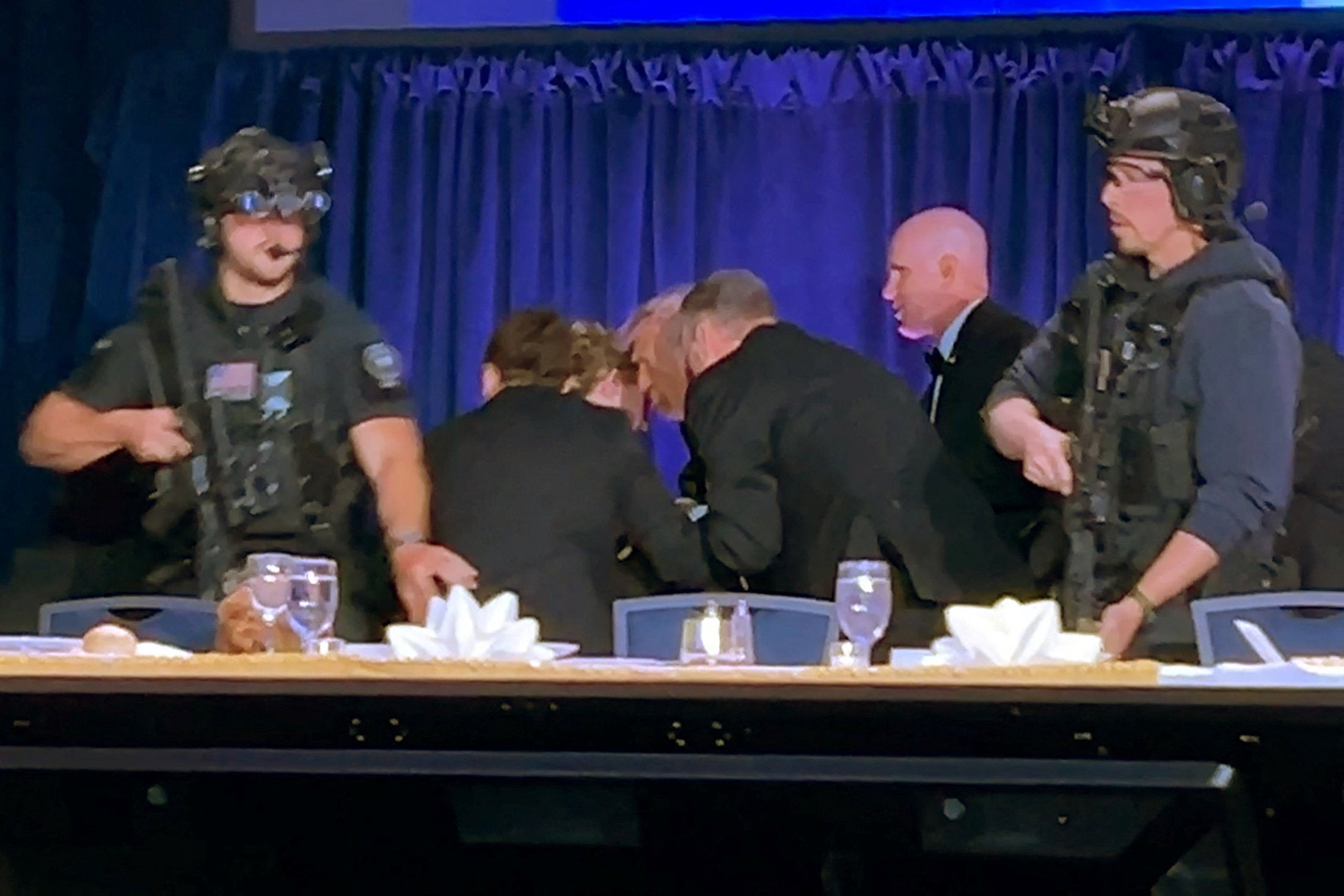
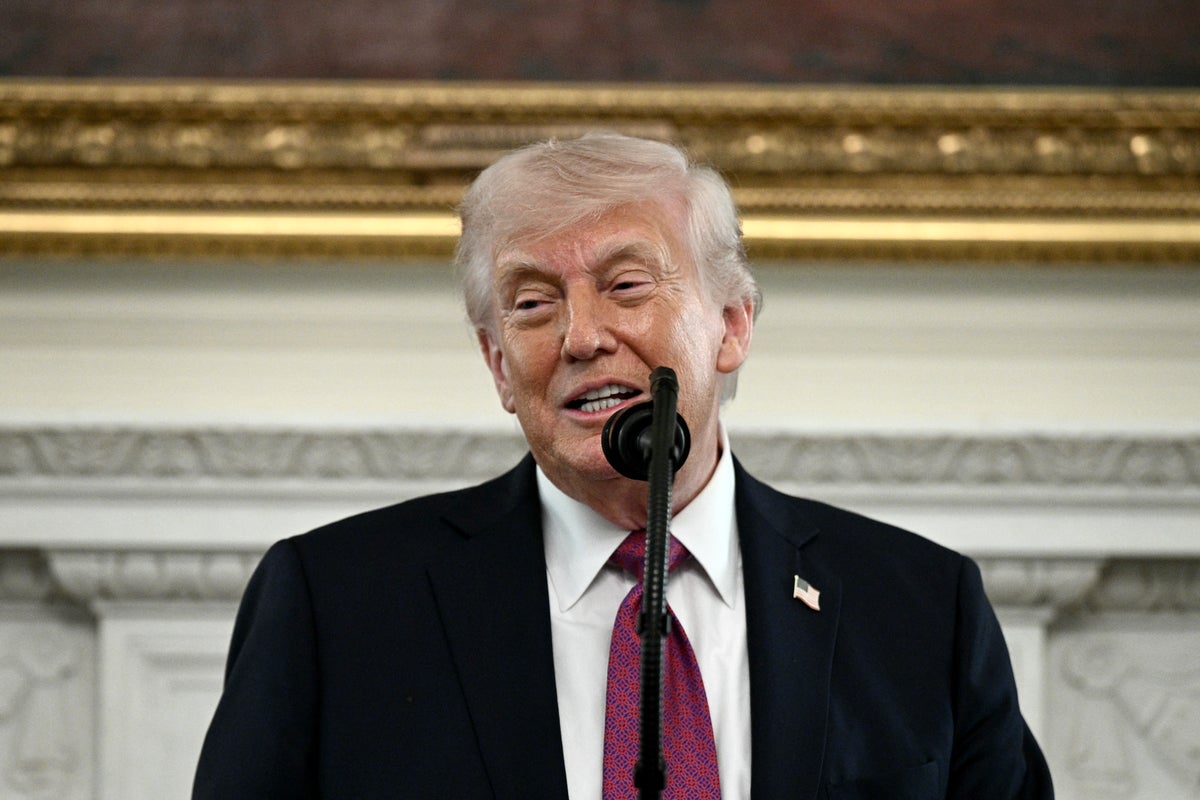
Trump's administration has faced criticism for its handling of the situation. Following a dramatic shift in strategy, Trump announced that the US would “hold our attack” on Iran until a deal is reached, contradicting earlier threats to escalate military action against civilian infrastructure. He maintains that he is under “no time pressure” to finalize a peace agreement, yet substantial gaps remain between both parties on critical issues.
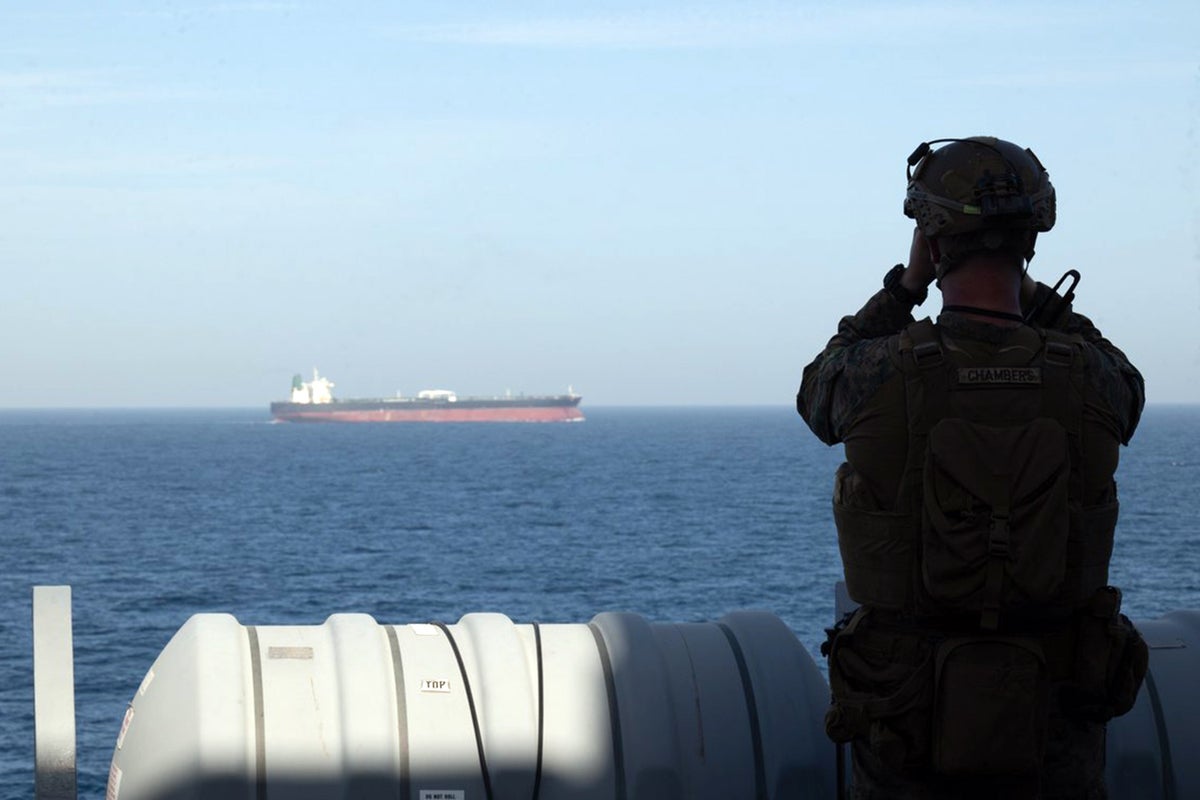
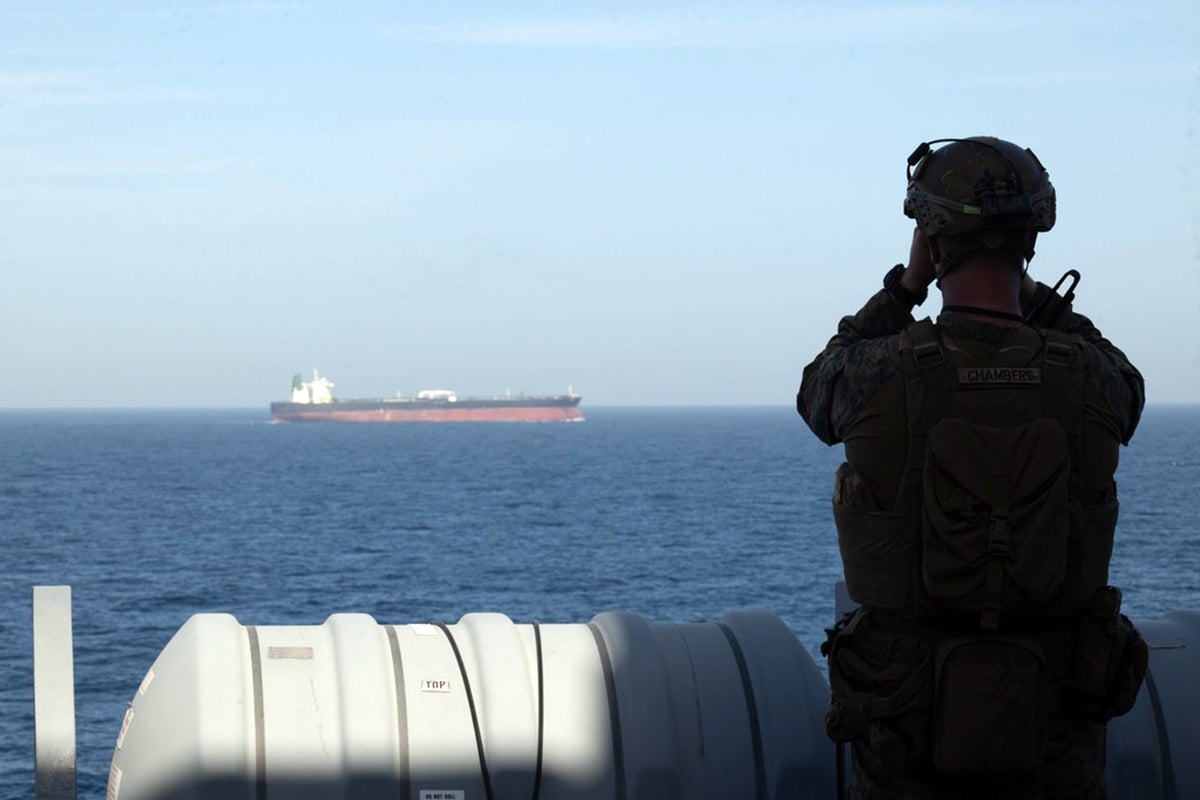
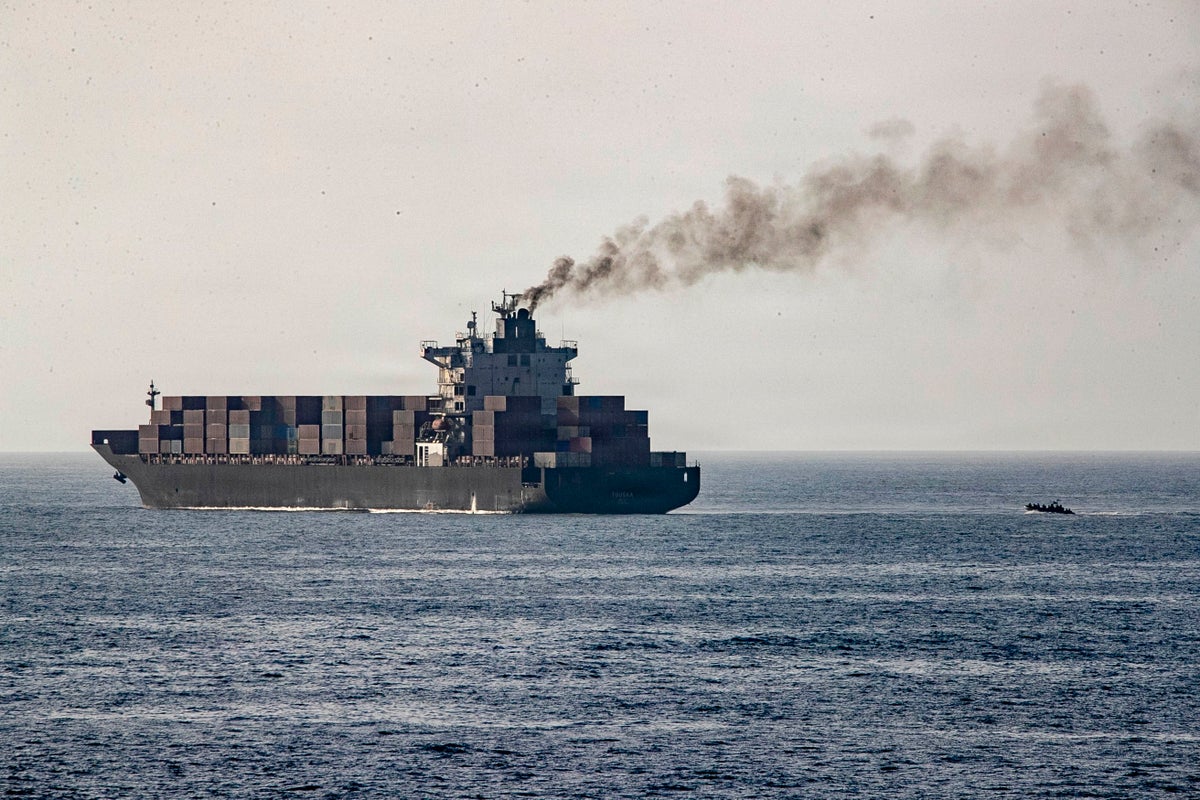
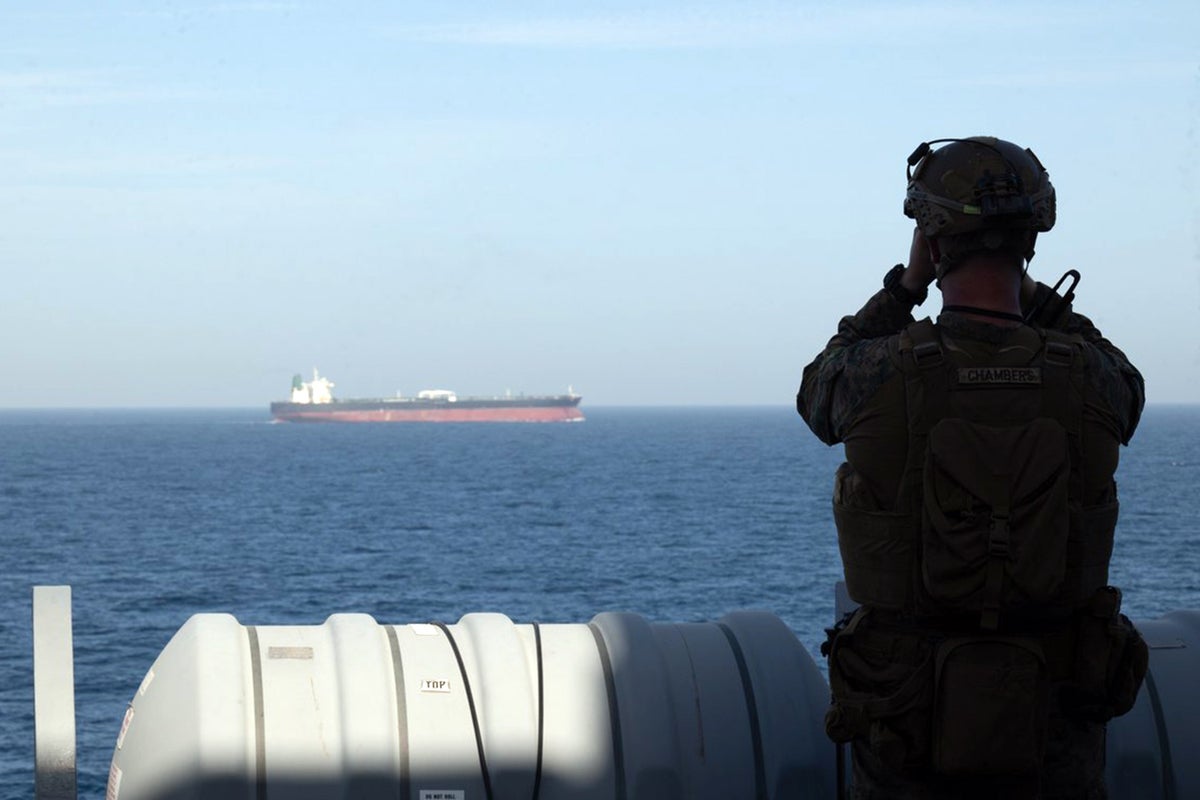
The American navy continues its blockade of Iranian vessels in the Strait of Hormuz, a countermeasure against Iran's closure of this crucial route, which analysts estimate costs Tehran approximately $435 million daily. Despite this pressure, experts argue that Iran has demonstrated considerable resilience, complicating Trump's domestic political landscape as rising energy prices become a growing concern.
Meanwhile, Sultan Haitham bin Tariq Al Said of Oman met with Iran's Foreign Minister Abbas Araqchi in Muscat to discuss regional dynamics and mediation efforts aimed at resolving the conflict. Israeli Prime Minister Benjamin Netanyahu expressed his shock over the shooting incident at the White House Correspondents’ Dinner, which led to heightened security measures for Trump and others present. “Sara and I were shocked by the attempted assassination of President @realDonaldTrump last night in Washington, DC,” Netanyahu remarked on social media.
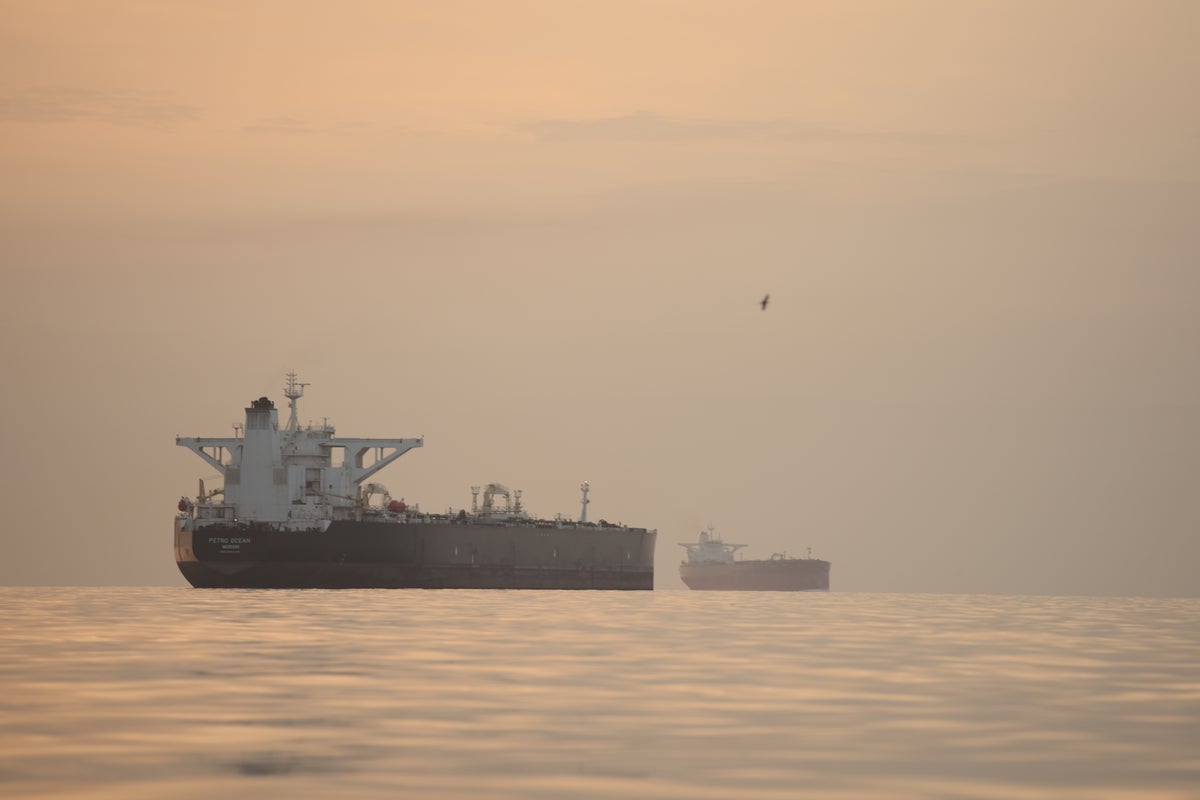
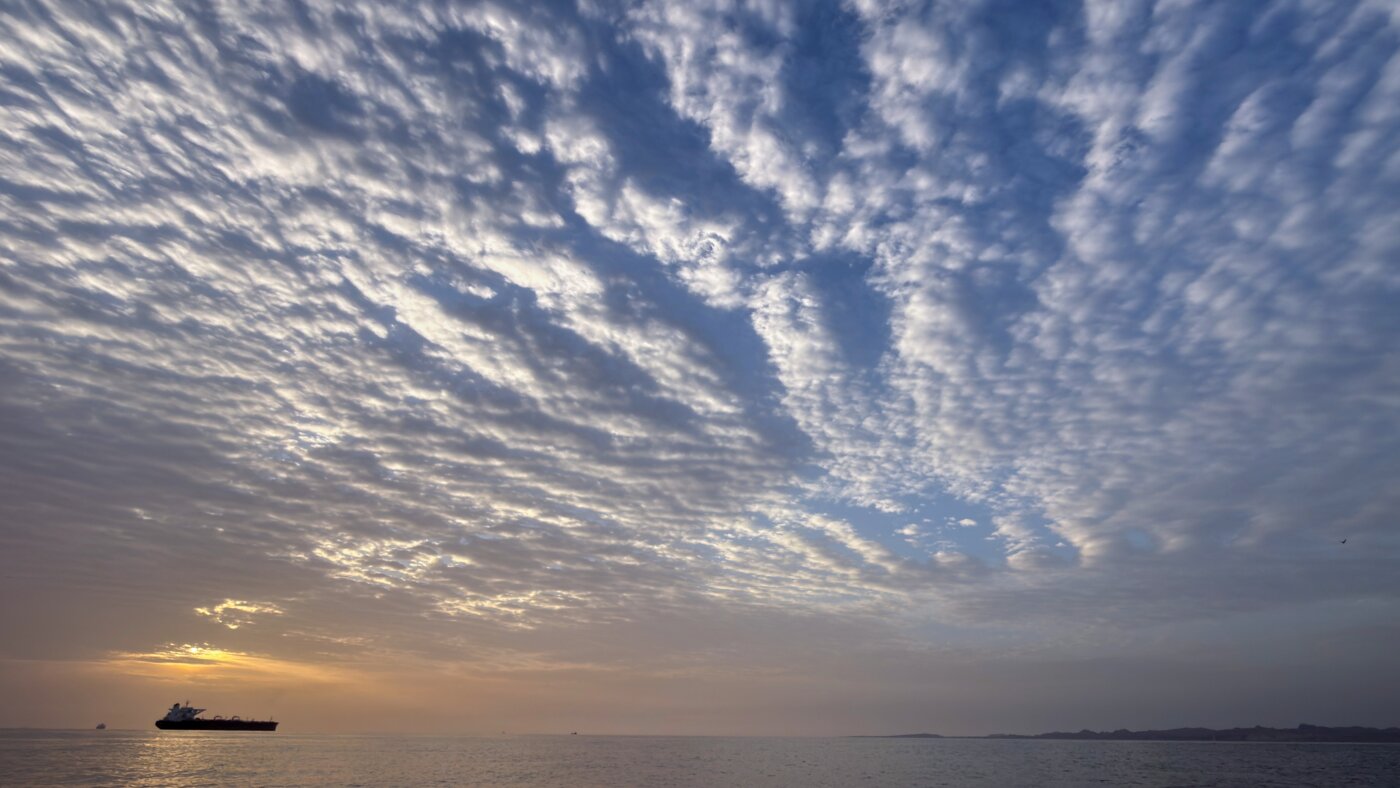
The ongoing US-Israeli conflict with Iran has severely disrupted shipping through the Strait of Hormuz, with only three vessels reported passing through in a 24-hour period. This strategic waterway is critical for global oil supply and had previously managed about one-fifth of the world’s oil and liquefied natural gas before hostilities escalated on February 28.
Despite Iran briefly declaring the Strait open for navigation last Friday, tensions remain high as a ceasefire appears increasingly fragile. Iran has vowed retaliation against US actions, including the seizure of one of its vessels, complicating prospects for renewed peace talks.
The UK government is ramping up its preparations to address potential shortages stemming from the conflict as oil prices continue to surge due to disruptions in this key shipping lane. The Prime Minister will convene another meeting of the Cabinet committee established to manage these challenges this Tuesday, following last week’s session of the Middle East Response Committee.
For those just tuning in, these developments underscore the escalating tensions between the US, Israel, and Iran as diplomatic efforts struggle amidst ongoing military actions.