

UK Responds to Trump’s Threat Over Falklands Amid Iran Conflict
The UK government has issued a strong rebuttal to Donald Trump’s recent comments regarding the Falkland Islands, which surfaced amid discussions about the US's stance on Britain's sovereignty in light of the ongoing conflict in Iran.
Downing Street emphasized that “sovereignty rests with us,” following a US official's suggestion to reconsider Washington's diplomatic backing for European territories, including the Falklands. This statement comes as tensions rise over the US military's involvement in the Middle East.
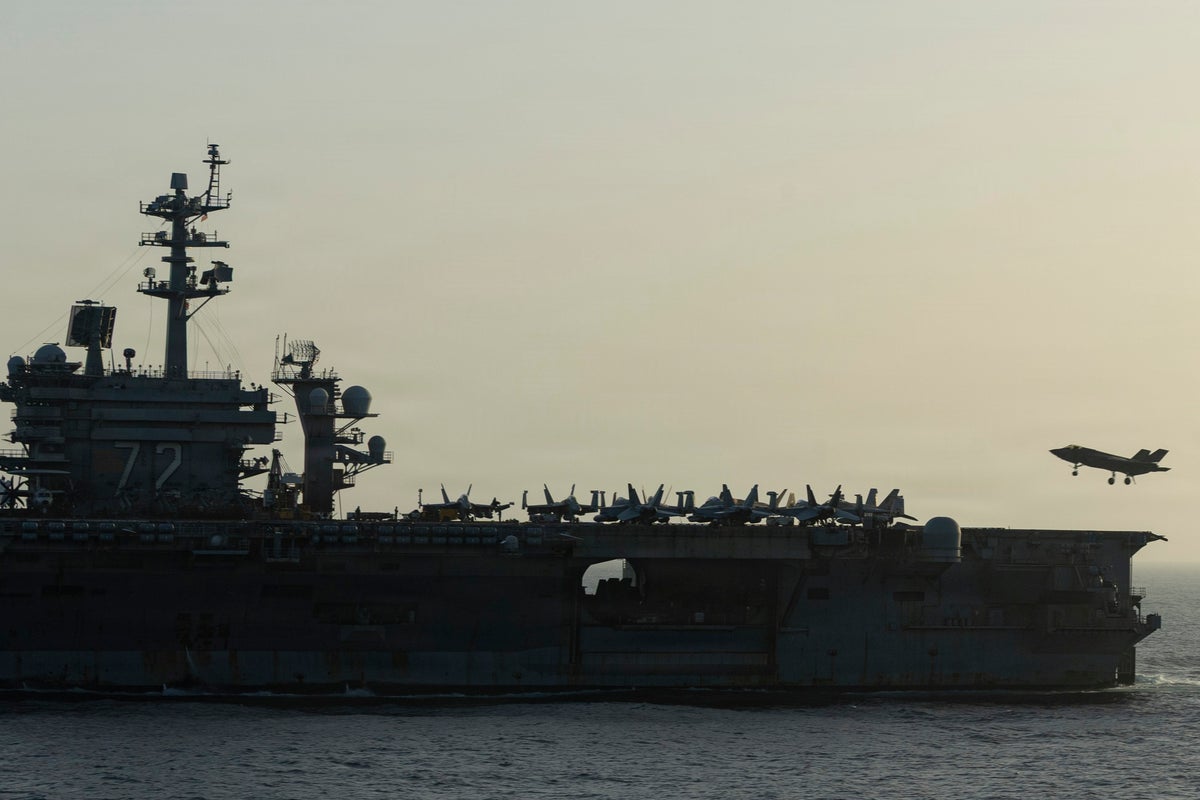
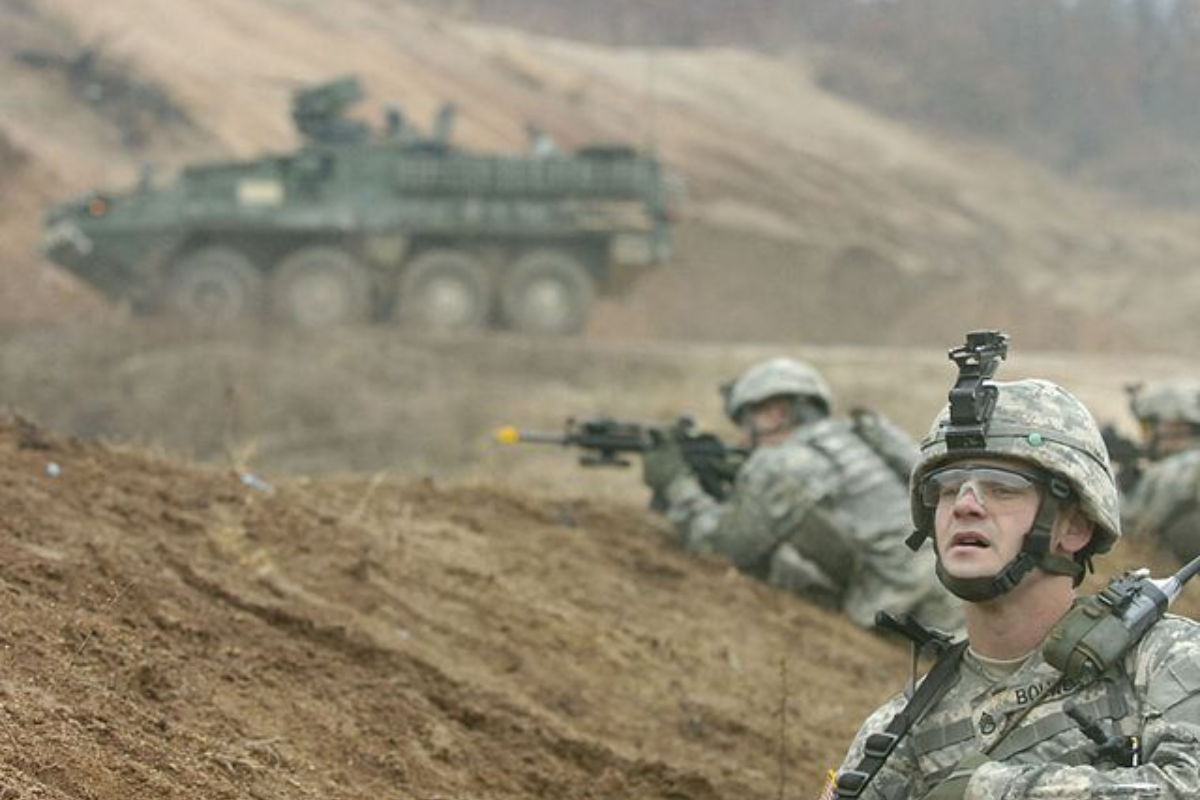
In a broader context, the Pentagon has deployed a third aircraft carrier, the USS George HW Bush, to the region, intensifying efforts to compel Tehran into a peace agreement favorable to the US. Trump remarked that Iran may have fortified its arsenal during a ceasefire, but he asserted that US forces could neutralize those threats swiftly.
Reports indicate that the US has expended billions on military resources in its campaign against Iran, utilizing over 1,200 Patriot missiles and depleting its stockpile of long-range stealth cruise missiles originally intended for potential conflict with China. Congressional sources reveal that more than 1,000 Tomahawk missiles have also been launched, significantly exceeding annual procurement rates.
Amid these developments, Downing Street has refrained from confirming whether the UK feels equipped to defend the Falklands should its claim be challenged. The prime minister's spokesperson reiterated that the UK's position on sovereignty and self-determination remains steadfast.
Former military leader Admiral Lord West criticized the notion of reviewing Britain's claim as an affront to the Falkland Islanders' autonomy. He dismissed the threats as having no real military consequence, stating that US recognition does not diminish the Islands' security.
In related news, Mike Huckabee, the US envoy to Israel, commented on regional dynamics, likening tensions to neighbors dealing with a troublesome child. He expressed hope for improved relations if provocations cease.
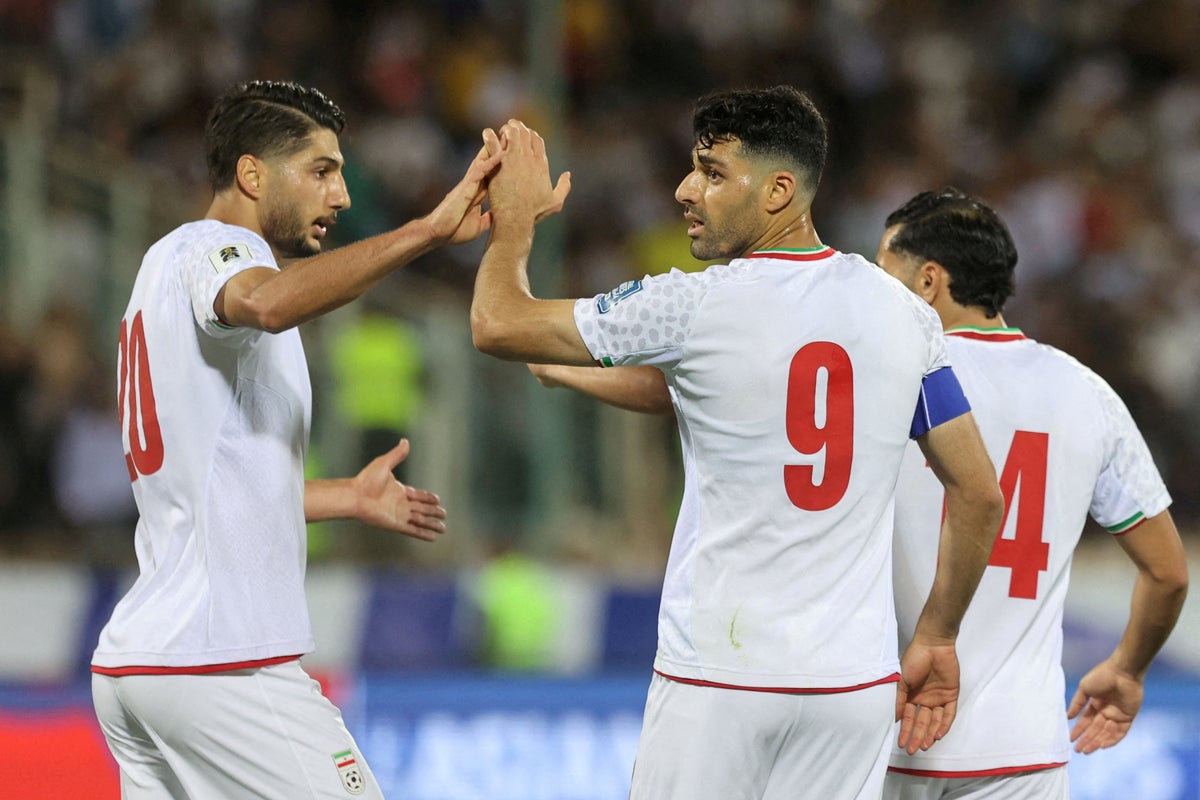
The US has also placed a $10 million bounty on the leader of an Iranian-backed militia in Iraq, citing their involvement in attacks against civilians and US facilities. Meanwhile, discussions about Iran's participation in the upcoming World Cup have emerged, with suggestions to replace them with Italy if tensions persist.
Pakistan's foreign minister has engaged with his Iranian counterpart, advocating for dialogue between Tehran and Washington as efforts to resume negotiations continue without success. Additionally, Hapag-Lloyd confirmed that one of its vessels has traversed the Strait of Hormuz, although details regarding its circumstances remain unclear.
As these geopolitical tensions unfold, the implications for international relations and military strategy continue to evolve, with both sides navigating a complex landscape of diplomacy and defense.