

WASHINGTON — President Donald Trump has long touted the benefits of falling gas prices, claiming they ease the financial burden on American families. Just before escalating tensions with Iran, he highlighted in Corpus Christi, Texas, that local gas prices dipped below $2.30 a gallon.
“I just left Iowa two weeks ago: $1.99. And then I passed another one: $1.85. It’s happening. It’s happening,” he declared, emphasizing the affordability of fuel under his administration.
However, Trump's narrative took a sharp turn on Thursday.
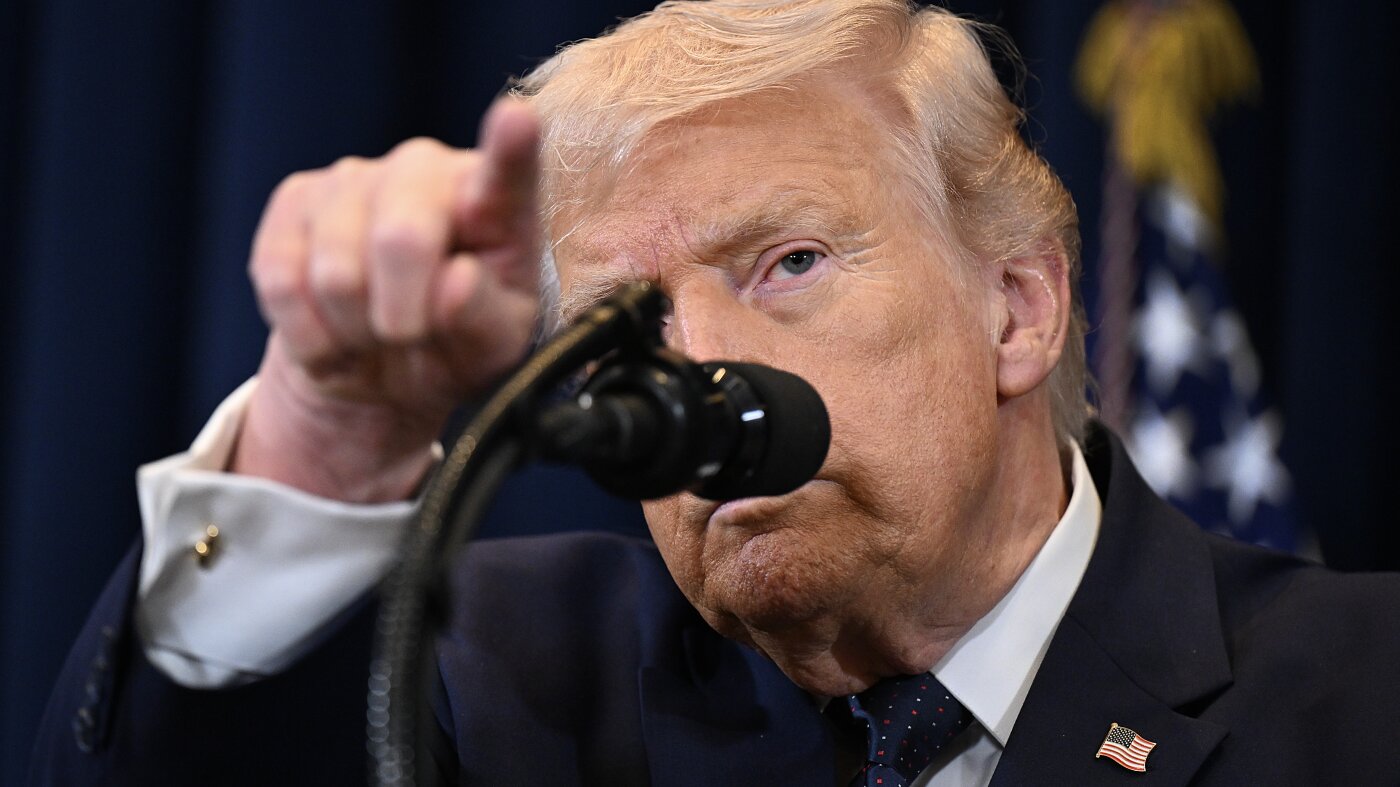
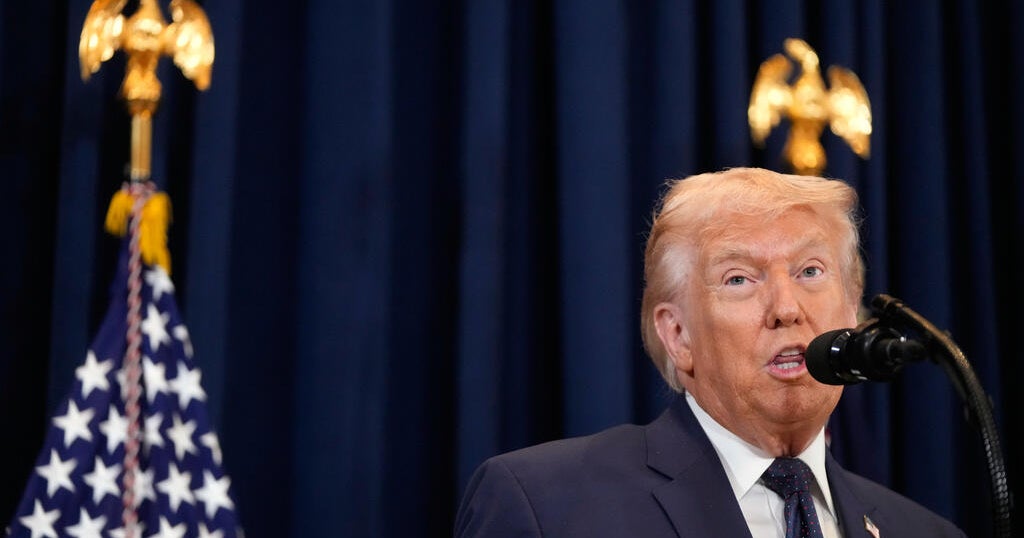
In a social media post, he remarked that rising oil prices translate to significant profits for the U.S., thanks to its energy dominance. “The United States is the largest Oil Producer in the World, by far, so when oil prices go up, we make a lot of money,” he stated.
The ambiguity of “we” remains unaddressed. While oil companies benefit from the price hikes spurred by the conflict, countless Americans are grappling with increased costs at the pump.
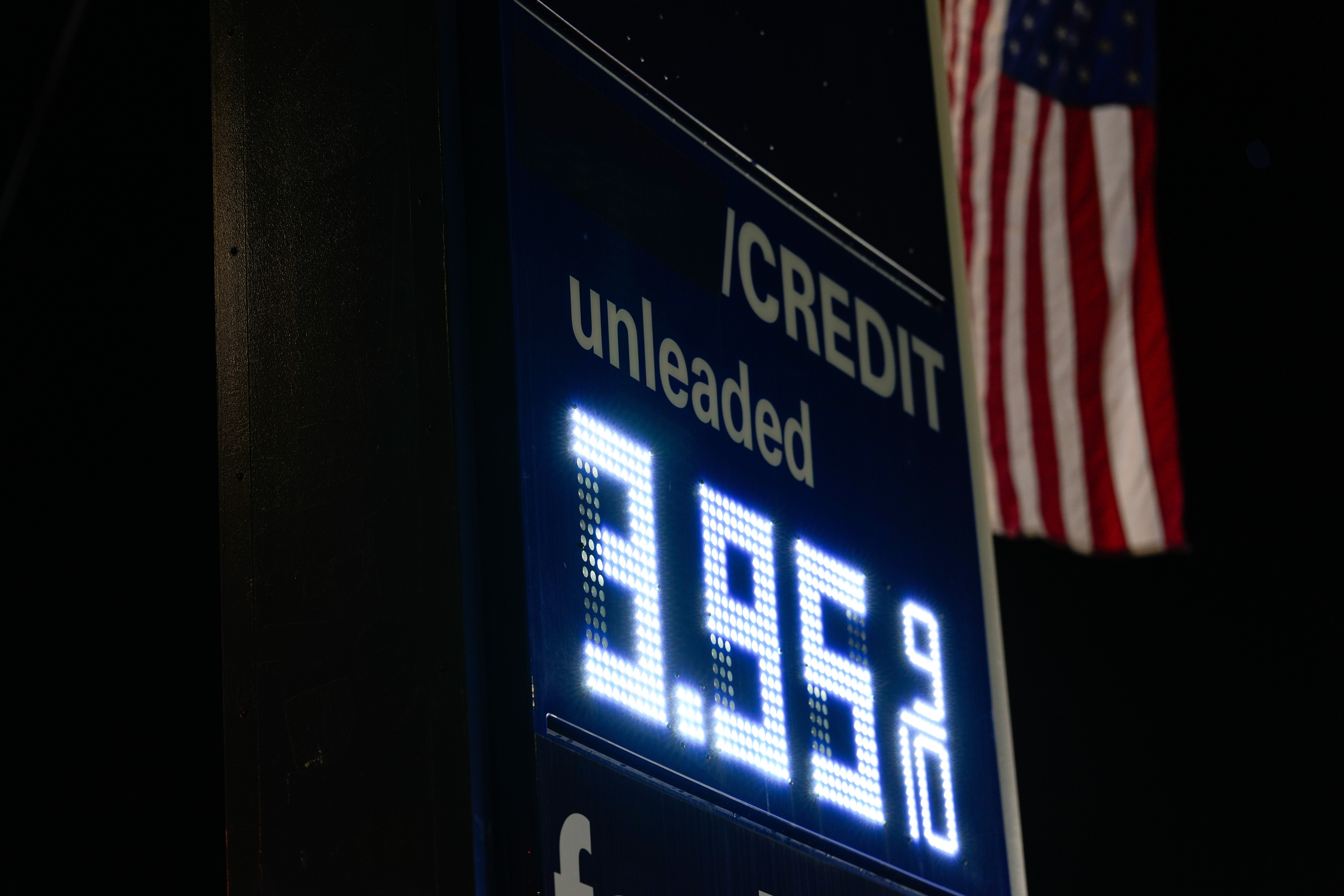
Following the U.S. and Israeli military actions against Iran, gas prices surged from $2.94 to $3.61 per gallon, marking a staggering 23% increase, according to GasBuddy.
Trump has previously criticized former President Joe Biden over gas prices, noting that they reached $5 per gallon during Biden's term but had dropped to $3.09 by the time he left office.
At a rally in Rocky Mount, North Carolina, just before Christmas, Trump pointed out supporters in attendance while celebrating lower gas prices. “It cost these beautiful friends of mine from North Carolina, it cost them like one-third to get here than it would have cost under Sleepy Joe Biden,” he remarked.
In his recent post, Trump refrained from discussing gas prices directly. Instead, he framed the rise in oil prices as an American opportunity. He further argued that the military action is justified as it prevents Iran from developing nuclear weapons, asserting that this concern outweighs the financial gains from oil.
“Of far greater interest and importance to me, as President, is stopping an evil Empire, Iran, from having Nuclear Weapons and destroying the Middle East and, indeed, the World. I won’t ever let that happen! Thank you for your attention to this matter,” he wrote.
Trump's political rise has been built on connecting with everyday voters rather than aligning with oil industry executives. Until now, he has consistently reminded Americans of falling gas prices and their financial relief under his policies.
As he approached his first full year in office, the White House released information indicating that lower gas prices were translating into substantial savings for consumers. Motorists were projected to spend $11 billion less on gas in 2026 compared to the previous year, with average households saving hundreds annually.
A common theme in Trump's speeches was highlighting regions where gas prices fell below $2 a gallon. Although fact-checks often revealed exaggerations in his claims, he frequently cited gas prices as a benchmark for his administration's success. Indeed, prices had decreased over 6% from the beginning of his term until military actions commenced.
During his State of the Union address last month, Trump equated lower energy costs to “another big tax cut.”
“Nobody can believe when they see the kind of numbers — especially energy — when they see energy going down to numbers like that, they cannot believe it,” he stated.
Inside the White House, advisors are monitoring public sentiment regarding gas prices closely. An official, speaking anonymously about internal strategies, noted that a recent survey indicated most registered voters disapprove of Trump's handling of the Iran conflict and question his military decisions.
Voters “understand that the president is taking big and bold action to obliterate a regime that has been threatening our country and killing our people for many years,” the official explained.
Yet, Billy Jean Wright, a truck driver who attended Trump's event at a packaging plant in Hebron, Kentucky, expressed her concerns about the ongoing war. “The gas prices are going up,” she said. “Our food industry is going up. Everything is going up, and we can't survive over here.”
The Trump administration is actively seeking solutions to mitigate rising prices ahead of the midterm elections. With voters increasingly frustrated by escalating costs for daily commutes and groceries, maintaining public approval is crucial.
Trump has claimed he could end military operations at any moment, which might stabilize oil prices and alleviate current gas costs. However, Iran's unpredictable nature complicates matters; its new supreme leader recently suggested closing the Strait of Hormuz, a vital route for oil tankers, potentially igniting an energy supply crisis.