Trump Ridicules Biden and Obama’s Walking Styles, Unveiling Deeper Issues

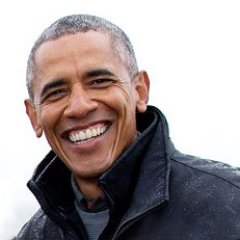
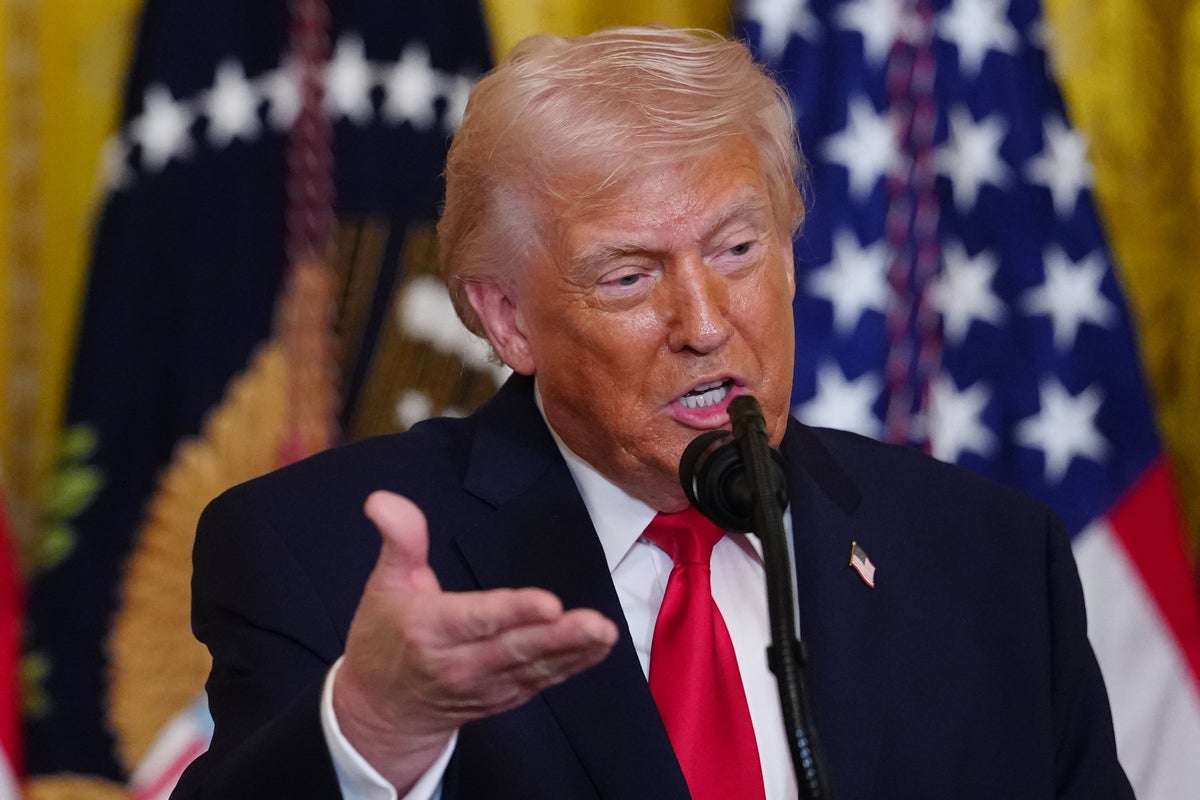
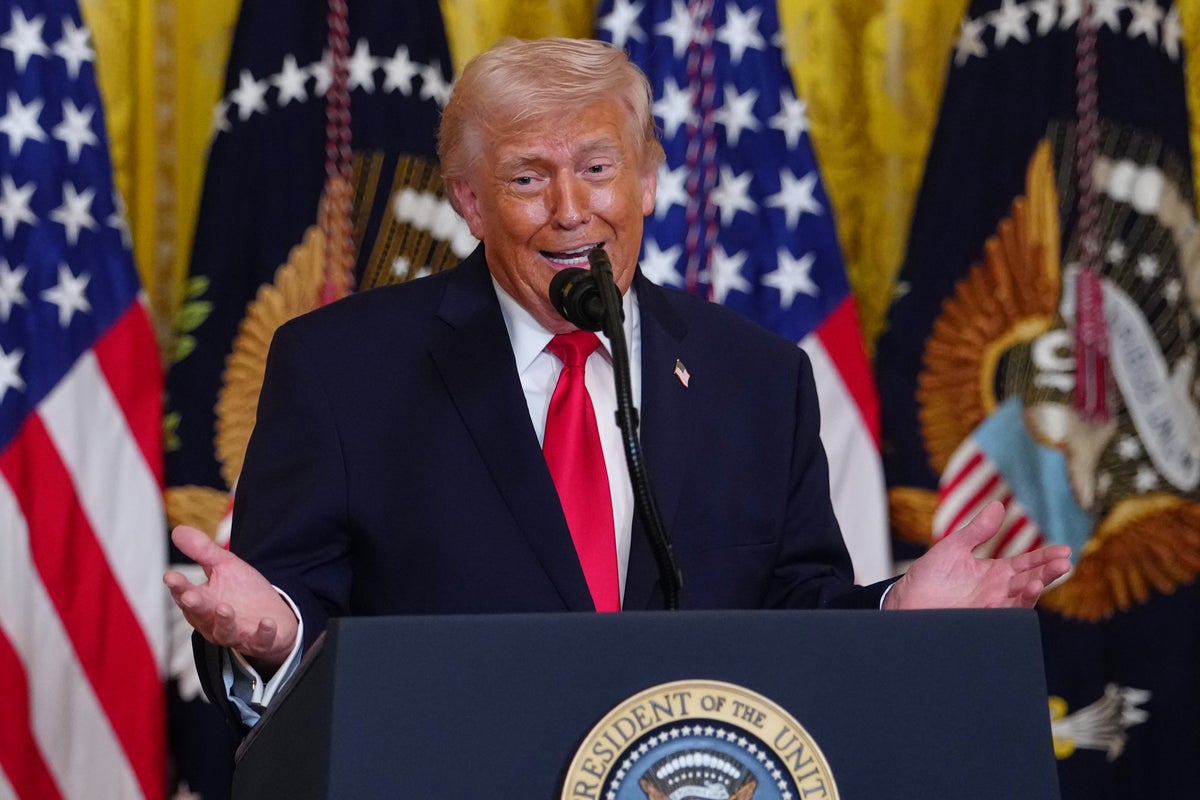
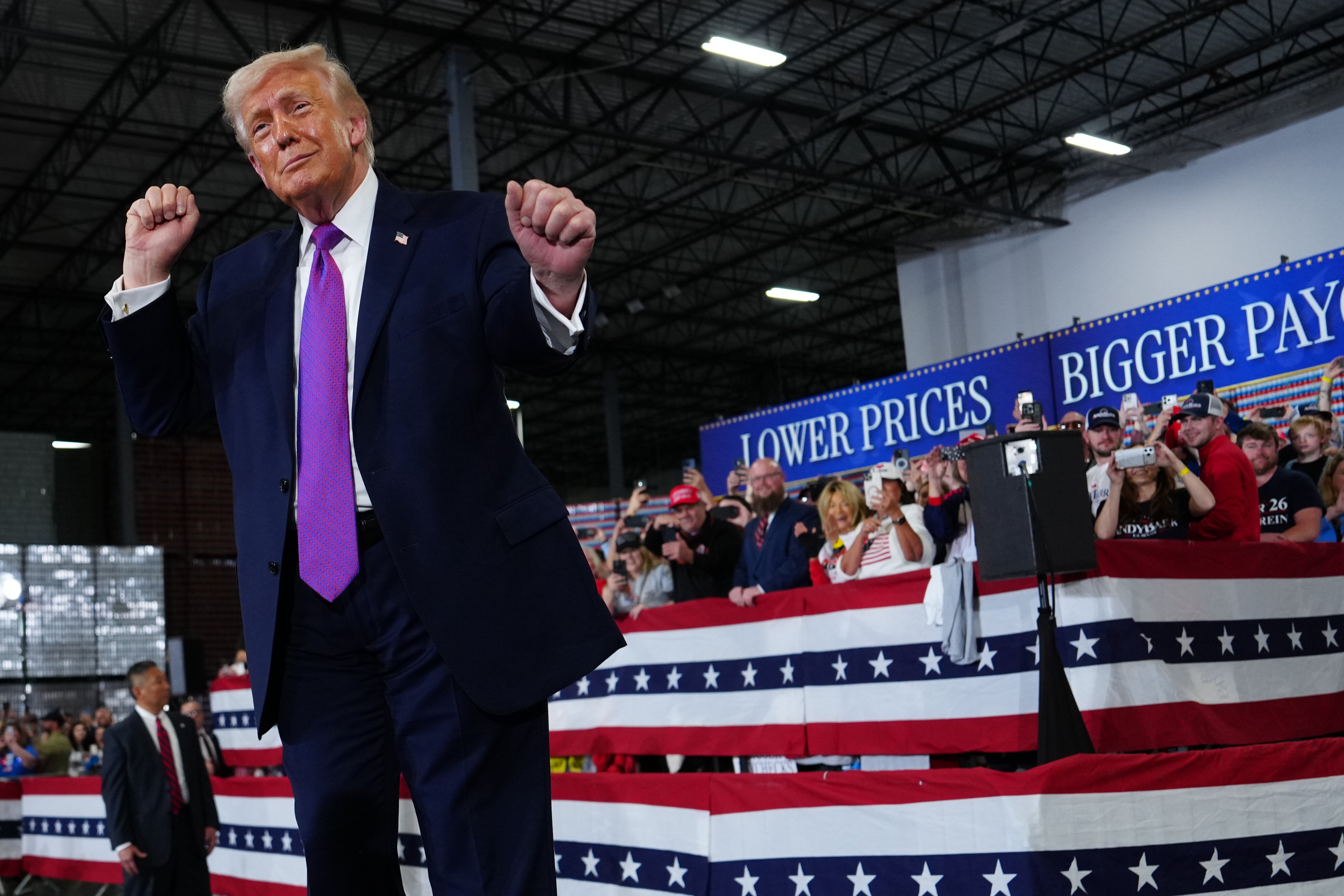
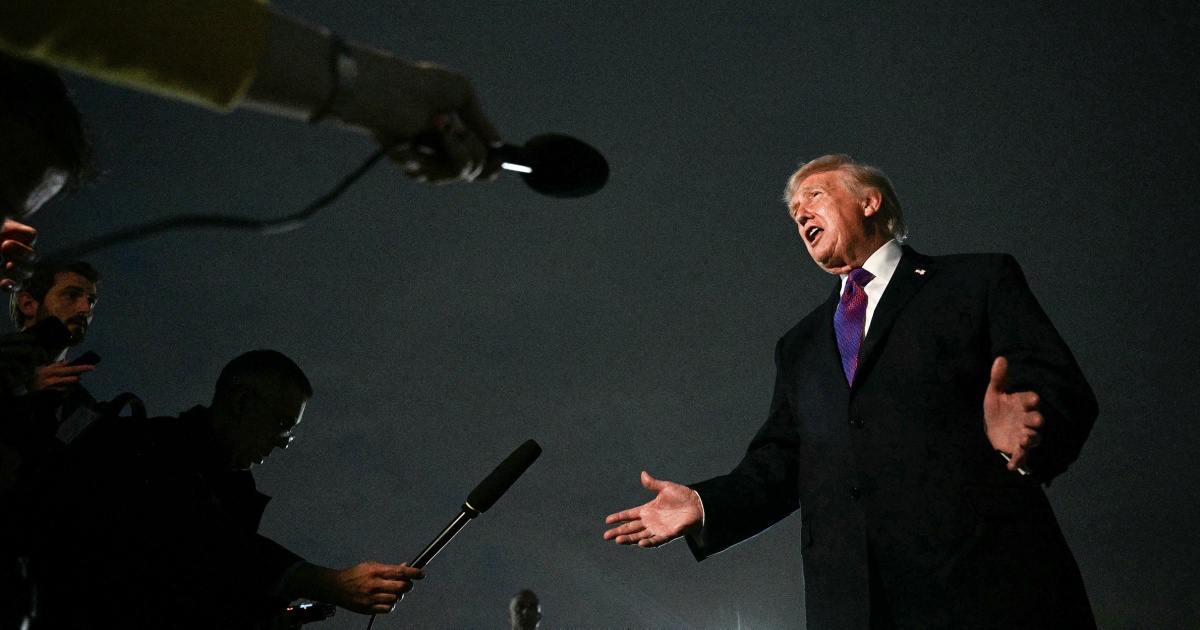
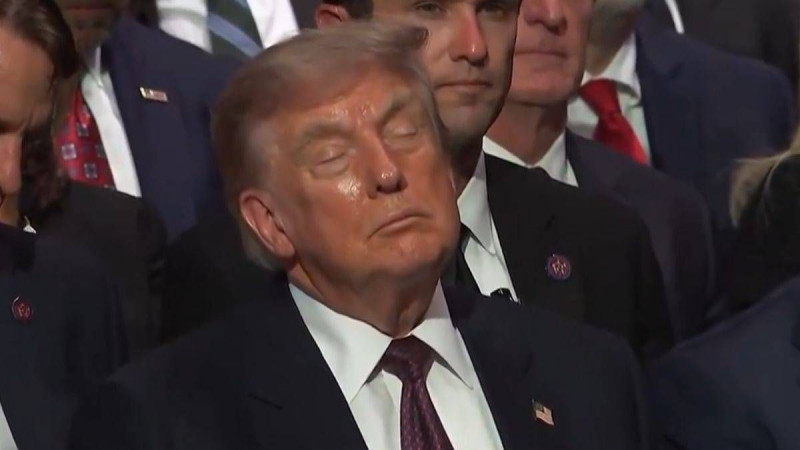
During a recent rally in Kentucky, President Donald Trump took a moment to critique the walking styles of his political adversaries, former Presidents Barack Obama and Joe Biden, while also promoting his economic achievements and military initiatives. “I do it very slowly...because nobody cares if you set a speed record,” he remarked, referencing his cautious descent down wet stairs.
Trump expressed admiration for Obama’s stair navigation but quickly dismissed it as “unpresidential,” suggesting that the former president’s mannerisms were less than dignified. He then shifted focus to Biden, commenting on the former president's public falls, stating, “the world watches that and they don’t like seeing it.”
This fixation on physicality is not new for Trump. His past speeches have often linked physical prowess with leadership capabilities, raising concerns among experts about the implications of such views. “His comments may reflect ableism, but they may also reflect general ageism and fear of getting older,” noted Douglas Kruse from Rutgers University’s Program for Disability Research. “He’s likely trying to assert his own vitality, a common impulse among older individuals.”
Ableism, as defined by advocates, privileges those deemed “normal” while marginalizing those with disabilities. Davey Shlasko, CEO of Think Again Training & Consulting, elaborated on this concept, explaining that Trump’s remarks perpetuate a harmful narrative: “The comments reflect a very common ableist assumption that an impairment in any area of functioning implies a general incompetence in every area.”
This mindset extends beyond mere language; it can shape policies that affect millions. Shlasko emphasized that equating cognitive decline with diminished human value is at the core of ableism. The late activist Stacey Milbern described ableism as a system favoring able-bodied individuals at the expense of those with disabilities.
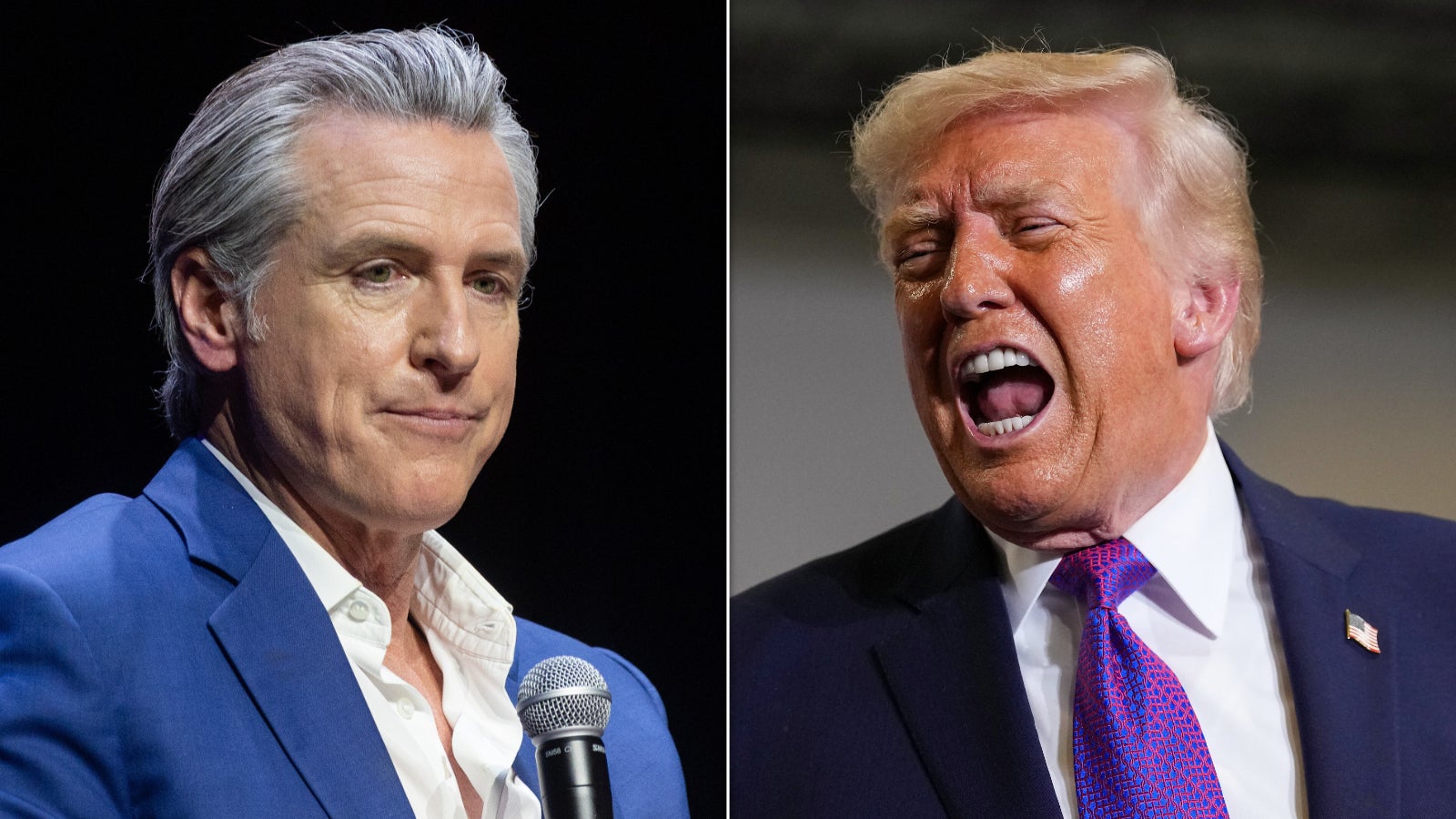
Interestingly, when Trump employs ableist rhetoric, his opponents sometimes inadvertently mirror this behavior. At the same rally, he mocked California Governor Gavin Newsom’s dyslexia, labeling it a “mental problem” and suggesting it rendered him unfit for office. Shlasko pointed out that such statements are misleading: “A specific learning disability doesn’t imply anything about someone’s ability to reason.”
Newsom responded to Trump’s comments by calling him a “brain-dead moron” in a social media post. However, Shlasko criticized this retort for its own ableist undertones, noting that “moron” is an outdated term associated with intellectual disabilities. This cycle of ableism can obscure the real issues at hand.
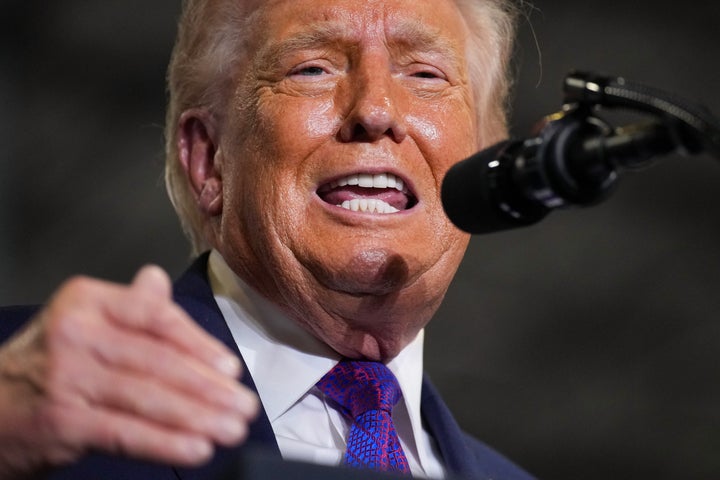
There are more effective ways to challenge Trump’s policies without resorting to personal attacks on his physicality or mental acuity. Representative Ilhan Omar (D-Minn) previously addressed this when she deleted a tweet mocking Trump’s ability to navigate stairs. She later clarified her stance: “We should criticize him on those grounds, not on his physical abilities—and that includes me.”
Critics argue that focusing on Trump’s policies regarding people with disabilities is far more pertinent. His administration's actions have disproportionately affected disabled workers, including layoffs during shutdowns and the rollback of protections against discrimination in the workplace. The Center for American Progress has labeled the early months of Trump’s second term as an “all-out war against disabled people.”
Shlasko urged a shift in focus: “I hope we can concentrate not only on the inappropriateness of what [Trump] said but also on the crucial programs and protections that his administration has sought to undermine.”
For many critics, these policies present a far more pressing concern than the president's remarks about walking styles.