

Trump’s AI Jesus: A Provocative Image or a Line in the Sand for His Christian Base?
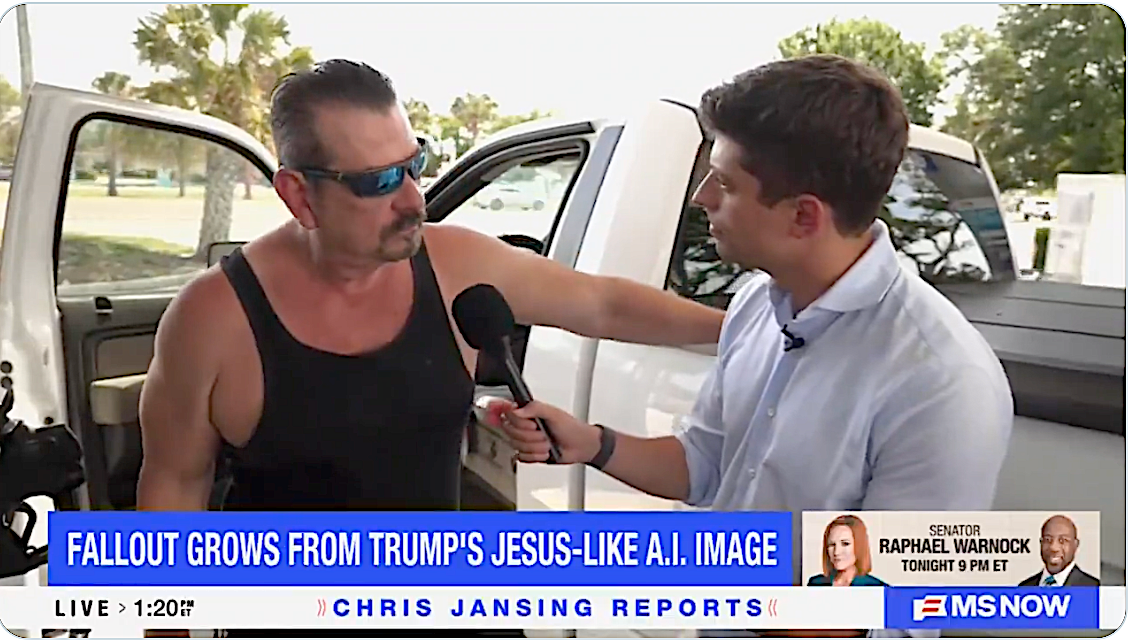
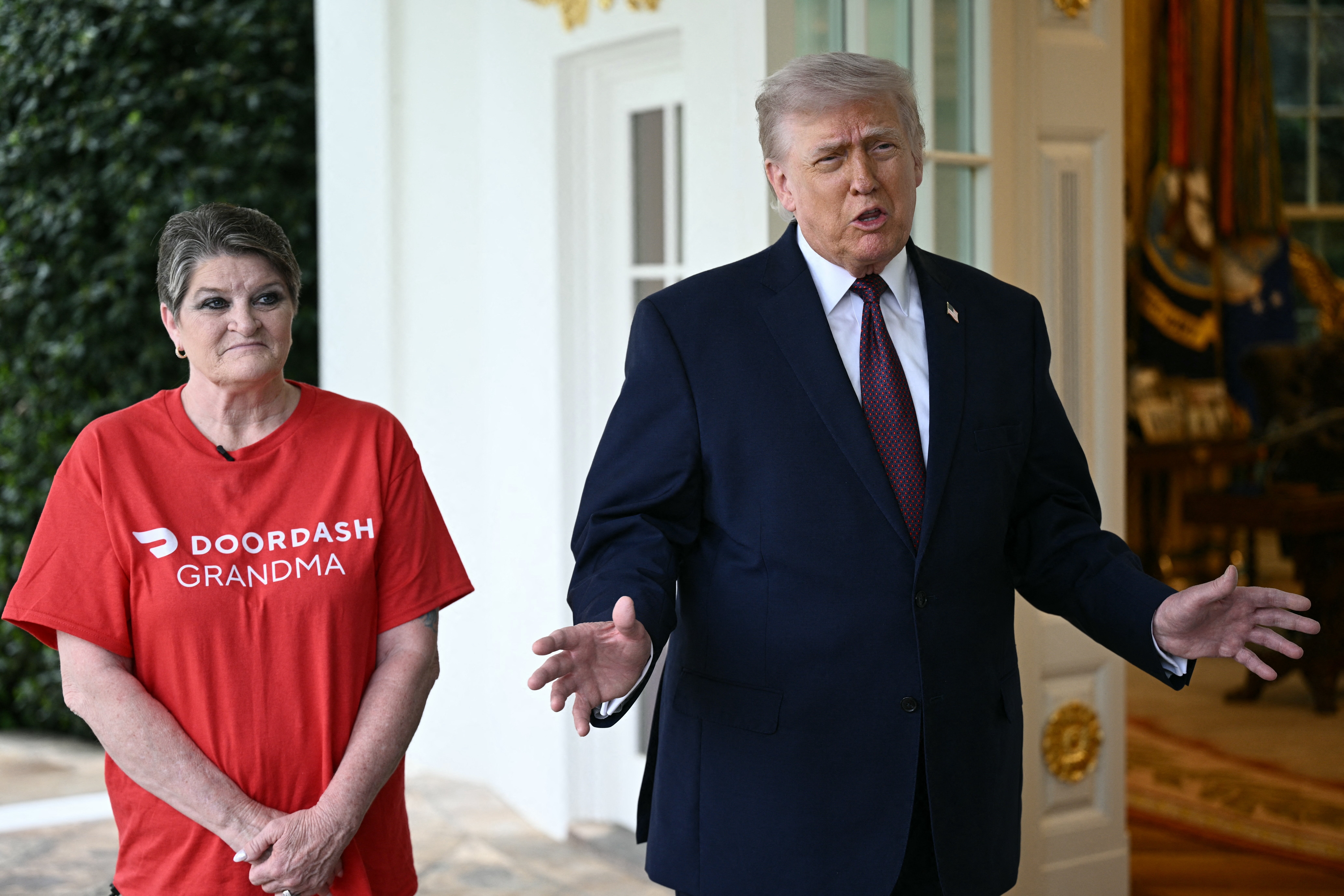
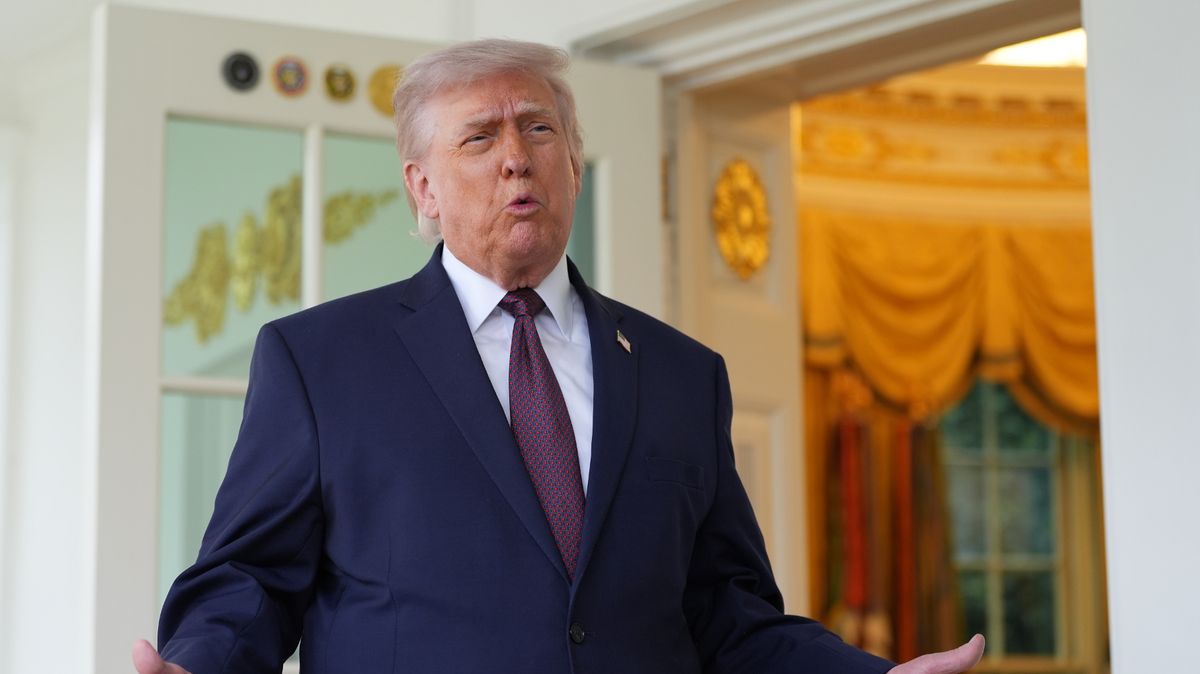
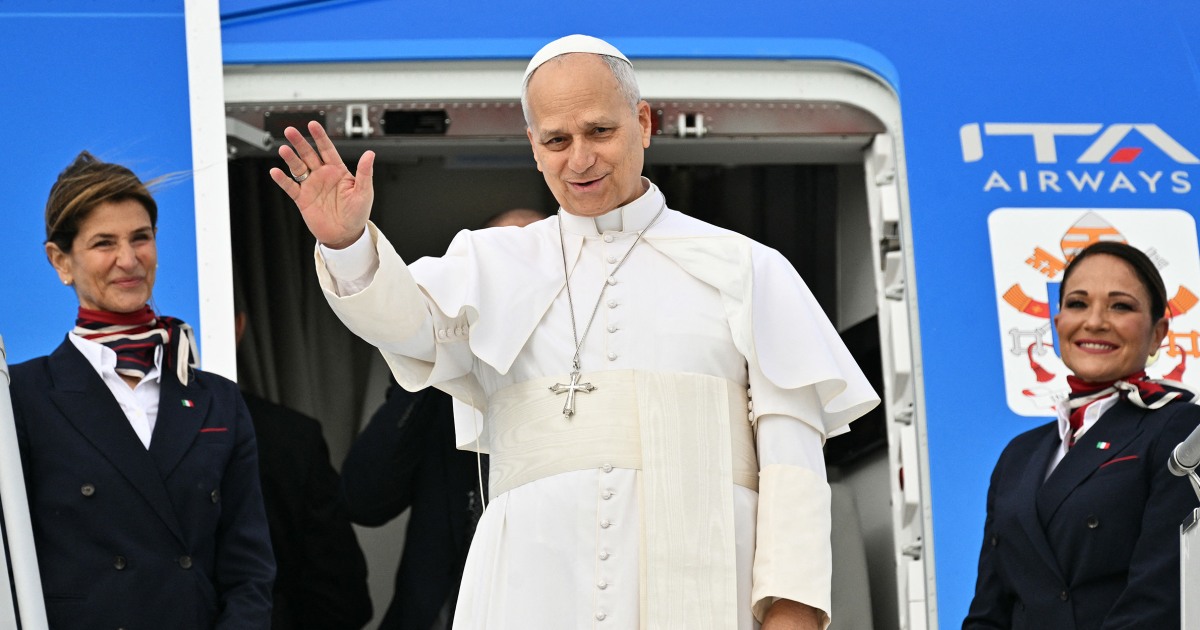
Donald Trump recently shared an AI-generated image portraying himself as Jesus Christ, a move that has ignited fierce backlash from his Christian supporters. Prior to this, he criticized Pope Leo XIV, labeling him “weak” and urging him to “get his act together.” Earlier in the year, the White House had already released an image of Trump as the head of the Catholic Church, with Trump expressing a desire to be pope.
The reaction from Christian allies was immediate and severe. Descriptions of Trump’s actions ranged from “grotesquely wrong” to “dangerous” and “rank blasphemy.” This incident has further strained the already tenuous alliance between right-wing Catholics and evangelicals, particularly in light of Trump’s increasing antagonism towards Catholic leadership and his administration’s framing of military actions against Iran as divinely sanctioned.
“This moment tests more than just the Catholic-evangelical alliance,” noted Landon Schnabel, a sociology professor at Cornell University who studies religion and social change. “For many religious Americans, faith leads and politics follows — their beliefs and values shape their political positions.” Schnabel emphasized that when a president presents himself as Christ, it forces believers to prioritize political loyalty over theological integrity. “In the face of conflicting commitments to religious convictions and political loyalties, something has to give,” he added.
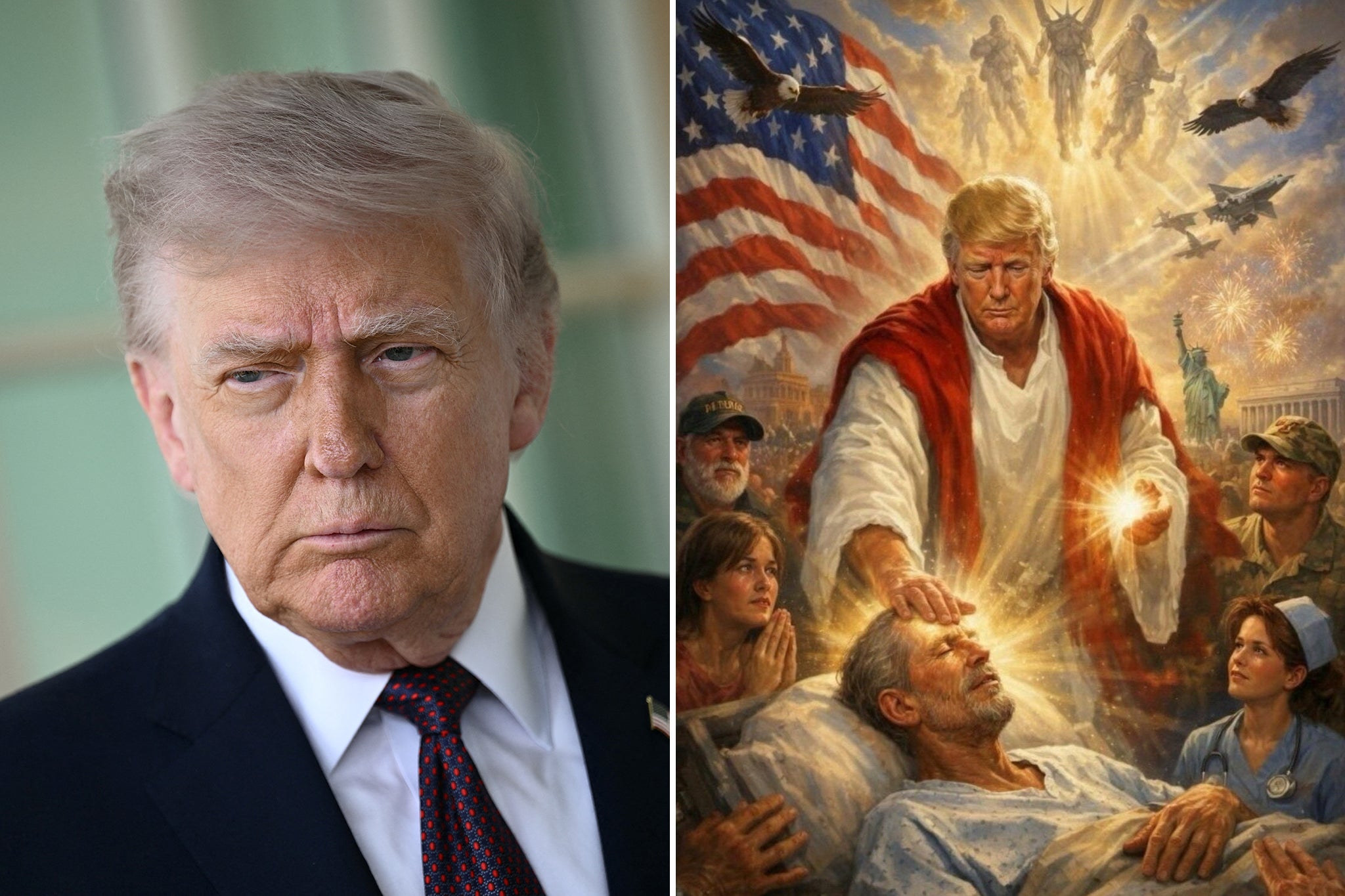
Trump’s influence has fostered a Christian nationalist movement that seeks to embed Christianity into all facets of law and society, creating a significant voting bloc. Evangelical groups have invested millions in campaigns supporting him. Over decades, this movement has gained traction in media and government, transforming anti-abortion voters into a crucial base for the GOP, instrumental in Trump’s two presidential victories.
Currently, officials within the Trump administration are increasingly using government social media accounts to disseminate overtly religious messages, proclaiming Jesus as the nation’s savior. This trend has raised alarms among First Amendment advocates concerned about potential violations of the separation of church and state.
While conservative Catholics and evangelicals have historically united around a comprehensive strategy to end abortion — a political effort that has significantly reshaped the federal judiciary and overturned Roe v. Wade — Trump’s recent actions compel his supporters to confront deeper religious dilemmas framed within a political context.
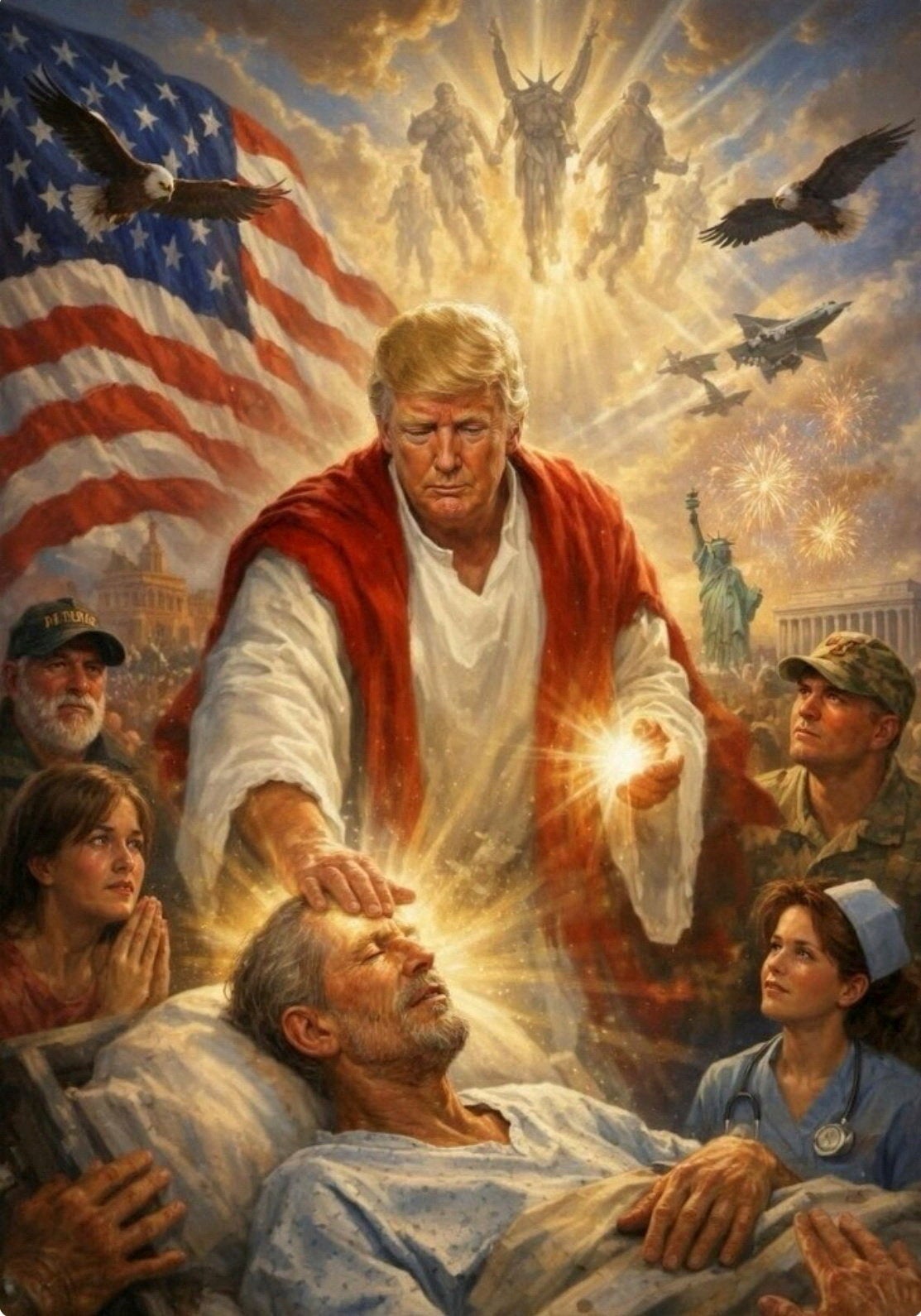
Rev. Dr. Shannon Fleck, executive director of Faithful America, remarked that Trump’s latest posts are “neither new nor surprising.” She described them as a continuation of a troubling pattern: “This abhorrent mockery of our Savior reflects the core of Christian nationalism, twisting sacred imagery to serve domination rather than liberation.”
Recent polling from the Public Religion Research Institute indicates that approximately 56 percent of Republicans identify as adherents or sympathizers of Christian nationalism, with about one-third of Americans fitting this description overall. PRRI president Robert P. Jones stated, “Our survey reveals the continued hold that Christian nationalism has on the Republican Party and its white evangelical base.” He warned that while this worldview is largely rejected by Americans at large, its prevalence among these groups poses an ongoing threat to pluralistic democracy.
Despite the backlash against Trump’s portrayal, many prominent evangelical leaders have remained silent or have softened their previous criticisms. Pastor Robert Jeffress, a long-time advisor to Trump, defended the president’s remarks about Pope Leo, asserting there was “no need” for an apology. Meanwhile, John Yep, president of Catholics for Catholics, labeled Trump’s post “as dangerous as it is scandalous,” yet also condemned what he perceived as a leftist effort to detach Catholic voters from the Republican Party.

Vice President JD Vance suggested that the pope should focus on Catholic Church matters while leaving public policy to the president. Tennessee state Rep. Jeremy Faison expressed disbelief at politicians comparing themselves to Christ, stating on social media that regardless of one’s opinion on Trump, such comparisons are inappropriate.
After Trump referred to the AI image as depicting him “as a doctor,” Faison deleted his critical post but later explained that he found Trump’s justification “plausible.” Bonnie Kristian from Christianity Today criticized Trump for elevating himself to Christ's level, asserting that such an elevation is not merely self-aggrandizement but a serious misrepresentation of authority over Christ’s church.
Former Southern Baptist Convention president Bart Barber urged Trump to refrain from such actions, emphasizing that one day he would have to answer before God for his choices. Pastor Doug Wilson acknowledged the immediate denunciation from conservative Christians regarding Trump’s portrayal but described it as “accidental blasphemy,” urging Trump to improve his approach moving forward.