

Trump's Allies Miss Key Takeaways from Orbán's Defeat in Hungary
WASHINGTON ― President Donald Trump and his allies, having drawn inspiration from Viktor Orbán’s controversial governance in Hungary, now find themselves at a crossroads following Orbán's significant electoral defeat. The recent election results serve as a stark reminder of the affordability issues plaguing both nations, yet Trump's inner circle appears resistant to introspection.
Orbán's downfall stemmed from the very economic concerns that are now haunting Trump and the Republican Party. His attempts to deflect blame onto foreign entities for Hungary's struggles were met with skepticism. Instead of seizing this moment as a chance for reflection, key figures within Trump's camp seem to be doubling down on their strategies.
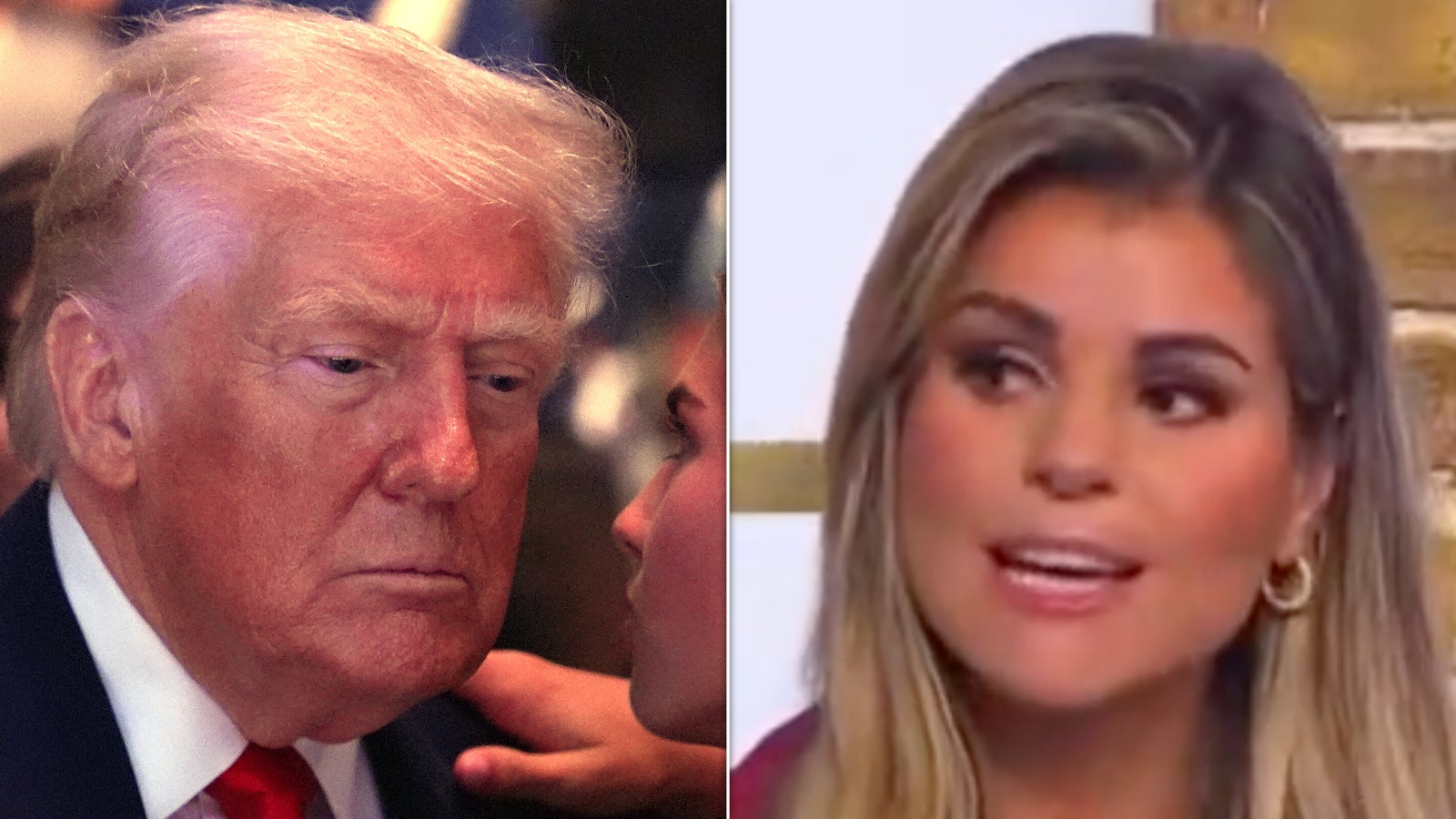
“The fight continues. We are heading to the U.K. in July,” stated Mercedes Schlapp, a prominent adviser during Trump’s first term and now a senior figure at the CPAC conference, which has previously hosted events in Hungary supporting Orbán’s regime.
Schlapp, along with other Trump loyalists, pointed fingers at Hungarian-born philanthropist George Soros, who faced significant backlash under Orbán’s rule. “I would check the influx of Soros money into the Hungary presidential race,” she remarked, echoing a familiar narrative among conservatives.
Mike Davis, a former Republican aide turned staunch Trump supporter, dismissed the election outcome as a poor decision by Hungarian voters. “Orbán protected Hungary from the Islamist invasion and conquest. Now Hungary is cooked, like the rest of Europe,” he asserted.
Trump himself has remained silent regarding Orbán’s defeat at the hands of prime minister-elect Peter Magyar, despite having recently sent Vice President JD Vance to campaign for him and offering substantial U.S. aid as an incentive for Orbán’s reelection.
Magyar, who previously belonged to Orbán’s party, campaigned against the entrenched corruption that has characterized Orbán’s administration. He promised to steer Hungary back towards Western Europe and away from Russian influence, a message that resonated with voters. Magyar’s Tisza party secured 52% of the votes, while Orbán’s Fidesz party garnered only 39%, resulting in a supermajority that could dismantle Orbán’s power structure.
“I expected an opposition victory, but not with this turnout and landslide,” remarked Johan Norberg from the Cato Institute, who has extensively studied Orbán’s governance. “It seems like just about everyone was fed up after 16 years.”
Meanwhile, far-right conservatives in the U.S. have long idolized Orbán. As Trump sought to reclaim the presidency post-2020 election loss, conservative leaders praised Orbán’s rule as a model for global conservatism.
“Modern Hungary is not just a model for conservative statecraft, but the model,” declared Kevin Roberts of the Heritage Foundation, which has advocated for increasing presidential power and politicizing civil service roles.
Trump has closely mirrored Orbán’s tactics since taking office, targeting federal institutions and media while promoting a narrative steeped in Christian nationalism.
Al Cardenas, a former CPAC chair, expressed skepticism about whether the Republican Party would learn from Orbán’s defeat. “They are stuck with an unbending base they created,” he noted.
Some mainstream Republicans did commend Magyar’s victory as a triumph for democracy. “The freedom-loving people of Hungary have voted decisively in favor of democracy and the rule of law,” stated Roger Wicker from Alabama. “They’ve rejected the malign influence of Vladimir Putin.”
Mitch McConnell also voiced support for Magyar in an op-ed, criticizing Orbán’s authoritarian practices. “Orbán’s champions on this side of the Atlantic may well consider his illiberal court-packing... an acceptable price for their desired social utopia,” he wrote.
Norberg expressed hope that pro-democracy voices within the GOP would gain traction following this election. “I think there’s a segment of the GOP that are committed ‘post-liberals’ and will want to imitate Orbán’s methods no matter what,” he said. “But I think this will energize those parts of the party that were never on board but have been too afraid to speak out.”
However, these voices face significant challenges within Trump’s administration. By Monday afternoon, neither Trump nor his State Department had acknowledged Magyar's victory, which positions Hungary as a member of both NATO and the European Union.
“The lesson is evil cannot survive in perpetuity. But they will more likely turn a deaf ear,” warned Ty Cobb, who served in Trump’s White House Counsel’s office. He expressed concern that upcoming midterms might not yield a decisive rejection of Trump akin to Orbán's loss.
“Orbán’s loss was overwhelming. That makes his departure easier to ensure,” Cobb concluded. “A close election here for the House majority may not be enough to rid us of Trump and his fascist destructive madness.”