


Trump's Chaotic Strategy Aimed at Forcing Iran into Negotiations
President Trump allegedly embraced a strategy of deliberate instability and provocation towards Iran, aiming to compel the nation into negotiations to end the ongoing conflict.
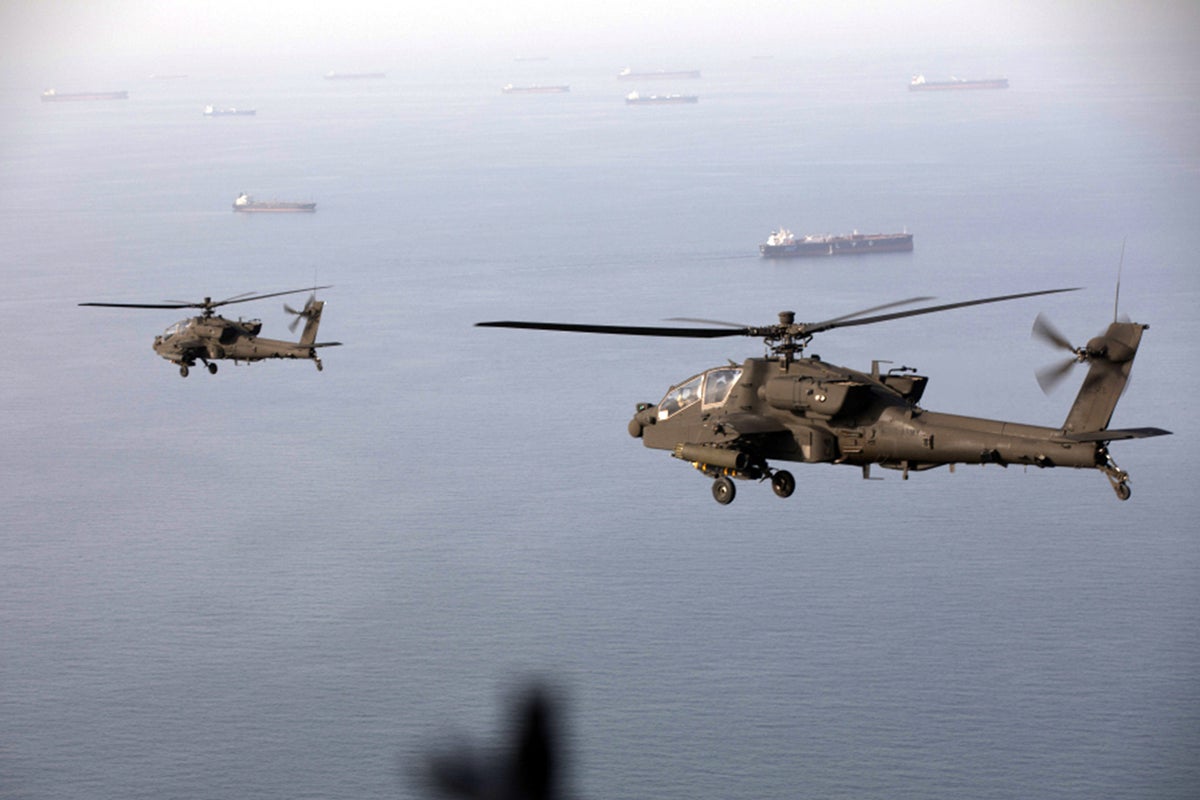
This unconventional approach reportedly fueled a series of contentious social media posts regarding the crucial Strait of Hormuz, as revealed by administration insiders.
On April 5, Trump issued a striking command to Iran, demanding they “open the F***in’ Strait, you crazy b*******, or you’ll be living in Hell,” concluding with “Praise be to Allah.”
Just two days later, he escalated his rhetoric, warning that a “whole civilization will die tonight” unless Iran complied with his demands regarding the strait.
That same evening, a ceasefire was announced, mere moments before Trump’s ultimatum expired. However, his remarks drew sharp criticism from both sides of the political aisle, prompting inquiries from congressional members and religious leaders about the president's alarming statements.
When questioned by an adviser about his provocative posts, Trump reportedly claimed he devised the idea of praising Allah to appear unfiltered and offensive, believing this would resonate with Iranian officials.
Later, he sought feedback on how his strategy was being perceived.
Secretary of State Marco Rubio privately suggested that Trump's incendiary language might actually prompt negotiations with Iran.
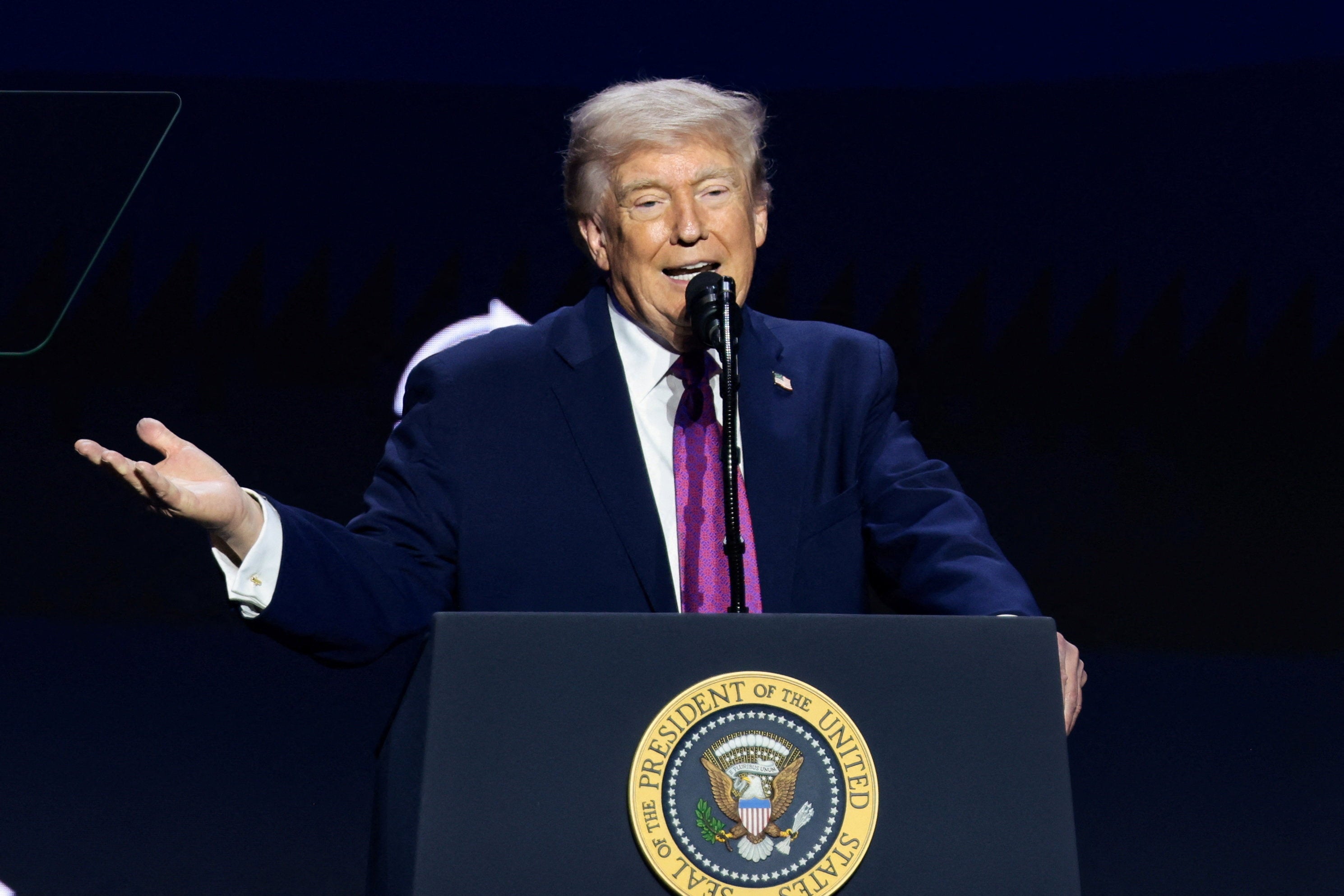
Some of these posts were made without the knowledge of the national security team and were not part of any formal security strategy, according to an administration official.
The backlash was swift and widespread, even alienating some of Trump's previous supporters in conservative media circles, including former Fox News host Tucker Carlson.
“This is an extremely sick person,” Senate Minority Leader Chuck Schumer remarked. “Every Republican who refuses to vote against this reckless war owns every consequence of whatever the hell this is.”
Former Republican congresswoman Marjorie Taylor Greene expressed her disapproval on social media, stating, “Not a single bomb has dropped on America. We cannot kill an entire civilization. This is evil and madness.”
The ongoing conflict prompted Pope Leo to deliver an Easter message advocating for peace, amidst a wave of criticism directed at the war that has drawn ire from the White House.
“Let those who have weapons lay them down!” the first American Pope urged worshippers in Vatican City. “Let those who have the power to unleash wars choose peace!”
The White House and State Department have been approached for comments regarding these developments.
In response to inquiries about Trump's actions, White House Press Secretary Karoline Leavitt stated that the president campaigned on a promise to prevent Iran from developing nuclear capabilities, asserting that this operation aligns with that goal and emphasizing Trump’s steady leadership.
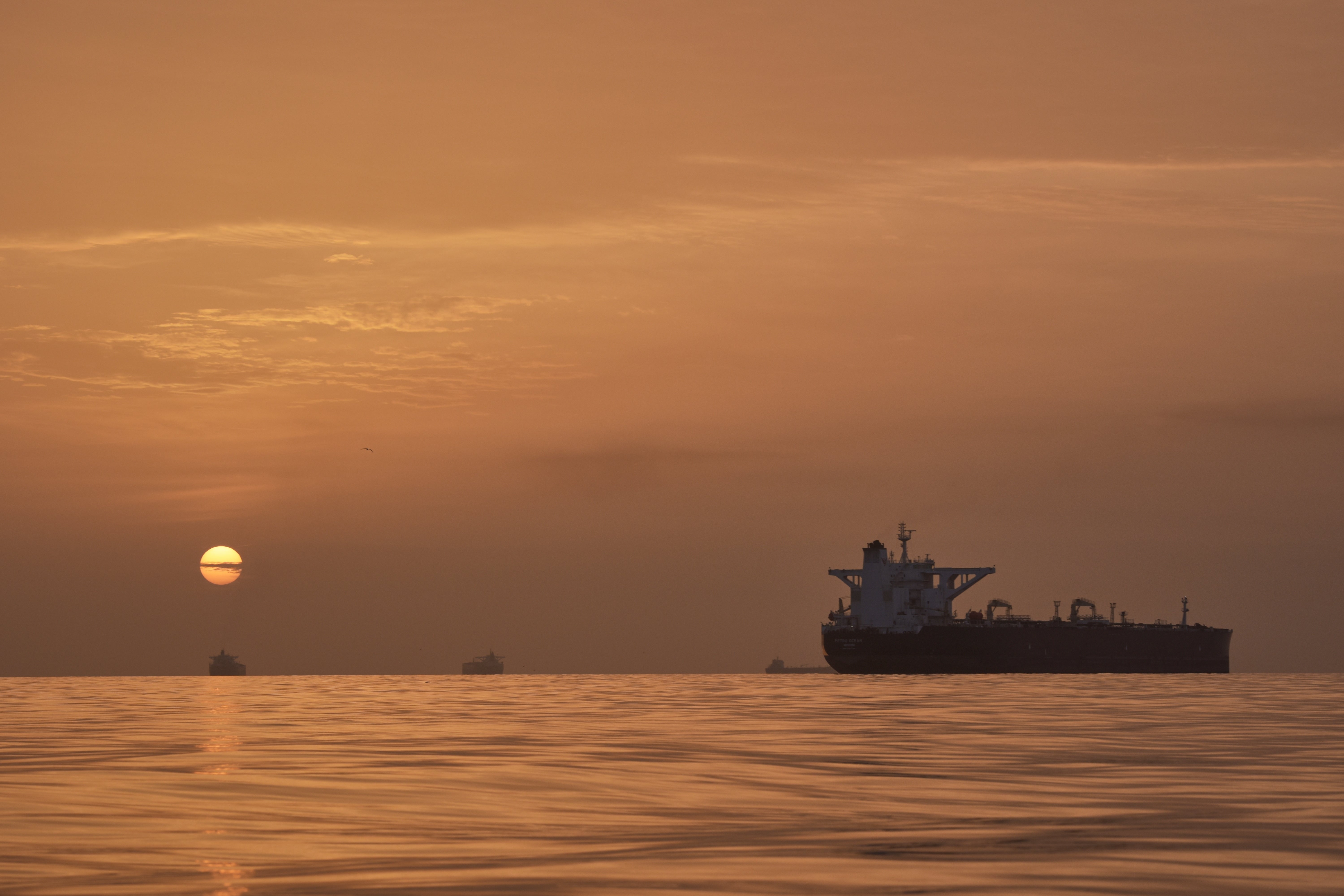
The situation remains precarious. On Saturday, Iran announced that the Strait of Hormuz had been closed again, with tankers reporting attacks in the vital waterway.
Tehran indicated it would continue to obstruct the strait as long as U.S. sanctions on Iranian ports were in effect.
A ceasefire between Israel and Lebanon reached on Friday appears to be holding; however, the U.S.-Iran agreement is set to expire next week without any clear advancements.
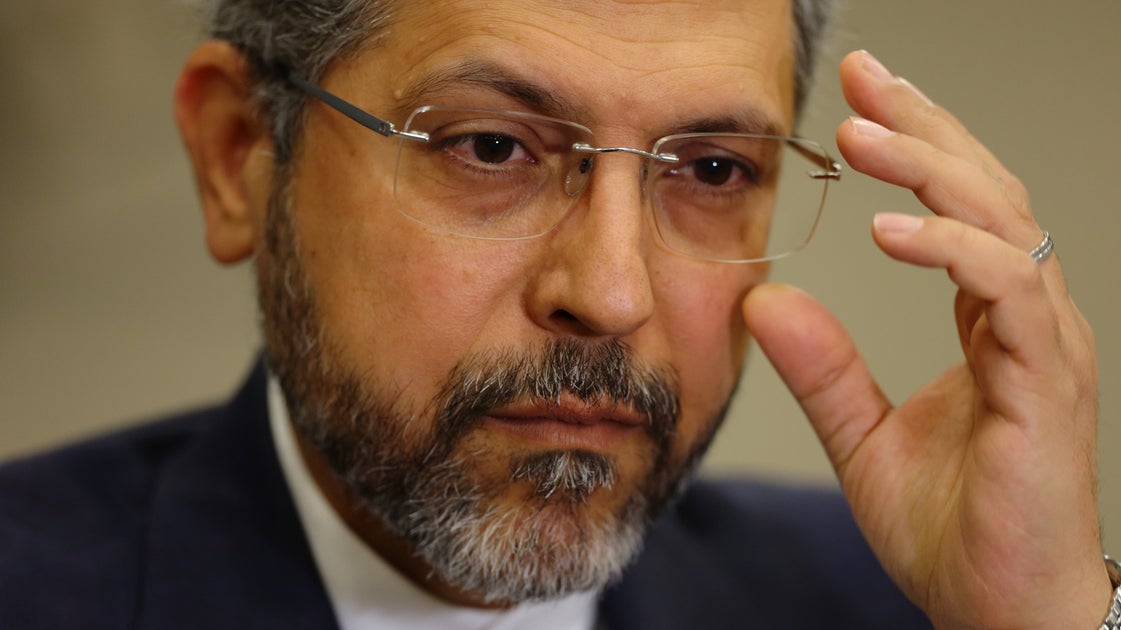
Mohammad Bagher Ghalibaf, Iran’s parliamentary speaker and chief negotiator, stated on state television that both nations remain far from a conclusive agreement.
Despite these challenges, White House officials remain optimistic about achieving a “breakthrough” in negotiations in the near future.