
Trump's Dismissal of National Science Board Members Labeled a 'Clownish Blunder'
In a bold move, the Trump administration has reportedly dismissed all 22 members of the National Science Board (NSB), the advisory group that shapes the National Science Foundation's (NSF) direction and provides counsel on critical scientific matters to Congress and the president.
Democratic Representative Zoe Lofgren from California did not hold back, labeling the action a “clownish blunder” in a statement released Saturday.
“This is yet another foolish decision from a president who consistently undermines science and American innovation,” she asserted. “The NSB operates independently, advising on the NSF's future. It’s no surprise that a president who has targeted the NSF from the outset would aim to dismantle the board that guides it.”
She further questioned, “Will the president replace the NSB with loyalists who will not challenge him as he cedes our scientific leadership to adversaries?”
Gretchen Goldman, president and CEO of the Union of Concerned Scientists, expressed her dismay in a blog post, stating, “This political maneuver must be recognized for what it is: an effort to silence independent scientists, stifle evidence-based decision-making, and keep the public uninformed.”
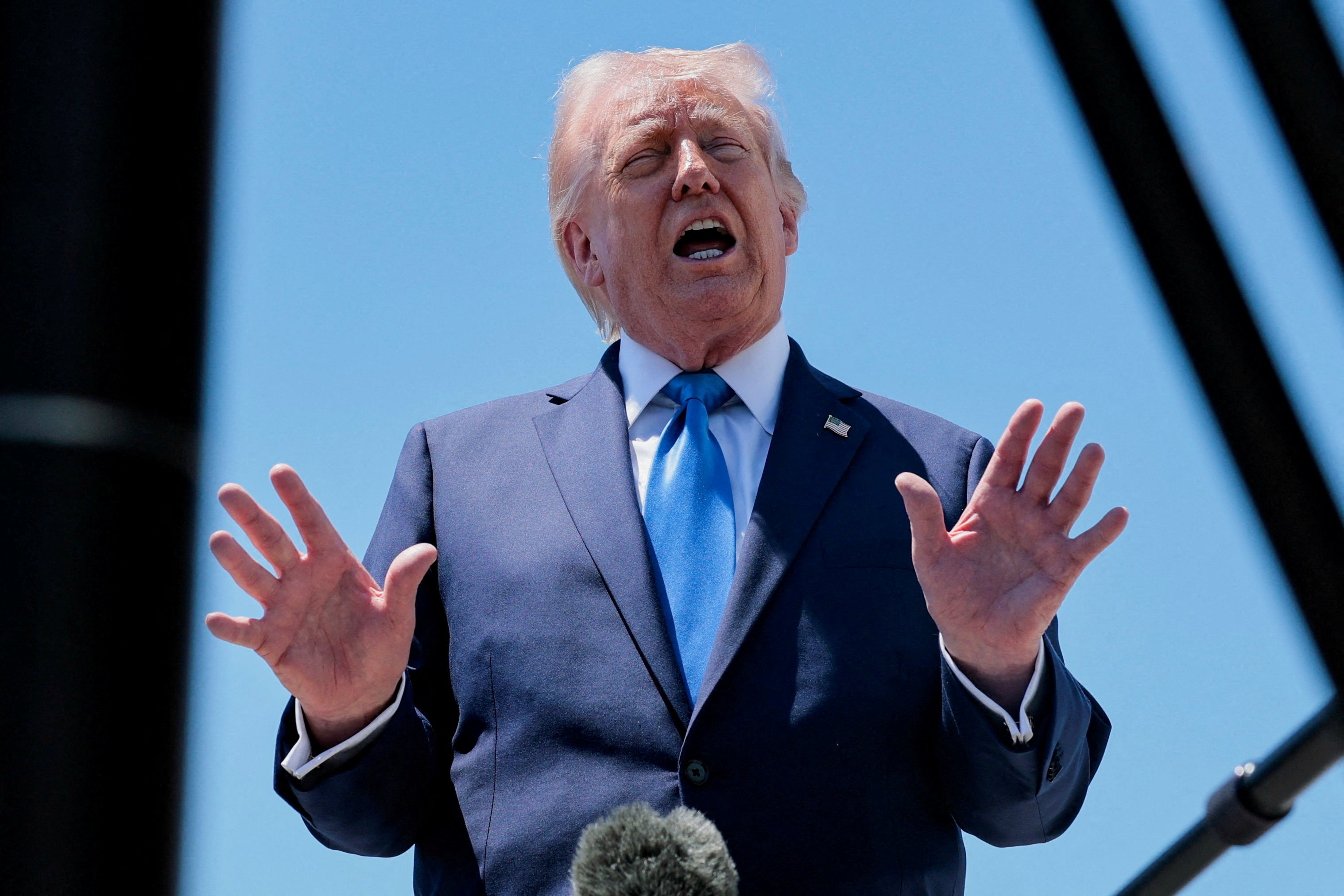
The White House has not provided immediate comments regarding the firings, which occurred on Friday without substantial explanation.
The NSB, whose members serve six-year terms, plays a crucial role in guiding NSF’s budget exceeding $9 billion. It approves significant expenditures and establishes long-term priorities for an agency pivotal in funding basic non-medical science and engineering in the U.S., contributing to innovations like GPS and the internet.
Keivan Stassun, a physics and astronomy professor at Vanderbilt University and one of those dismissed, remarked to The Los Angeles Times, “This means there will be no real barriers to the administration implementing its own budget and priorities while disregarding congressional directives.”
He warned of a potential decline in what has historically been a robust investment in American science and technology. “The most groundbreaking discoveries are often unpredictable; hence, we invest in foundational research by scientists and engineers,” he added.
This latest round of firings signals ongoing instability at the NSF. Last April, NSF director Sethuraman Panchanathan resigned amid personnel changes linked to the Trump administration’s aggressive cost-cutting initiatives.
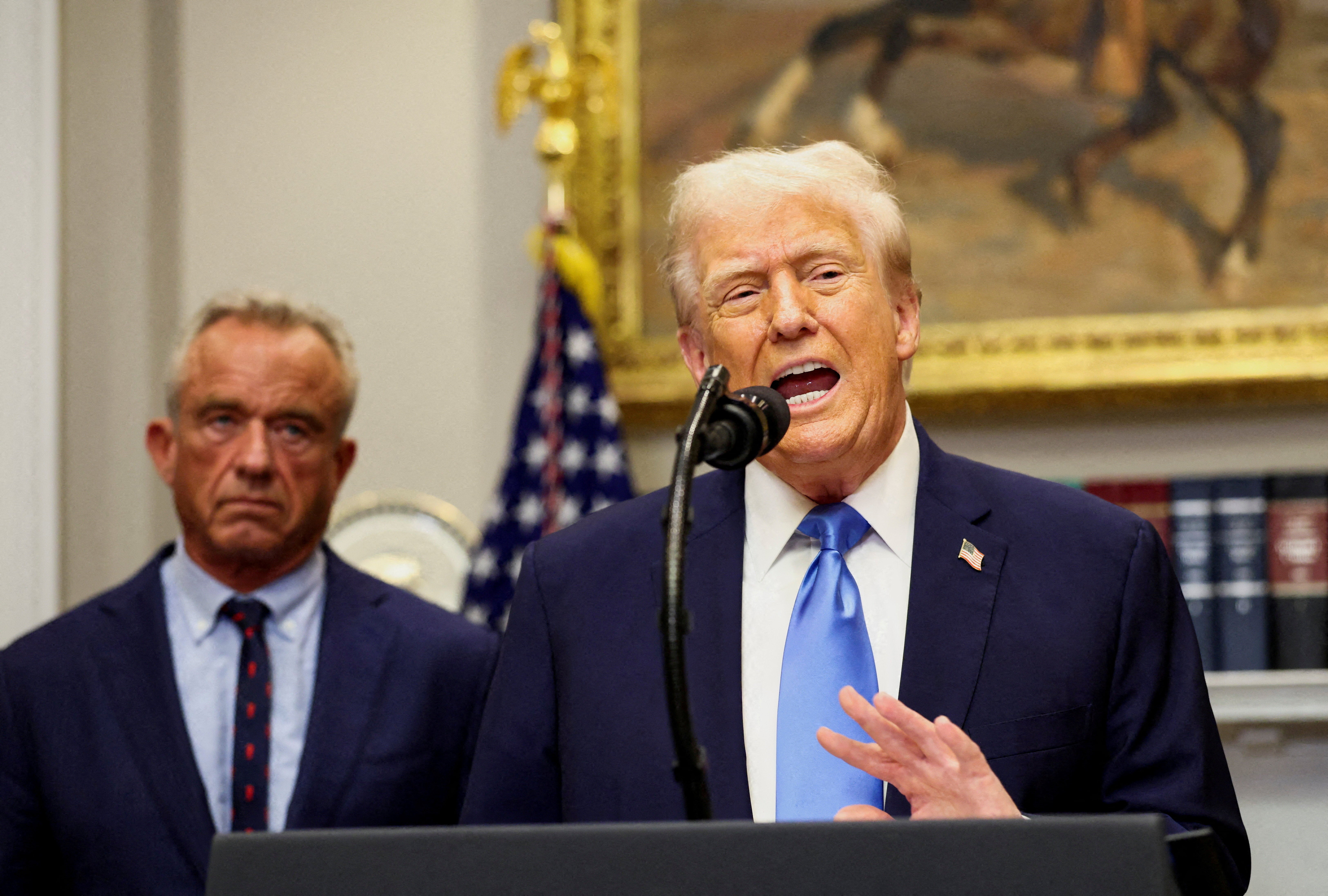
In May, board member Alondra Nelson also resigned, citing concerns over the DOGE program's influence, which she claimed had gained undue authority over grant applications previously vetted by experts.
Last year, the White House proposed a drastic 55 percent cut to the NSF budget, which Congress ultimately rejected. However, similar cuts have been requested for the fiscal year 2027 budget.
In March, Jim O’Neill was nominated to lead the NSF; he is a former deputy secretary of Health and Human Services and a biotech investor. If confirmed, he would be the first NSF chief without a formal scientific or engineering background.
During its first year in office, the Trump administration froze or terminated over 7,800 research grants, leading to an exodus of approximately 25,000 scientists and staff from research-related agencies, according to reports.
Last summer saw the removal of all members from a key CDC vaccine advisory board, with some replaced by individuals skeptical of vaccines. Similarly, members of an autism advisory board were replaced by those who had previously promoted debunked claims linking vaccines to autism.

The president has consistently challenged established scientific consensus, famously calling climate change “the greatest con job ever perpetrated on the world” during last year’s United Nations General Assembly.
Despite this, he has shown support for the technology sector, advocating for advancements in artificial intelligence and cryptocurrency while pushing for expedited development of AI data centers across the nation.
Members of the tech industry have contributed millions to his campaign efforts and initiatives related to his administration.