

Trump's Fabrications on Iran Conflict Could Lead to Major Repercussions
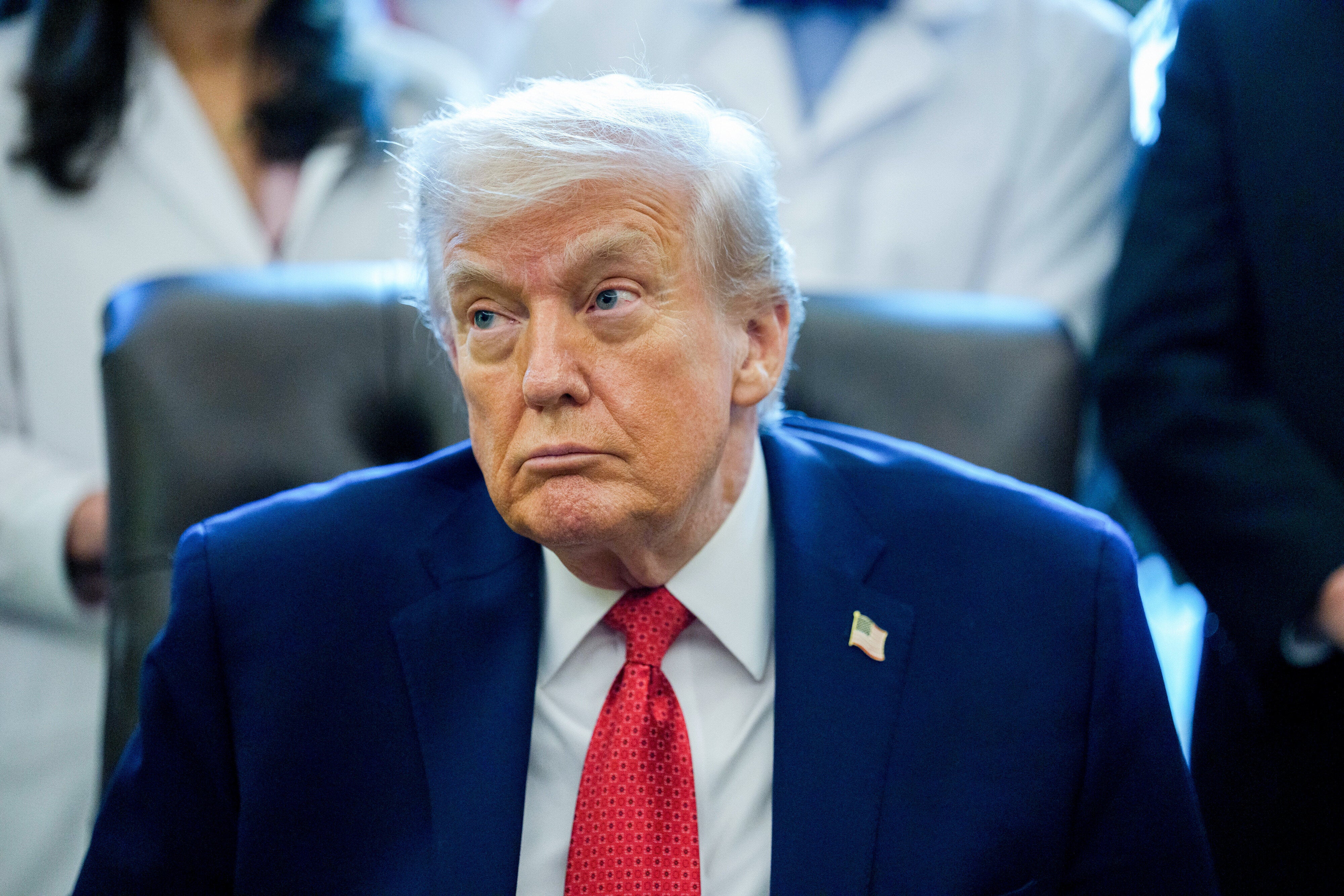
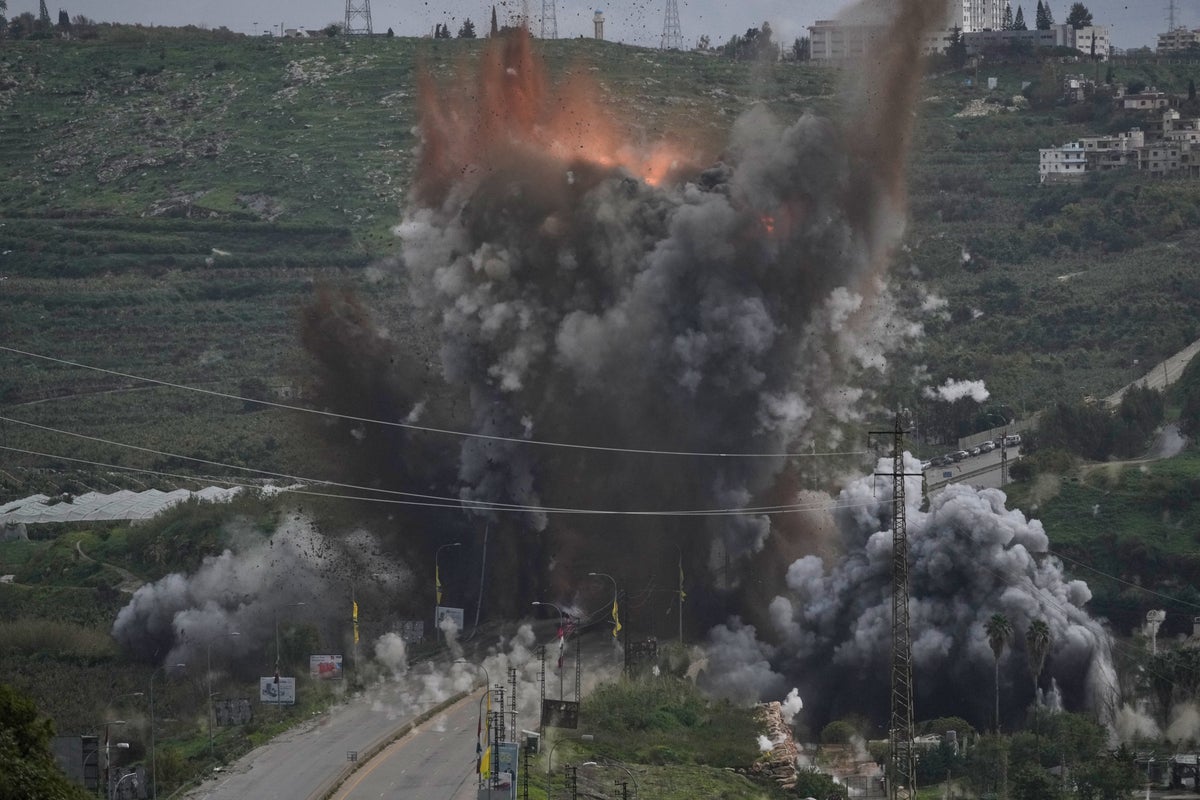
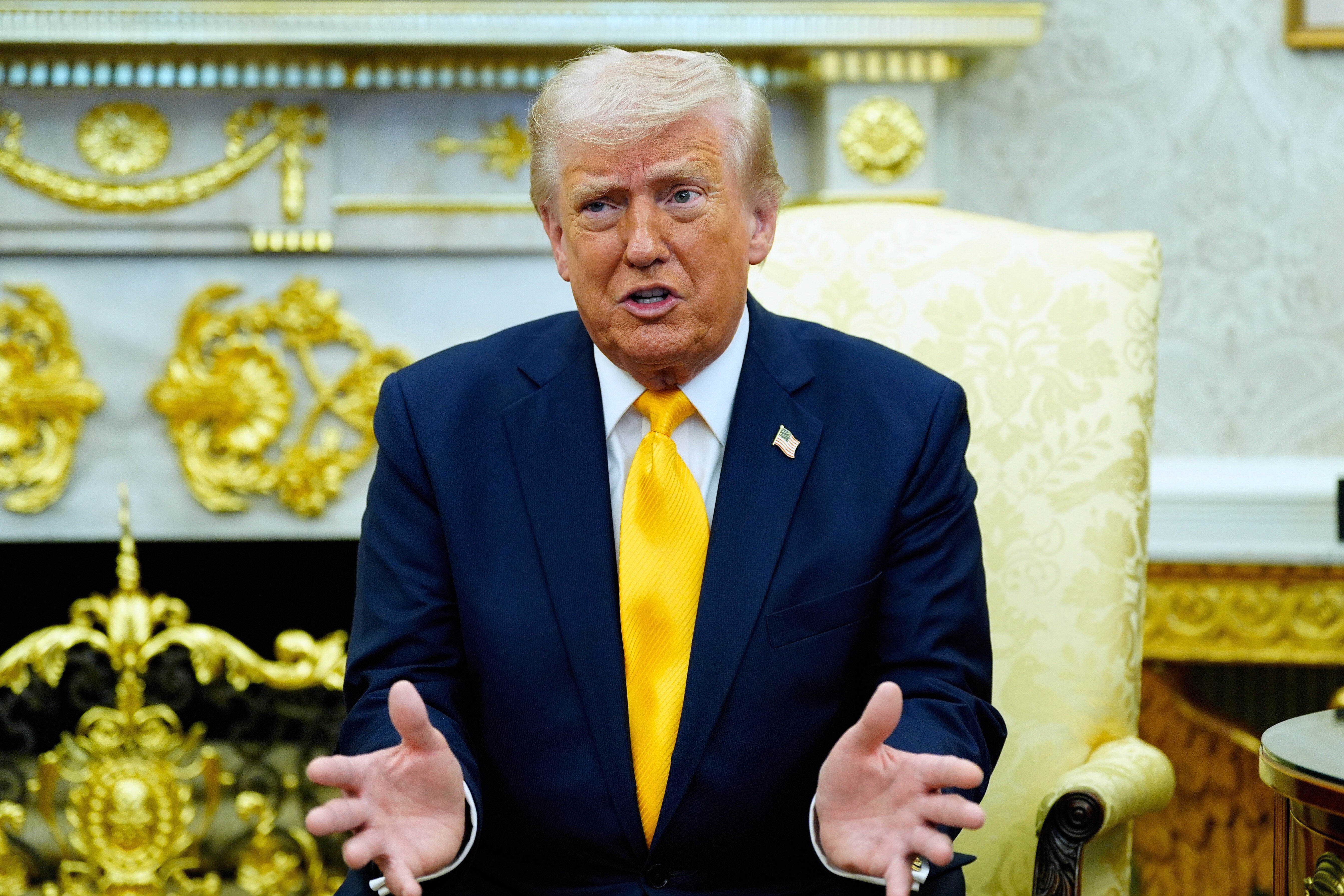
The editorial board issued a scathing critique of Donald Trump’s misleading assertions regarding the ongoing U.S.-Israeli conflict with Iran, cautioning that these fabrications may have severe consequences for him.
“Lying is standard behavior for Mr. Trump, of course,” the board noted, referencing his extensive history of falsehoods. An analysis revealed that during his first term, Trump made over 30,000 misleading or untruthful claims, underscoring a troubling pattern.
“Yet lying about war is uniquely corrosive,” the board emphasized, arguing that such dishonesty fosters an environment where grave errors and potential war crimes can proliferate, ultimately jeopardizing American values and interests.
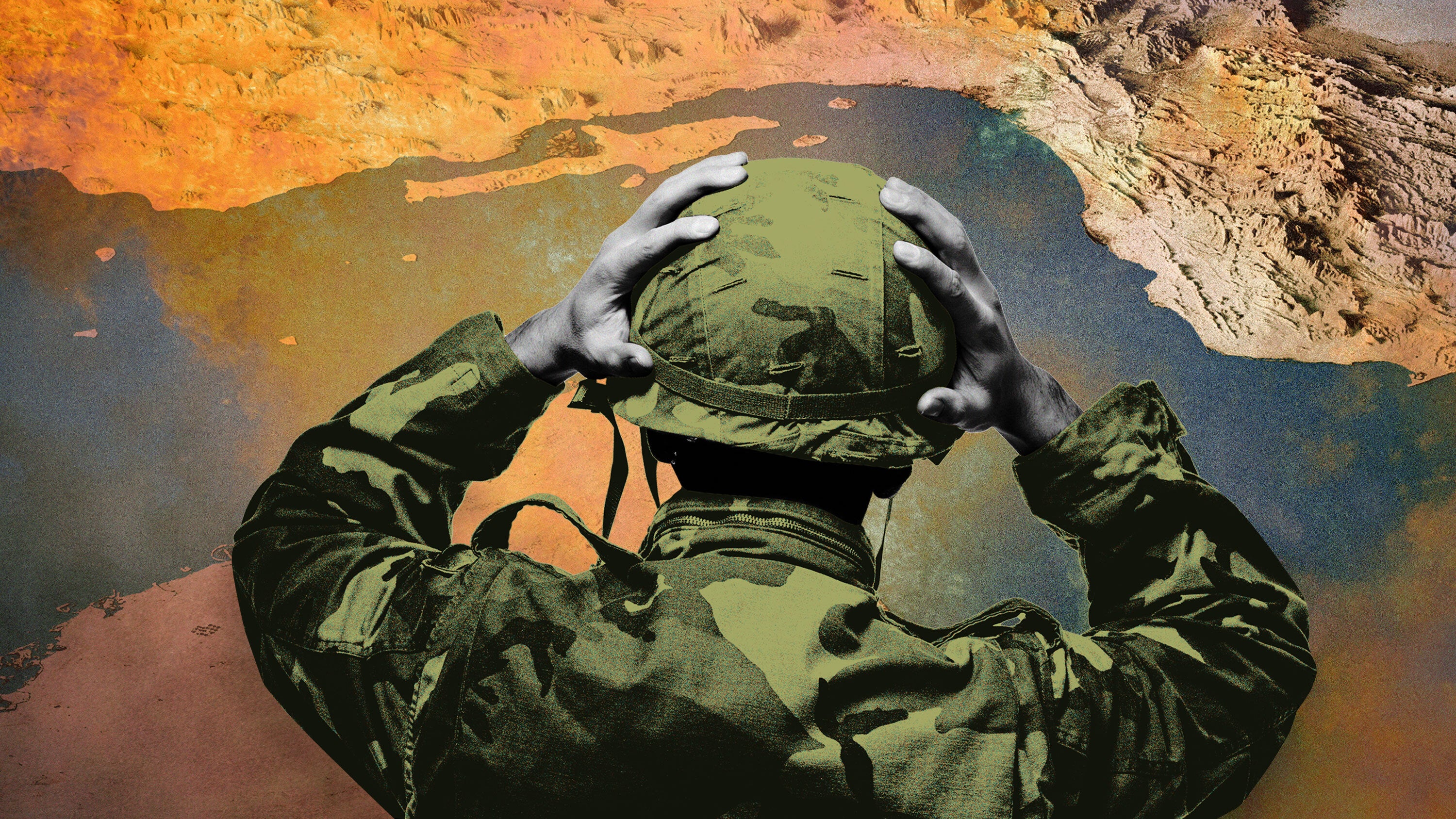
While acknowledging that there is a legitimate discussion to be had regarding the war—one that has already claimed the lives of 13 U.S. service members—the board criticized Trump for failing to engage in this discourse. Instead, he resorts to deception regarding the war's rationale and progress, seemingly to mask his inadequate planning and the war's dubious foundation.
Trump and his supporters have provided inconsistent narratives about various facets of the conflict, including its objectives and duration, further complicating the public's understanding.
The editorial board drew parallels with historical conflicts, such as the Vietnam War and the 2003 Iraq invasion, where leaders discovered that their own falsehoods could rebound against them. “Whatever short-term gain Mr. Trump thinks he is getting by lying about the war in Iran is far exceeded by the cost, for him, the country and the world,” it concluded.
In a landscape where misinformation can lead to dire outcomes, the board's warning serves as a stark reminder of the responsibilities that come with leadership during wartime.
{CONTENT}