



Trump's Outrage: A Classic Case of Narcissistic Collapse Unleashed
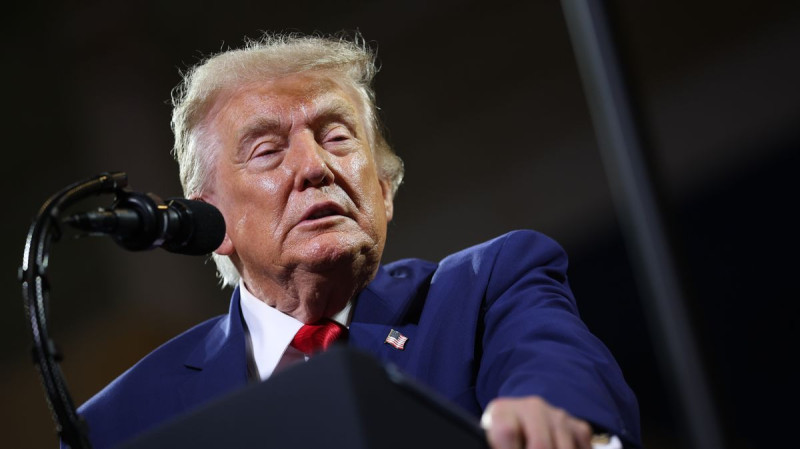
President Donald Trump unleashed a tirade against right-wing figures, branding them “losers,” “nut jobs,” and “troublemakers.” This outburst, a hallmark of narcissistic collapse, reflects a fragile ego under siege.
In April, Trump targeted former allies like Megyn Kelly, Alex Jones, Candace Owens, Tucker Carlson, and Marjorie Taylor Greene. He didn’t hold back, labeling them “low IQ,” “nasty,” and “crazy,” while attacking their looks and intelligence in response to their criticism regarding his actions on Iran.
Narcissistic collapse occurs when a narcissist’s self-image is threatened. Tina Swithin, author of “Divorcing a Narcissist: One Mom’s Battle,” explains that this can happen due to criticism, public humiliation, or perceived abandonment.
Such a collapse often leads to impulsive behavior and emotional explosions. Swithin notes that it can manifest as rage and personal attacks, with the narcissist lashing out at multiple targets simultaneously.
Projection is another tactic; narcissists blame others for their failures or accuse them of traits they themselves possess. This behavior often includes frantic attempts at image management through smear campaigns and manipulation.
Hyperbole becomes a tool for reasserting dominance. Swithin points out that narcissists may publicly degrade former allies who no longer provide the validation they crave, framing themselves as victims despite their significant power.
The moment the mask slips reveals the narcissist’s vulnerability, exposing negative behaviors that were previously hidden. Lauren Maher, a licensed marriage and family therapist, highlights that not all narcissists react with overt rage; some may resort to passive-aggressive tactics or vindictive behavior.
Covert narcissists might withdraw from situations that remind them of their failures, indulging in self-pity instead of accountability. Hannah Alderete, a licensed mental health counselor, describes this withdrawal as akin to depression, where the narcissist punishes others with silence.
Both overt and covert narcissists exhibit rigid thinking patterns, viewing people and situations in black-and-white terms. In extreme cases, they may show signs of paranoia or severe depression.

Alderete explains that narcissists rely on external validation to maintain their self-concept. They need admiration to support their distorted view of themselves.
External markers like wealth, social status, and idealized family structures help them craft their facade. Virginia Gilbert, a licensed marriage and family therapist, notes that narcissistic collapse can stem from any perceived challenge to their power or status.
A slight or public criticism can trigger a profound sense of shame. Swithin emphasizes that the more grandiose the individual, the more catastrophic the perceived threat feels internally.
Gilbert points out that it’s often the narcissist’s own behavior that leads to their downfall. For example, infidelity can lead to divorce, or adult children may choose to distance themselves from a manipulative parent.
Aging can also trigger feelings of inadequacy in narcissists, sending them spiraling into collapse. Marie-Line Germain explains that they struggle to reconcile their self-image with reality.
The core issue lies in a deeply buried sense of shame. Maher states that rejection or humiliation can invoke this shame, leading to destructive behavior as they lash out to restore their sense of self.
Germain sees clear parallels between Trump’s recent rants and patterns of narcissistic collapse. She notes that observable behaviors do not equate to a clinical diagnosis but reflect familiar dynamics for those studying this phenomenon.
When Trump’s self-image is threatened by criticism or disagreement from former allies, he perceives it as disloyalty. This shift triggers emotional instability and aggression.
Swithin highlights the breadth of Trump’s attacks on former supporters as indicative of collapse behavior. When a narcissist begins devaluing allies, it signals that their usual sources of validation have dried up.

Experts identify key signs of narcissistic collapse in Trump’s rhetoric: personal attacks on appearance and intelligence rather than addressing ideas. Germain notes this reflects a need to belittle others to protect his own self-image.
The tone escalates aggressively, with mockery and dismissal becoming prevalent. There’s an increase in grandiosity and reliance on group validation to reinforce his sense of superiority.
Trump’s posts emphasize power and success while displaying victim positioning despite holding immense power. Swithin observes that the length and intensity of his posts reflect emotional dysregulation rather than strategic communication.
Wendy Behary, author of “Disarming The Narcissist,” suggests that intense reactions during narcissistic collapse indicate something significant is happening beneath the surface. The criticism feels like an existential threat to their survival.
Maher warns that being on the receiving end of narcissistic rage can be unnerving. It’s crucial not to internalize their attacks or let them warp your reality; the goal is self-protection.
Alderete emphasizes that narcissists lack empathy and won’t recognize the impact of their behavior on others. During collapse, they focus on eliminating threatening feelings by belittling others.
Engaging in arguments with a collapsing narcissist is counterproductive; it fuels their sense of power. Behary advises maintaining distance rather than getting entangled in conflict.
Emotional detachment is key; respond minimally and embrace silence. Gilbert recommends using factual communication methods to remain uninteresting to the narcissist.
Limiting exposure and keeping interactions neutral can help maintain your well-being. Germain stresses the importance of talking to trusted individuals for perspective during these draining situations.
The original version of this story was published on HuffPost at an earlier date.