


Trump's Profanity-Laced Ultimatum: "Take Over" Iran or Else
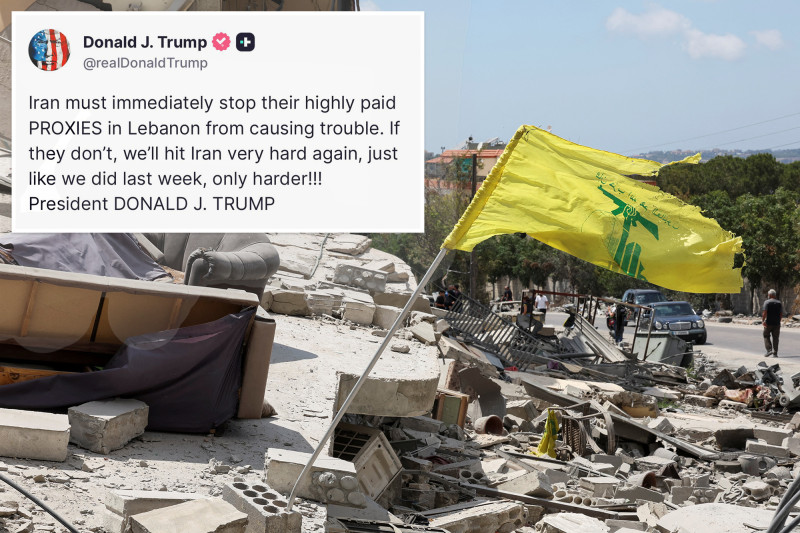
Donald Trump unleashed a profanity-laden threat to “take over” Iran if the Strait of Hormuz wasn’t reopened immediately, according to a report from Fox News.
This latest tirade erupted after Iran announced the closure of the critical waterway, just days post-agreement to ensure traffic flow. The closure followed intensified Israeli military actions in Lebanon aimed at dislodging Hezbollah militants.
In a phone call early Sunday, Trump warned Iranian officials directly, stating, "you close [the Strait of Hormuz] and you won't have a country.”
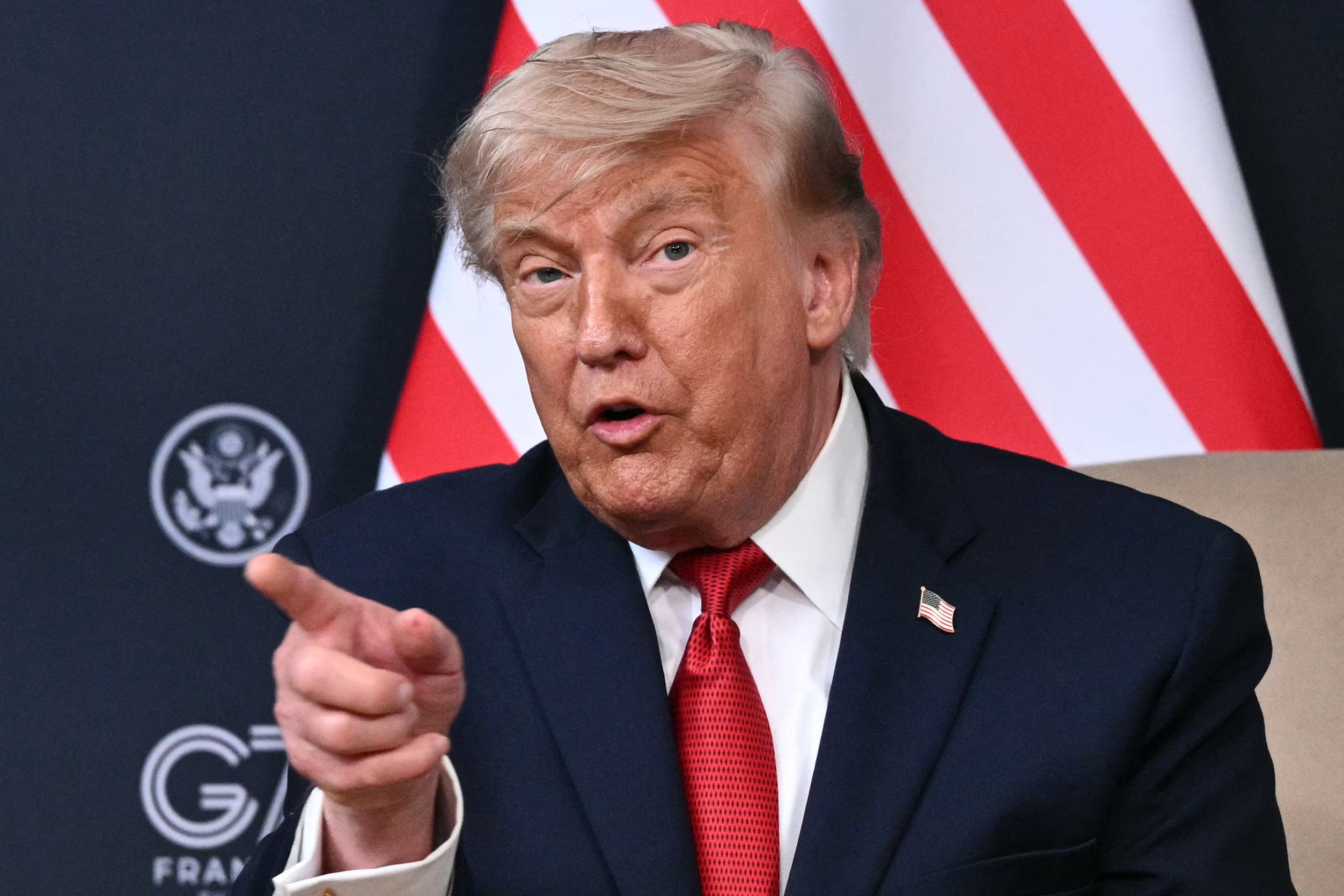
Trump reportedly escalated his rhetoric, claiming, “You won't even make it back to your f***** country,” and added, “We'll take over the rest of the country.”
This threat marks a significant escalation for Trump, who has been searching for an exit strategy from the war he initiated in February. In the lead-up to the ceasefire extension signing, he considered deploying U.S. military forces to occupy Kharg Island, a vital hub for Iran's oil industry.
The ongoing spat with Tehran underscores the fragility of the U.S.-Iran ceasefire and highlights the White House's failure to rein in Israeli aggression. Some Trump advisers view Israel's offensive in Lebanon as a direct challenge to the ceasefire agreement that Trump brokered, which Israeli officials have criticized as inadequate.
Since the conflict erupted, Israeli strikes in Lebanon have resulted in over 4,000 fatalities, according to officials. A new offensive is being celebrated by top Israeli leaders.
On Friday, Israeli national security minister Itamar Ben-Gvir faced backlash after calling for Israeli forces to “burn all of Lebanon,” asserting that “for every tear of an Israeli mother, a thousand Lebanese mothers must weep.” Despite his condemnations, Trump has failed to curb this incendiary rhetoric or halt the Israeli assault.
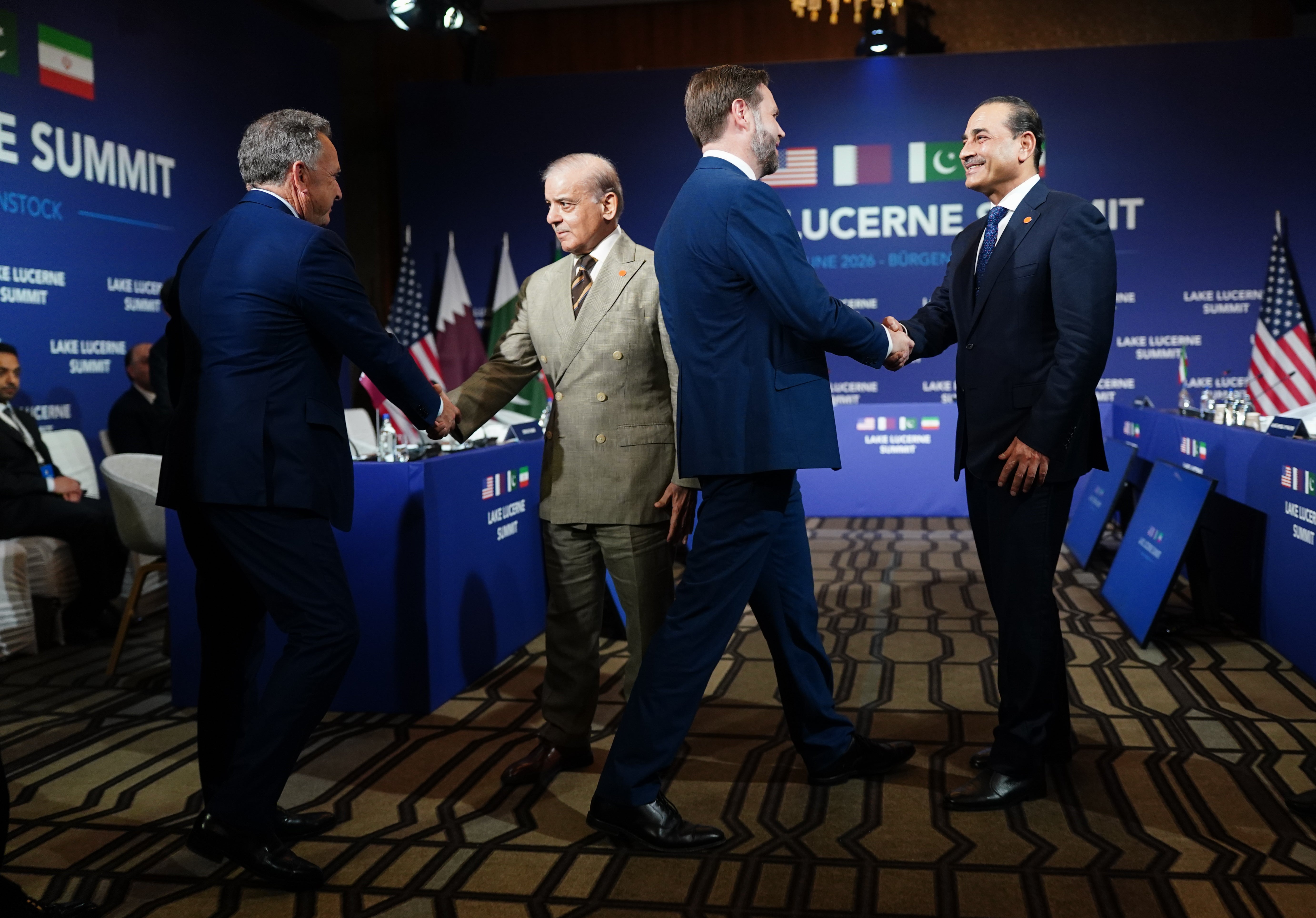
Vice President JD Vance traveled to Switzerland this weekend to lead peace talks with Iranian officials.
The Trump administration has openly expressed dissatisfaction with Israel’s foreign policy. From the White House press briefing room, Vance cautioned Israeli officials against alienating their closest ally, the United States. He also indicated growing frustration on a podcast, stating that Israel couldn’t simply “kill” their way out of every problem.
Trump echoed these sentiments, claiming that Israel would not exist without his administration’s backing.
However, Trump's more direct threats to Iran reveal a willingness to go further to ensure compliance with the ceasefire.
The 60-day ceasefire agreement signed on Wednesday extends an existing truce between U.S. and Iranian forces while offering sanctions relief and unfrozen funds in U.S. banks if Iran adheres to the terms. The U.S. secured a commitment from Iran not to pursue nuclear weapons, mirroring language from the Obama-era nuclear deal that Trump dismantled in 2018.
Conservative supporters in Washington are split over the agreement. Many terms resemble the Obama nuclear deal that Trump criticized for years. Recently, both Republican and Democratic critics have emerged on Capitol Hill and in conservative media, denouncing the deal as a betrayal of Israel and a setback for America, which has sought to pressure Iran regarding the Strait of Hormuz with limited success.

“Reagan is rolling over in his grave. Iran’s nuclear ambitions were not curbed, and they have learned that threatening the Strait of Hormuz works and will undoubtedly leverage it in the future,” Republican Louisiana Senator Bill Cassidy stated on X after the deal was announced. “Before the war, the strait was open, Iran was being crushed by sanctions, and 13 service members were still alive. Now, 13 Americans are dead, families have paid billions at the pump, sanctions will be lifted, and the bombing has stopped. This is the worst foreign policy blunder in decades.”
A contentious point for critics on both sides is the administration’s tacit support for a $300 billion economic redevelopment fund for Iran. The White House insists this fund won’t use American taxpayer dollars but will instead rely on contributions from regional investors.
However, combined with sanctions relief and unfreezing Iranian funds in U.S. financial systems, opponents see this deal as a massive payout to Iran’s government. Opposition extends beyond Republicans; Senate Minority Leader Chuck Schumer has vowed that his caucus won’t support it if it reaches Congress.
The fate of this deal remains uncertain. On Thursday, Vice President JD Vance indicated that many terms of the memorandum of understanding could be authorized directly by the administration without needing congressional approval.