

Trump's Sudden Retreat on Strait of Hormuz Plan Sparks Fury Among Gulf Allies
WASHINGTON — President Donald Trump’s sudden about-face on his controversial plan to facilitate maritime traffic through the Strait of Hormuz has sent shockwaves through the Gulf, following a fierce backlash from a crucial ally. U.S. officials revealed that Saudi Arabia yanked the military's access to its bases and airspace, effectively grounding the operation.
On a seemingly ordinary Sunday, Trump dropped the bombshell announcement of “Project Freedom” via social media, catching Gulf allies off guard and igniting anger in Riyadh. The Kingdom swiftly retaliated, declaring it would not permit U.S. military aircraft to operate from Prince Sultan Airbase or traverse its airspace to support the initiative.
A tense phone call between Trump and Saudi Crown Prince Mohammed bin Salman failed to mend fences, leading the president to hit pause on Project Freedom to salvage U.S. military access to this vital airspace.
Other Gulf partners were equally blindsided; Trump had already initiated discussions with leaders in Qatar after the operation was underway. A Saudi source disclosed that communication between Trump and the crown prince had been ongoing, but the announcement still caught them off guard.

“Things are happening quickly in real time,” the source explained, emphasizing Saudi Arabia's backing of Pakistan's diplomatic efforts to broker peace between Iran and the U.S.
In response to claims that regional allies were blindsided, a White House official insisted, “Regional allies were notified in advance.” However, a Middle Eastern diplomat revealed that coordination with Oman only occurred post-announcement, stating, “The U.S. made an announcement and then coordinated with us.”
Initially touted as a strategy to break Iran’s blockade in the Strait of Hormuz, Project Freedom was abruptly halted just 36 hours after its launch. U.S. Central Command had already positioned additional ships in the Gulf for transit when the operation was called off.
Trump’s social media post indicated that Project Freedom would be “paused for a short period of time to see whether or not” a peace agreement could be finalized. The U.S. military maintains a significant presence at Prince Sultan Airbase, which is crucial for operations in the region.
“You need cooperation from regional partners to utilize their airspace along their borders,” one U.S. official noted, highlighting the strategic necessity of military aircraft for protecting vessels during Project Freedom.

The Pentagon refers to permission for using another country’s territory as ABO—access, basing, and overflight—essential for operational success. Saudi Arabia and Jordan are pivotal for basing aircraft, while Kuwait and Oman are vital for overflight and naval logistics.
After launching Project Freedom, Trump reached out to Qatar’s emir, discussing ceasefire agreements and maritime security implications. The emir underscored the need for de-escalation in their conversation.
The U.S. military continues to bolster its presence in the Gulf, now with two carrier strike groups deployed and enhanced logistical support since the conflict escalated on February 28. Project Freedom aimed to provide surveillance and firepower for safe passage through the Strait of Hormuz amid Iranian threats against shipping.
As diplomatic efforts intensify, Iran is reportedly reviewing a new peace proposal from the U.S., with Foreign Ministry spokesman Esmail Baghaei indicating discussions with Pakistan as a mediator are forthcoming. Trump hinted at potential breakthroughs, stating that “Iran wants to make a deal.”
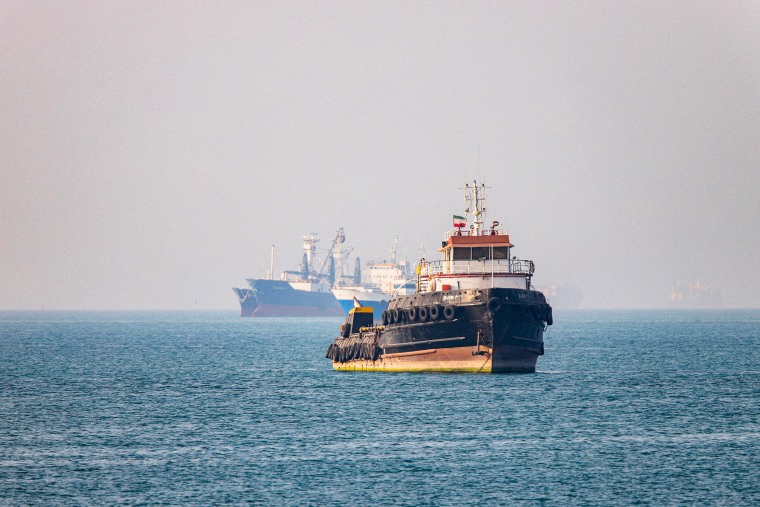
Political pressure mounts on Trump ahead of the November midterms, with Republicans eager to maintain their slim majority. In a PBS interview, he suggested a deal with Iran could materialize before his upcoming trip to Beijing.
“If it doesn’t end, we have to go back to bombing the hell out of them,” Trump warned, as some advisors push for decisive military action against Iran’s remaining conventional forces.
China’s Foreign Minister Wang Yi echoed calls for an urgent ceasefire during talks with Iranian leaders, emphasizing dialogue and negotiations as essential moving forward.
Meanwhile, an Iranian parliament official dismissed U.S. proposals as mere “wish lists,” asserting that Iran is prepared for any aggressive moves. “We will deliver a harsh and regret-inducing response,” Ebrahim Rezaei declared on social media.
Yet a Jordanian official countered that Iran’s economic struggles could force them into serious negotiations. “Their economy is failing; they can’t pay salaries,” he stated, hinting at potential cracks in Iran’s resolve amidst escalating tensions.