

Trump's Tax Troubles Vanish: U.S. Government Drops Claims in Controversial Settlement
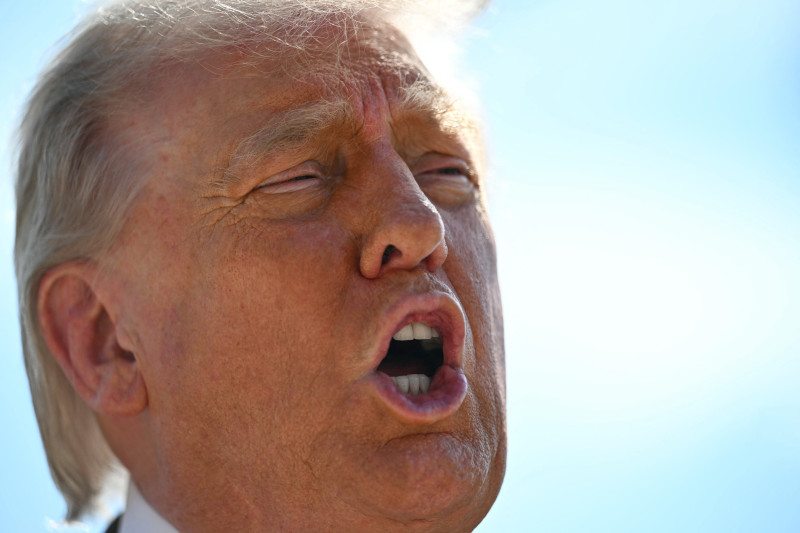
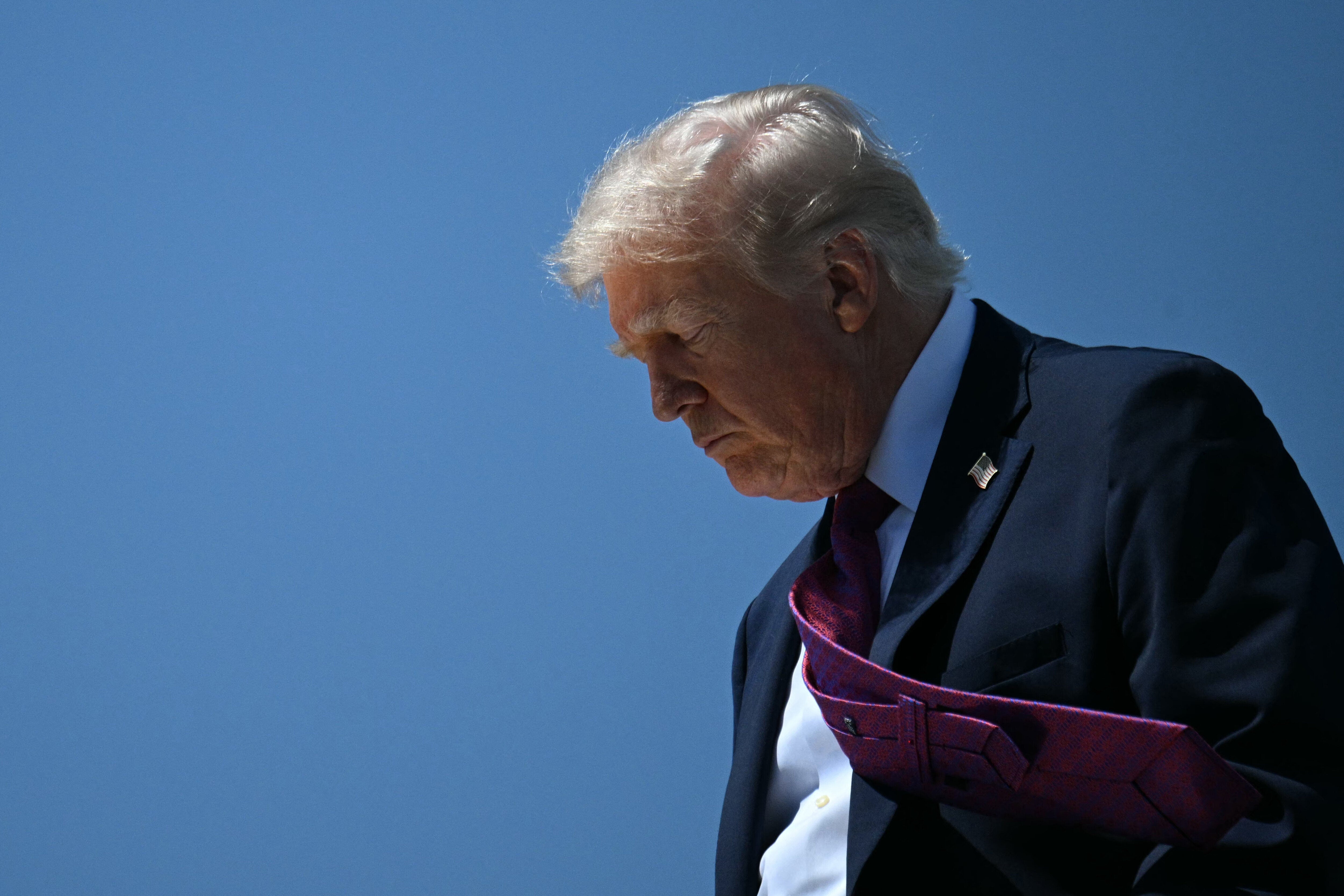
President Trump took center stage Monday, discussing prescription drug prices at the Eisenhower Executive Office Building, but the real drama unfolded behind closed doors in Washington.
The U.S. government has decided to permanently drop tax claims against Trump, a settlement document revealed Tuesday. This unprecedented use of executive power could effectively shield the president from any further scrutiny of his financial dealings and legal conduct.
As part of a deal to resolve Trump's $10 billion lawsuit against the IRS over the leak of his tax returns, the government is now "forever barred and precluded" from examining or prosecuting Trump, his sons, and the Trump Organization's current tax matters. This shocking revelation was tucked away in a one-page document quietly posted on the Justice Department's website.
Not just Trump—his family and affiliates are also off-limits for investigation, according to the document signed by acting Attorney General Todd Blanche. This addendum was a last-minute addition, raising eyebrows about transparency.
When pressed for comments, the White House deflected inquiries to the Justice Department, while the U.S. Treasury remained silent. The settlement only pertains to existing audits, leaving future examinations open-ended.
This bombshell comes on the heels of the Trump administration's announcement of a nearly $1.8 billion fund aimed at compensating allies who claim they’ve been unjustly targeted by investigations. Critics, including Democrats and watchdogs, have labeled this initiative as "corrupt" and unconstitutional.
The so-called "Anti-Weaponization Fund" will allow individuals who believe they were politically persecuted—especially by the Biden administration—to apply for payouts. Blanche described it as a "lawful process for victims of lawfare and weaponization to be heard and seek redress."

During a tense session on Capitol Hill, Blanche didn’t rule out that individuals involved in the January 6th Capitol riot could also be eligible for compensation from this fund.
Democratic lawmakers and ethics watchdogs have slammed this fund as opaque and potentially a "slush fund" for Trump and his allies. Even some Republicans, like Senate Majority Leader John Thune, expressed discomfort with its creation.
Trump defended the fund at the White House, claiming it’s meant to "reimburse people who were horribly treated."
Daniel Werfel, a former IRS Commissioner under Biden, expressed disbelief at this arrangement, stating he had never seen the IRS agree to permanently forgo examination of tax returns for any individual or business. He emphasized that all Americans should be subject to the same tax rules.
The fund was announced after Trump and his sons dropped their lawsuit against the IRS and Treasury Department, which alleged that leaked confidential tax records harmed their reputation and finances.
According to the original settlement agreement posted Monday, Trump will receive a formal apology from the U.S. government but will not get any monetary damages. However, the dismissal of current tax claims could protect him from any outstanding liabilities.
Kathleen Williams, the judge overseeing the case, dismissed it on Monday and criticized government agencies for their lack of transparency regarding the settlement process.
She pointed out that no agency submitted settlement documents or ensured that the settlement was appropriate given questions about whether an actual case or controversy existed.