



Trump's Ultimatum: A Threat to Iran's Water Infrastructure and Its Regional Fallout
Donald Trump has issued a stark ultimatum to Iran, signaling a potential assault on the nation’s energy infrastructure, specifically targeting its desalination plants. This warning, shared on Truth Social, raises alarms about the ramifications for the already water-scarce Middle East, particularly if Iranian retaliation against Gulf Arab nations ensues. The Strait of Hormuz, a critical maritime route, remains a focal point in this escalating tension.
“If we don’t reach a deal shortly,” Trump stated, “we will conclude our lovely ‘stay’ in Iran by blowing up and completely obliterating all of their Electric Generating Plants, Oil Wells and Kharg Island (and possibly all desalinization plants!), which we have purposefully not yet ‘touched.’”
Experts warn that the real threat may not stem from direct attacks on Iran but rather from Tehran's possible counterstrikes. While desalination accounts for a minor fraction of Iran's water supply, Gulf Arab states heavily depend on these facilities. Major cities like Dubai and Doha could face dire consequences if Iranian missiles or drones target their desalination infrastructure.
“Desalination facilities are oftentimes necessary for the survival of the civilian population,” remarked Niku Jafarnia from Human Rights Watch. “Intentional destruction of those types of facilities is a war crime.”
Iran is grappling with severe drought conditions, with reports indicating that reservoirs supplying Tehran are at less than 10% capacity. Satellite imagery corroborates these claims, revealing significant depletion of water sources. The country primarily relies on rivers and underground aquifers for its water needs.
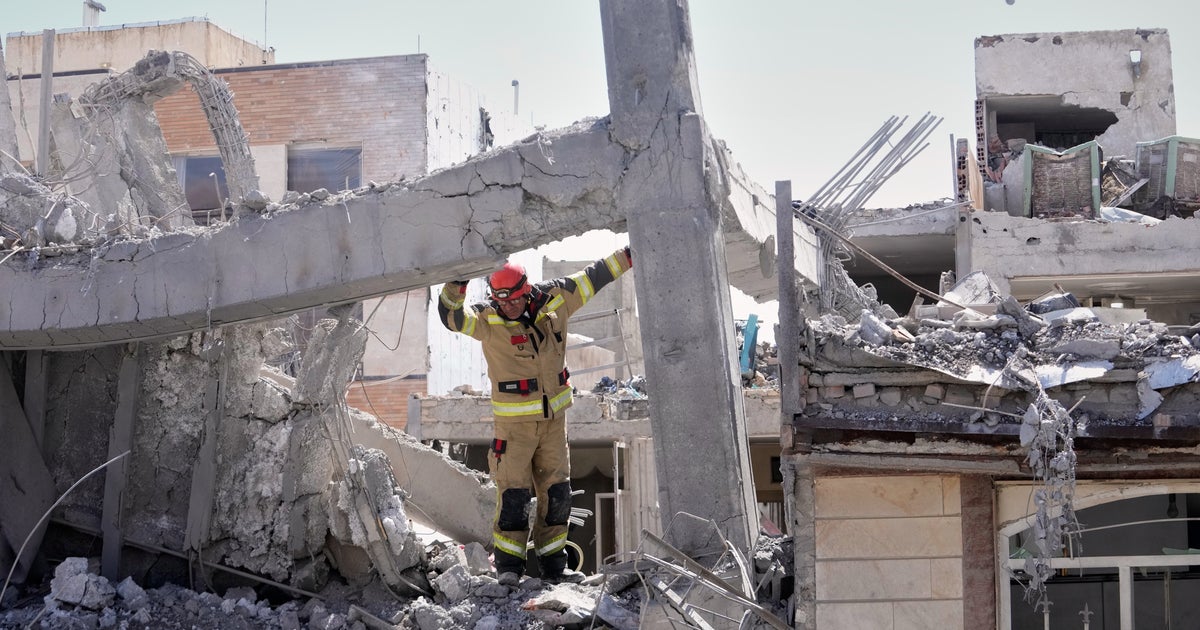
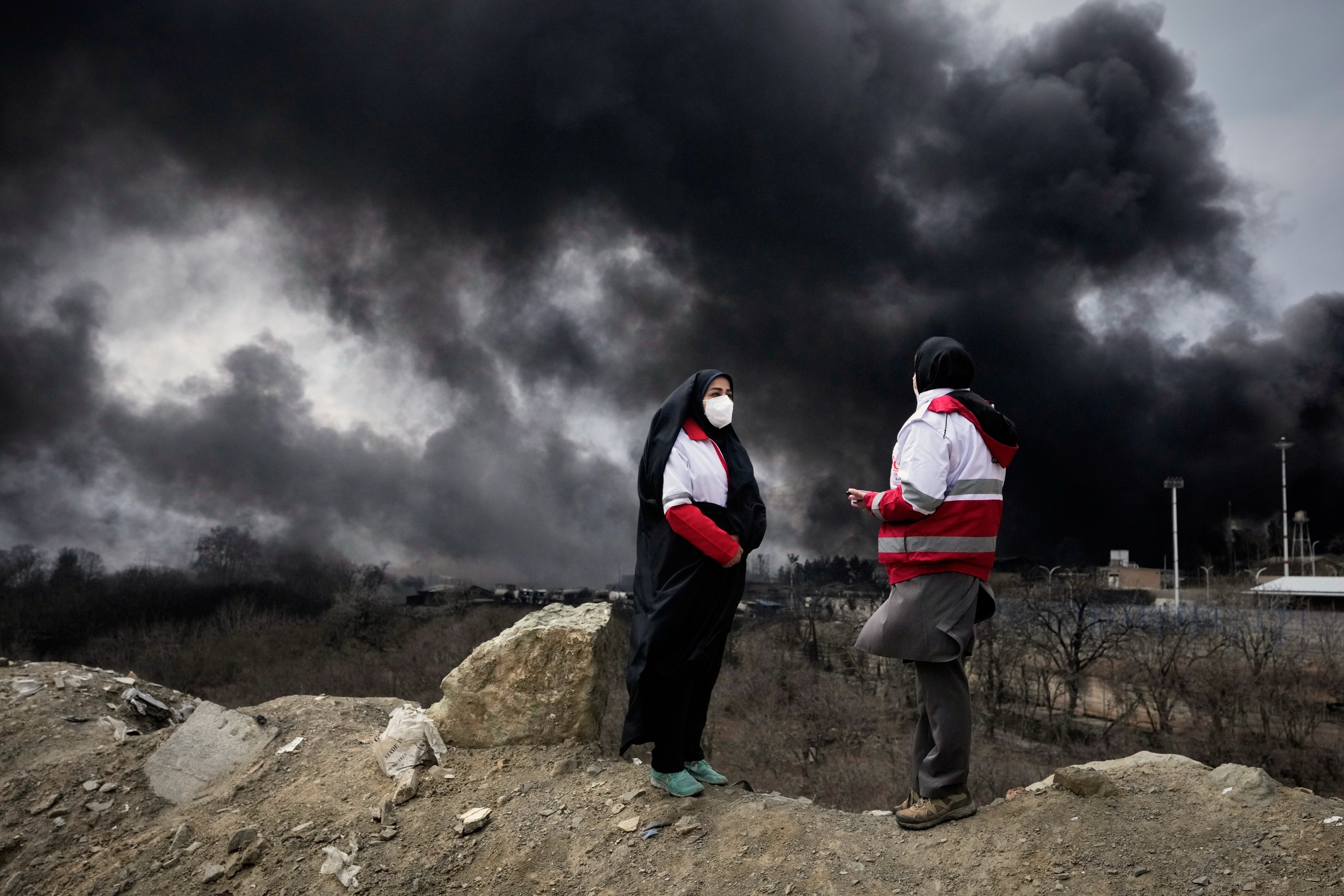
Recent Israeli airstrikes near Tehran have compounded the situation, producing heavy smoke and acid rain that threaten to contaminate local water supplies. “Attacking water facilities, even one, could end up being harmful to the population in such a severe water scarcity context,” Jafarnia added.
Prior to the conflict initiated by Israel and the U.S. on February 28, Iran was actively working to expand its desalination capabilities along its southern coast. However, international sanctions and energy costs have severely hampered these efforts.
In Kuwait, approximately 90% of drinking water is sourced from desalination, with Oman and Saudi Arabia following closely behind at 86% and 70%, respectively. The process typically involves reverse osmosis to convert seawater into freshwater, essential for sustaining urban populations and industries in this arid region.
David Michel from the Center for Strategic and International Studies noted that disruptions in desalination can have cascading effects across interconnected systems. “It’s an asymmetrical tactic,” he explained. “Iran doesn’t have the same capacity to strike back... But it does have this possibility to impose costs on the Gulf countries.”
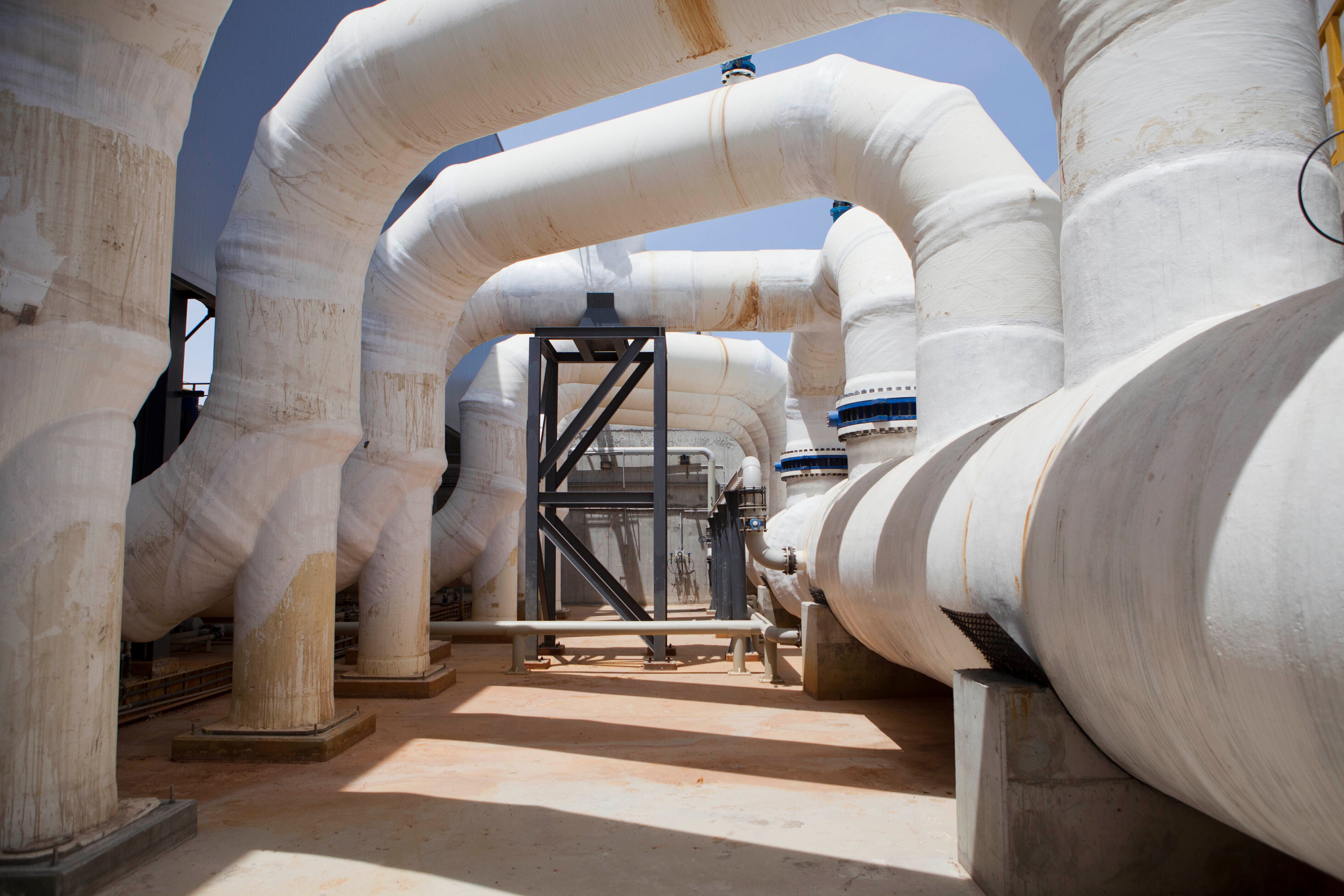
Desalination plants consist of multiple components—intake systems, treatment facilities, and energy supplies—where damage to any part can halt production entirely. Ed Cullinane from Global Water Intelligence emphasized that these assets are as vulnerable as urban areas currently under missile threat.
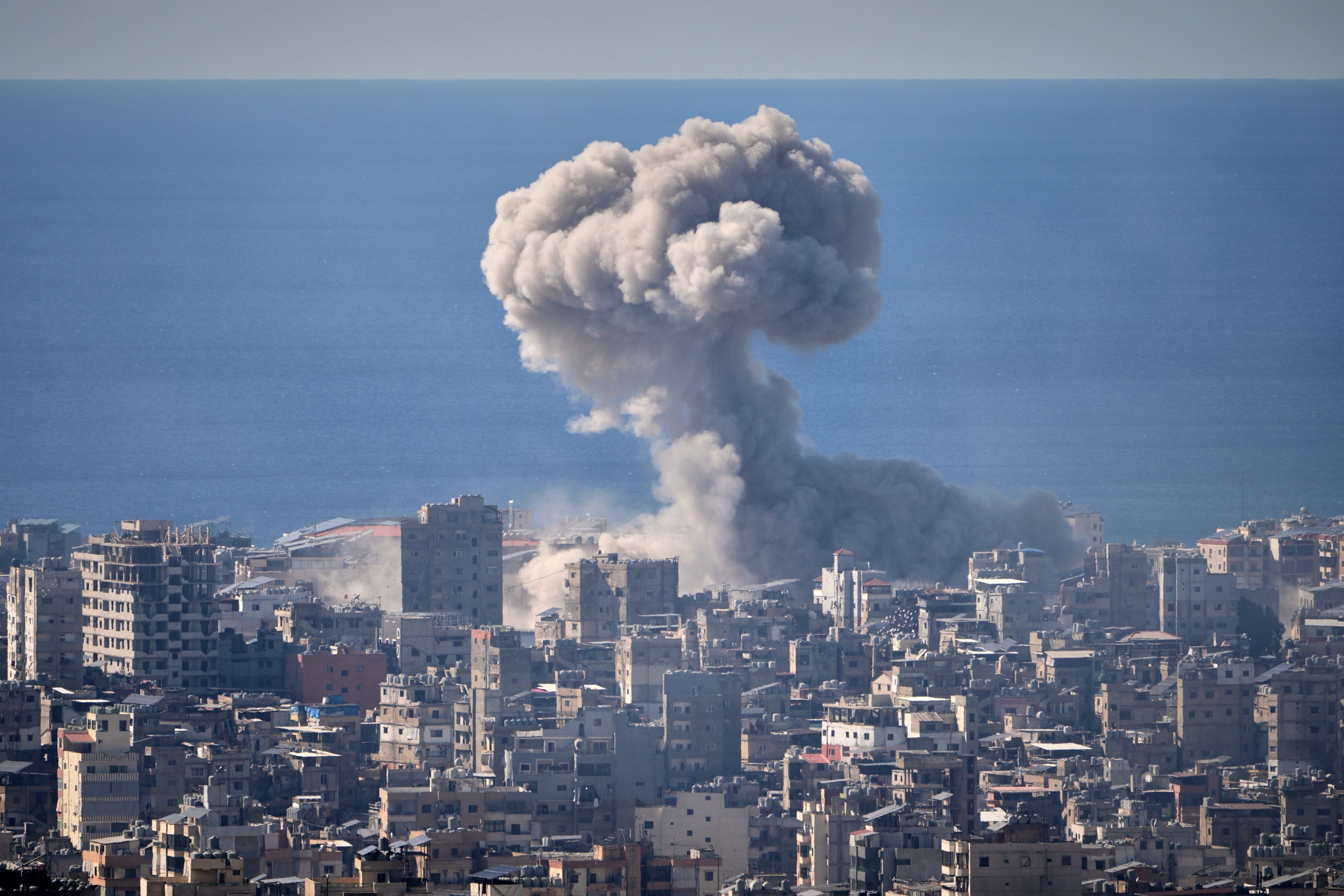
The Gulf region is responsible for about a third of global crude oil exports, with energy revenues being crucial for national economies. Ongoing conflicts have already disrupted tanker traffic and port activities, leading some producers to limit exports as storage capacities reach their limits.
“Everyone thinks of Saudi Arabia and their neighbors as petrostates. But I call them saltwater kingdoms,” said Michael Christopher Low from the University of Utah. “It’s both a monumental achievement of the 20th century and a certain kind of vulnerability.”
As tensions escalate, Trump’s remarks coincide with Iranian strikes on key infrastructure in Kuwait and attacks on Israeli oil refineries, while U.S. and Israeli forces intensify their operations against Iran.
A 2010 CIA report warned that assaults on desalination facilities could lead to national crises in several Gulf states, with prolonged outages lasting months if critical equipment were destroyed. The report highlighted that over 90% of the Gulf’s desalinated water is produced by just 56 plants, each highly susceptible to military action.
While Saudi Arabia and the UAE have invested in backup systems to mitigate short-term disruptions, smaller nations like Bahrain and Qatar lack such redundancies.
The expansion of desalination has been driven by climate change-induced droughts across the region. However, these plants are energy-intensive and contribute significantly to carbon emissions while being vulnerable to extreme weather events.
During Iraq’s invasion of Kuwait in 1990-1991, retreating Iraqi forces sabotaged power stations and desalination facilities, leaving Kuwait without fresh water for years. In recent years, Yemen’s Houthi rebels have also targeted Saudi desalination plants amid rising tensions.
International humanitarian law prohibits attacks on civilian infrastructure essential for survival, including drinking water facilities, underscoring the gravity of Trump's threats against Iran's desalination capabilities.