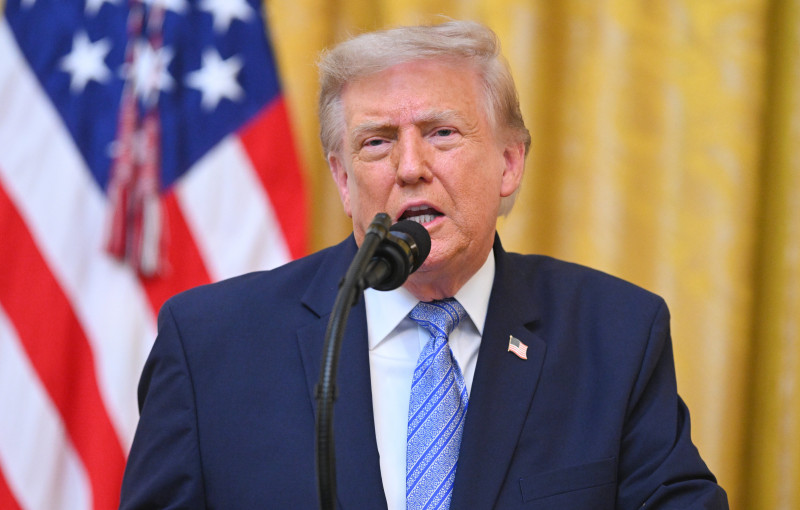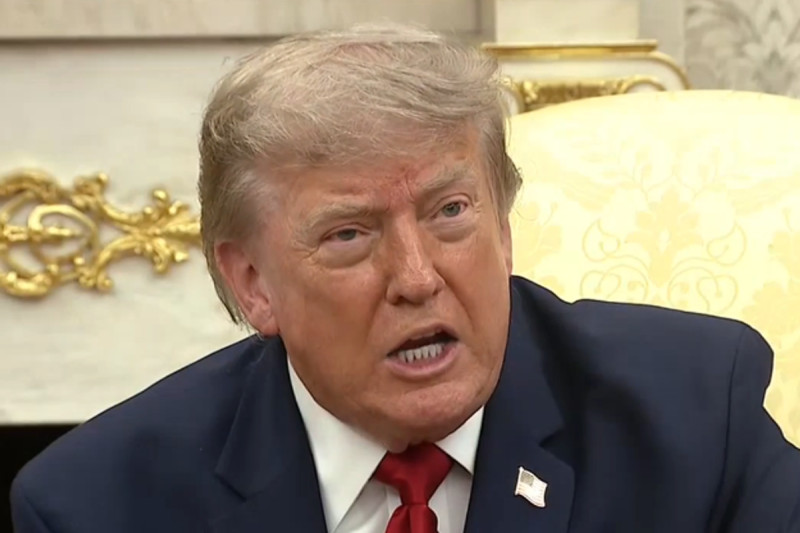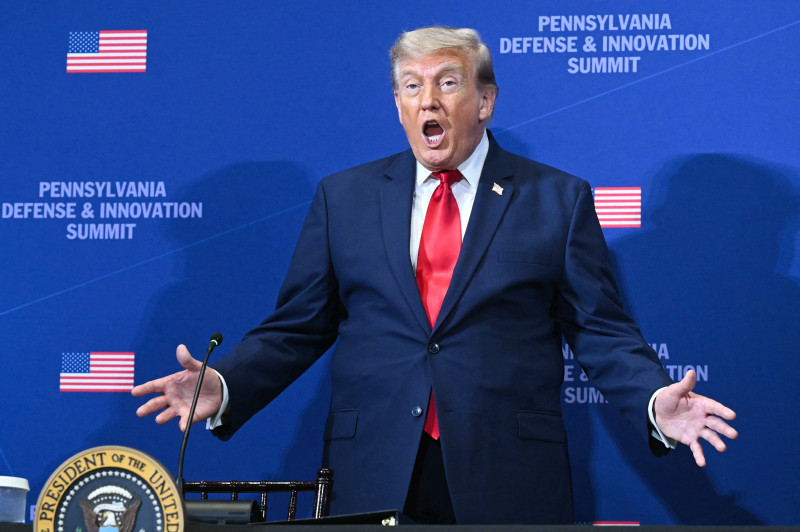



Trump's latest primetime address spiraled into chaos as he claimed his administration would unveil documents proving foreign interference in the 2020 election, a narrative already debunked multiple times.
During the address, Trump reiterated his baseless assertion that China meddled in the election won by Joe Biden, invoking conspiracy theories that have been thoroughly discredited.
Fact-checkers wasted no time dismantling his claims. CNN's senior national security reporter Zachary Cohen tweeted that he had previously reviewed the documents Trump referenced and found no evidence supporting his wild theories.

Cohen stated, “[The documents] largely discuss vulnerabilities that have been known for years and/or are reflected in the 2021 US intel community assessment.” He added that none of the declassified information substantiates claims of foreign interference or fraud that could have altered the election results.
Legal analyst Adam Klasfeld echoed this sentiment, asserting on social media that “Trump is lying about the intelligence community's findings about China’s actions in the 2020 election,” while sharing the same files.
Klasfeld highlighted that the documents from the Office of the Director of National Intelligence explicitly state that “China did not deploy interference efforts and considered but did not deploy influence efforts intended to change the outcome of the US presidential election.”

Political reporter Sam Stein pointed out that one document noted China targeted the Biden campaign but “does not currently intend to covertly interfere to try and sway the outcome of the election.”
Trump's address served as a platform to amplify his long-standing campaign against the legitimacy of U.S. elections, pushing for stricter voting laws ahead of upcoming midterms.
His relentless promotion of disproven theories about the 2020 election culminated in a violent insurrection at the U.S. Capitol on January 6, 2021, marking a dark chapter in American history.

Despite pressing issues like rising living costs and escalating military actions abroad, Trump chose to revisit his election grievances, alleging a cover-up by officials from his own administration while ignoring foreign nations that may have supported him.
He used this opportunity to advocate for a stringent voter ID bill in Congress, which has stalled due to insufficient Republican backing.
“America is back and doing really well, but we still have a major challenge that must be urgently addressed, because no country can be great without fair and honest elections,” Trump declared.

His speech was riddled with allegations of interference lacking crucial context and failed to provide any evidence of manipulated votes or altered election outcomes.
While focusing on China, Trump conveniently overlooked Russia, a nation identified by intelligence officials as having favored him during both the 2016 and 2020 elections through extensive influence campaigns aimed at undermining Biden.
Despite targeting China in his rhetoric, Trump refrained from criticizing or warning Chinese President Xi Jinping, whom he has historically praised.

Election security experts assert that America's decentralized voting system is a strength, with authority over elections resting with individual states rather than the federal government. This complexity across more than 10,000 jurisdictions makes widespread fraud nearly impossible.
No credible intelligence has surfaced indicating that foreign actors manipulated the 2020 vote count. Audits and reviews conducted by Republicans, including Trump's former attorney general, have consistently found no significant fraud occurred in that election.
Even if Trump's claims were substantiated, they would not constitute actions that could have changed any election outcome, including the 2020 presidential race. He also refrained from questioning his own victories in 2016 or 2024.