

Trump Urges Allies to Act Swiftly in Iran Conflict Amidst Escalating Tensions
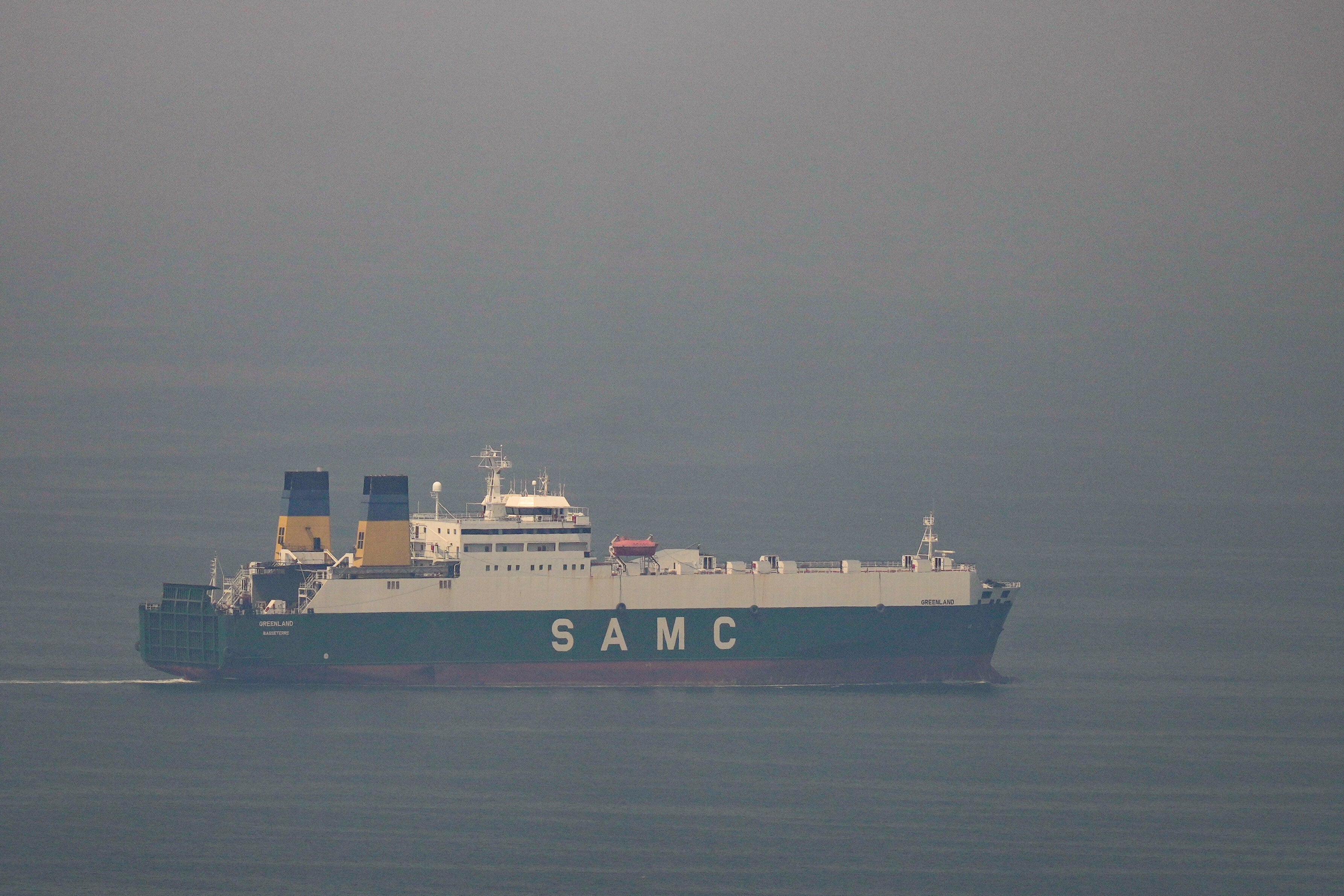
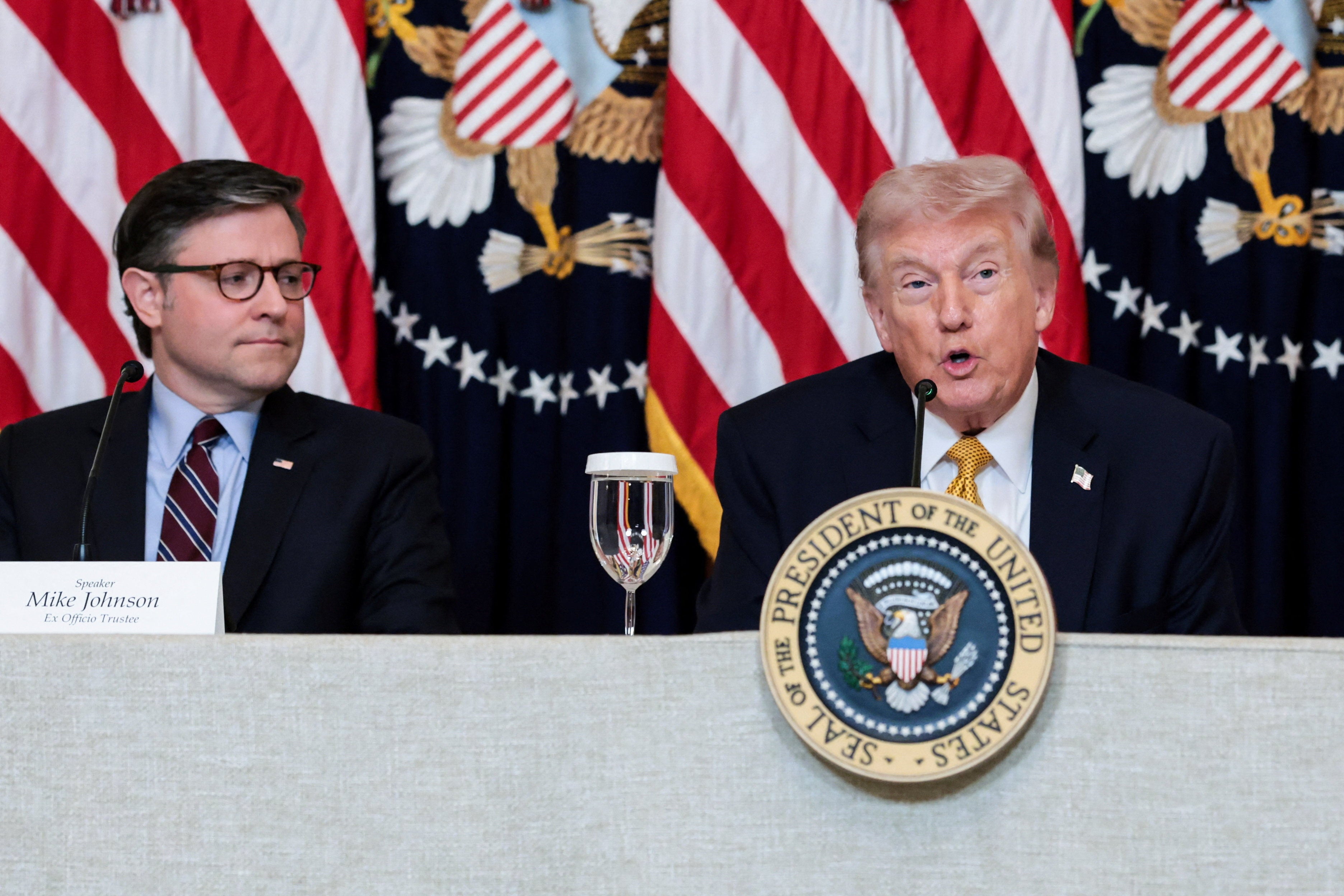
President Donald Trump reiterated his call for global allies to bolster naval presence in the Strait of Hormuz on Monday, emphasizing the urgency of the situation as Iranian threats loom over maritime traffic.
During an unplanned press conference, Trump expressed a strong desire for other nations to “get involved with us and get involved quickly — and with great enthusiasm” to safeguard the vital waterway, which facilitates about 20% of the world’s oil supply.
He claimed that “numerous countries” have indicated their readiness to assist since his weekend post on Truth Social, where he urged “China, France, Japan, South Korea, the UK and others” to dispatch ships to ensure the strait remains secure from threats posed by Iran, which he described as a nation that has been “totally decapitated.”
“Some are very enthusiastic about it, and some are countries that we've helped for many years. We've protected them from horrible outside sources, and they weren't that enthusiastic. The level of enthusiasm matters to me,” he remarked.
Trump criticized nations whose economies are heavily reliant on the strait, specifically naming Japan, China, South Korea, and the European Union. He pointed out that while the U.S. imports less than 1% of its oil from this route, other countries depend on it significantly more.
“We want them to come and help us with the strait,” he stated, underscoring his frustration with their lack of involvement.
The president also lamented NATO members' inaction regarding his demands, framing the alliance as a protection racket where European nations “owe” the U.S. for its defense efforts. “For 40 years, we're protecting you, and you don't want to get involved in something that is very minor?” he questioned.
Trump's comments reflect a broader critique of NATO's response capabilities, despite the alliance's mutual defense clause being activated only once in response to the September 11 attacks.
He claimed that European hesitance to engage in a conflict he initiated just weeks ago validates his long-standing criticisms of NATO and his unfounded assertions about its reliability in defending the U.S.
When pressed for specifics about which countries were “on the way,” Trump declined to provide names.
Administration officials indicated that Trump would soon unveil plans for a multinational coalition aimed at escorting commercial vessels through the Strait of Hormuz as tensions with Iran escalate into their third week.
However, it remains uncertain which nations will join this initiative.
Earlier, British Prime Minister Sir Keir Starmer confirmed ongoing discussions with other countries regarding reopening the strait but emphasized that the U.K. would not be drawn into a broader conflict.
“I want to see an end to this war as quickly as possible,” he stated, highlighting concerns over escalating dangers and rising living costs at home.
Italy, Germany, and Greece have also opted not to deploy military forces in this conflict, which Trump initiated without congressional approval amid significant public opposition.
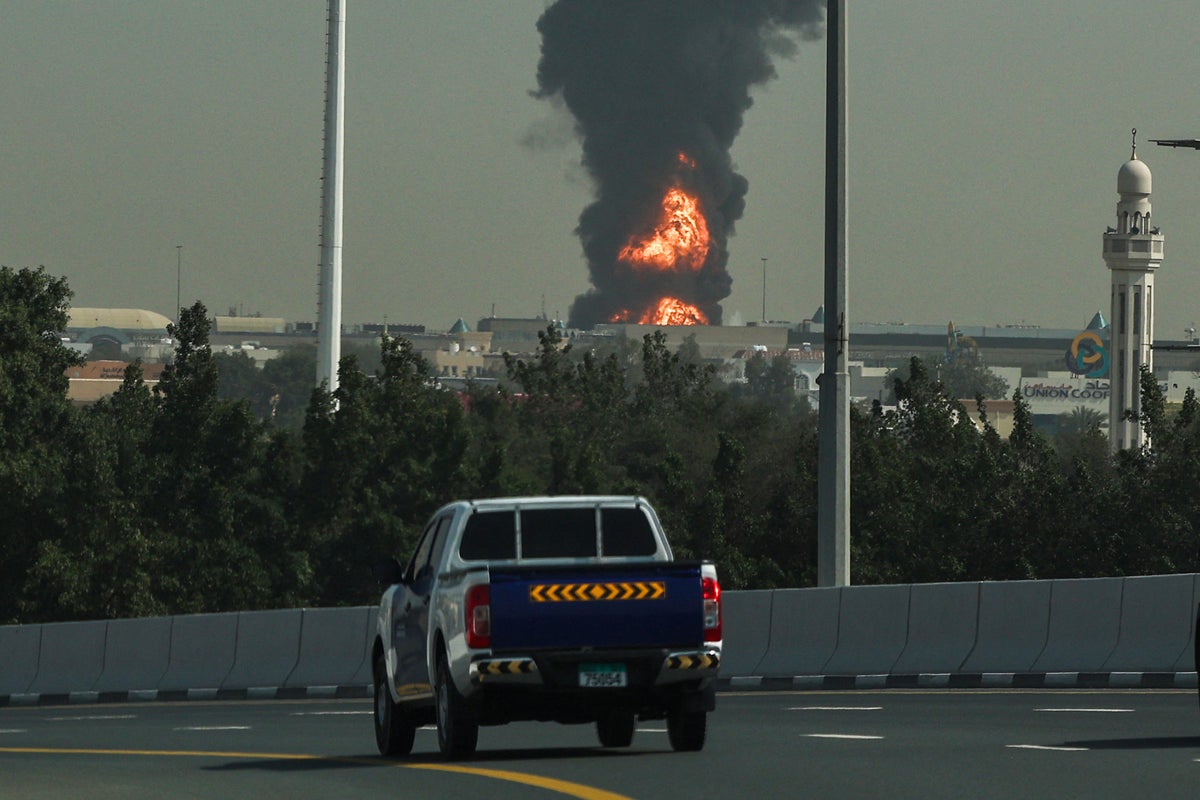
The ongoing situation has led to severe disruptions in oil exports, forcing cancellations and production halts at oilfields, resulting in unprecedented supply challenges worldwide.
Consequently, crude oil prices have surged to their highest levels in four years, with some fuel prices reaching record highs.