This piece is part of a series titled “Unaffordable America,” which delves into the escalating economic inequality in the United States and the policies that contribute to it.
How’s the economy looking?
For the wealthy, it’s thriving.
Luxury yachts and private jets are flying off the shelves, a direct result of last year’s tax reforms. The market for multimillion-dollar mansions is booming, buoyed by soaring stock prices. Meanwhile, the elite will soon enjoy a new ballroom at the White House for their extravagant galas.
But what about those who aren’t part of that elite circle?
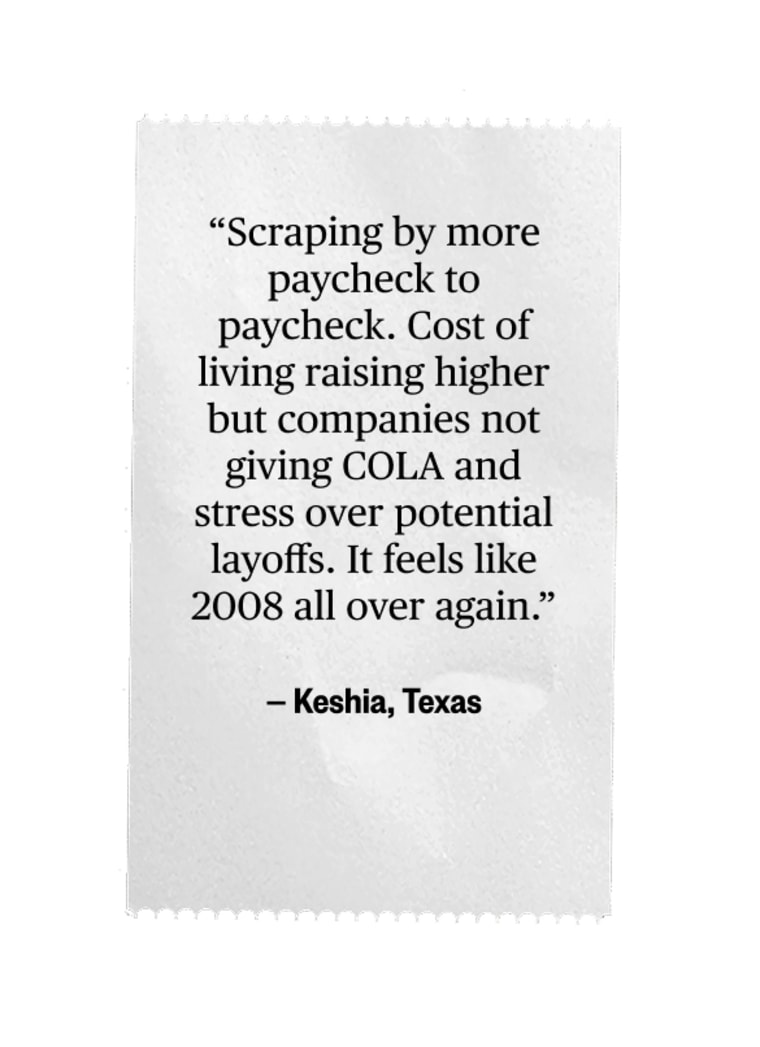
The average American finds homeownership increasingly unattainable. With new car payments averaging over $700 monthly, many are left without options. Food banks report a rising number of individuals skipping meals due to soaring grocery prices, and some middle-class families are resorting to selling plasma just to get by.
The wealth gap in America has reached unprecedented levels, with the top 1% accumulating wealth at more than double the rate of the bottom 90% in just the first nine months of last year, according to Federal Reserve data. At the pinnacle, Elon Musk's wealth is nearing that of historical titan John D. Rockefeller when measured against the overall U.S. economy.
Several factors have contributed to the plight of everyday Americans while simultaneously enriching the wealthy: The pandemic disrupted housing markets, making home purchases more difficult. Stock prices have surged, largely driven by excitement surrounding artificial intelligence. Manufacturing jobs have dwindled, hiring has slowed, and costs continue to rise.
Policies enacted during President Trump’s administration are intensifying these disparities. One year into his second term, his government has slashed programs aimed at assisting low-income households while promoting initiatives that favor corporations and the affluent. Legislation has been signed to reduce food stamp and Medicaid benefits, impose new restrictions on low-income housing assistance, and tighten student loan regulations. In response to rising costs from tariffs, he suggested that Americans simply buy fewer toys for their children.
Simultaneously, Trump's administration has allocated billions in tax cuts to corporations and the wealthy while loosening regulations on banks and cryptocurrency—areas from which he personally benefits.
“Donald Trump frequently speaks about supporting the working class, yet data shows that this demographic is struggling significantly during his second term,” remarked Robert Reich, a professor emeritus at UC Berkeley and former Labor Secretary. “The real growth we’re witnessing is in corporate profits and among the wealthiest individuals.”
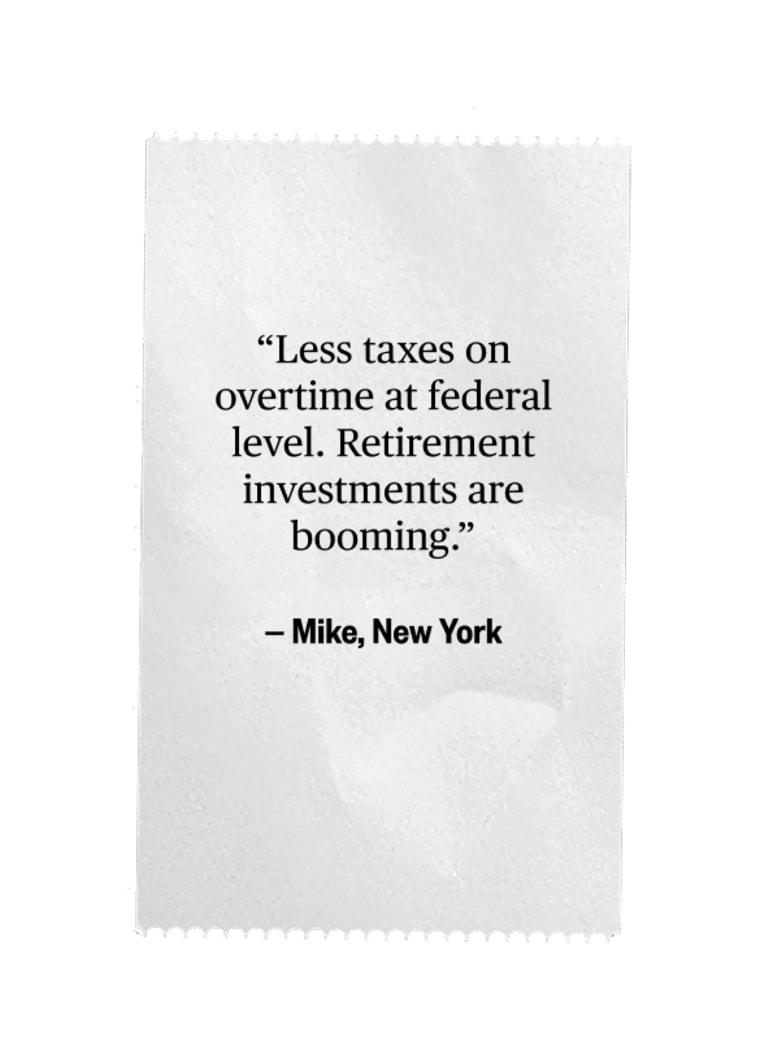
Trump defends his economic record, labeling concerns about affordability as a hoax and attributing economic weaknesses to Democrats. He has dismissed numerous polls indicating rising economic anxiety, claiming in his State of the Union address that he has ushered in a “golden age of America.” He pointed to increasing 401(k) balances, declining mortgage rates, and lower gas prices as evidence—though gas prices have since surged following tensions with Iran that disrupted oil supplies. The S&P 500 saw approximately a 13% increase during the first year of his second term, largely fueled by advancements in AI.
Supporters of Trump argue that while immediate benefits may be slow to materialize, all Americans will eventually reap rewards from last summer’s tax cuts, with average refunds reportedly increasing by around $1,000 this year. They also assert that evolving tariffs will ultimately bolster U.S. manufacturing jobs, despite a decline last year, citing announcements from foreign governments and corporations planning investments in the U.S.
A White House official highlighted signs of improvement, including a lower inflation rate compared to previous years and wages rising faster than inflation.
However, some economists—many with ties to past Republican administrations—question whether these improvements will sufficiently counterbalance pressures from a slowing job market, which saw a loss of 92,000 jobs across various sectors in February.
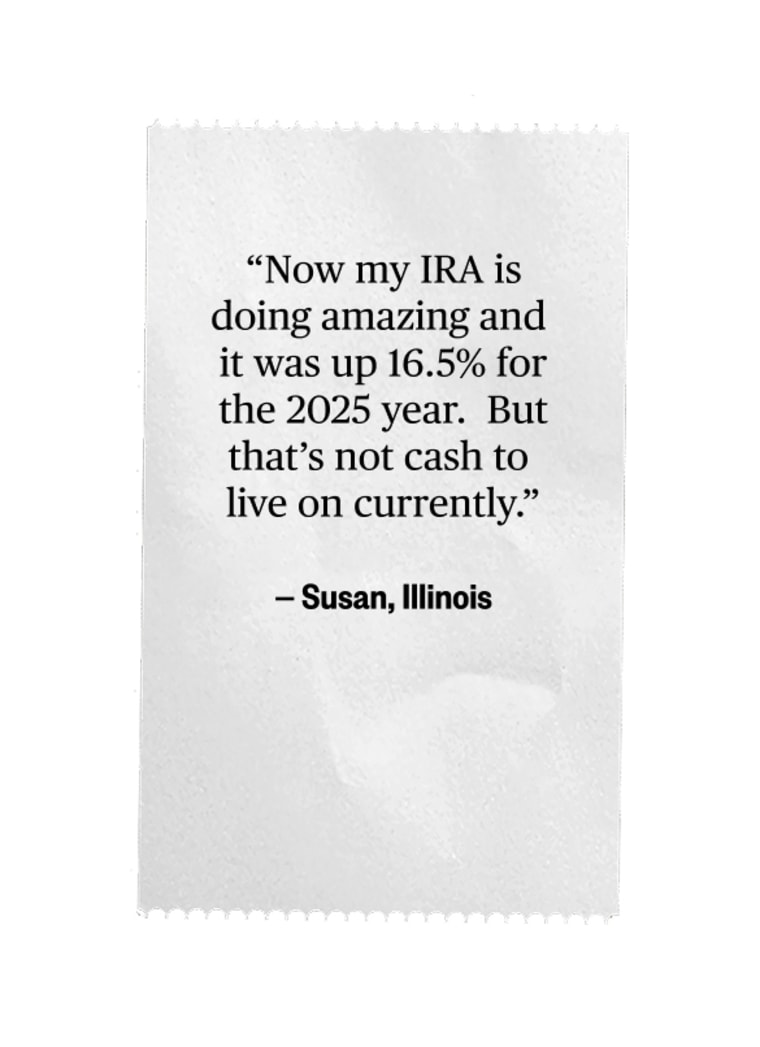
As part of “Unaffordable America,” a yearlong exploration into the roots and ramifications of rising economic inequality, feedback was solicited from readers about their experiences. Hundreds responded, sharing stories of difficulty in securing employment and coping with escalating food and healthcare costs, while others noted benefits from stock market gains and lower interest rates.