

At 80, I Lost My Husband to Cancer — His Last Words Shocked Me, Then Life Delivered the Ultimate Twist
Cancer claimed my husband after 25 years of marriage, leaving me reeling. Just before he passed, he uttered five words that rattled me: “Diane, you’ll need another man.”
I brushed off his comment. At 80, I had lived a full life. What could I possibly need another man for? I certainly wasn’t searching for one.
But life has a way of disregarding our plans.
A few months post-Al’s death, friends introduced me to Bob. I welcomed the distraction, driven by what I later learned was “widow’s fire,” an intense craving for intimacy after loss. It’s a common experience, yet rarely discussed.
Some family members thought I was rushing into dating. Grief doesn’t adhere to a schedule.
I wasn’t trying to replace Al; that was impossible. After 25 years as a couple, I suddenly found myself alone. The silence was deafening.
I realized I didn’t want to spend my remaining years in solitude. I craved companionship, laughter, and yes, physical attraction. To my surprise, I found that with Bob—a kind, humorous man who understood that loving him didn’t diminish my love for Al.
Bob and I have been together for over two years. We’re committed but not married. At our age, we’ve learned that relationships don’t need to fit a mold to be meaningful. Our foundation is built on love, honesty, and practicality.
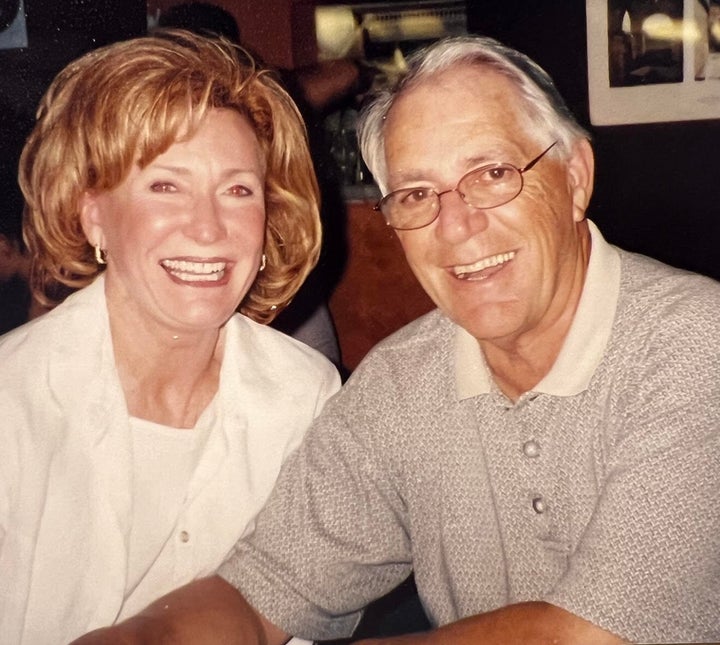
That practicality faced a test when we embarked on a 22-day journey through Norway, France, and Spain. At 82 and 83, traveling requires more planning than it did decades ago.
Before our trip, I emailed my daughter and son-in-law to introduce them to Bob’s siblings—not for a family reunion but because we were about to cross an ocean together.
“Should we get lost along the way and need your assistance,” I wrote, “you can connect with one another and try to retrieve, grieve or rejoice from our distant travels.”
I also mentioned having travel insurance in case my body needed shipping home and that Bob had made his own end-of-life arrangements. My children found it amusing; Bob’s family might have thought I was out of my mind.
Traveling in your 80s means confronting realities with humor—like finances. People shy away from discussing money in romance, but they shouldn’t.
I have a larger wallet than Bob. Before we left, we discussed expectations openly. I agreed to cover the trip costs, including airfare. Bob was fine with flying economy; I refused to sit in first class without him. I’m spoiled and wouldn’t sip champagne while he was cramped in seat 34B. Plus, I prefer him beside me.
We decided he would handle many extras like meals and excursions. No complicated contracts—just two adults having an honest conversation.
Widowhood taught me many lessons. One is that discussing money isn’t unromantic; avoiding it is.
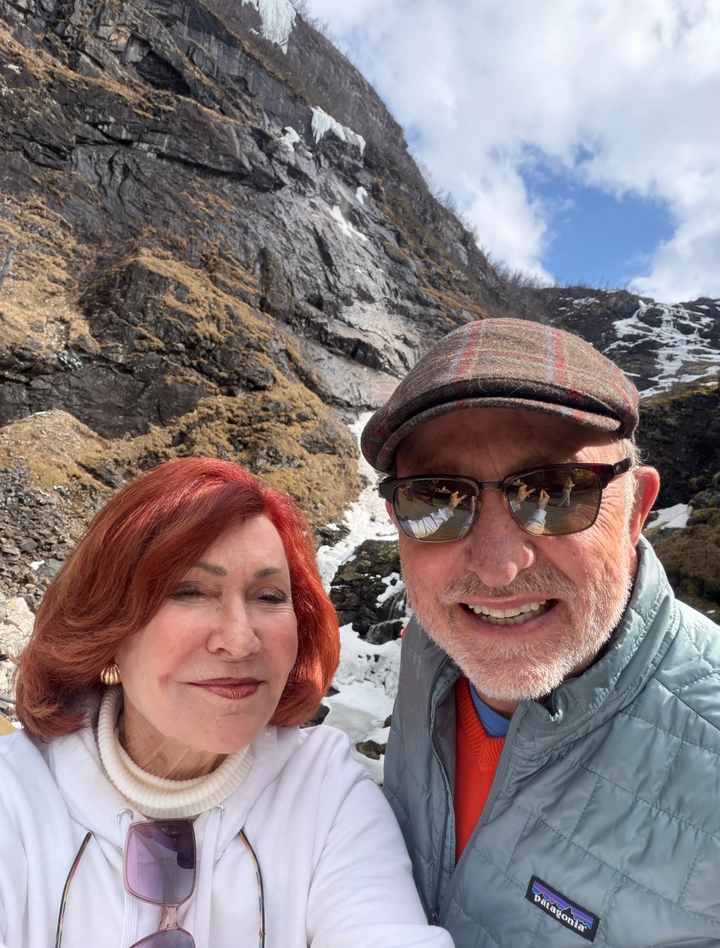
The trip itself became a lesson in something greater. In Norway, surrounded by glaciers that seemed extraterrestrial, I thought of Al. He loved to travel.

The glacier train rides were breathtaking; the scenery was almost unreal. It was freezing but magnificent. Al and I never made it to Norway together, and I couldn’t shake the thought of how much he would have enjoyed it.
Surprisingly, I felt no guilt. For too long, widows are made to feel that happiness betrays grief. It doesn’t. Missing Al and loving Bob can coexist.
Bob understood this; he never tried to compete with my memories. He stood beside me as I carried them—that’s one reason I love him.
Norway also introduced me to iced cider and brown cheese—both delightful discoveries.
The cider was delicious; the cheese was addictive.
I liked it so much that I packed half a pound in my suitcase and carried it through France, Spain, and back home to Florida.
At 82, I apparently travel internationally with contraband cheese.
Then came Bergen.
The moment we arrived, I told Bob, “I could live here.”
Bergen had everything I love: beauty, charm, walkability, and friendly people. We spent our days exploring old streets and soaking in spectacular views while pretending we belonged there.
Next up was France.
Of all the places we visited, Normandy struck me the hardest.
Standing among endless rows of white crosses at the American Cemetery overlooking Omaha Beach humbled me profoundly.
The older I get, the more familiar loss becomes—friends die, my spouse died, parents die. Even parts of ourselves fade away. The woman I was at 40 no longer exists; neither does the woman before widowhood.
Yet there I was, halfway around the world, still creating memories—still laughing, still planning, still living.
Spain brought its own challenges.
I use wheelchair assistance due to foot pain; Bob uses a cane. Airport services left us at the wrong gate twice, causing missed flights.
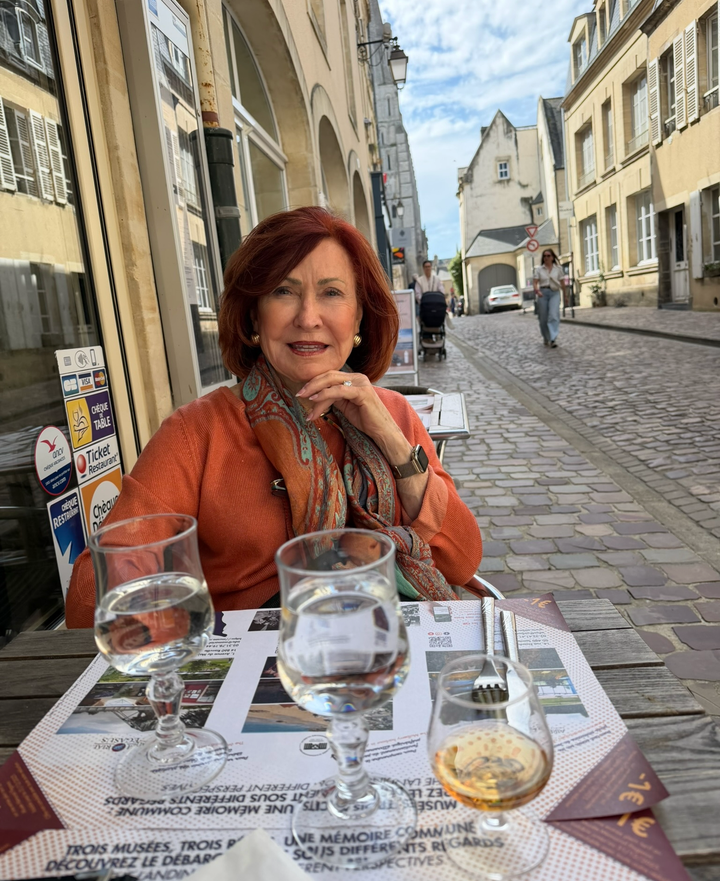
After missing our second flight, I joked to Bob that I could have trained as a professional tango dancer in less time than it took airport personnel to assist us. For two days we were shuffled from gate to gate while trying to maintain our sense of humor—and thankfully we did.
By the time we reached Mallorca after nearly three weeks abroad, we realized something: we may have been tourists but didn’t want to be around tourists anymore.
Maybe we were tired or missed our own beds—or perhaps we had officially become old people. Either way, home sounded awfully good.
Traveling at 82 also comes with an unexpected perk: I no longer care about impressing anyone.
In my younger days, I packed as if every day required a different outfit with matching shoes and accessories. Now, comfort and practicality reign supreme. For 22 days abroad, Bob and I shared one checked suitcase and each carried a small bag—not out of necessity but because we’ve learned what truly matters.
I’ve discovered that one scarf, one pair of comfortable shoes, and a little confidence can take you far—that’s one gift of aging. You spend less time worrying about appearances and more time enjoying experiences.
At this age, I’ve learned that nobody cares what you wear or if your hair is perfect. What people remember is whether you laughed, loved, showed up, and enjoyed the journey.
This holds true whether you’re on a glacier in Norway or sitting beside a koi pond at home with someone you love.
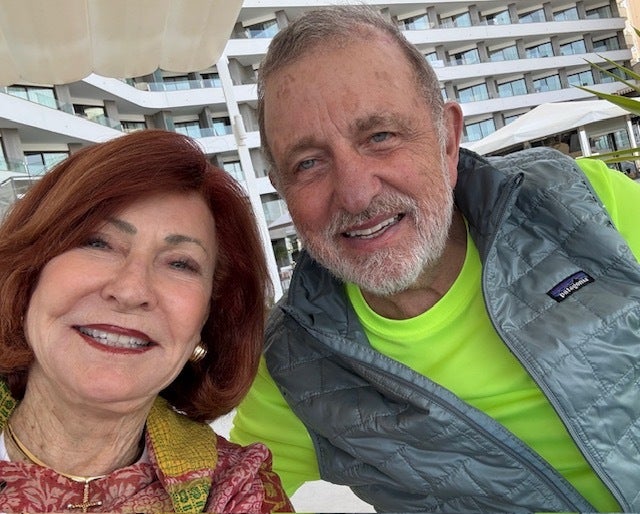
The greatest surprise of the trip wasn’t Norway’s glaciers or Normandy’s history; it was how comfortable I’ve become with this unexpected chapter of my life.
If you had told me three years ago while sitting beside Al’s hospital bed that I’d be crossing Europe with another man, I would have thought you were insane.
If widowhood has taught me anything, it’s that we don’t honor those we’ve lost by halting our lives; we honor them by continuing to live fully.
When Al died, I thought my story was ending; instead, it simply changed genres.
These days, I’m content sitting beside that pond with Bob discussing books, sports, grandchildren, politics or whatever we’re streaming on Netflix. Twenty years ago, I would have deemed that boring; now it’s happiness.
A damaging myth about aging is that life shrinks; I’ve found the opposite—life becomes more precious as we realize our time is finite. The horizon becomes visible; oddly enough, that makes each day matter more.
At 82, the future looks different than expected: it includes new love, aches and pains, occasional wheelchairs, and gratitude for every single day ahead.
Al knew all this before I did—he knew I would need companionship and laughter; he knew someone needed to sit beside me on airplanes and hold my hand through life’s turbulence. Most importantly, he knew I would need a future.
He understood me better than I understood myself.