


Federal Court Restricts Mail-Order Access to Mifepristone, Impacting Abortion Rights
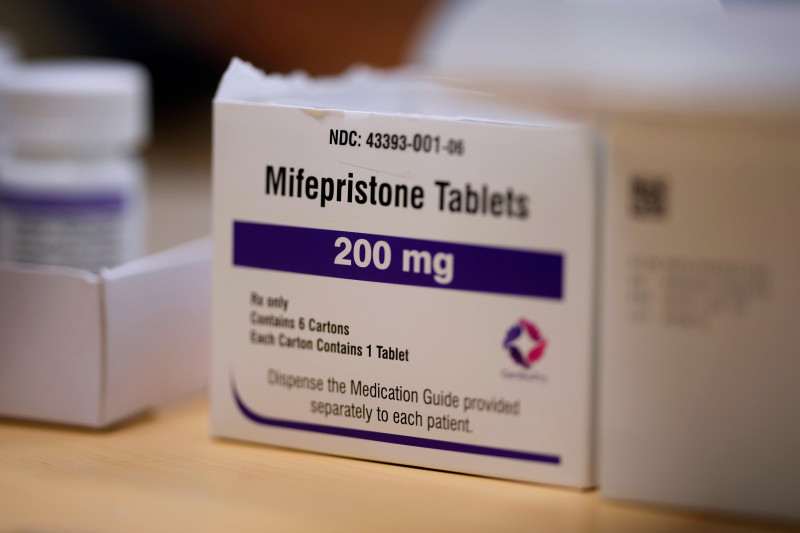
A federal appeals court has imposed new restrictions on mifepristone, a crucial medication for early pregnancy termination, by prohibiting its mail-order prescription. This decision represents a significant shift in abortion policy following the reversal of Roe v. Wade.
The unanimous ruling from the 5th US Circuit Court of Appeals in New Orleans is a notable victory for anti-abortion advocates, who contend that online prescriptions for abortion pills circumvent state-level bans on the procedure.
Under this ruling, mifepristone must now be dispensed in person at clinics, effectively nullifying existing regulations established by the federal Food and Drug Administration (FDA). Legal experts anticipate that this pivotal decision will be challenged in the US Supreme Court.
Louisiana Attorney General Liz Murrill expressed frustration over perceived federal inaction regarding medicated abortions, leading her to file a lawsuit against the FDA last month. She argued that the agency's regulations undermine Louisiana's ban on abortions at all stages of pregnancy.
Judge Kyle Duncan, appointed by former President Donald Trump, stated in the ruling, "The regulation creates an effective way for an out-of-state prescriber to place the drug in the hands of Louisianans in defiance of Louisiana law."
While FDA officials are reportedly reviewing mifepristone's safety, the appeals court noted that no timeline exists for this review's completion.
The ruling is currently in effect as the case progresses through the judicial system, impacting all states, including those without abortion restrictions.
Historically, federal courts have rarely overridden FDA scientific regulations, leaving uncertainty about the long-term implications for mifepristone distribution.
Murrill celebrated the ruling as a "victory for life," while other anti-abortion proponents welcomed the reversal of rules established under President Joe Biden that had eliminated the requirement for in-person doctor visits to obtain the pills.
Representatives from both the FDA and the US Department of Justice did not respond to requests for comments regarding the ruling.
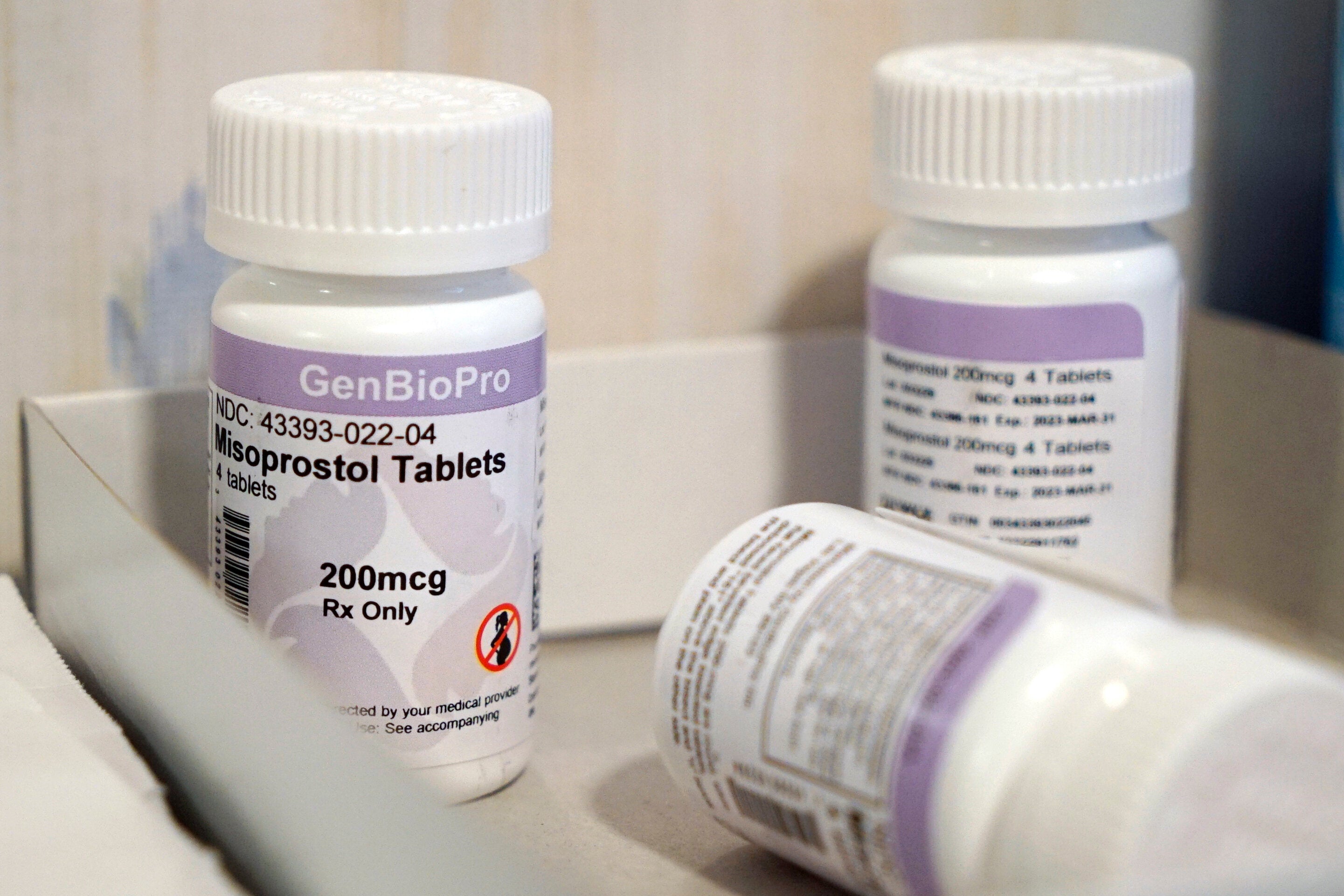
Initially approved in 2000 as a safe and effective method for terminating early pregnancies, mifepristone is typically used alongside misoprostol, which remains unaffected by this ruling but is less effective when used alone.
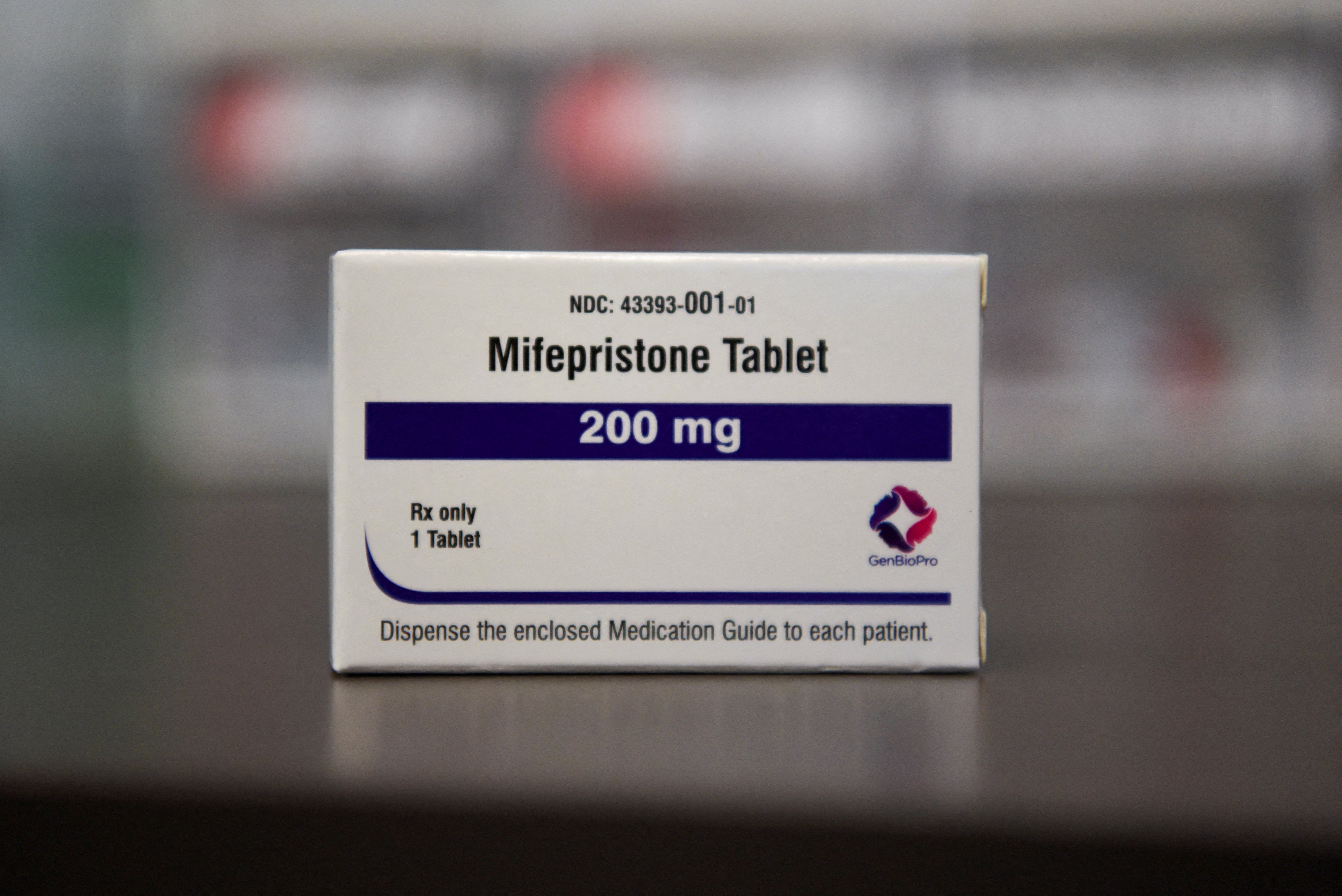
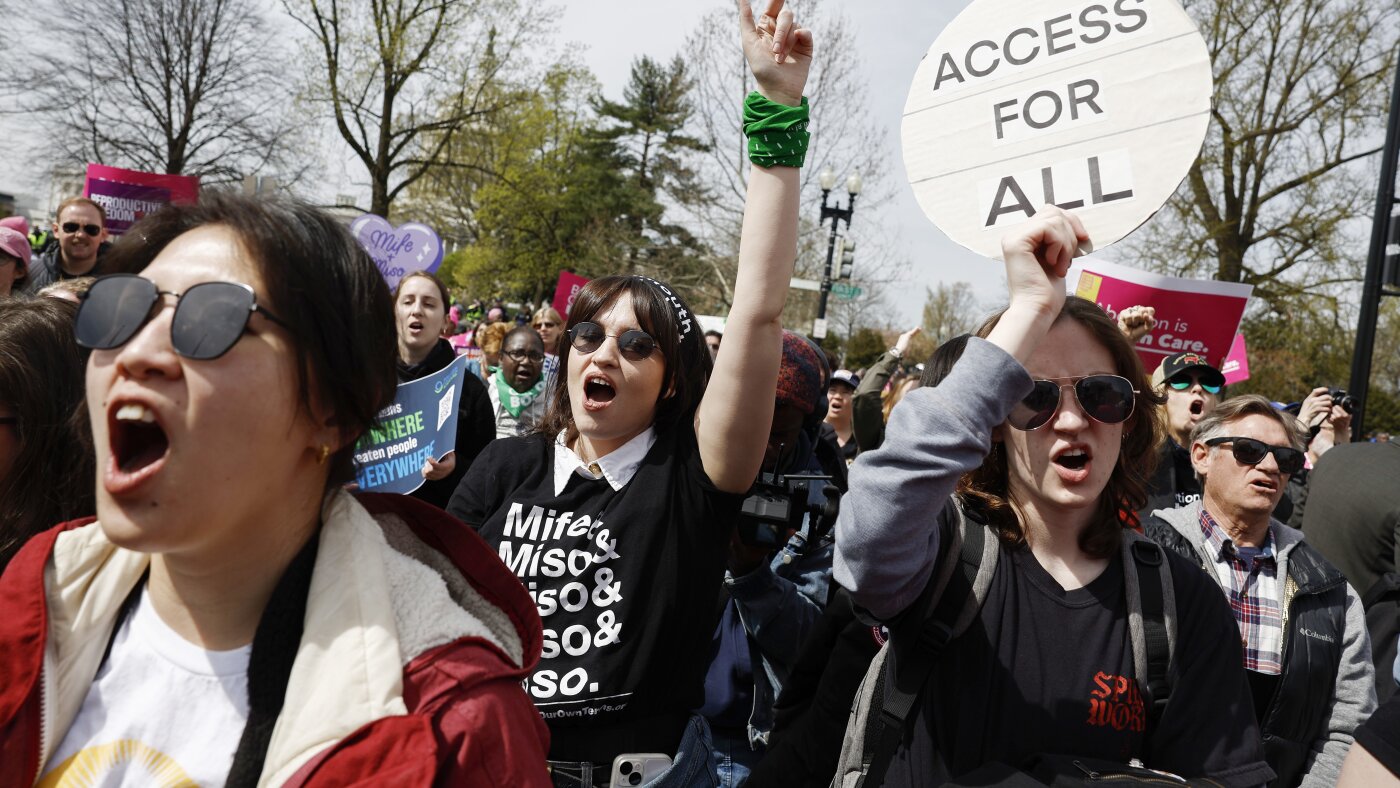
Surveys indicate that a majority of abortions in the US are performed using pills, with approximately one in four abortions prescribed via telehealth. Providers suggest that telehealth availability has contributed to the stability of abortion rates since Roe was overturned in 2022.
Consequently, abortion pills and out-of-state prescribers have become primary targets for anti-abortion activists.
In response, several Democratic-led states have enacted laws designed to protect providers who prescribe via telehealth and mail pills to states with bans. These so-called shield laws are currently being tested through civil and criminal cases in Louisiana and Texas.
Dr. Angel Foster, a telehealth provider operating under a shield law, is collaborating with legal experts to assess how this ruling will affect her organization, The Massachusetts Medication Abortion Project. "We will do everything in our power to continue providing care to people in all 50 states," she stated.
The implications of this case could reignite abortion as a pivotal issue in upcoming midterm elections, as Democrats seek to regain control of the US House while Republicans aim to maintain their slim majority.
Recent electoral trends suggest that voters favoring abortion access hold significant political momentum. Since Roe was overturned, abortion-related measures have appeared on ballots in 17 states, with voters supporting abortion rights in 14 instances.
Fatima Goss Graves, president and CEO of the National Women's Law Center, criticized the ruling as "deeply out of step with both public sentiment and fact-based science."
Some anti-abortion advocates expressed disappointment with Trump following the ruling, criticizing his lack of action to block mifepristone distribution. The FDA under Trump had approved another generic version of mifepristone last year, which frustrated some of his allies.
"It's shameful that the Trump administration's inaction has forced pro-life states to take their battle to federal courts," remarked Marjorie Dannenfelser, president of Susan B. Anthony Pro-Life America, who also praised the recent ruling.