


Florida Legislature Approves Redistricting Scheme Adding Four GOP-Heavy House Seats
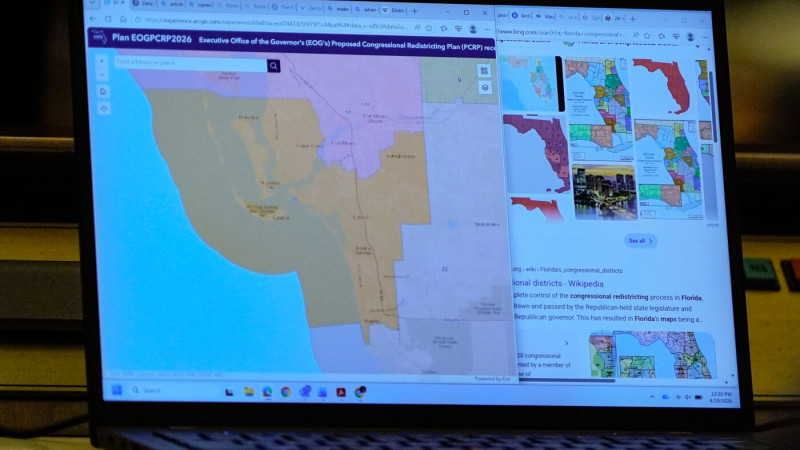
Florida's political landscape shifted dramatically as state lawmakers approved a redistricting plan on Wednesday, creating four additional Republican-leaning congressional seats. This move positions Florida as the eighth state to finalize mid-decade redistricting ahead of the 2026 election cycle, likely paving the way for significant legal challenges.
The proposal, which passed through both the House and Senate largely along party lines, has drawn skepticism even from within the Republican ranks. Despite this, GOP lawmakers have largely refrained from vocal opposition as Florida becomes a focal point in a Trump-backed initiative aimed at strengthening the party's slim majority in the U.S. House.
In response, several Democratic-led states have retaliated, resulting in a near stalemate on the national stage. Critics of the redistricting plan have raised concerns about Governor Ron DeSantis' approach, particularly regarding his efforts to circumvent anti-gerrymandering provisions embedded in Florida's constitution, known as Fair Districts.
This constitutional amendment prohibits the creation of political districts that favor a particular party or incumbent and includes protections for districts with significant minority populations while emphasizing compactness.

While acknowledging that his proposed map conflicts with existing constitutional guidelines, DeSantis and his allies maintain that forthcoming state and federal court rulings will ultimately validate their approach. State Representative Jenna Persons-Mulicka, who sponsored the map, reiterated its alignment with “viable legal theory” despite its constitutional discrepancies.
DeSantis contends that the Fair Districts provisions protecting minority districts are unconstitutional, a claim yet to be substantiated by any court ruling. A memo from DeSantis' general counsel articulated this stance, asserting that the Fourteenth Amendment prohibits government from segmenting citizens based on race.
During a committee hearing, Jason Parada, tasked with drafting the map under DeSantis' direction, admitted to utilizing political performance data in his proposal. However, he insisted that racial data was not considered, aligning with the governor's directives.
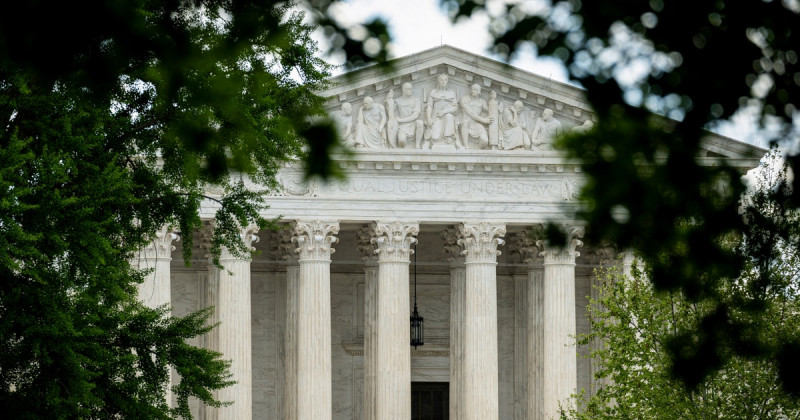
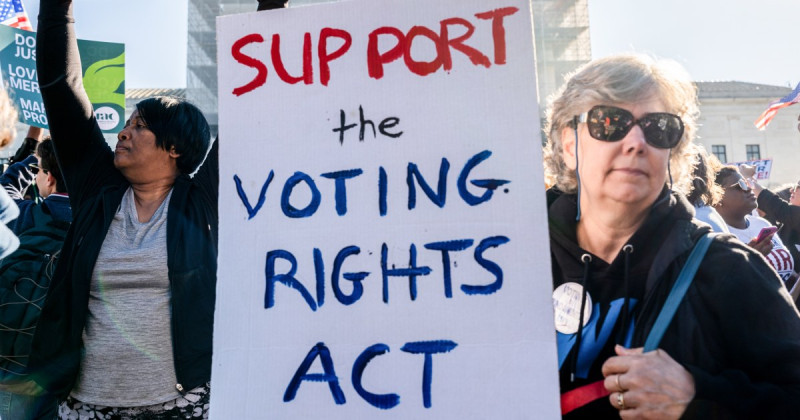
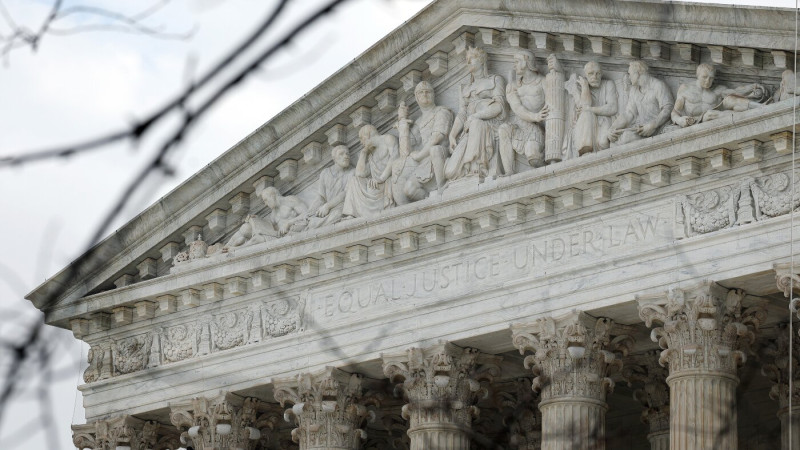
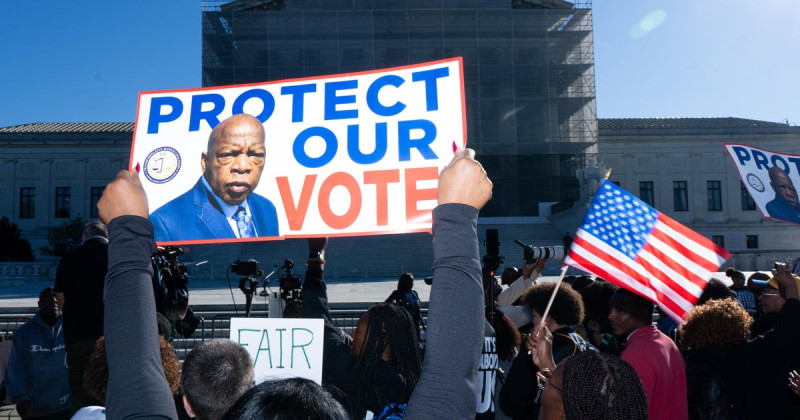
As lawmakers debated the redistricting maps, the U.S. Supreme Court delivered a partial victory for DeSantis' legal rationale. In a 6-3 ruling, the court determined that Louisiana was not obligated to create a second majority-minority congressional district under the Voting Rights Act. While Section 2 of the Act remains intact, Florida Republicans view this ruling as a boon for their redistricting efforts.

“Called this months ago,” DeSantis remarked on social media shortly after the ruling was announced. Meanwhile, House Democrats sought a pause in debate to analyze the implications of the ruling, but their request was denied by the Republican majority. The Senate did allow for a break for review.
The constitutionality of Fair Districts is expected to be contested in the Florida Supreme Court, where DeSantis has appointed six of its seven justices. Democrats criticized their Republican counterparts for relinquishing control over the redistricting process to DeSantis, who unveiled his proposal just one day before the special legislative session commenced.
Persons-Mulicka expressed her inability to address many inquiries regarding the map's development due to her lack of involvement in its creation. “I can’t speak to the process or what happened when map drawers were drawing the map; all I can say is I was not involved in drawing the map,” she stated.
Democratic Representative Angie Nixon countered sharply, questioning, “Why are you even sponsoring this bill?” Few Republicans defended DeSantis’ proposal during floor sessions; many opted to yield their speaking time as Democrats criticized it.
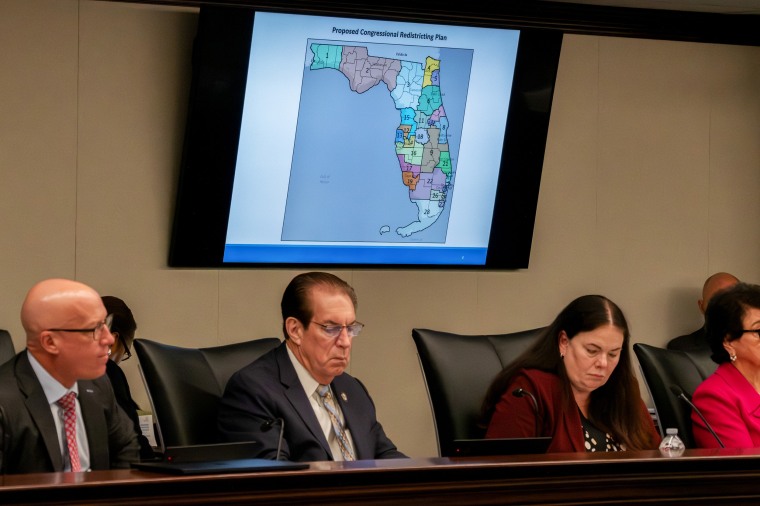
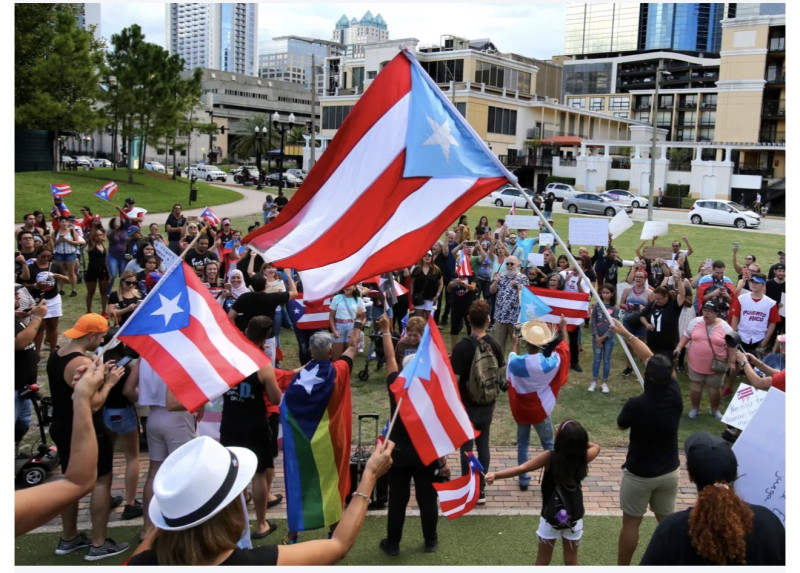
Democrats highlighted concerns that significant communities, such as the Puerto Rican population in Orlando, would be fragmented into multiple districts under DeSantis’ plan, thereby diminishing their political influence. This demographic is primarily represented by Democratic Representative Darren Soto, whose seat would be eliminated under the new configuration.
“So many communities are losing representation,” lamented Democratic Representative Fentrice Driskell. She pointed out that Tampa Bay would also be divided into three separate districts, effectively dismantling the region’s only Democratic seat held by Representative Kathy Castor.
The new redistricting plan would also transform seats currently held by Democrats Jared Moskowitz and Debbie Wasserman Schultz in South Florida into districts more favorable to Republican candidates.