

G7 Leaders Back Trump's Vague Iran Deal Amidst Domestic Doubts and Global Tensions
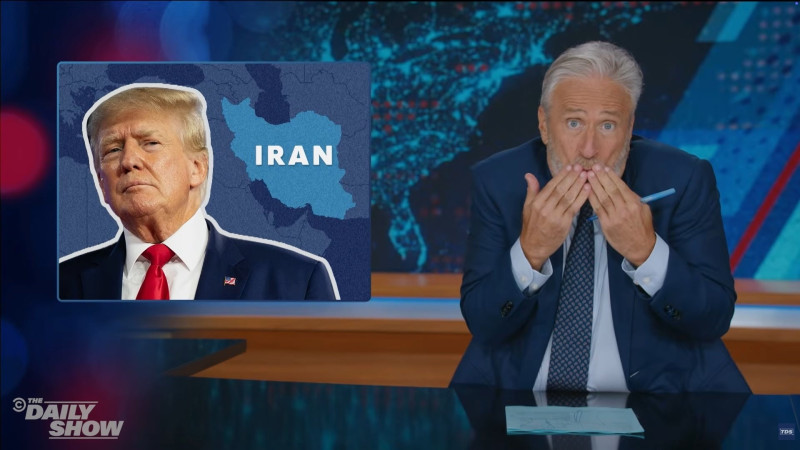
G7 leaders rallied behind U.S. President Donald Trump's ambiguous agreement with Iran, which aims to reopen the Strait of Hormuz and extend a fragile ceasefire, despite Trump's lack of clarity on implementation details.
The declaration from the summit labeled the deal a “historic opportunity” to prevent Iran from acquiring nuclear weapons and to address its regional threats. The leaders expressed readiness to contribute to its execution, yet neither the White House nor Iran has disclosed the agreement's text.
Leaked documents suggest that Iran will take immediate steps to reopen the Strait of Hormuz upon signing the deal, allowing unrestricted oil sales. Officials claim these leaks align broadly with the actual agreement.
This accord is set for formal signing in Switzerland on Friday, stipulating that the U.S. will work to lift all American and United Nations sanctions on Tehran if a final agreement regarding Iran’s nuclear program is achieved.
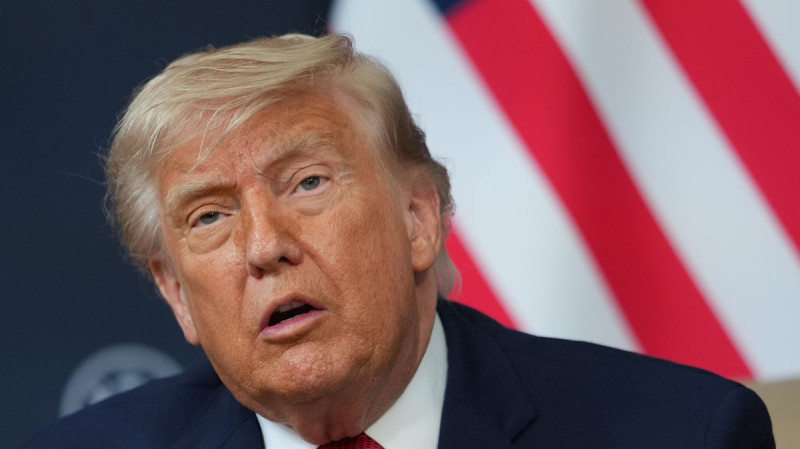
Trump, however, maintains that the specifics remain confidential. During a meeting with Egyptian President Abdel-Fattah el-Sissi, he stated, “Nobody knows what it is but it’s very strong,” adding that it’s a memorandum of understanding that could revert to military action if unsatisfactory.
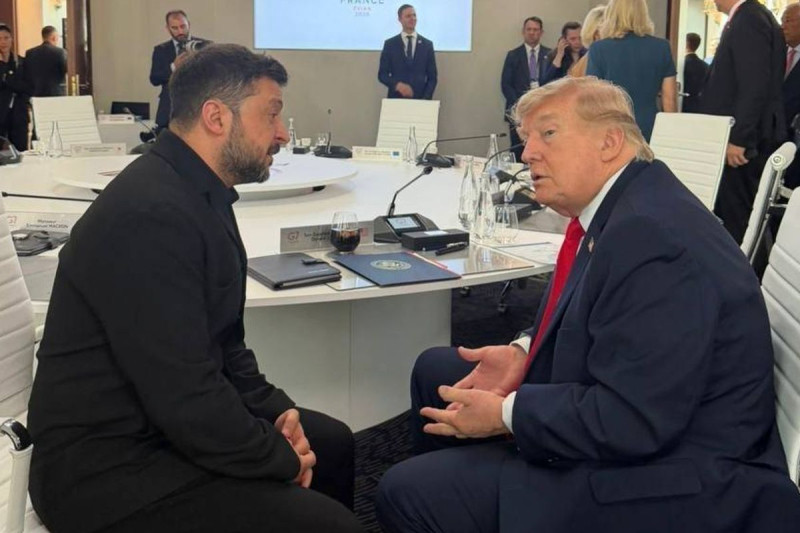
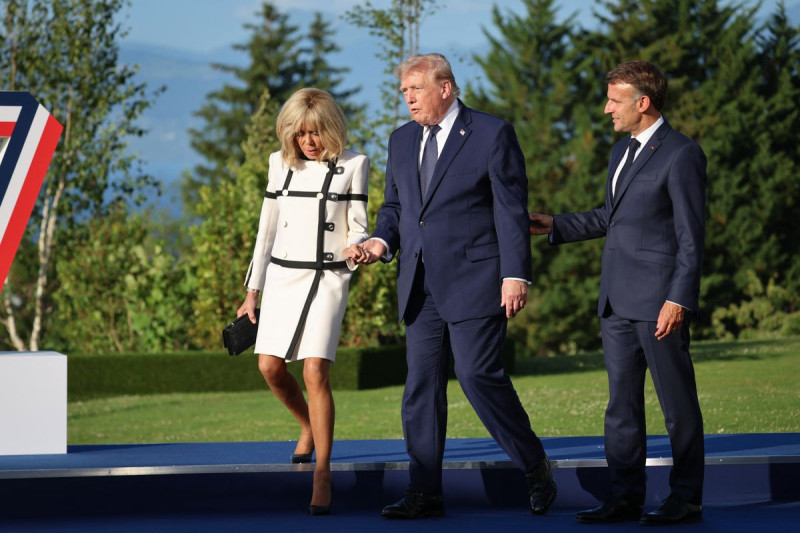
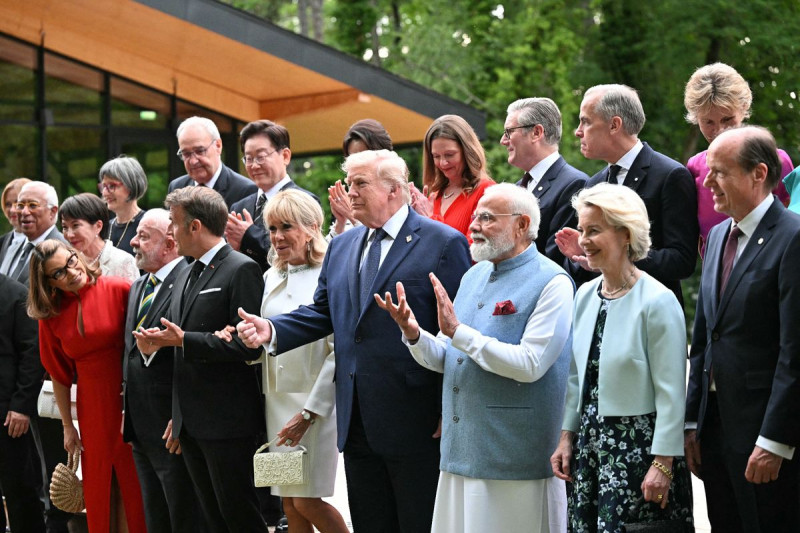
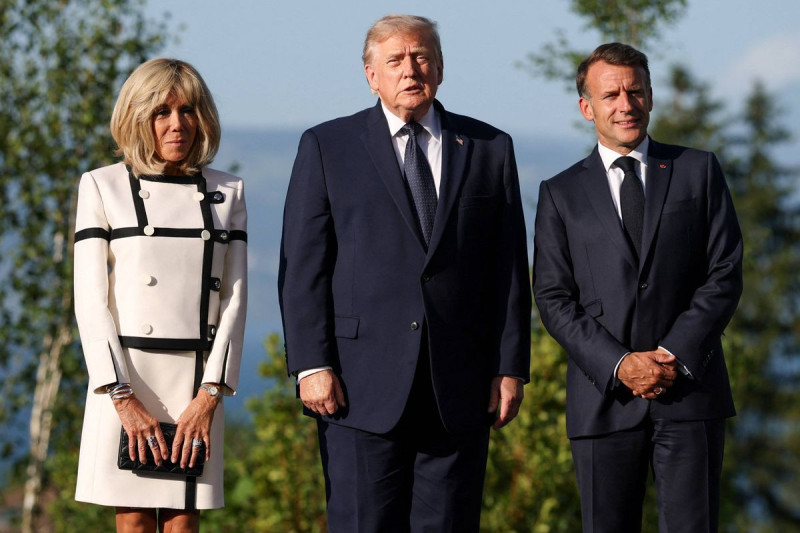
As summit discussions commenced, Trump arrived last, declaring “I’m the boss” while taking his seat next to French President Emmanuel Macron, prompting laughter among the leaders.
The G7 leaders concluded their formal talks at a lakeside resort in the French Alps, addressing topics like artificial intelligence and economic growth.
Concerns arose over China’s market flooding with subsidized products, undermining local industries and costing jobs. Leaders from India, South Korea, Kenya, and Brazil also participated in the discussions.
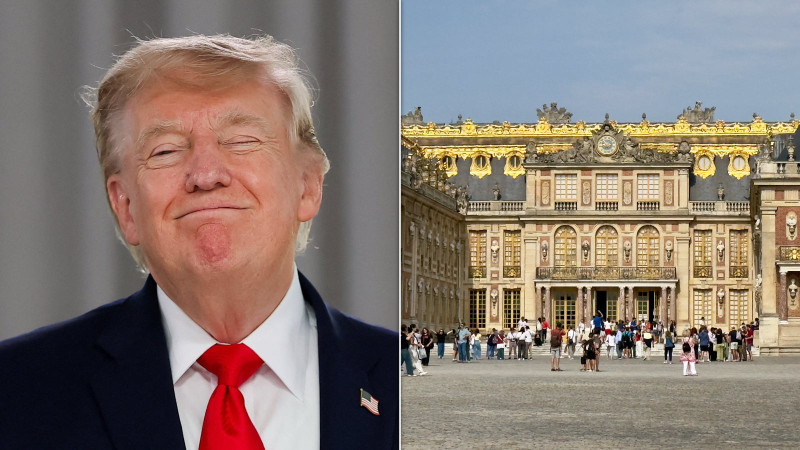
Trump plans to attend a lavish dinner at the Palace of Versailles before returning to Washington.
Despite G7 backing, Trump faces skepticism from his own party regarding whether the deal will effectively neutralize Iran’s nuclear ambitions. The international community remains anxious for him to fulfill promises about reopening the Strait of Hormuz for oil tankers.
The leaders noted that an international maritime mission led by France and the U.K. could facilitate maritime traffic resumption in the Strait of Hormuz by protecting merchant vessels and ensuring mine clearance.
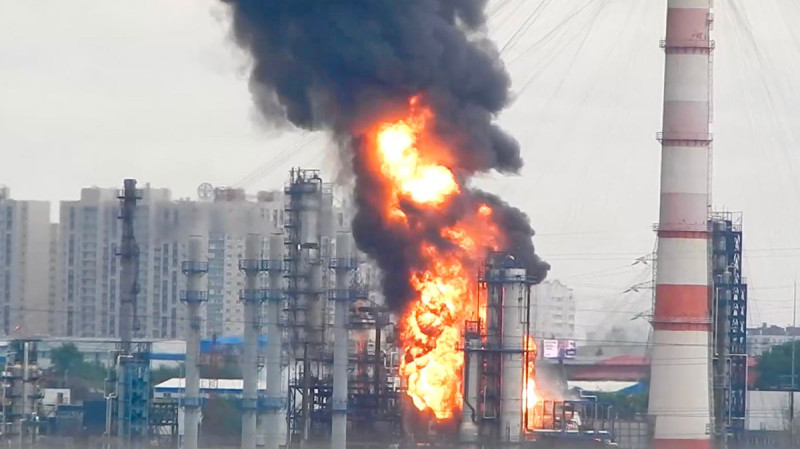
Prior to the Iran conflict, one-fifth of global oil and natural gas trade passed through the Strait of Hormuz, a critical chokepoint that Iran has effectively closed since hostilities began on February 28.
The deal also demands an immediate cessation of hostilities in Lebanon between Israel and Hezbollah, an Iranian-backed militia. This aspect poses significant challenges as Israel insists on its right to self-defense and territorial control in Lebanon, while Iran demands Israeli withdrawal—though leaked texts do not mention this requirement.
In their declaration, G7 leaders supported an “immediate robust ceasefire” in Lebanon and efforts to disarm Hezbollah while safeguarding Lebanon’s sovereignty.
Israeli strikes in Lebanon have resulted in nearly 4,000 deaths, including hundreds of civilians, and displaced over 1 million since fighting erupted on March 2. Trump remarked, “Israel’s fighting Hezbollah too long, and too many people are being killed.”
In a series of declarations early Wednesday, G7 leaders reaffirmed their support for Ukraine amid Russia's invasion and committed to increasing air defense system deliveries. They also agreed to tighten sanctions on Russia's oil and gas sectors.
The leaders pledged to intensify efforts against the international drug trade, coinciding with Trump’s ongoing campaign against drug traffickers.
U.S. military operations targeting alleged drug-carrying vessels in Latin America have resulted in over 200 deaths since September when the Trump administration initiated this controversial operation.
Critics have raised legal concerns regarding these military strikes.
In a separate declaration, G7 leaders reiterated their commitment to combat migrant smuggling and human trafficking, labeling these activities as serious transnational crimes that undermine state sovereignty and endanger lives.
___
Superville reported from Geneva.