

Hungary's Viktor Orbán Acknowledges Loss, Concludes 16-Year Tenure
On April 7, Hungarian Prime Minister Viktor Orbán arrived at MTK Sportpark in Budapest to address a "Day of Friendship" event, but the atmosphere shifted dramatically as news of his electoral defeat spread.
Supporters of Péter Magyar, the newly elected prime minister, erupted in celebration along the banks of the Danube. The landslide victory over the long-serving Orbán, who has held power for a total of five terms, was met with disbelief that quickly transformed into joy. The moment of concession came surprisingly early on election night, alleviating concerns about Orbán's response.
Voter turnout reached unprecedented levels since the end of communism in the 1990s, signaling a decisive rejection of Orbán's Fidesz party. Exit polls hinted at a potential "super-majority" for Magyar's Tisza movement, which united various opposition factions under the banners of anti-corruption and reintegration into the European mainstream.
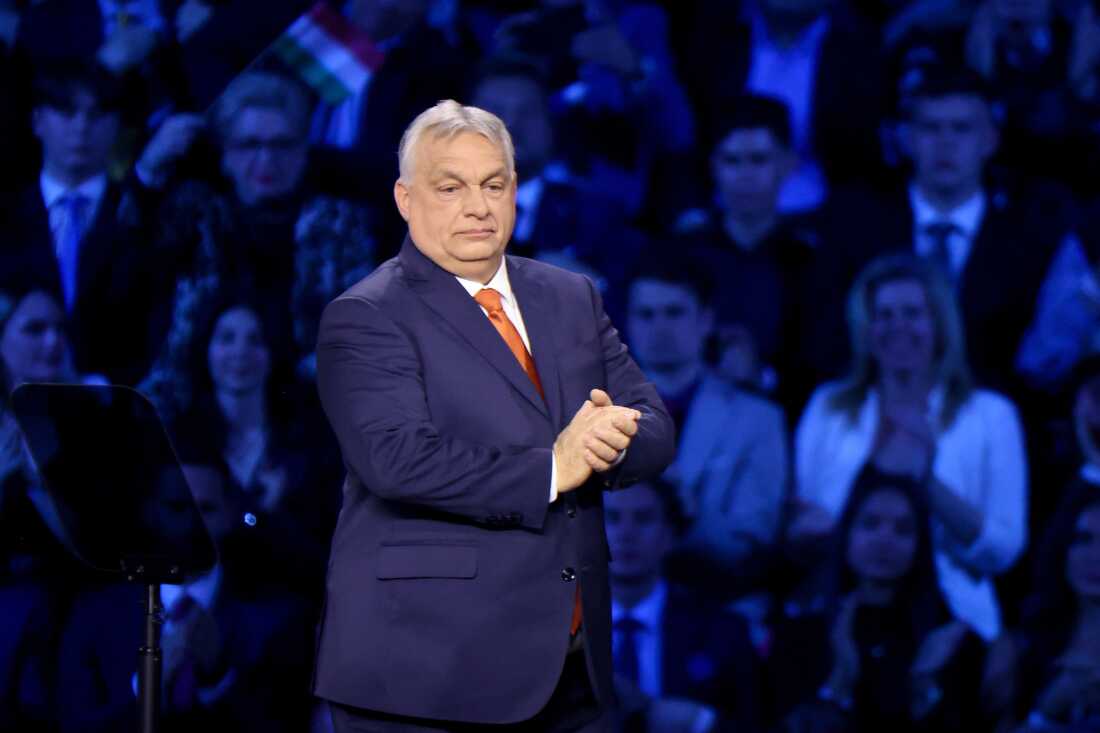
In a concession speech delivered less than three hours after polls closed, Orbán acknowledged Magyar's victory. Early ballot counts indicated that Magyar and Tisza could secure a two-thirds majority, enabling them to reverse constitutional amendments that had previously undermined judicial independence and solidified Fidesz's grip on power.
Addressing thousands of supporters waving Hungarian flags, 45-year-old Magyar drew inspiration from John F. Kennedy, stating: "Today we won because the Hungarian people didn't ask what their country could do for them, but what they could do for their country."
The crowd responded with chants of "Tisza is rising," as Magyar likened this historic moment to the 1848 revolution and the 1956 uprising against Soviet control. The atmosphere intensified with chants of "Russians, go home!" echoing through the gathering.

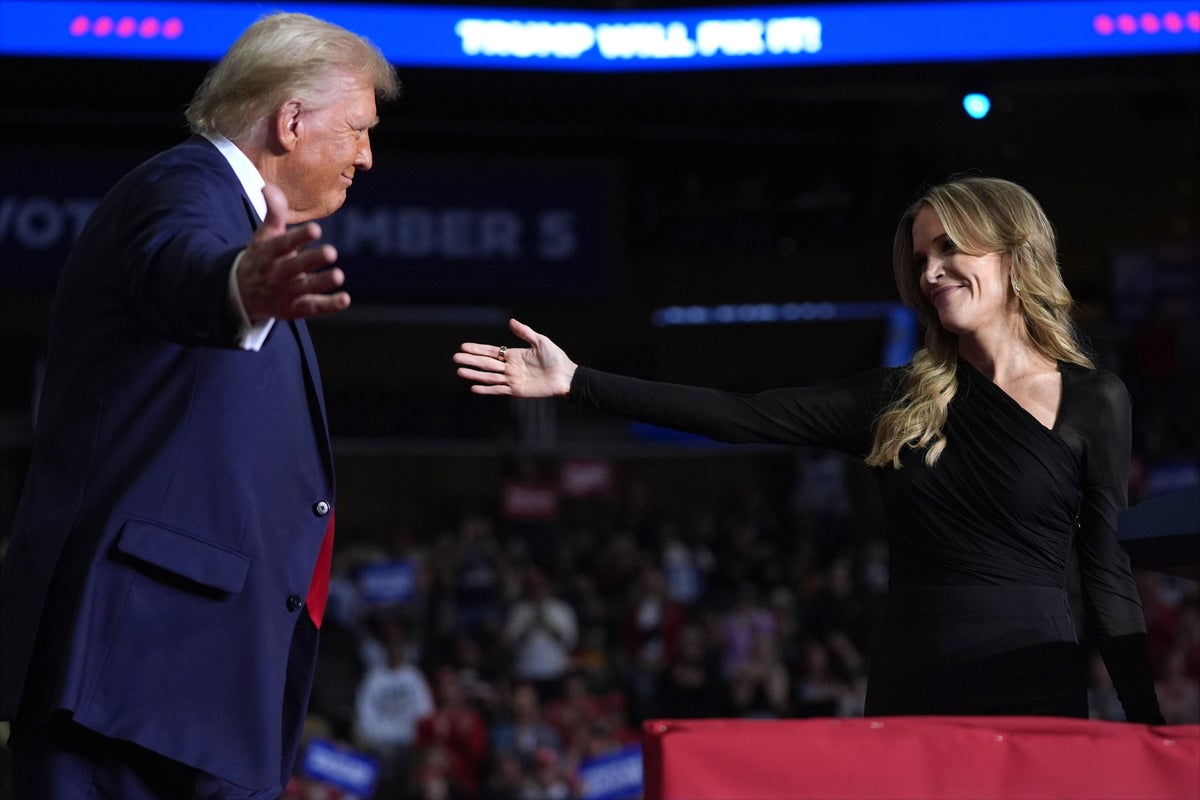
This election holds significant implications for Europe and Ukraine. Orbán's Kremlin-friendly stance often put him at odds with European Union partners, particularly regarding support for Ukraine amid its ongoing conflict. Accusations of corruption and misuse of EU funds have also plagued Orbán's administration, which he has consistently denied. The campaign attracted international attention, with U.S. Vice President JD Vance appearing alongside Orbán and President Trump expressing support during a rally.
As Orbán exits the political stage, the Kremlin loses a key ally in Europe. Meanwhile, Ukraine may anticipate a shift in Hungary's foreign policy under its new leadership, potentially leading to the lifting of Budapest's veto on 90 billion euros in EU financial aid aimed at supporting Kyiv.